


Automatic Paint Spraying Machine: Precision & Efficiency for Flawless Finishes
The Evolution of Precision Coating: Understanding the Automatic Paint Spraying Machine
In the rapidly evolving landscape of industrial manufacturing, the demand for efficiency, precision, and consistency in surface finishing has never been higher. At the heart of this transformation lies the automatic paint spraying machine – a sophisticated piece of equipment that has revolutionized coating processes across diverse sectors. These advanced systems move beyond manual labor, offering unparalleled uniformity, speed, and material utilization, ultimately leading to superior product quality and significant cost savings. This comprehensive guide delves into the intricate details of automatic paint spraying technology, its market impact, operational specifics, and future potential, providing B2B decision-makers and technical professionals with the insights needed to optimize their finishing operations.
Industry Trends and Market Dynamics
The global market for industrial coating equipment, including the automatic paint spraying machine, is experiencing robust growth driven by increasing industrialization, stringent environmental regulations, and the relentless pursuit of automation. Key trends shaping this market include:
- Environmental Compliance: Growing emphasis on reducing Volatile Organic Compounds (VOCs) and hazardous air pollutants (HAPs) is accelerating the adoption of high-transfer efficiency systems, electrostatic spraying, and powder coating technologies.
- Robotics and AI Integration: Advanced robotic arms equipped with intelligent vision systems and AI-powered controls are enabling higher precision, adaptability, and faster cycle times, especially for complex geometries.
- Industry 4.0 Connectivity: Integration with IoT platforms allows for real-time monitoring, predictive maintenance, and data-driven optimization of the painting process, enhancing overall operational efficiency.
- Customization and Flexibility: Manufacturers are increasingly demanding systems that can handle a wide variety of parts, coatings, and production volumes, necessitating modular and highly configurable solutions.
According to a report by Grand View Research, the global industrial coatings market size was valued at USD 105.7 billion in 2022 and is expected to grow at a compound annual growth rate (CAGR) of 4.3% from 2023 to 2030, underscoring the critical role of advanced application equipment like automated paint spraying systems in this expansion.
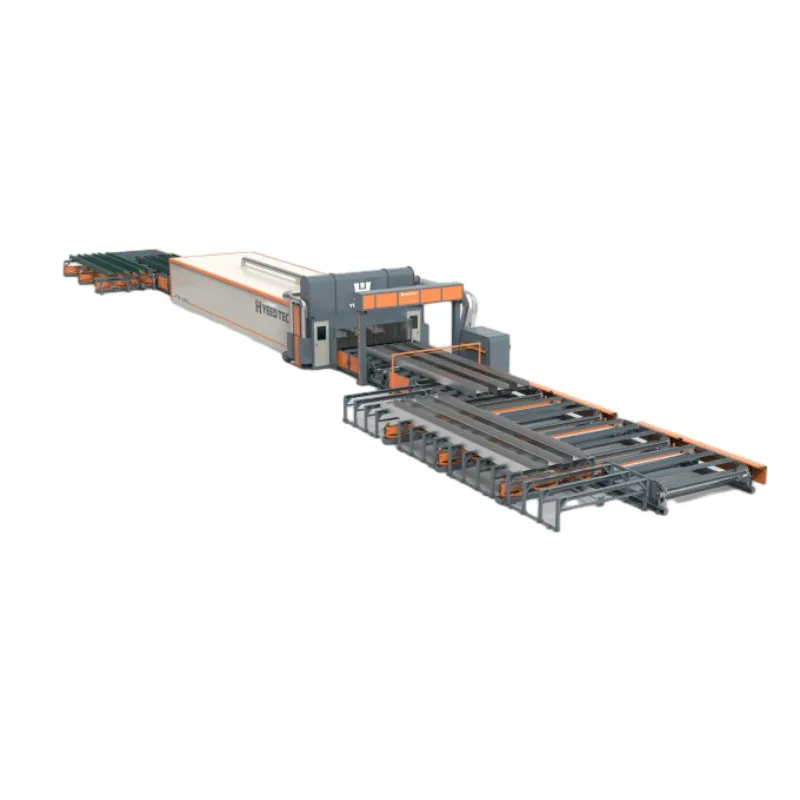
Detailed Process Flow of an Automatic Painting Line
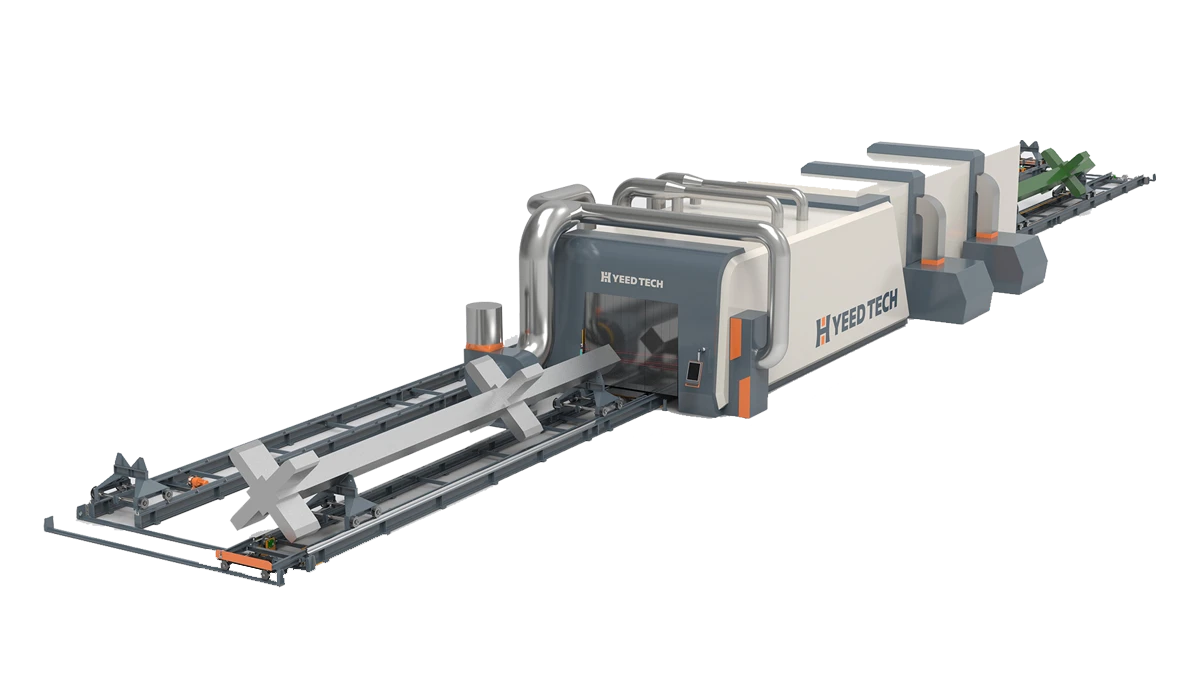
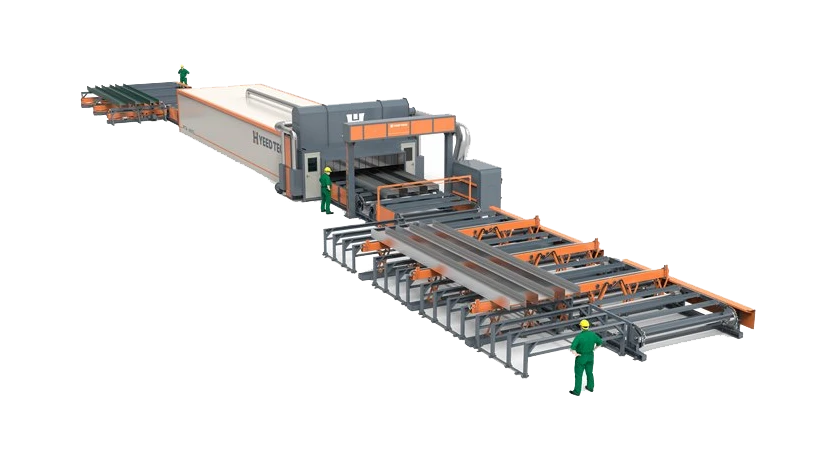
The manufacturing process for components within a steel structure automatic painting line – a prime example of where an automatic paint spraying machine is deployed – involves several critical stages, ensuring the durability, precision, and longevity of the system itself.
Manufacturing Process of Core Components:
- Material Selection: High-grade industrial steels (e.g., SUS304 for corrosion resistance, carbon steel for structural integrity) and specialized polymers are selected based on their specific application within the machine (e.g., nozzles, pumps, structural frames, control panels).
- Casting/Forging: For robust components like pump housings or critical structural joints, processes such as sand casting (for complex shapes) or hot forging (for high strength and ductility) are employed. These ensure material homogeneity and superior mechanical properties.
- CNC Machining: Precision components, including spray nozzles, gear mechanisms, and valve bodies, undergo advanced CNC machining. This allows for extremely tight tolerances (e.g., ±0.01mm) critical for consistent spray patterns and fluid control.
- Welding & Fabrication: Structural frames and larger assemblies are fabricated using robotic or skilled manual welding techniques (MIG/TIG) to ensure structural integrity and stability, often followed by stress-relieving heat treatments.
- Surface Treatment: Components exposed to harsh environments or aggressive chemicals receive specialized coatings (e.g., ceramic, Teflon, hard chrome plating) or passivation treatments to enhance corrosion resistance and extend service life.
- Assembly & Integration: Electro-mechanical components, pneumatic systems, sensors, and control units are meticulously assembled and integrated. This includes the precise calibration of robotic arms and spray guns.
- Quality Assurance & Testing: Each component and the final assembled machine undergo rigorous testing according to international standards (e.g., ISO 9001 for quality management, ANSI B11.0 for safety, CE marking for European compliance). This includes functional tests, leak tests, spray pattern analysis, coating thickness uniformity tests, and endurance testing. Expected service life for well-maintained systems typically exceeds 15-20 years.
Application Process Flow in a Steel Structure Automatic Painting Line:
- Pre-treatment (Cleaning & Blasting): Steel structures enter a blasting chamber where abrasive media (e.g., steel grit) removes rust, scale, and contaminants, achieving a specified surface profile (e.g., Sa2.5 according to ISO 8501-1). This is crucial for paint adhesion and corrosion resistance.
- Washing & Drying: Components are washed to remove blasting residues, followed by a thorough drying process in a heated chamber to prevent flash rust and ensure optimal surface conditions.
- Automatic Paint Application: This is where the automatic paint spraying machine excels. Parts move along a conveyor system into an enclosed spray booth. Robotic arms or reciprocators equipped with high-pressure airless, air-assisted, or electrostatic spray guns apply multiple coats (primer, intermediate, finish) with exceptional precision. Advanced PLC control systems ensure consistent film thickness, uniform coverage, and minimal overspray, contributing to significant energy savings through reduced material waste.
- Flash-off & Curing: After paint application, parts may pass through a flash-off zone to allow solvents to evaporate, followed by a curing oven (e.g., forced convection oven) to achieve optimal paint hardness and adhesion. Temperature and humidity are precisely controlled.
- Inspection & Quality Control: Post-curing, painted structures undergo strict inspection, including visual checks, dry film thickness measurements (e.g., using eddy current or magnetic induction gauges), adhesion tests, and gloss readings to ensure compliance with quality specifications.
- Packaging & Dispatch: Finished, inspected products are prepared for shipment.
Target industries for such comprehensive lines include petrochemical, metallurgy, energy, water supply & drainage, bridge construction, and shipbuilding, where robust corrosion resistance and durable finishes are paramount.
Technical Specifications & Key Parameters
Understanding the core technical specifications is crucial for selecting the right automatic paint spraying machine. These parameters directly influence performance, efficiency, and suitability for specific applications.
| Parameter | Value/Range | Unit/Description |
|---|---|---|
| Spray Gun Type | Airless, Air-assisted Airless, Electrostatic, HVLP | Determines atomization and transfer efficiency |
| Operating Pressure | 1000 - 4500 | PSI (pounds per square inch) for fluid delivery |
| Flow Rate (Paint) | 1.5 - 10 | L/min (liters per minute) |
| Robot Axes | 3, 4, 6 or 7 | Degrees of freedom for robotic movement |
| Transfer Efficiency | 60% - 95% | Percentage of paint applied to the target vs. wasted |
| Max. Part Dimensions | Variable (e.g., 20m L x 3m W x 4m H) | Customizable based on line design |
| Control System | PLC, HMI, Industrial PC | Programmable Logic Controller, Human-Machine Interface |
| Paint Viscosity Range | 10 - 100 | seconds (measured by Ford Cup #4) |
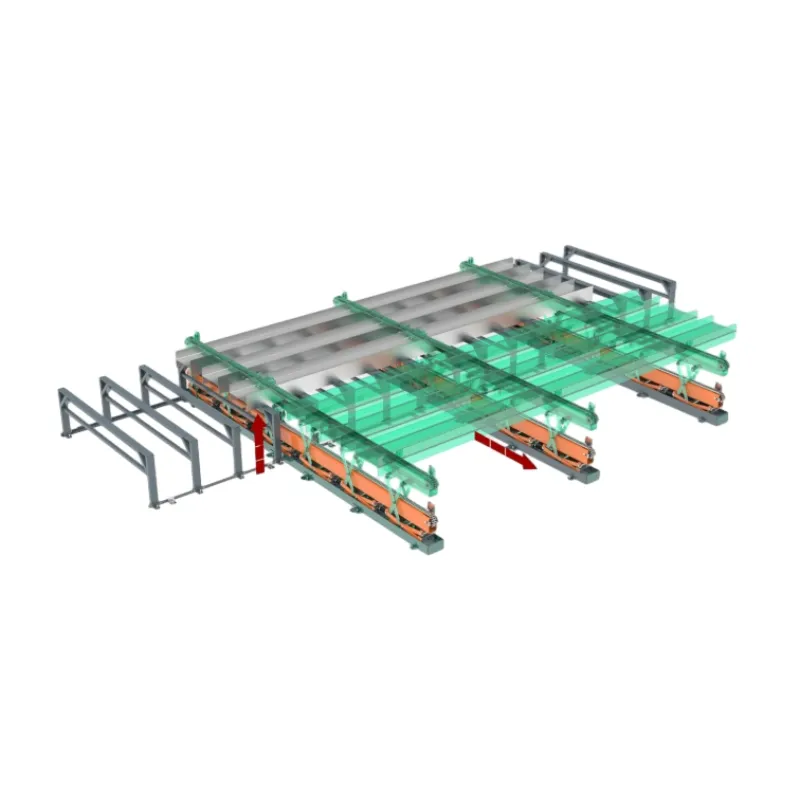
Application Scenarios and Industry Impact
The versatility of an automatic paint spraying machine makes it indispensable across a multitude of heavy industries where protective and aesthetic coatings are critical. Its ability to handle vast scales and complex geometries with consistent results offers significant advantages.
- Petrochemical Industry: Coating large tanks, pipelines, and structural supports requires exceptional corrosion resistance against harsh chemicals and environmental exposure. Automated systems ensure uniform coating thickness, extending asset life and reducing maintenance costs.
- Metallurgy & Steel Fabrication: Steel beams, girders, and fabricated components for construction or machinery demand robust anti-corrosion primers and finish coats. An automated painting process delivers consistent quality on long and heavy workpieces, essential for structural integrity and longevity.
- Water Supply & Drainage Systems: Internal and external coatings for pipes, valves, and water treatment equipment must meet stringent standards for hygiene and corrosion protection. Precision spraying ensures complete coverage and adherence to specifications.
- Wind Energy Sector: Large turbine components, such as tower sections and nacelles, benefit from automated painting for durable finishes that withstand extreme weather conditions, ensuring operational reliability and aesthetic appeal.
- Heavy Machinery & Equipment: From agricultural machinery to construction vehicles, automated lines provide high-quality, durable finishes that protect against wear, corrosion, and UV exposure, enhancing product longevity and market appeal.
The use of an automatic paint dispenser in these scenarios guarantees a reproducible coating quality, which is paramount for component performance and compliance with industry standards like ISO 12944 (Corrosion protection of steel structures by protective paint systems).
Technical Advantages and ROI
Investing in an automatic paint spraying machine offers a compelling return on investment through several key technical and operational advantages:
- Superior Coating Quality & Consistency: Robotic precision ensures uniform film thickness, eliminating common manual painting defects such as sags, runs, and inconsistent coverage. This leads to enhanced aesthetic appeal and extended product lifespan.
- Increased Efficiency & Throughput: Automated systems operate continuously at high speeds, significantly reducing cycle times and increasing production capacity. This directly translates to higher output and faster order fulfillment.
- Material Savings: Advanced spray technologies (e.g., electrostatic, high-volume low-pressure - HVLP) achieve transfer efficiencies often exceeding 70-90%, drastically reducing paint consumption and waste compared to manual methods. This also lowers VOC emissions.
- Enhanced Worker Safety: Automation removes human operators from hazardous spray booth environments, minimizing exposure to paint fumes and particulates, thus improving workplace safety and reducing health-related costs.
- Reduced Labor Costs: While initial investment is higher, automated systems significantly reduce the need for skilled manual painters, leading to substantial long-term labor cost savings.
- Flexibility & Adaptability: Modern robotic systems can be quickly reprogrammed to handle different part sizes, shapes, and paint specifications, offering unparalleled flexibility in production.
These combined advantages result in a lower cost per painted unit, higher product quality, and a more sustainable manufacturing process.
Vendor Comparison: Key Differentiators
When evaluating providers for an automatic spray painting system, B2B buyers must look beyond initial cost to assess long-term value, technological sophistication, and support infrastructure. Here's a comparative overview based on critical decision factors:
| Feature/Criterion | Vendor A (e.g., Specialized OEM) | Vendor B (e.g., General Automation) | Vendor C (e.g., Cost-Effective Solution) |
|---|---|---|---|
| Customization Capability | High: Bespoke solutions for complex needs, integration with existing lines. | Medium: Modular systems with some configuration options. | Low: Standardized models, limited modifications. |
| Technology & Innovation | Cutting-edge: AI vision, advanced robotics, IoT integration. | Modern: Reliable, proven robotic platforms, good software. | Basic: Standard PLC control, focus on core function. |
| Transfer Efficiency (Typical) | 80-95% (Electrostatic, advanced atomization) | 70-85% (HVLP, air-assisted airless) | 60-75% (Conventional air spray, some airless) |
| After-Sales Support & Service | Global network, 24/7 remote diagnostics, on-site experts. | Regional support, standard response times. | Limited, often third-party or local distributors. |
| Certifications | ISO 9001, CE, ATEX, UL, various industry-specific. | ISO 9001, CE. | Basic CE, local safety standards. |
| Price Point | Premium (High TCO value) | Mid-range (Good balance of features/cost) | Entry-level (Lower initial investment) |
When choosing, consider your specific production volume, complexity of parts, required finish quality, and long-term operational costs. Vendors with strong R&D, proven track records, and comprehensive support typically offer the best total cost of ownership (TCO).
Customized Solutions and Case Studies
One of the primary benefits of working with experienced providers is the ability to engineer customized solutions. Recognizing that no two manufacturing lines are identical, suppliers like Yeeeed.com offer tailored designs that integrate seamlessly into existing operations, addressing unique challenges from part handling to specific coating requirements.
Tailoring Your Automatic Spray Painting System:
Customization options include:
- Robotic Configuration: Number of axes, reach, payload, and end-of-arm tooling specific to part size and complexity.
- Conveyor Systems: Overhead conveyors, ground conveyors, power & free systems, or skillet lines matched to throughput and part dimensions.
- Paint Kitchen Design: Automated paint mixing and delivery systems (e.g., automatic paint dispenser), color change systems, and fluid control tailored to coating types and volume.
- Environmental Controls: Specialized ventilation, temperature, and humidity controls for specific paint types and curing processes.
- Integration with PLM/MES: Seamless data exchange with enterprise systems for production planning, quality control, and inventory management.
Application Case Study: Large-Scale Steel Structure Finishing
A major engineering firm specializing in petrochemical plant construction faced challenges with inconsistent coating quality and high VOC emissions from their manual painting operations for large steel modules. They invested in a custom automatic paint spraying machine line.
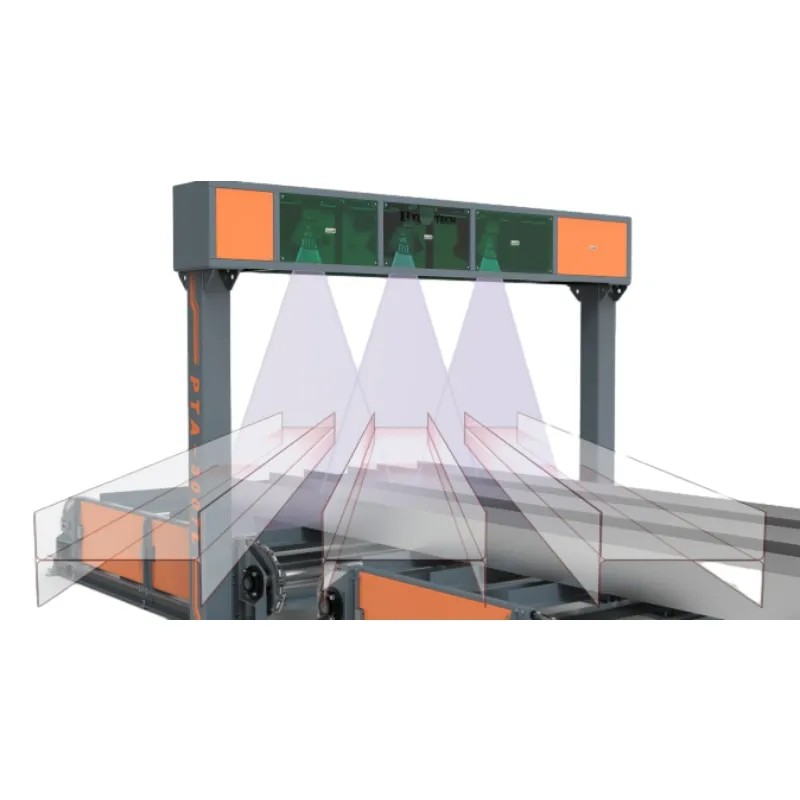
- Solution Implemented: A gantry-style robotic spraying system with six-axis robots and electrostatic air-assisted airless guns, integrated into a pre-existing blast and dry-off line. Advanced vision systems scanned irregular geometries to generate optimal robot paths.
- Results Achieved:
- Coating Uniformity: Achieved ±5 micron tolerance on dry film thickness across complex surfaces, a 40% improvement.
- Material Savings: Reduced paint consumption by 30% due to superior transfer efficiency.
- Throughput: Increased production capacity by 25% for critical components.
- VOC Reduction: Significant reduction in solvent emissions, aiding environmental compliance.
- Customer Feedback: "The automated line has transformed our finishing department. The quality is consistently high, our lead times are shorter, and our employees appreciate the safer working conditions. It was a strategic investment with immediate returns." - Production Manager.
Trustworthiness & Support
Frequently Asked Questions (FAQ)
Q: What is the typical lead time for an automatic paint spraying machine system?
A: Lead times vary significantly based on customization and complexity. Standard modular systems might range from 12-16 weeks, while highly customized, large-scale projects can take 24-40 weeks from design approval to commissioning.
Q: What kind of warranty is offered on these systems?
A: We typically provide a standard 12-month warranty on parts and labor from the date of commissioning or 18 months from shipment, whichever comes first. Extended warranty options and service contracts are also available.
Q: What kind of training and after-sales support can we expect?
A: Comprehensive training for operators and maintenance personnel is provided during installation and commissioning. Our after-sales support includes 24/7 remote technical assistance, on-site service visits, and a readily available supply of genuine spare parts to ensure minimal downtime and optimal performance of your automated painting process.
Q: How do I ensure regulatory compliance with an automatic spray painting system?
A: Our systems are designed to meet or exceed relevant international safety (CE, UL, ANSI) and environmental (VOC emission reduction) standards. We work closely with clients to ensure all local and industry-specific regulations are addressed during the design and implementation phases.
Commitment to Service
Our commitment extends beyond delivering cutting-edge equipment. We partner with our clients throughout the lifecycle of their automatic spray painting system, from initial consultation and design to installation, training, and ongoing technical support. Our dedicated team ensures seamless integration and sustained performance, reinforcing our position as a trusted provider in the industrial finishing sector. Our comprehensive service package is designed to protect your investment and optimize your painting operations for years to come.
Conclusion
The modern automatic paint spraying machine represents a pivotal advancement in industrial manufacturing, offering unparalleled precision, efficiency, and safety. By integrating advanced robotics, intelligent controls, and high-efficiency spray technologies, these systems enable businesses to achieve superior coating quality, reduce operational costs, and meet stringent environmental regulations. As industries continue their drive towards automation and digital transformation, the strategic adoption of sophisticated automated painting solutions will be key to maintaining competitive advantage and ensuring long-term success.
References
- Grand View Research. "Industrial Coatings Market Size, Share & Trends Analysis Report By Product, By Application, By Region, And Segment Forecasts, 2023 - 2030." grandviewresearch.com/industry-analysis/industrial-coatings-market
- ISO 8501-1: Preparation of steel substrates before application of paints and related products -- Visual assessment of surface cleanliness -- Part 1: Rust grades and preparation grades of uncoated steel substrates and of steel substrates after overall removal of previous coatings.
- ISO 12944: Paints and varnishes -- Corrosion protection of steel structures by protective paint systems. International Organization for Standardization.
- Occupational Safety and Health Administration (OSHA). "Control of Hazardous Energy (Lockout/Tagout)." osha.gov/control-hazardous-energy-lockout-tagout
Latest News
-
Efficient automated hot air drying equipment for steel structure application
NewsApr.16,2026 -
Efficient hot air drying system for steel structure spraying line
NewsApr.09,2026 -
Optimizing Steel Structure Spraying with Hot Air Drying Technology Solutions
NewsApr.07,2026 -
HighEfficiency Hot Air Drying Painting Equipment for Superior Industrial Coatings
NewsApr.04,2026 -
Optimizing Industrial Processes with Hot Air Furnace Heating Spraying Systems
NewsMar.31,2026 -
Comprehensive Tailormade Steel Structure Spraying Solution for Enhanced Durability
NewsMar.28,2026 -
Optimizing Steel Structure Protection through Customization and Integration of Spraying System
NewsMar.26,2026


