


Efficient hot air drying system for steel structure spraying line
Optimizing Efficiency with a Hot Air Drying System for Steel Structure Spraying Line
In the demanding world of industrial coatings, the curing process is just as critical as the application itself. A professional hot air drying system for steel structure spraying line ensures that paints and protective coatings bond perfectly to the metal surface, preventing defects like sagging or peeling. For steel structure manufacturers, achieving a consistent, high-quality finish requires precise temperature control and uniform airflow. By integrating an advanced drying solution, companies can significantly reduce lead times and improve the overall durability of their structural components. This guide explores how the right drying technology transforms production efficiency and product longevity.
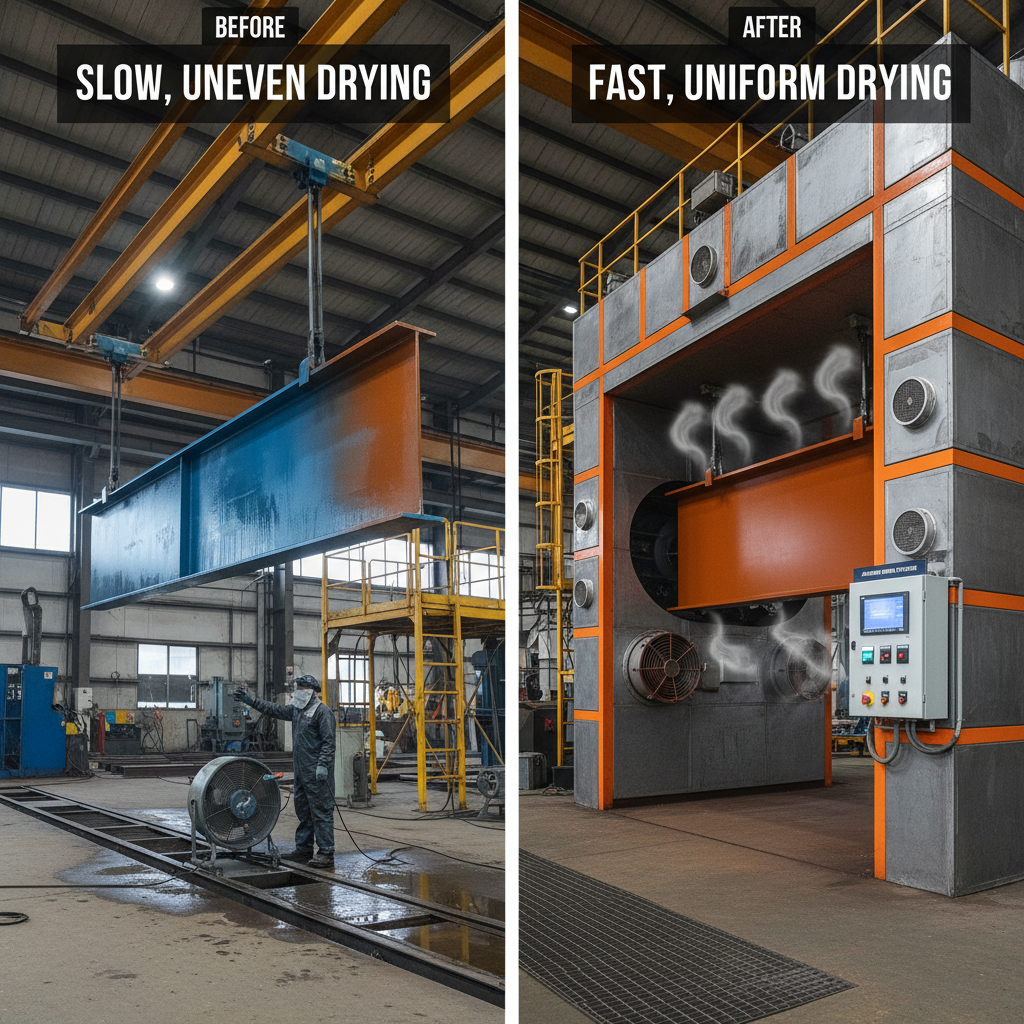
The Core Mechanics of Industrial Hot Air Drying
A hot air drying system for steel structure spraying line operates by circulating heated air over the coated steel parts using high-pressure fans and precision burners. Unlike natural air drying, which is subject to humidity and temperature fluctuations, forced hot air provides a controlled environment. This acceleration of solvent evaporation ensures that the coating reaches its full hardness faster, allowing the steel structures to be handled or shipped shortly after spraying. Uniform heat distribution is the key here; any cold spots in the drying tunnel can lead to uneven curing, which compromises the anti-corrosive properties of the steel.
Technical Insight: The system typically employs a heat exchanger to prevent combustion gases from coming into direct contact with the painted surface, ensuring a pure air stream and a flawless finish.
Key Advantages of a Hot Air Drying System for Steel Structure Spraying Line
Implementing a dedicated drying system offers more than just speed. It provides repeatability and quality assurance. When utilizing a hot air drying system for steel structure spraying line, operators can fine-tune the temperature based on the specific paint chemistry—whether it be epoxy, polyurethane, or powder coatings. This precision eliminates the risk of "over-baking," which can cause discoloration, or "under-baking," which leaves the coating soft and prone to scratches. Furthermore, the reduction in curing time allows for a higher throughput, directly increasing the daily capacity of the production facility.
Primary Benefits:
• Reduced Cycle Time: Curing times dropped from hours to minutes.
• Consistent Quality: Uniform temperature eliminates surface imperfections.
• Environmental Control: Dust-free enclosed environments prevent contamination.
• Energy Efficiency: Modern heat recovery systems lower operational costs.
Comparison: Hot Air Drying vs. Conventional Air Drying
Many smaller workshops still rely on ambient air drying, but as production scales, the limitations become obvious. The following comparison highlights why the hot air drying system for steel structure spraying line is the industry standard for professional steel fabrication. While the initial investment is higher, the ROI is realized quickly through reduced labor costs and lower rejection rates of finished parts.
Integration into Steel Structure Spraying Lines
A hot air drying system for steel structure spraying line is rarely a standalone unit; it is the final stage of a synchronized production chain. The typical workflow involves surface pretreatment (sandblasting), primer application, topcoat spraying, and finally, the drying tunnel. Integrating the drying system directly into the conveyor line eliminates the need for manual handling of wet parts, which is a common source of paint damage. Modern systems feature smart sensors that monitor the temperature in real-time, automatically adjusting the heat output based on the speed of the conveyor belt.
Technical Specifications and Customization
Depending on the scale of the steel structures—from small brackets to massive I-beams—the hot air drying system for steel structure spraying line must be customized. Key specifications include the heat source (gas, electric, or oil), the maximum operating temperature, and the airflow volume. High-end systems also incorporate exhaust filtration to ensure that solvent vapors are captured and treated before being released into the atmosphere, keeping the factory compliant with environmental regulations.
Maintenance for Peak Performance
To ensure the hot air drying system for steel structure spraying line operates at peak efficiency, a regular maintenance schedule is essential. This includes checking the heating elements for wear, cleaning the air filters to prevent dust buildup, and calibrating the temperature sensors. Optimal airflow is critical; if the fans are clogged or the ductwork is leaking, the system will consume more energy while producing uneven results. Proactive maintenance not only extends the lifespan of the equipment but also prevents costly unplanned downtime during peak production cycles.
Conclusion: Elevating Steel Finishing Standards
Investing in a high-quality hot air drying system for steel structure spraying line is a strategic move for any steel fabrication business aiming for growth. By combining rapid curing times with uncompromising quality control, these systems allow manufacturers to meet the strictest industrial standards and deliver superior products. From energy savings to enhanced surface durability, the advantages are clear. Elevate your production line today and ensure your steel structures are protected for a lifetime.
Frequently Asked Questions (FAQs)
How does a hot air drying system improve the paint's durability?
A hot air drying system accelerates the chemical cross-linking process within the paint. When heat is applied uniformly, the solvents evaporate at a controlled rate, allowing the polymer chains to bond more tightly to the steel substrate. This results in a harder, denser film that is significantly more resistant to abrasion, chemicals, and environmental corrosion compared to coatings that are simply air-dried. By ensuring the paint is fully cured, you eliminate "soft spots" that often lead to premature peeling or rusting.
Can this system be used for different types of coatings?
Yes, the versatility of the hot air drying system for steel structure spraying line allows it to accommodate various coatings. Whether you are using air-dry enamels that need a speed boost, heat-cured epoxies, or high-temperature powder coatings, the system can be adjusted. The key is the PLC control system, which allows operators to set specific temperature profiles (ramping up and cooling down) to match the technical data sheet (TDS) of the specific coating material being used.
What is the energy impact of installing a hot air drying system?
While heating air requires energy, modern systems are designed with efficiency in mind. Many utilize heat exchangers and insulation to minimize heat loss. Furthermore, the drastic reduction in production time means that the overall energy spent per unit of product is often lower than in inefficient, sprawling air-drying setups. By optimizing the airflow and using variable frequency drives (VFDs) on the fans, companies can maintain high productivity while keeping their carbon footprint and utility bills under control.
How do I choose the right size for my spraying line?
Choosing the right size depends on three main factors: the maximum dimensions of your steel components, your target throughput (parts per hour), and the curing requirements of your paint. You must ensure the drying tunnel is wide and high enough to allow for unrestricted airflow around the largest piece. Additionally, the length of the tunnel must be sufficient to ensure the parts stay at the required temperature for the necessary duration as they move along the conveyor. Consulting with engineers at Yeeeed can help you calculate these parameters accurately.
Latest News
-
Efficient automated hot air drying equipment for steel structure application
NewsApr.16,2026 -
Optimizing Steel Structure Spraying with Hot Air Drying Technology Solutions
NewsApr.07,2026 -
HighEfficiency Hot Air Drying Painting Equipment for Superior Industrial Coatings
NewsApr.04,2026 -
Optimizing Industrial Processes with Hot Air Furnace Heating Spraying Systems
NewsMar.31,2026 -
Comprehensive Tailormade Steel Structure Spraying Solution for Enhanced Durability
NewsMar.28,2026 -
Optimizing Steel Structure Protection through Customization and Integration of Spraying System
NewsMar.26,2026 -
Comprehensive Customized Steel Structure Spraying Equipment Solution for Superior Coating
NewsMar.24,2026


