


Efficient automated hot air drying equipment for steel structure application
Optimizing Production with Automated Hot Air Drying Equipment for Steel Structure Application
In the demanding world of steel fabrication, moisture is the enemy of quality. Whether it is removing water after pickling or curing industrial coatings, the use of automated hot air drying equipment for steel structure application has become a cornerstone for modern factories. Traditional air-drying methods are often inconsistent and slow, leading to flash rust and uneven finishes. By implementing an automated system, manufacturers can ensure a controlled environment that accelerates production cycles while maintaining rigorous quality standards. This guide explores how advanced drying technology transforms steel structural workflows, enhancing both efficiency and longevity.
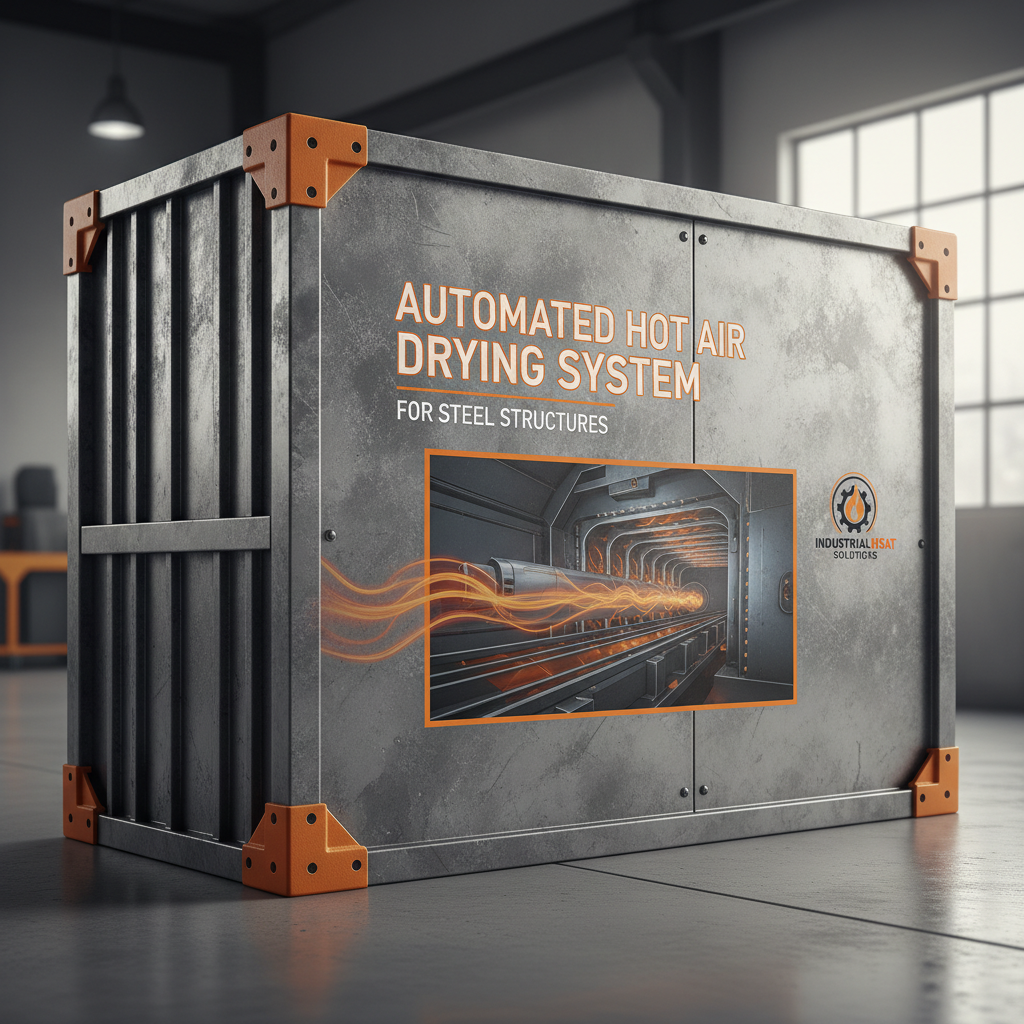
How Automated Hot Air Drying Equipment for Steel Structure Application Works
The core mechanism of automated hot air drying equipment for steel structure application involves the precise circulation of heated air over steel components. Unlike manual heating, these systems utilize high-efficiency heat exchangers and powerful blowers to create a uniform thermal curtain. As the steel beams or plates move through the conveyorized tunnel, the hot air evaporates surface moisture rapidly, preventing the oxidation process. This automation removes human error from the equation, ensuring that every piece of steel—regardless of its geometry—receives the same level of drying intensity and duration.
Technical Insight: Modern systems often incorporate PLC control systems that adjust temperature and airflow in real-time based on the thickness of the steel and the ambient humidity of the factory floor.
Key Benefits of Automated Drying Systems
Transitioning to an automated solution offers a multitude of advantages over traditional methods. First and foremost is the elimination of flash rust; by drying the steel immediately after chemical treatment, the window for oxidation is closed. Secondly, the consistency of the heat ensures that subsequent painting or galvanizing processes adhere perfectly to the surface. Furthermore, the reduction in manual labor significantly lowers operational costs and improves workplace safety by reducing the need for workers to handle hot materials. The investment in automated hot air drying equipment for steel structure application essentially pays for itself through reduced waste and faster turnaround times.
Performance Comparison: Automated vs. Manual Drying
When analyzing the ROI of automated hot air drying equipment for steel structure application, the data clearly favors automation. Manual drying relies on ambient conditions, which can vary wildly between seasons, leading to unpredictable production schedules. In contrast, automated systems provide a stable, repeatable environment. The following table highlights the stark differences in operational metrics between these two approaches.
Integrating Drying Equipment into Steel Fabrication Workflows
Integrating automated hot air drying equipment for steel structure application requires a strategic approach to plant layout. Ideally, the drying tunnel is positioned immediately after the rinsing station and before the coating or painting line. This seamless flow minimizes the exposure of "naked" steel to the atmosphere. By syncing the conveyor speed with the drying temperature, factories can achieve a "just-in-time" production model where materials are always ready for the next stage of processing without idling in storage areas.
Technical Specifications for Industrial Drying Units
Choosing the right automated hot air drying equipment for steel structure application depends on the volume of steel and the specific moisture removal requirements. High-grade industrial units are built with corrosion-resistant housings and energy-efficient heating elements. Below are the typical specifications found in professional-grade drying systems used in the steel structure industry.
Conclusion: Elevating Steel Quality through Automation
Investing in automated hot air drying equipment for steel structure application is more than just an equipment upgrade; it is a strategic move toward operational excellence. By ensuring rapid, consistent, and thorough drying, manufacturers can eliminate the risks of corrosion and coating failure, ultimately delivering a superior product to the end client. In an increasingly competitive global market, the precision offered by automated drying technology is the key to maintaining high throughput without compromising on structural integrity.
Frequently Asked Questions (FAQs)
Can this equipment be customized for different steel shapes?
Yes, professional automated hot air drying equipment for steel structure application is typically modular. Whether you are processing I-beams, C-channels, or custom tubular structures, the conveyor system and airflow nozzles can be adjusted to ensure that heat reaches all surfaces equally, including internal cavities. This flexibility is crucial for factories that handle a diverse range of structural components.
How does automated drying reduce energy costs?
While it may seem that adding a heating system increases costs, automation actually optimizes energy use. Through the use of insulated chambers and heat recovery systems, these units prevent thermal loss. Furthermore, because the drying process is significantly faster than natural air-drying, the total energy spent per unit of steel is often lower when considering the overall production cycle and the reduction in rework caused by rust.
What maintenance is required for hot air drying systems?
Maintenance is relatively straightforward but essential for longevity. Key tasks include regularly cleaning the air filters to maintain airflow efficiency, inspecting heating elements for wear, and lubricating the conveyor chains. Because these systems operate in industrial environments, ensuring that the sensors are calibrated correctly is also vital to maintain the precise temperature controls that prevent overheating or under-drying of the steel.
Is this equipment suitable for small-scale fabrication shops?
Absolutely. While large-scale plants use massive tunnels, there are compact versions of automated hot air drying equipment for steel structure application designed for smaller workshops. These "mini-tunnels" provide the same core benefits—speed and consistency—without requiring a massive footprint. Any shop that prioritizes quality and wants to eliminate the risk of flash rust can benefit from a tailored automated solution.
Latest News
-
Efficient hot air drying system for steel structure spraying line
NewsApr.09,2026 -
Optimizing Steel Structure Spraying with Hot Air Drying Technology Solutions
NewsApr.07,2026 -
HighEfficiency Hot Air Drying Painting Equipment for Superior Industrial Coatings
NewsApr.04,2026 -
Optimizing Industrial Processes with Hot Air Furnace Heating Spraying Systems
NewsMar.31,2026 -
Comprehensive Tailormade Steel Structure Spraying Solution for Enhanced Durability
NewsMar.28,2026 -
Optimizing Steel Structure Protection through Customization and Integration of Spraying System
NewsMar.26,2026 -
Comprehensive Customized Steel Structure Spraying Equipment Solution for Superior Coating
NewsMar.24,2026


