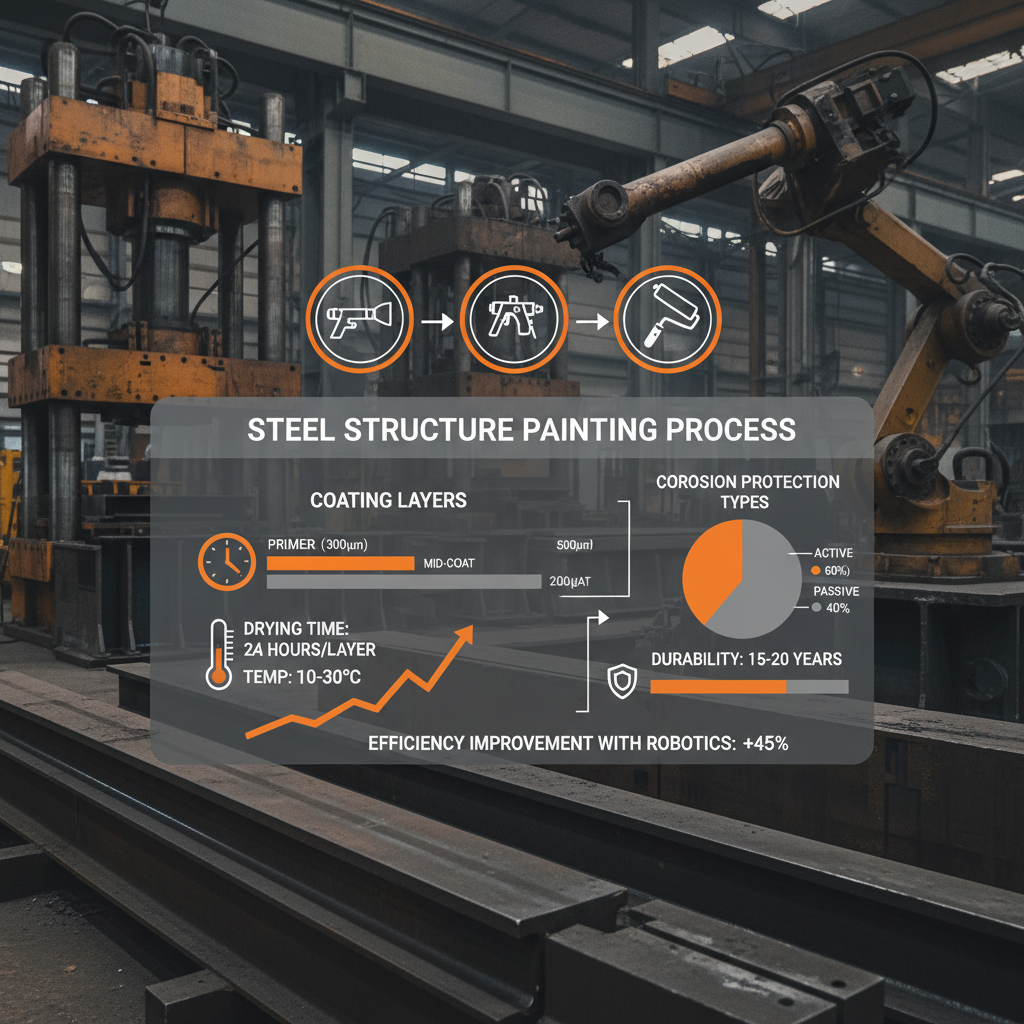
In the modern industrial landscape, the role of steel beam manufacturers extends far beyond simple fabrication; they are the backbone of global infrastructure, providing the structural integrity required for everything from high-rise skyscrapers to heavy-duty industrial plants. Understanding the nuances of beam production is critical for engineers and project managers who seek to balance load-bearing capacity with material efficiency and cost-effectiveness.
Across the globe, the demand for high-precision structural steel continues to rise as urban centers expand and industrial facilities integrate more complex machinery. Leading steel beam manufacturers now leverage advanced metallurgy and automated rolling processes to ensure that every I-beam, H-beam, and channel meets stringent international safety standards, reducing the risk of structural failure in high-stress environments.
Whether it is supporting a Heavy Steel Structure Painting Line or providing the framework for massive logistics hubs, the quality of the steel used determines the longevity of the project. By partnering with experienced steel beam manufacturers, industries can ensure that their infrastructure is not only durable but also sustainable, utilizing recycled steel and energy-efficient production methods to meet modern green building codes.
Global Impact of Steel Beam Manufacturers
On a global scale, steel beam manufacturers drive the pace of industrialization. According to data aligned with ISO standards, the precision of structural steel components directly correlates with the reduction of construction timelines and material waste. By optimizing the rolling process and utilizing high-strength alloys, these manufacturers enable the creation of wider spans and taller structures, which is essential for the dense urban environments of the 21st century.
The challenge often lies in the volatility of raw material costs and the stringent requirements for seismic resistance. Top-tier steel beam manufacturers address this by implementing lean manufacturing principles and investing in R&D to develop steel grades that offer superior strength-to-weight ratios, ensuring that infrastructure can withstand natural disasters and heavy industrial loads.
Defining the Role of Steel Beam Manufacturers
In simple terms, steel beam manufacturers are specialized industrial entities that transform raw steel billets or slabs into standardized structural shapes, such as I-beams, H-beams, and C-channels. These components serve as the "skeleton" of any significant construction project, distributing weight and resisting bending forces to maintain the stability of the entire system.
Their connection to modern industry is profound, as they provide the necessary support for heavy machinery installations. For instance, the installation of a Steel Structure Automatic Painting Line requires precise beam alignments to ensure the conveyor system operates without vibration or deviation, highlighting the interdependence between beam fabrication and mechanical engineering.
Beyond commercial utility, these manufacturers play a humanitarian role by providing the materials for rapid-deployment bridges and emergency shelters in disaster-stricken areas. The ability to produce prefabricated, high-strength beams allows for the quick restoration of critical transport links, proving that the expertise of steel beam manufacturers is vital for both economic growth and crisis management.
Core Factors in Beam Quality and Production
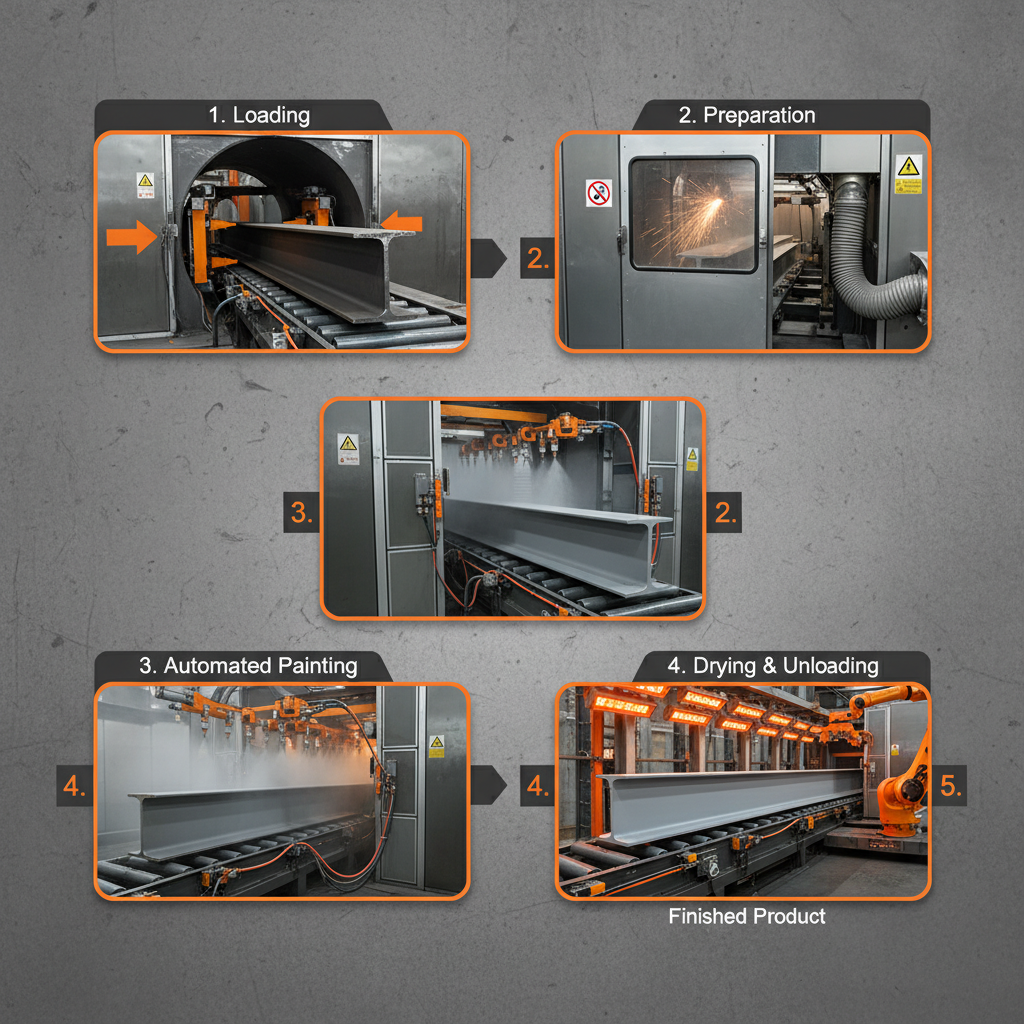
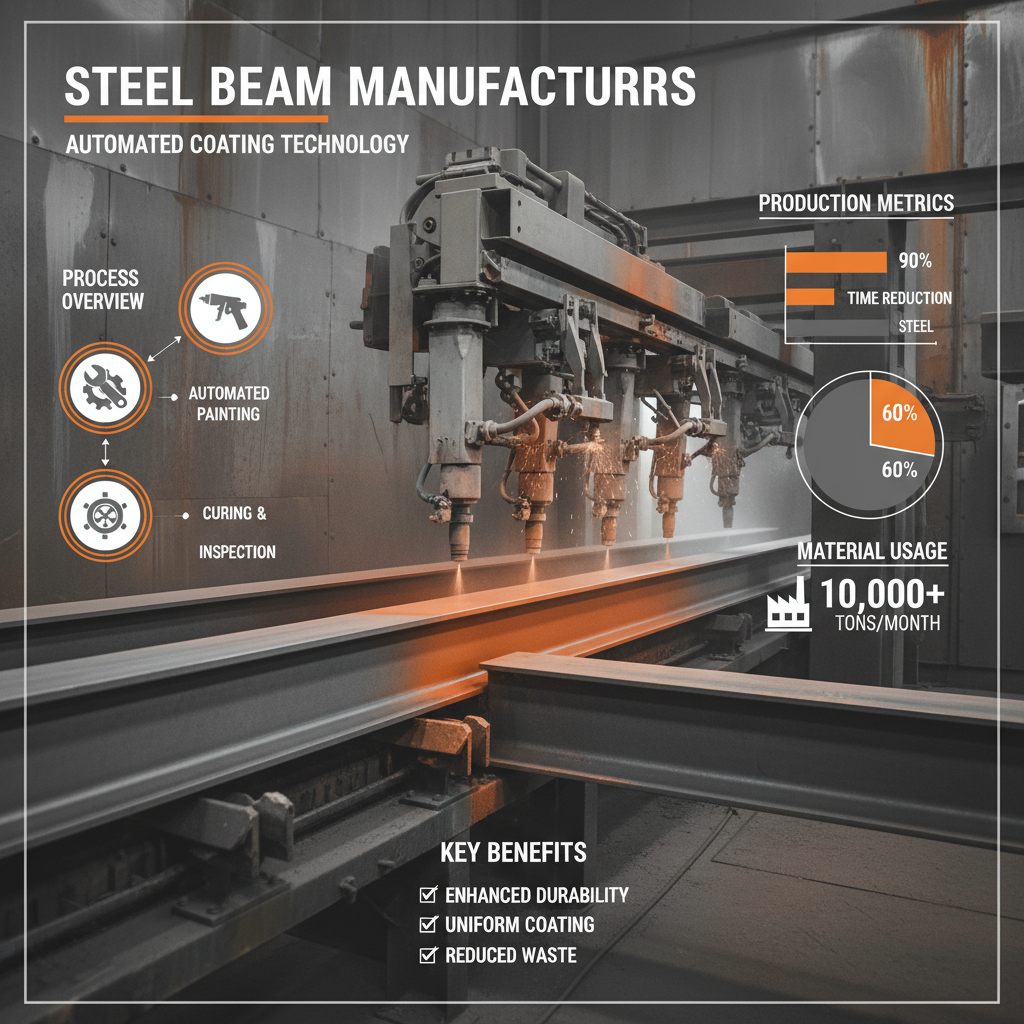
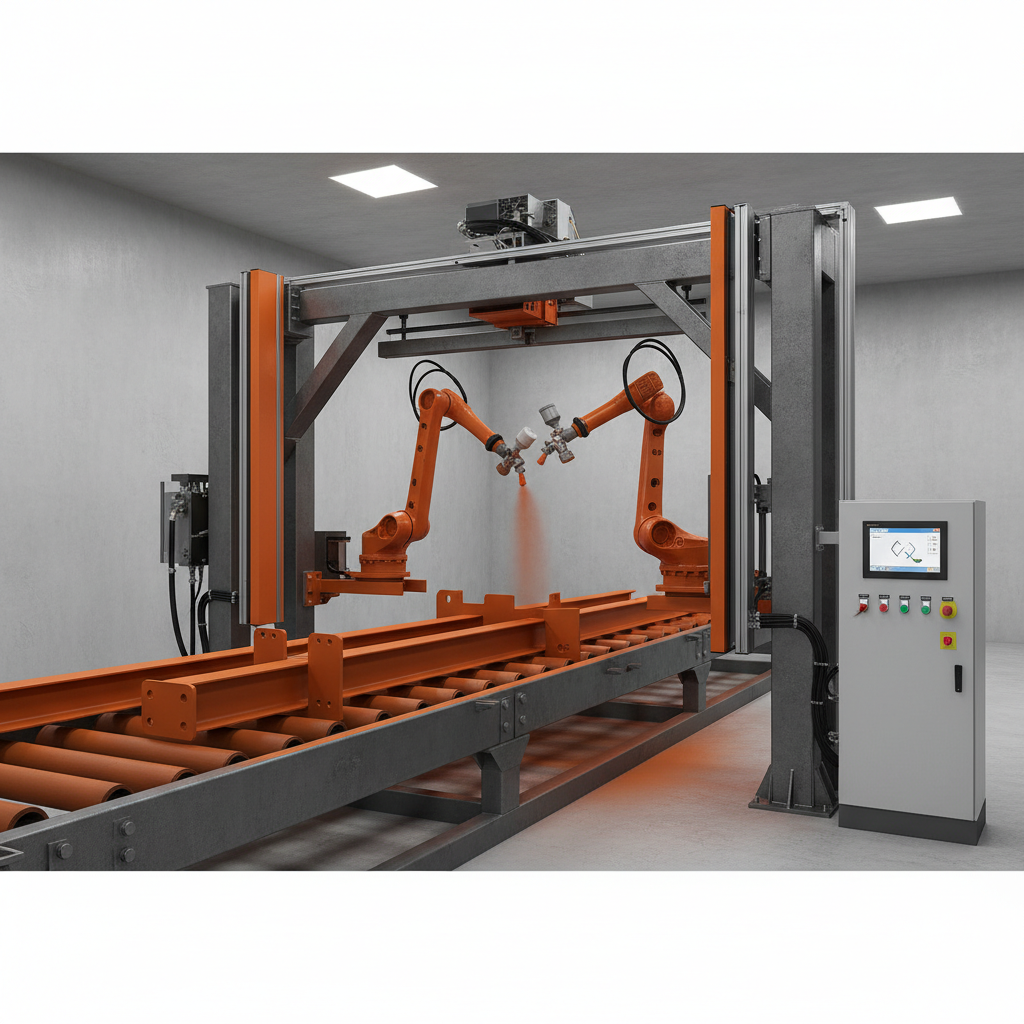
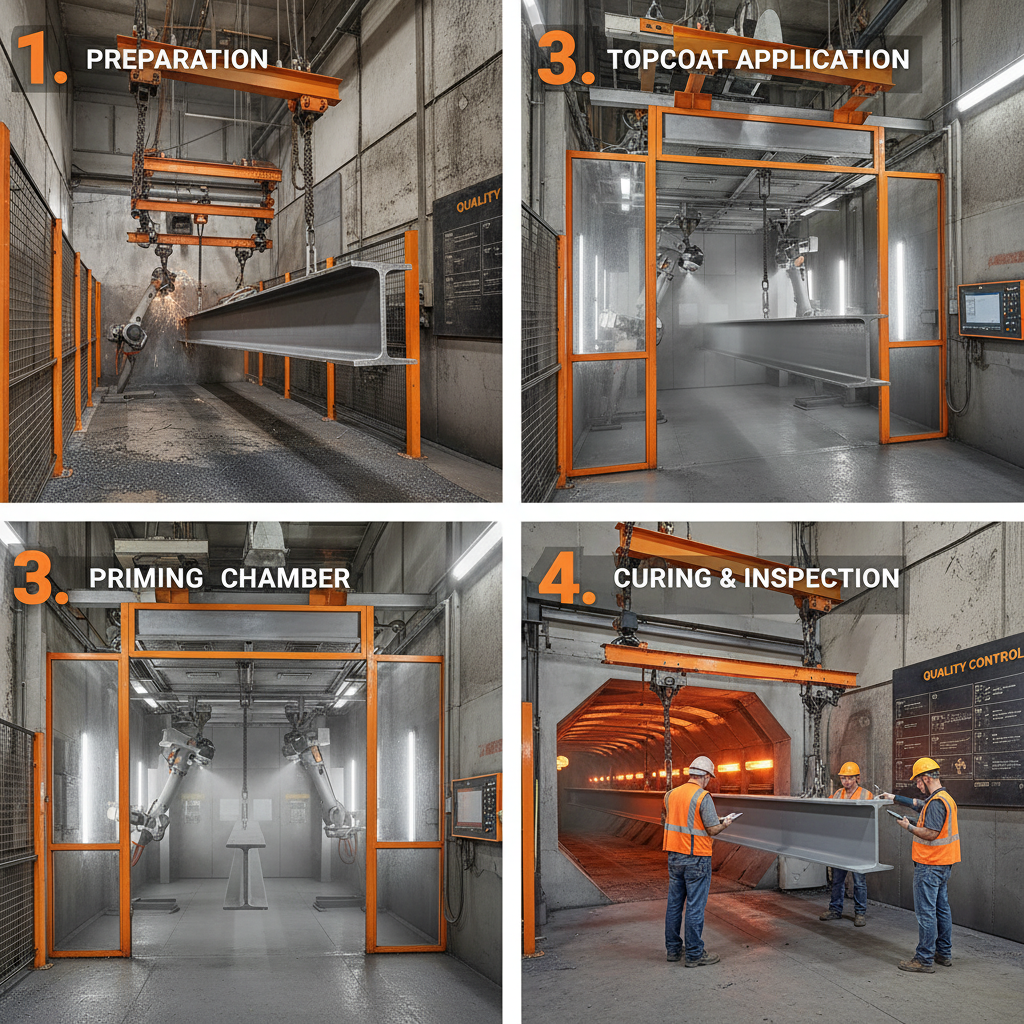
Durability is the primary metric for steel beam manufacturers. This involves not only the chemical composition of the steel but also the application of protective coatings. To prevent oxidation and corrosion, especially in industrial environments where chemicals are present, beams are often galvanized or primed using advanced painting technologies.
Scalability and precision are equally critical. Leading steel beam manufacturers use CNC-controlled cutting and drilling equipment to ensure that every hole and notch is positioned with millimeter precision. This reduces on-site errors and allows for the seamless integration of components like Container Lifting Jacks within a larger structural framework.
Cost efficiency is achieved through the optimization of the "section modulus," which allows engineers to use the least amount of steel possible without compromising safety. By innovating the geometry of the beam, steel beam manufacturers help clients reduce total project weight, thereby lowering transportation costs and foundation requirements.
Practical Applications in Industrial Infrastructure
The application of products from steel beam manufacturers is evident in the design of specialized industrial equipment. For example, the support frames for Welding Fume Extraction Arms must be rigid enough to support the arm's weight while remaining flexible enough to be mounted on existing ceiling structures without causing fatigue failure over time.
In remote industrial zones, such as mining sites or offshore platforms, the reliance on prefabricated beams is absolute. These regions benefit from the ability of steel beam manufacturers to produce modular components that can be shipped in containers and bolted together on-site, drastically reducing the need for complex field welding in harsh environments.
Performance Comparison of Steel Beam Manufacturers' Methods
Long-term Value of Structural Steel Integrity
The tangible benefits of sourcing from reputable steel beam manufacturers include a significant reduction in lifecycle maintenance costs. High-quality steel with precise tolerances prevents the "creep" and deformation that often plague lower-grade materials, ensuring that industrial lines, like the Heavy Steel Structure Painting Line, maintain perfect alignment for decades.
From an emotional and logical perspective, the value lies in safety and trust. Knowing that a structure is supported by certified beams provides peace of mind for workers and owners alike. Innovation in this sector doesn't just mean stronger steel; it means creating a safer environment where the risk of collapse or structural fatigue is virtually eliminated through rigorous testing and quality assurance.
Future Innovations in Steel Fabrication
The future of steel beam manufacturers is inextricably linked to the digital transformation of the industry. The integration of Building Information Modeling (BIM) allows manufacturers to create "digital twins" of every beam, ensuring that the physical product exactly matches the virtual design before a single piece of metal is cut.
Sustainability is also driving a shift toward "Green Steel." By utilizing hydrogen-based reduction instead of coal-fired blast furnaces, steel beam manufacturers are drastically reducing the carbon footprint of construction. This transition is not only an environmental necessity but a commercial advantage as governments implement stricter carbon taxes.
Furthermore, automation through AI-driven robotics is enhancing the precision of welding and finishing. This ensures that the structural integrity of complex assemblies is consistent across thousands of units, allowing for the rapid deployment of standardized industrial modules globally.
Overcoming Challenges in Steel Procurement
One of the most common limitations in current practice is the mismatch between design specifications and available stock. Many projects suffer delays because steel beam manufacturers may not have specific custom sections in stock, leading to costly lead times for specialty orders.
To overcome this, industry experts suggest the adoption of "Just-in-Time" (JIT) delivery systems integrated with the manufacturer's production schedule. By utilizing real-time inventory tracking, project managers can synchronize their construction phases with the production cycles of steel beam manufacturers, ensuring that materials arrive exactly when needed.
Another challenge is the variability in steel quality across different global suppliers. The solution lies in implementing a strict third-party verification process and insisting on Mill Test Reports (MTRs) that document the chemical and physical properties of the steel. This transparency ensures that the structural integrity of the project is never compromised.
Analysis of Steel Beam Manufacturing Standards and Performance
|
Steel Grade/Type
|
Load Bearing Capacity
|
Corrosion Resistance
|
Production Lead Time
|
| ASTM A36 (Standard) |
Moderate (6/10) |
Low (4/10) |
Very Fast |
| ASTM A572 (High-Strength) |
High (9/10) |
Moderate (6/10) |
Fast |
| Weathering Steel (Corten) |
Moderate (7/10) |
Very High (10/10) |
Moderate |
| Stainless Steel (304/316) |
Moderate (6/10) |
Exceptional (10/10) |
Slow |
| Custom Alloy-S |
Extreme (10/10) |
High (8/10) |
Very Slow |
| Recycled Structural Steel |
Moderate (7/10) |
Moderate (5/10) |
Fast |
FAQS
When evaluating steel beam manufacturers, prioritize certifications (such as ISO or AISC), their ability to provide Mill Test Reports (MTRs), and their track record with similar industrial projects. Ensure they have a robust quality control process for dimensional accuracy and protective coating application to avoid long-term structural failure.
It depends on the load distribution. H-beams are generally better for heavy vertical loads, while I-beams are ideal for horizontal spans. Consult with your steel beam manufacturers to calculate the section modulus required for your specific machinery weight to prevent sagging or vibration.
Yes, provided they are produced by reputable steel beam manufacturers using Electric Arc Furnace (EAF) technology. Modern recycled steel is chemically refined to meet the same ASTM or EN standards as virgin steel, offering identical strength and durability while being significantly more eco-friendly.
Lead times vary by complexity and material. Standard sections are often available immediately, but custom-fabricated beams from steel beam manufacturers can take anywhere from 4 to 12 weeks depending on the required coatings and precision drilling. Planning with BIM software can help reduce these delays.
Protective coatings like galvanization or industrial powder coating do not change the load-bearing capacity but are critical for longevity. Top steel beam manufacturers apply these to prevent rust, which would otherwise thin the steel over time and compromise the safety of the structure.
Almost always. Sourcing prefabricated components from steel beam manufacturers reduces on-site labor costs, minimizes welding errors, and significantly shortens the construction schedule. The higher precision of factory settings ensures a better fit, reducing waste and expensive on-site corrections.
Conclusion
In summary, the selection of high-quality steel beam manufacturers is a foundational decision that affects every aspect of a project's success, from the initial load-bearing calculations to the long-term maintenance of industrial infrastructure. By focusing on material grade, dimensional precision, and sustainable production methods, industries can build structures that are not only safe and durable but also economically viable in an increasingly competitive global market.
Looking ahead, the convergence of BIM technology and green metallurgy will redefine how we perceive structural steel. We encourage project managers and engineers to seek partnerships with manufacturers who embrace these innovations, as the shift toward digital fabrication and carbon-neutral steel is no longer optional but a prerequisite for future-proof infrastructure. Visit our website for more professional industrial solutions: www.yeeeed.com