


Where a Fully Automatic Painting Line for Steel Structure Fits in Production
Questions we hear from buyers
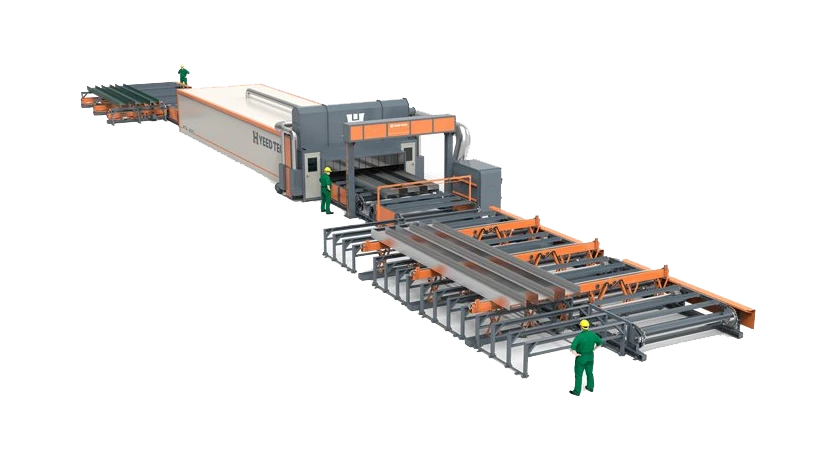
A fully automatic painting line for steel structure fits plants coating large steel components with changing shapes, bolts, brackets, and placement gaps. 3D recognition, programmable nozzles, longitudinal conveying, catalytic infrared drying, and a reciprocating booth connect coating, handling, drying, and treatment. This guide links those functions to the production conditions buyers should check before selecting a line.

Large steel component production
Large steel components create a demanding painting workflow when their shapes include bolts, brackets, gaps, and changing surface directions. The process must follow the component geometry, move heavy workpieces through the line, and keep spray coverage consistent across batches. Manual spraying can bring high labor intensity, unstable coating quality, paint waste, and later repair work.
Our fully automatic painting line for steel structure is built for this production situation. Its 3D scanning system identifies the three-dimensional shape of each component and automatically draws a pattern for painting. The control logic can stop spraying at placement gaps, bolts, and brackets, so paint is applied where the component requires it. Programmed multi-directional spraying supports complex steel geometries and reduces unnecessary coating in selected areas.
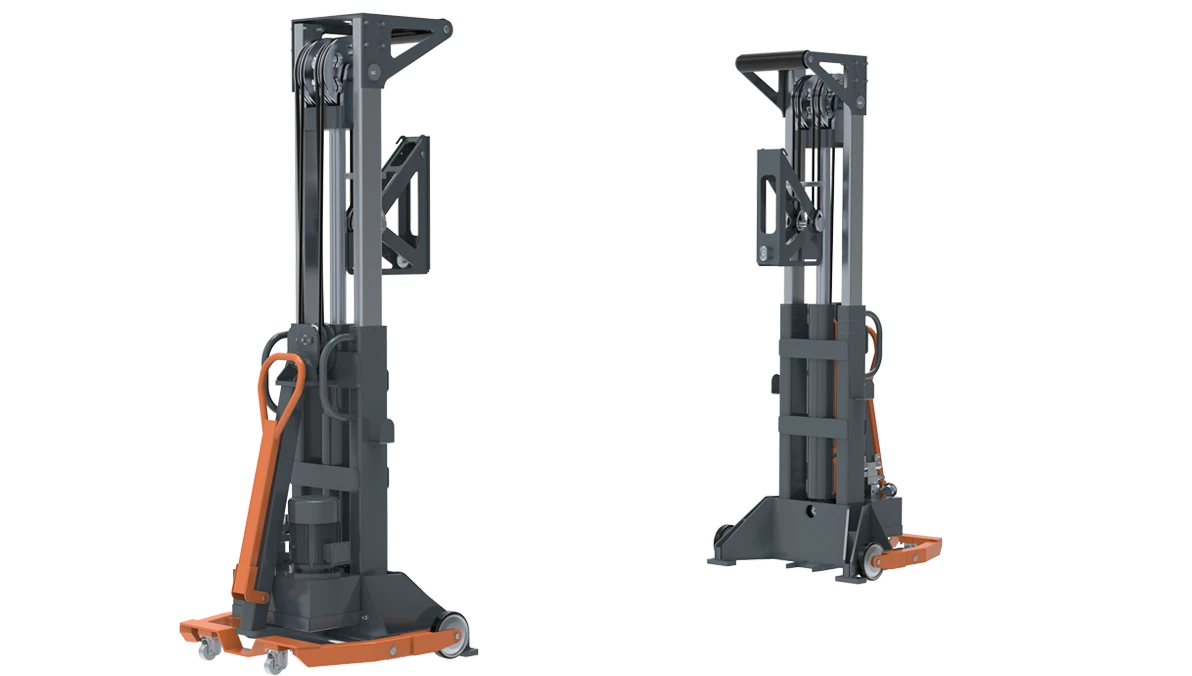
Handling determines whether the line fits your component flow. The chain T-shaped support design keeps the spacing between support points uniform and the contact points aligned with the component. A scissor lift provides a single load-bearing capacity of 3.5T. Multiple safety detection devices support the transportation of components sprayed side by side. Match the lifting and support arrangement with your component size, weight, and transfer method before ordering.
Steel fabrication plants with connected spray and drying
Large components need room to move after coating. A separated drying step can interrupt the route to loading and create a queue around the spray area. The line suits plants that need a controlled path from spraying through drying and onward to loading.
The longitudinal conveying device moves components through the production route. Intelligent adjustment changes the travel distance between batches according to the process, while the fast-chasing function reduces spraying intervals. Automatic adjustment can also change the transportation speed according to the spraying speed. These functions fit successive batches that need coordinated movement through the spray and drying stages.
After spraying, components enter the fast drying area. The integrated route supports assembly-line operation toward loading and reduces the space needed to stack large components between process steps. This arrangement is useful where handling, drying space, and loading flow must be planned together.
Where it is used
Coating lines that need controlled drying and treatment
The drying section uses French Sunkiss Matherm infrared heating plates. Natural gas is mixed with air in a proportioned process and undergoes flameless combustion on the catalyst surface. The process avoids energy loss caused by visible light emitted by gas-phase combustion. For a plant planning the energy source and route after spraying, the catalytic infrared system connects the drying stage with the line’s continuous handling flow.
The booth configuration is another selection point. Our reciprocating paint booth treats paint mist and harmful gases with a lower processing air volume. This supports a plant that must plan environmental treatment around the spray area while maintaining a connected route to drying and loading. Include the booth and treatment arrangement in the process layout, not as a separate afterthought.
How to check the application fit
The line is suited to large steel components that need shape recognition, programmed spray coverage, supported handling, and movement through coating and drying. Check these conditions before discussing the layout:
- Component geometry: identify bolts, brackets, gaps, and placement openings that the scanning system must recognize.
- Handling capacity: compare component weight and lifting arrangements with the scissor lift’s 3.5T single load-bearing capacity.
- Support route: confirm that the chain T-shaped supports match the component contact points and transfer method.
- Spray coverage: review whether programmed multi-directional nozzle control suits the surfaces and orientations in your component mix.
- Batch movement: assess the spacing between batches and the need for fast chasing and intelligent travel adjustment.
- Drying route: reserve a connected path from the reciprocating paint booth to the fast drying area and loading point.
- Treatment planning: include paint mist and harmful gas treatment in the booth layout.
These checks help you match the line to the actual component route, instead of assessing the spray booth alone.
Check before you order
Questions buyers still ask
Can operators run the line through one automatic command?
Yes. The line uses one-click automatic operation. This control mode coordinates the scanning, programmed spraying, conveying, and drying route as one production process. It fits a plant that wants the equipment sequence managed through an automatic operating mode after the component and process arrangement have been set.
How many spray nozzles should the layout accommodate?
The spray configuration has two sets of spray guns, with six nozzles in different directions in each set. The scanning results determine when and which nozzle should turn on. Review the component surfaces and orientations against this arrangement when planning spray coverage for complex steel geometries.
Can transportation speed follow the spraying speed?
Yes. The automatic adjustment function changes transportation speed according to spraying speed. This is separate from intelligent travel-distance adjustment between batches. Together, the functions help coordinate component movement with the active spray process and the spacing required for successive batches.
What fuel arrangement does the infrared drying system use?
The system uses natural gas and air mixed in a certain proportion for flameless combustion on the catalyst surface. French Sunkiss Matherm infrared heating plates provide the heating element. Confirm that this drying arrangement fits the utility and process plan for the line before finalizing the production layout.
Match the line to your component flow
Choose our Steel Structure Automatic Painting Line when your plant coats large steel components and needs scanning-based spray control, supported handling, longitudinal conveying, fast drying, and booth treatment in one route. For a quotation, send the component geometry, maximum weight, batch arrangement, and required spray-to-loading flow.

About the author
The company
Yeed Tech Co.,Ltd.
Yeed Tech Co., Ltd. is an emerging technology enterprise dedicated to intelligent solutions for steel structure production processes. The company has developed a series of new processing equipment that integrates automation, intelligence, integration, safety, and automation to replace traditional manual labor in the production process of steel structures, including cutting, forming, welding, and painting.The main product lines currently on the market include: intelligent spraying lines for steel components,…
About Us ↗Visit company website ↗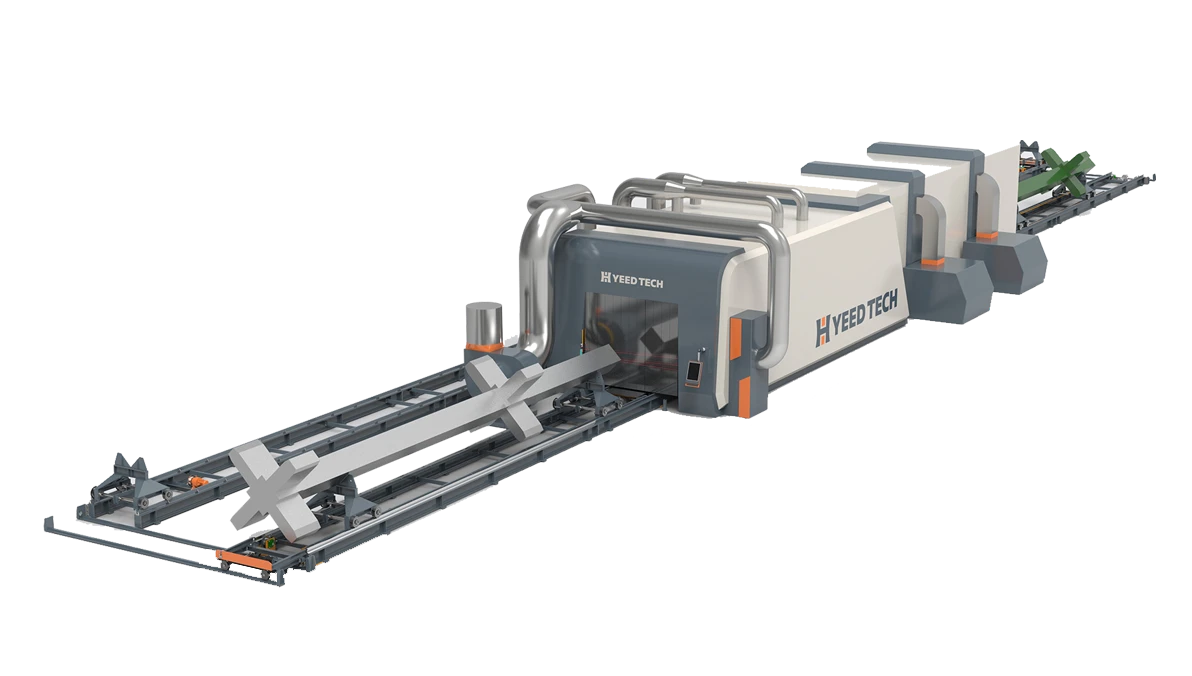
Latest News
-
Container Lifting Jacks: How to Read Capacity, Fit and Control Specifications
NewsNov.09,2026 -
Steel Structure Painting Questions for Heavy Component Lines
NewsNov.02,2026 -
Comparing Container Lifting Jacks Options: Specifications, Materials and Supplier Documentation
NewsOct.28,2026 -
Choosing a Welding Fume Extraction Arm: Application Fit and Specification Checks
NewsOct.22,2026 -
Industrial Storage Guide for Large Steel Shed and Efficiency
NewsJul.01,2026 -
Analyzing RSJ Beam Cost and Structural Steel Investment Guide
NewsJun.29,2026 -
High Performance Industrial Steel Huts for Durable Storage
NewsJun.27,2026


