Determining the steel column price involves more than just weighing raw metal. For B2B procurement managers and structural engineers, the total cost of vertical steel supports is a composite of material grades, fabrication precision, and the quality of protective coatings. Understanding these drivers is essential for optimizing project budgets without compromising structural integrity.
In the industrial construction sector, a vertical steel column price varies significantly based on the intended load-bearing capacity and the environment in which it will operate. Whether the components are destined for a high-humidity coastal area or a controlled indoor warehouse, the specifications for corrosion resistance and surface finishing directly impact the final invoice and the long-term durability of the asset.
This guide provides a detailed breakdown of the technical and commercial factors that influence pricing. Readers will learn how to evaluate supplier quotes, the impact of automation on fabrication costs, and how to balance initial procurement expenditure with the total cost of ownership over the building's lifecycle.
Factors Influencing Steel Support Costs
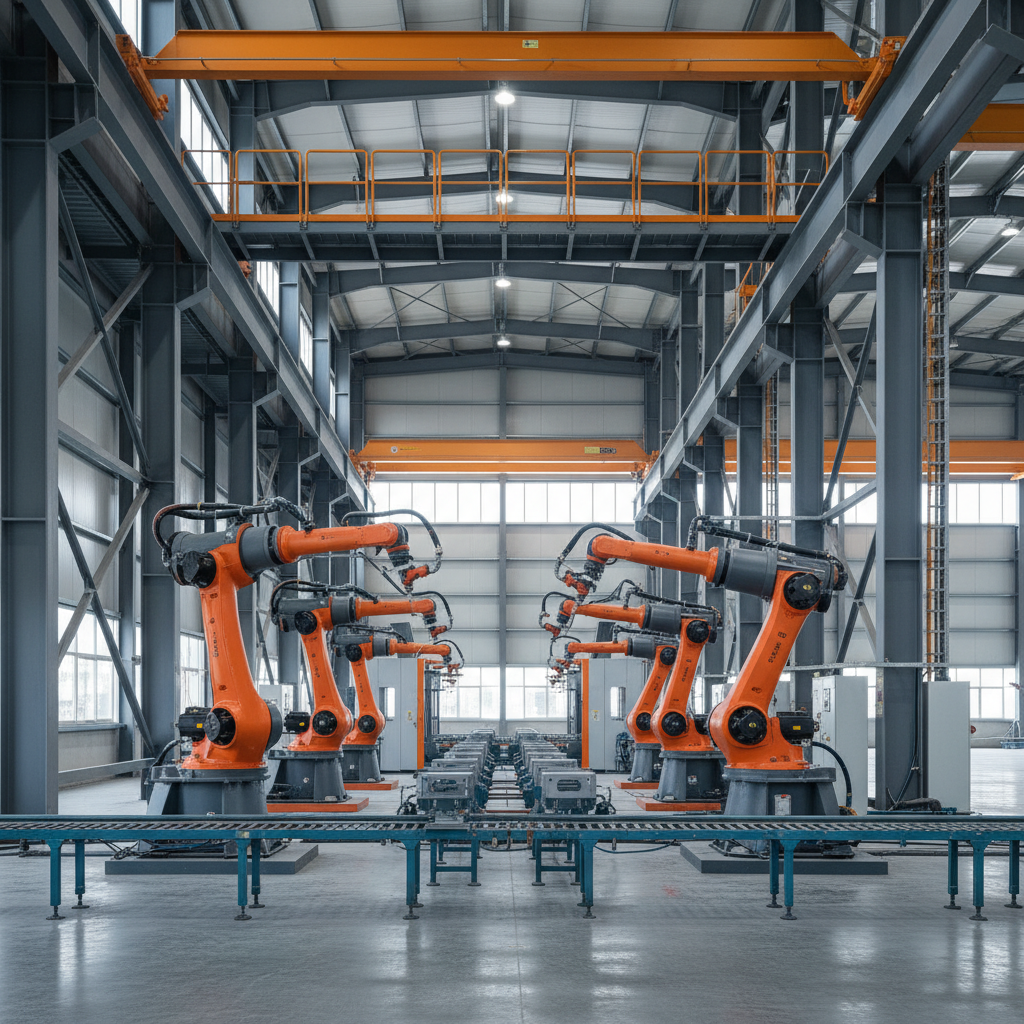
The pricing of structural steel members is primarily driven by the global commodities market and the localized costs of fabrication. Raw steel costs are volatile, often fluctuating based on energy prices and trade policies. However, for specialized industrial columns, the "value-add" phase—cutting, welding, and coating—often represents a substantial portion of the total cost. Precision engineering reduces material waste and ensures that the components fit perfectly during on-site assembly, which can lower overall project costs even if the initial component price is higher. Furthermore, the transition from manual labor to intelligent automation in the production line is currently redefining how fabrication costs are calculated, shifting the focus from man-hours to machine efficiency and consistency.
Comprehensive Cost and Value Analysis
To accurately assess the value of a quote, one must analyze the interaction between technical specifications and production methods. The following sections examine the seven primary dimensions that dictate the final cost and operational value of steel structural components.
Material Grade and Weight
The thickness of the steel plate and the grade (e.g., Q355 or A36) are the most immediate price drivers. Heavier sections provide greater load capacity but increase shipping costs and material spend. Procurement specialists should evaluate if high-strength steel can reduce the overall volume of material needed, potentially lowering the total cost despite a higher price per ton.
| Material Factor | Impact on Cost | Technical Consideration | Buyer's Check |
|---|---|---|---|
| Steel Grade | Moderate to High | Yield Strength | Certificates of Compliance |
| Wall Thickness | Direct Linear | Load Bearing | Weight per Linear Meter |
| Custom Alloys | High | Corrosion Resistance | Environmental Suitability |
| Section Shape | Moderate | Torsional Rigidity | Standard vs Custom Profiles |
| Tolerances | Moderate | Fit-up Precision | Fabrication Standards |
| Raw Material Source | Variable | Supply Chain Stability | Lead Time Guarantees |
Surface Treatment Requirements
Surface preparation and coating are critical for preventing oxidation. Manual spraying often leads to uneven thickness and wasted paint, which can inflate costs through labor and material inefficiency. In contrast, automated solutions, such as the intelligent spray painting lines developed by Yeed Tech, utilize 3D scanning to identify component shapes, ensuring paint is applied only where needed and avoiding gaps or bolts, thereby reducing waste and improving the consistency of the finish.
Manufacturing Precision
The method of cutting and forming influences the final quality. High-power laser cutting machines for steel structures offer superior precision compared to traditional plasma cutting. While the hourly rate for laser processing may be higher, the reduction in subsequent grinding and repair work typically leads to a more cost-effective overall production cycle.
Structural Complexity
Columns with integrated brackets, base plates, and complex welding joints require more engineering hours and specialized equipment. The use of gas shielded welding machine operating arm systems can standardize these joints, reducing the risk of human error and ensuring that the structural integrity meets strict safety codes without requiring expensive manual rework.
Logistics and Installation
The physical dimensions of structural members can push them into "oversized load" categories, significantly increasing transportation costs. Optimizing the design for modularity or ensuring that the components are painted and finished before shipping—using high-efficiency drying systems—minimizes on-site labor and avoids the costly delays associated with field-painting in adverse weather.
Protective Coating Efficiency
The cost of protection is not just the paint, but the energy used for curing. Systems utilizing natural gas catalytic infrared radiation drying are more energy-efficient than traditional ovens. By avoiding energy loss from visible light and focusing heat on the catalyst surface, manufacturers can lower their operational overhead, a saving that can be passed down to the buyer in the form of more competitive pricing.
Lifecycle Maintenance Value
A lower initial purchase price can be a trap if the coating fails prematurely. High-quality, automated painting ensures a uniform coating thickness, which extends the interval between maintenance cycles. Evaluating a supplier's ability to provide long-term technical support and equipment file retention (up to 30 years, as offered by Yeed Tech) ensures that future replacements or modifications can be executed with exact original specifications.
FAQ
What are the primary drivers of structural steel costs?
The main drivers include the raw material cost (determined by weight and grade), the complexity of the fabrication (cutting and welding), and the specifications for surface treatment. Additionally, the level of automation used in production affects the cost—automated lines generally reduce waste and labor costs, which can result in more stable pricing for the end customer.
How does automated painting affect the total cost of a steel component?
Automated painting reduces the cost per unit by minimizing paint waste and eliminating the need for extensive manual repair. Systems that use 3D scanning can intelligently avoid spraying on bolts or brackets, while infrared drying reduces energy consumption. This leads to a more uniform finish that extends the product's life and reduces long-term maintenance expenditures.
Should I prioritize the lowest quote for steel structural members?
Prioritizing the lowest quote can be risky if it implies inferior surface preparation or manual fabrication with poor tolerances. Inconsistent coatings lead to premature corrosion, and poor fit-up increases on-site installation time. It is better to evaluate the total cost of ownership, including the quality of the finish and the supplier's capacity for technical support.
What technical specifications should I check in a supplier's proposal?
Check for the specific steel grade, the exact thickness of the protective coating, and the method of fabrication (e.g., laser vs. plasma cutting). You should also ask about the drying process used for the paint and whether the supplier maintains digital records of the equipment files for future maintenance or expansion.
How does the environmental location affect the price of steel supports?
Columns intended for corrosive environments (like chemical plants or coastal regions) require specialized primers and thicker topcoats. These requirements increase the material cost and the time needed for the curing process. Selecting a supplier with integrated, intelligent spraying lines ensures these strict specifications are met consistently without excessive manual labor costs.
What is the benefit of infrared drying in the production of steel columns?
Infrared drying, specifically catalytic infrared radiation, is far more efficient than traditional gas heating because it avoids energy loss from visible light. It provides a faster and more uniform cure for the paint, which allows for quicker turnover in the production line and reduces the carbon footprint and energy costs of the fabrication process.
References and further reading
- American Institute of Steel Construction (AISC) - Standards for Structural Steel Fabrication.
- ISO 12944 - Corrosion protection of steel structures by protective paint systems.
- ASTM International - Standard Specifications for Carbon Structural Steel.
Related Articles