The global structural steel market is currently experiencing significant volatility, leaving many procurement managers questioning the stability of the h beam price per kg. As raw material costs and energy surcharges fluctuate, the ability to predict structural costs has become a critical component of project feasibility studies in the construction and heavy machinery sectors.
This pricing instability is not merely a financial concern but a technical one; the shift toward higher-grade alloys and more stringent environmental standards for steel production is redefining how we calculate value. Engineers must now balance the immediate cost of the beam against the long-term lifecycle costs, including the precision of fabrication and the quality of surface protection.
In this technical analysis, we examine the variables influencing steel structural costs and how automated processing can offset material price hikes. To optimize the total cost of ownership for steel components, industry leaders are integrating advanced solutions like the h beam price per kg related processing systems to ensure efficiency.


The h beam price per kg is fundamentally tied to the global iron ore index and coking coal availability. However, the "hidden" costs lie in the energy-intensive nature of the rolling process and the logistical complexities of transporting oversized structural members.
Beyond raw materials, the cost is heavily influenced by the production method—whether utilizing traditional blast furnaces or the more sustainable Electric Arc Furnaces (EAF). The latter is increasingly becoming a price driver as carbon taxes and green steel mandates enter the regulatory landscape.
Steel grades, such as ASTM A36 or A992, directly correlate with the market rate. A992 is often preferred for wide-flange beams due to its superior yield strength and weldability, which justifies a premium over basic carbon steels.
From an engineering perspective, selecting a higher-grade steel can actually reduce the total project cost by allowing for smaller section sizes to carry the same load, effectively reducing the total tonnage required despite a higher price per kg.
Moreover, tolerances in thickness and flange width play a role. Precision-rolled beams that meet tighter aerospace or high-tech industrial standards command a higher price point because they reduce the need for secondary machining and fitting during assembly.
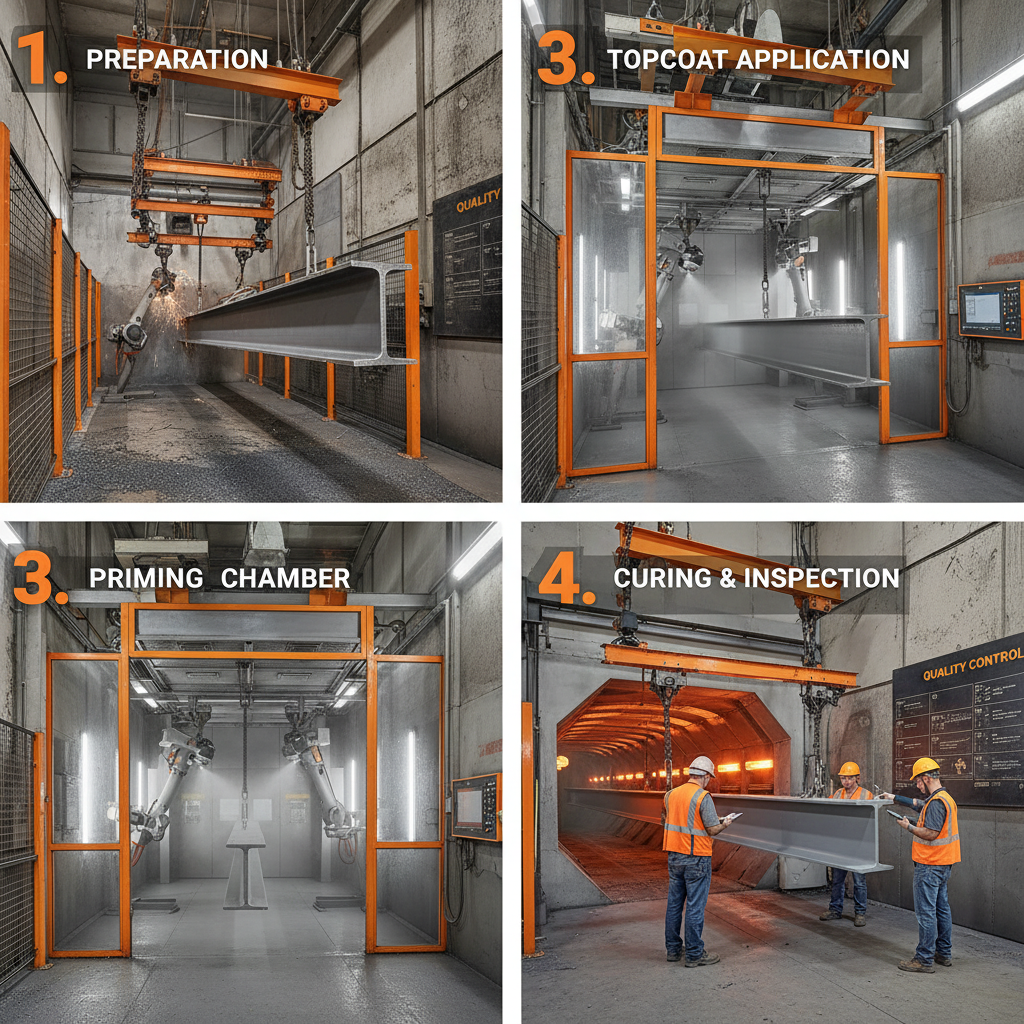
The raw h beam price per kg is only the starting point of the expense. The true cost of a structural component is determined by the efficiency of its post-production processing, specifically cutting, welding, and coating.
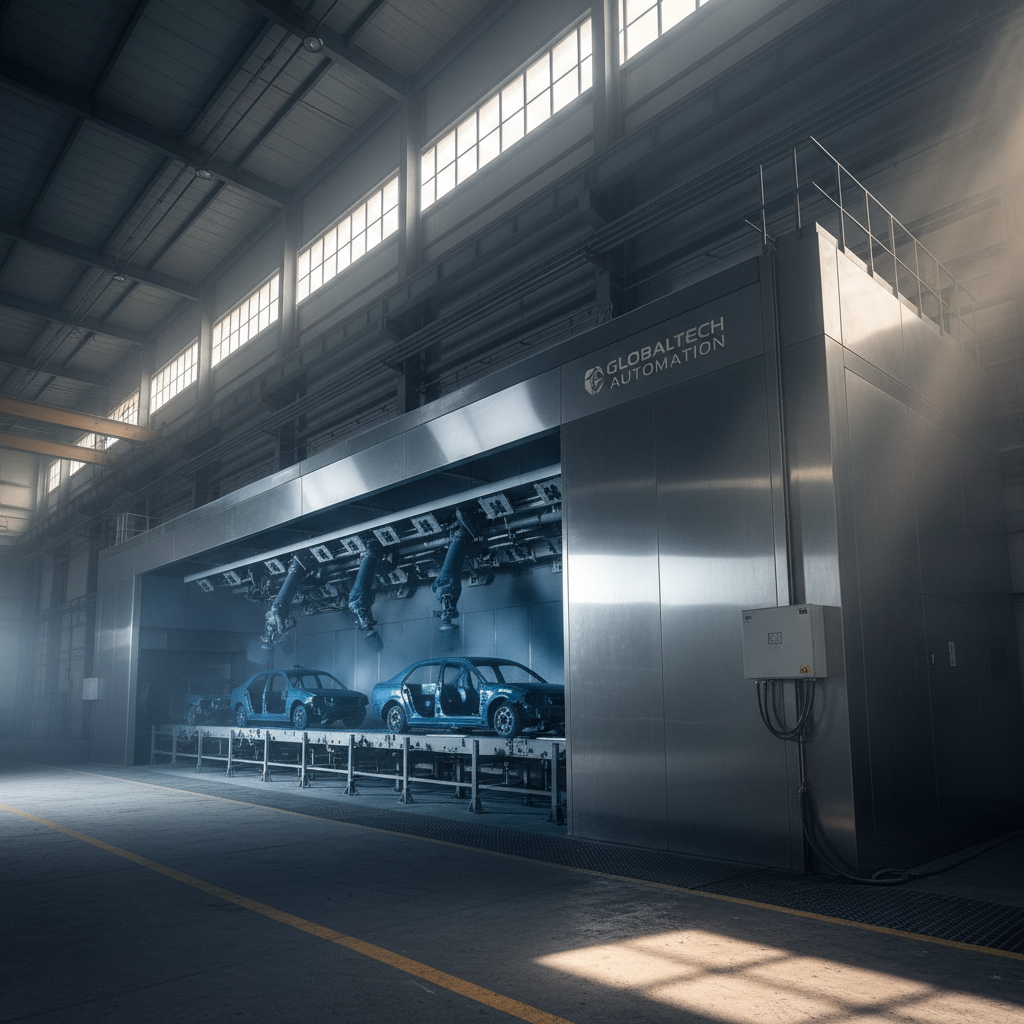
When painting processes are automated, the reduction in "over-spray" and the ability to use catalytic infrared radiation drying systems significantly lower the operational overhead, effectively mitigating the impact of fluctuating steel prices.
Understanding the relationship between steel grade and its economic impact requires a normalized view of performance. While basic carbon steel offers the lowest entry price, high-strength low-alloy (HSLA) steels provide a better strength-to-weight ratio.
The following data represents a normalized engineering assessment of how different structural profiles balance cost-efficiency against load-bearing capacity.
In typical deployment scenarios, such as industrial warehouse framing or high-rise skeletal supports, the h beam price per kg is a primary variable in the initial budget. However, in corrosive environments—such as chemical plants or coastal bridges—the focus shifts from the beam's price to the coating's durability.
For these representative engineering scenarios, the use of fully automatic intelligent production lines ensures that the protective coating is uniform and cost-effective. By integrating 3D scanning of steel components, the system avoids painting bolts and brackets, optimizing material usage and ensuring that the high cost of high-grade steel is protected by an equally high-grade finish.
The industry is moving toward a "Digital Twin" model where the h beam price per kg is tracked in real-time alongside the digital fabrication model. This allows engineers to adjust designs dynamically based on current market prices of different steel grades.
We anticipate a rise in the integration of gas-shielded welding operating arm systems and automated smoke control, which will further reduce the manpower costs associated with structural steel fabrication.
Environmental regulations will likely force a transition toward flameless combustion and catalytic infrared drying, reducing the carbon footprint of the finishing process and potentially lowering the operational costs for enterprises investing in these technologies.
Selecting the right structural profile requires a trade-off analysis between material strength and the cost of processing. The h beam price per kg must be weighed against the complexity of the required surface treatment.
The following matrix provides an evaluation framework for different configuration types based on industry baselines and typical engineering requirements.
This framework allows buyers to determine whether to prioritize raw material cost or long-term operational efficiency through automation.
| Configuration Type | Material Profile | Processing Factor | Recommended Use Case |
|---|---|---|---|
| Basic Configuration | A36 Carbon Steel | Manual Spraying | Temporary Structures |
| Standard Configuration | A992 Structural Steel | Semi-Automated | Commercial Framing |
| High-Duty Configuration | HSLA Grade | Full Auto-Line | Industrial Warehouses |
| Precision Configuration | Tight-Tolerance Rolled | 3D Scan-Matched | Heavy Machinery Bases |
| Automated Configuration | A992 / Alloy Mix | Intelligent Coating | Mass-Produced Modules |
| Industry Baseline | Market Average Grade | Standard Industrial | General Construction |
The primary drivers are the global cost of iron ore, coking coal, and energy prices. Additionally, the steel grade (e.g., A36 vs. A992) and the production method (Blast Furnace vs. Electric Arc Furnace) create price variances. Regulatory carbon taxes and tariffs also introduce regional fluctuations in market rates.
Yes. While automation doesn't lower the raw material cost, it drastically reduces the "cost-to-finish." By utilizing 3D scanning to avoid over-spraying and employing efficient infrared drying systems, enterprises can reduce labor costs and paint waste, improving the overall project margin.
Higher-grade steels with higher yield strengths allow engineers to specify smaller, lighter beams to support the same load. This can reduce the total tonnage of steel required, meaning that even if the price per kg is higher, the total material expenditure may decrease.
Catalytic infrared systems provide flameless combustion, which ensures more uniform heating and eliminates the energy loss typical of gas-phase combustion. This leads to faster curing times and a more durable coating, reducing future maintenance costs for the structure.
Buyers should evaluate the precision of the 3D scanning system, the flexibility of the spray gun programming (number of nozzles and directions), and the efficiency of the drying system. A system that can intelligently stop spraying on bolts and brackets is superior for reducing material waste.
Poor uniformity leads to localized corrosion, especially at weld points and edges. This necessitates frequent paint repairs and structural inspections. Automated lines ensure a balanced coating thickness, which significantly extends the service life of the structural steel.
The volatility of the h beam price per kg necessitates a shift in how structural projects are managed. Relying solely on raw material price forecasting is no longer sufficient; the focus must move toward optimizing the fabrication and finishing lifecycle to recover margins.
By integrating intelligent automation, such as the solutions found at h beam price per kg related processing facilities, companies can achieve a balance between material cost, production quantity, and final quality, ensuring structural integrity while remaining economically competitive.