


Superior Structural Coating | Durable Steel Protection
Industry Trends in Heavy Steel Structure Protection
The demand for robust and sustainable protection of industrial assets continues to drive innovation in the field of structural coating. With global infrastructure projects accelerating and the lifespan of critical assets needing extension, the industry is witnessing a shift towards advanced, high-performance coating systems. Key trends include the adoption of environmentally friendly formulations (e.g., low VOC, waterborne coatings), automation in application processes to ensure consistency and efficiency, and the integration of smart monitoring technologies to predict coating performance and maintenance cycles. Furthermore, specialized coatings are gaining prominence to address extreme environmental conditions, such as high temperatures, corrosive chemicals, and abrasive wear, particularly in sectors like petrochemicals, marine engineering, and renewable energy.
The emphasis on reducing operational costs, minimizing downtime, and complying with stringent environmental regulations is pushing manufacturers and service providers to invest in state-of-the-art technologies. This includes sophisticated spray painting line equipment that can handle diverse coating chemistries and complex structural geometries. The overarching goal is to deliver superior protection that not only preserves the structural integrity of steel assets but also contributes to enhanced safety and long-term economic viability. As steel structures become larger and more intricate, the precision and quality of the coating application become paramount, leading to a greater reliance on automated and semi-automated painting solutions.
Understanding Heavy Steel Structure Painting Lines
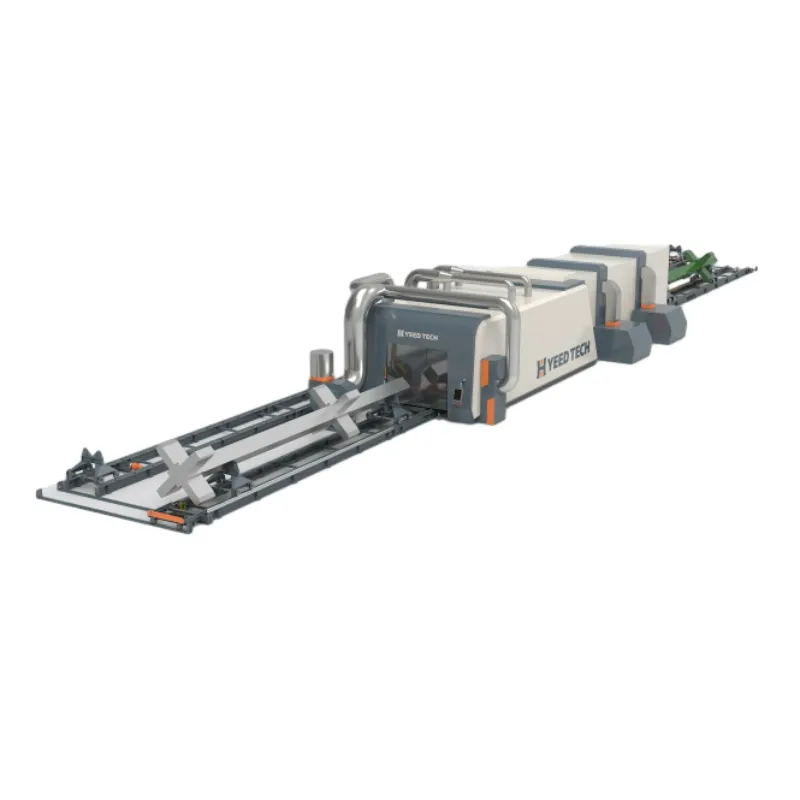
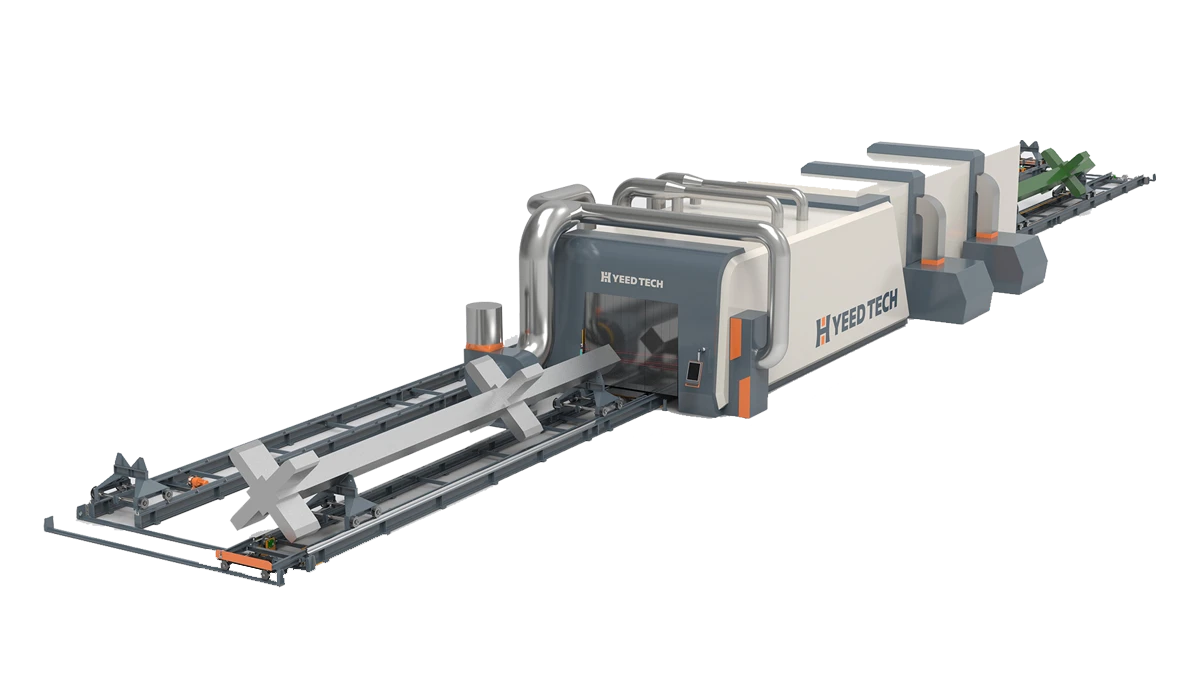
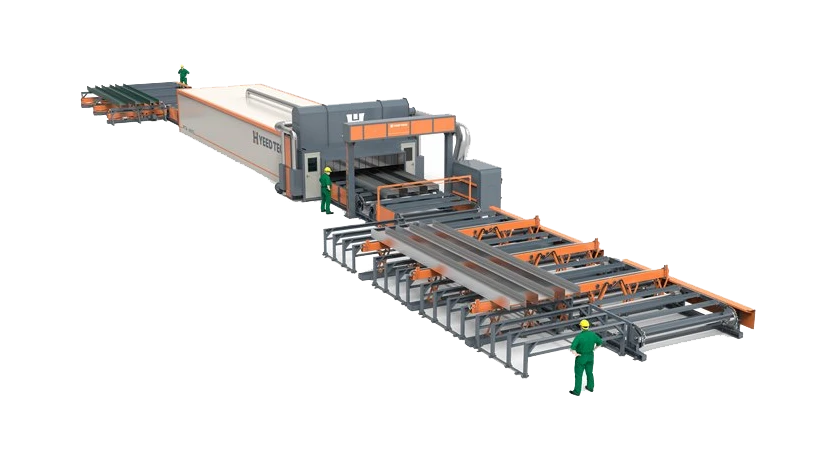
A Heavy Steel Structure Painting Line represents a comprehensive industrial system designed for the efficient and high-quality application of protective coatings onto large and complex steel components. These lines are crucial for ensuring the longevity and performance of steel structures used in demanding environments. The process encompasses several critical stages, from initial surface preparation to final curing and inspection, each meticulously controlled to achieve optimal adhesion, durability, and aesthetic finish of the structural coating.
Key components of such a line typically include blasting chambers for surface profiling, pre-treatment stations (degreasing, phosphating), advanced spray painting booths with automated or robotic systems, flash-off zones, and curing ovens. The selection of materials, specifically the coating types (e.g., epoxies, polyurethanes, zinc-rich primers, alkyds), is critical and depends entirely on the intended service environment, expected service life, and specific protective requirements against corrosion, abrasion, or chemical exposure. The overall goal is to reduce structural steel painting cost over the lifecycle of the asset by providing a durable, long-lasting protective layer.
Detailed Process Flow of Structural Coating Application
The application of a high-quality structural coating involves a meticulously orchestrated sequence of operations. This process flow ensures maximum adhesion, uniform thickness, and optimal performance of the protective layer. The steps are designed to meet stringent industry standards such as ISO 8501 for surface preparation and ISO 12944 for corrosion protection of steel structures.
- 1. Surface Preparation (Blast Cleaning): This is the most critical stage. Steel structures are passed through a shot blasting machine. Abrasive media (e.g., steel shot, grit) are propelled at high velocity to remove rust, mill scale, old paint, and other contaminants. The goal is to achieve a specific surface profile (e.g., Sa 2½ or Sa 3 according to ISO 8501-1) for optimal coating adhesion. Materials used for blasting media are precisely chosen for their abrasive properties and recycling capabilities.
- 2. Pre-treatment (Optional, but Recommended): Depending on the coating system and service environment, structures may undergo degreasing, washing, or even phosphating to enhance corrosion resistance and paint adhesion. This prepares the surface for subsequent coating layers.
- 3. Dust Removal & Inspection: After blasting, residual dust and abrasives are thoroughly removed using high-pressure air blowers or vacuum systems. The prepared surface is then inspected for cleanliness, profile, and absence of defects, ensuring it meets specified standards.
- 4. Primer Application: The first layer of structural coating, typically an anti-corrosive primer (e.g., zinc-rich epoxy primer), is applied. This layer provides primary corrosion protection and serves as a bonding layer for subsequent coats. Application is often done using automated spray painting line equipment, ensuring uniform film thickness.
- 5. Intermediate Coat Application: Following the primer's flash-off period, an intermediate coat (e.g., high-build epoxy) is applied. This layer builds film thickness, enhances barrier protection, and can improve adhesion between the primer and topcoat.
- 6. Topcoat Application: The final layer, or topcoat (e.g., polyurethane, fluoropolymer), is applied. This coat provides the aesthetic finish, UV resistance, chemical resistance, and further enhances the overall durability of the protective system. Robotic spray systems are increasingly used here for precision.
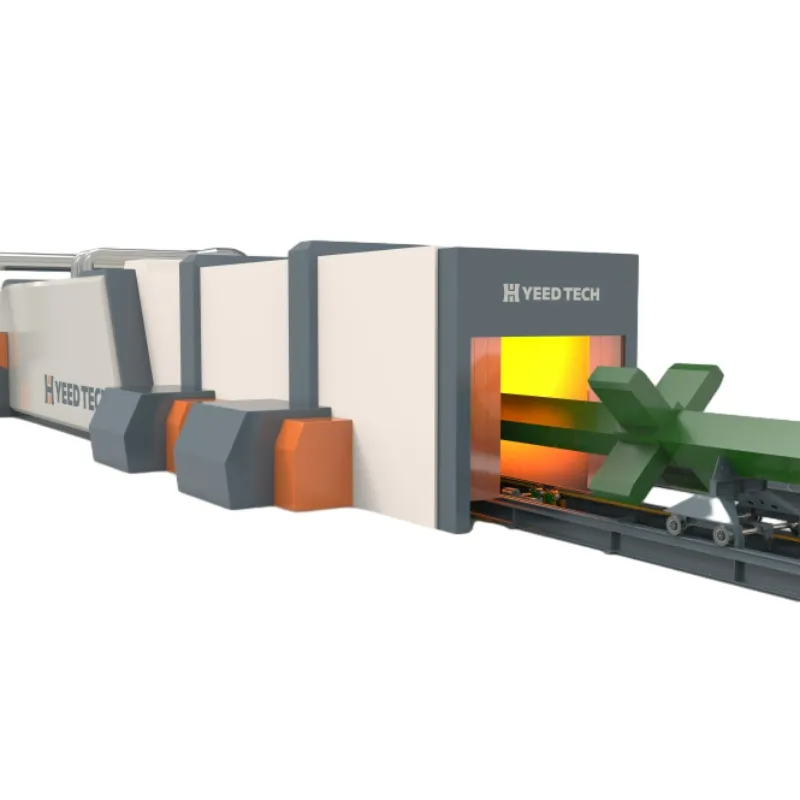
- 7. Curing/Drying: After each coat application, the coated structure moves into a flash-off zone or curing oven. Controlled temperature and humidity accelerate the drying and curing process, ensuring proper cross-linking of the coating films, which is crucial for achieving full mechanical and chemical properties.
- 8. Quality Control & Inspection: Post-curing, the structures undergo a final comprehensive inspection. This includes measuring dry film thickness (DFT) using non-destructive methods (e.g., eddy current or magnetic induction gauges), checking for adhesion (cross-cut test per ASTM D3359), gloss, color, and visual defects. Non-conforming products are routed for touch-up or re-processing.
- 9. Packaging & Dispatch: Once approved, the finished components are carefully packaged to prevent damage during transport and then dispatched.
This meticulous process ensures that the applied structural coating provides optimal protection, extends the service life of the steel components, and reduces the overall structural steel painting cost through minimized maintenance.
Technical Specifications and Performance Parameters
Our Heavy Steel Structure Painting Line is engineered to deliver precise and consistent application of structural coating, adhering to global technical standards. The system's design focuses on optimizing throughput, quality, and environmental compliance.
Heavy Steel Structure Painting Line – Key Specifications
| Parameter | Specification | Notes/Standards |
|---|---|---|
| Max Workpiece Dimensions (L x W x H) | Customizable, e.g., 25m x 3m x 3m | Adjustable based on client requirements |
| Surface Preparation Standard | Sa 2½ (Near-white metal) to Sa 3 (White metal) | ISO 8501-1; Automatic shot blasting efficiency >98% |
| Coating Application Method | Airless Spray, Electrostatic Spray, Robotic Application | Ensures uniform thickness and reduced overspray |
| Typical Dry Film Thickness (DFT) Range | 150 - 500 microns (multi-coat systems) | Conforms to ISO 12944 standards for C3-C5 corrosion classes |
| Curing Temperature Range | Ambient to 80°C (176°F) | Controlled via PLC for different coating types |
| Conveyor Speed | 0.5 - 3.0 m/min (variable) | Optimized for various workpiece sizes and coating cure times |
| Corrosion Resistance | Exceeds 2,000 hours Salt Spray (ASTM B117) | Typical for multi-coat epoxy/polyurethane systems |
| Adhesion Strength | >5 MPa (725 psi) | ASTM D3359 Cross-cut test (5B rating) |
| VOC Emissions Control | Integrated exhaust and filtration systems | Compliance with local environmental regulations |
| Automation Level | Semi-automated to Fully Automated (PLC controlled) | Reduces labor costs and improves consistency |
Estimated Service Life of Structural Coatings
| Corrosivity Category (ISO 12944-2) | Typical Environment | Coating System Examples | Expected Service Life Range (Years) |
|---|---|---|---|
| C3 (Medium) | Urban and industrial atmospheres, moderate humidity | Epoxy primer + Epoxy mid-coat + Polyurethane topcoat | 15-25 |
| C4 (High) | Industrial areas, coastal areas with low salinity | Zinc-rich epoxy primer + High-build epoxy mid-coat + Polyurethane topcoat | 20-30 |
| C5-I (Very High Industrial) | Aggressive industrial areas with high humidity and pollution | Inorganic zinc primer + Multi-layer epoxy + Fluoropolymer topcoat | 25+ |
| C5-M (Very High Marine) | Coastal and offshore areas with high salinity | High-build zinc-rich epoxy primer + Epoxy barrier coat + Polysiloxane topcoat | 25+ |
These specifications underscore our commitment to delivering precise, high-performance coating solutions, directly impacting the longevity and maintenance costs of industrial assets. Our systems are designed to minimize structural steel painting cost through efficiency and durability.
Technical Advantages of Our Structural Coating Systems
Our heavy steel structure painting lines offer a myriad of technical advantages that translate into significant operational benefits for our clients. These advantages stem from advanced engineering, precision manufacturing, and a deep understanding of protective coating science.
- Superior Corrosion Resistance: By employing multi-layer coating systems with optimal film thicknesses and highly effective primers (e.g., zinc-rich formulations), our lines ensure unparalleled protection against various forms of corrosion, extending asset life significantly in aggressive environments. This minimizes the need for frequent maintenance and repainting.
- Enhanced Durability and Abrasion Resistance: The precise application and controlled curing processes create a dense, hard coating film that resists mechanical abrasion, impact, and chemical exposure, crucial for structures subjected to harsh operational conditions.
- Consistent Quality and Uniformity: Automated spray painting line equipment, including robotic systems, eliminates human error, ensuring highly uniform dry film thickness (DFT) and consistent finish across the entire structure, regardless of complexity. This consistency is vital for long-term performance of the structural coating.
- Energy Efficiency: Our curing ovens are designed with advanced insulation and recirculation systems, significantly reducing energy consumption. For instance, intelligent temperature controls can reduce heating costs by up to 20% compared to conventional systems.
- Environmental Compliance: Integrated VOC abatement systems, efficient paint utilization (reduced overspray), and the capability to handle low-VOC and waterborne coatings ensure adherence to strict environmental regulations, contributing to a greener operational footprint.
- Increased Throughput and Efficiency: High-speed material handling, optimized process sequencing, and rapid curing mechanisms drastically reduce cycle times, leading to higher production volumes and lower structural steel painting cost per unit.
- Reduced Labor Costs: Automation in blasting and painting reduces the reliance on manual labor, leading to substantial savings in personnel costs and improving workplace safety.
- Advanced Control Systems: PLC-based control systems with intuitive HMI (Human-Machine Interface) allow for precise parameter adjustment, real-time monitoring, and data logging, facilitating process optimization and quality assurance.
These technical superiorities underscore our commitment to providing solutions that not only protect assets but also contribute significantly to the operational efficiency and economic viability of industrial projects.
Application Scenarios and Target Industries
The robust protection offered by our structural coating systems is indispensable across a broad spectrum of heavy industries where steel structures are foundational elements. Our painting lines are designed to cater to the unique demands of each sector, ensuring optimal performance and longevity.
- Petrochemical and Oil & Gas: In environments exposed to highly corrosive chemicals, extreme temperatures, and volatile hydrocarbons, robust anti-corrosion coatings are vital for pipelines, storage tanks, refining equipment, and offshore platforms. Our systems apply specialized chemical-resistant and fire-retardant coatings.
- Metallurgy and Mining: Heavy machinery, conveyor systems, structural frameworks, and smelting equipment in these industries face severe abrasion, high temperatures, and corrosive dust. Our lines can apply hard-wearing, anti-abrasion coatings to protect against rapid wear and tear.
- Water Supply & Drainage: Infrastructure like water treatment plants, pumping stations, and large diameter pipes require coatings that are non-toxic, provide excellent adhesion in submerged conditions, and resist biofilm growth. Epoxy and polyurethane linings are commonly applied here.
- Bridge and Civil Infrastructure: Long-span bridges, railway structures, and large building frameworks require coatings that offer long-term weather resistance, UV stability, and resistance to environmental pollutants. Aesthetic considerations are also important, achieved through high-quality topcoats.
- Power Generation (Conventional & Renewable): Steel components in power plants, wind turbine towers, and solar panel support structures need protection against atmospheric corrosion, UV radiation, and in some cases, heat. Coatings for wind towers, for instance, must endure extreme weather conditions for decades.
- Marine and Shipbuilding: Hulls, decks, superstructures, and offshore assets are constantly exposed to saltwater, humidity, and abrasion. Specialized marine coating systems, including anti-fouling and anti-corrosive layers, are applied to withstand the harsh marine environment.
The versatility and adaptability of our Heavy Steel Structure Painting Line allow us to deliver customized solutions that meet the specific performance and regulatory requirements of these diverse, critical industries. This directly impacts the long-term operational costs and safety standards of their assets, offering a strategic advantage in managing structural steel painting cost effectively.
Vendor Comparison: Key Differentiators
When selecting a supplier for a heavy steel structure painting line, discerning buyers look beyond initial investment to long-term operational efficiency, quality, and support. Our distinction lies in a holistic approach to providing superior structural coating solutions.
Comparison Factors for Painting Line Vendors
| Feature/Criteria | Our Offering | Typical Competitor Offering |
|---|---|---|
| Automation & Robotics Integration | High level (PLC, SCADA, optional robotics for complex geometries) | Moderate to semi-automated, limited robotic options |
| Customization & Flexibility | Extensive customization for size, throughput, coating types | Modular, but less adaptable to unique production needs |
| Energy Efficiency & Environmental Control | Optimized ovens, advanced VOC/particulate filtration exceeding standards | Standard efficiency, basic filtration systems |
| After-Sales Support & Spare Parts | Global support network, comprehensive spare parts inventory, rapid response | Regional support, potential for longer lead times on parts |
| Quality Certifications & Compliance | ISO 9001 certified, compliance with CE, OSHA, ATEX where applicable | Basic quality control, limited international compliance |
| Process Integration & Data Analytics | Integrated sensors, real-time data logging, predictive maintenance capabilities | Manual data collection, reactive maintenance |
| Total Cost of Ownership (TCO) | Lower TCO due to energy savings, reduced labor, and extended coating life | Higher TCO due to potential for inefficiencies and higher maintenance |
Our commitment to advanced technology, robust construction, and comprehensive support translates into a superior investment for clients focused on long-term value and minimized structural steel painting cost.
Customized Solutions for Unique Requirements
Understanding that no two industrial operations are identical, we specialize in providing highly customized Heavy Steel Structure Painting Lines. Our approach begins with a thorough consultation to analyze specific client needs, including workpiece dimensions, desired throughput, specific coating types, available facility space, and budgetary constraints. This ensures that every aspect of the painting line, from initial surface preparation to final curing, is optimized for peak performance and efficiency, ultimately reducing structural steel painting cost.
Customization options include:
- Size and Layout: Tailoring the length, width, and height of blasting chambers, spray booths, and curing ovens to accommodate unique component sizes and production volumes. We can design linear, U-shaped, or even multi-level layouts to fit existing factory footprints.
- Automation Level: From semi-automated systems for smaller runs to fully robotic spray painting line setups for high-volume, complex geometries, integrating advanced material handling and control systems.
- Environmental Controls: Specific VOC abatement systems, dust collection units, and temperature/humidity controls engineered to meet local environmental regulations and specific coating requirements.
- Coating Compatibility: Designing spray systems capable of handling a wide range of coatings – from standard alkyds and epoxies to advanced polyurethanes, fluoropolymers, and ceramic coatings – ensuring versatility in structural coating options.
- Integration with Existing Systems: Seamless integration with upstream fabrication processes (e.g., welding, assembly) and downstream logistics.
Our engineering team employs advanced CAD software and simulation tools to model the proposed system, identifying potential bottlenecks and optimizing flow before physical construction begins. This meticulous planning ensures that the final installed solution provides maximum value and operational excellence.
Application Case Studies
Our expertise in delivering high-performance structural coating solutions is validated by successful implementations across various demanding sectors. These case studies highlight our commitment to engineering excellence and client satisfaction.
Case Study 1: Major Offshore Wind Farm Project
A leading manufacturer of offshore wind turbine towers faced challenges with coating consistency and throughput for their massive steel tower sections. The existing manual spray booths struggled to achieve uniform dry film thickness (DFT) and meet the stringent ISO 12944 C5-M marine corrosion protection standards required for a 25-year service life.
- Solution Provided: We engineered and installed a fully automated Heavy Steel Structure Painting Line featuring a large-scale roller conveyor system, an automated shot blasting machine (Sa 2½ standard), three robotic spray booths, and a multi-zone curing oven. The robotic system was programmed to handle complex tower geometry, applying a three-coat epoxy-polyurethane system with high precision.
- Results: The client achieved a 40% increase in throughput, reducing the structural steel painting cost per tower section by 18%. Coating quality improved significantly, with DFT variation reduced by 70%, ensuring uniform corrosion protection. The automated system also reduced VOC emissions by 25% due to optimized paint transfer efficiency.
Case Study 2: Petrochemical Plant Expansion
A petrochemical engineering firm required a high-capacity painting line for various structural steel components, including pipe racks, pressure vessels, and support frames, destined for a new chemical processing unit. The key challenge was to ensure extreme chemical resistance and fire protection for these components, while maintaining a tight project schedule and managing structural steel painting cost effectively.
- Solution Provided: We delivered a custom-designed spray painting line integrated with a dedicated, humidity-controlled blast chamber and a large, indirect-fired curing oven. The line included multiple airless spray stations, configured for rapid changeover between zinc-rich epoxy primers, high-build epoxy mid-coats, intumescent fireproofing coatings, and chemical-resistant topcoats. An advanced PLC system managed environmental conditions and coating application parameters for each coating type.
- Results: The project delivered 15% ahead of schedule due to the line's high throughput and efficiency. Coating adhesion and chemical resistance test results consistently surpassed client specifications (e.g., >3000 hours salt spray resistance). The controlled environment and precise application minimized material waste, contributing to a 10% reduction in overall coating material costs for the project.
Commitment to Trustworthiness: FAQ, Lead Time, Warranty, and Support
Frequently Asked Questions (FAQ)
- Q: What is the typical lead time for a new Heavy Steel Structure Painting Line?
- A: Lead times vary depending on the complexity and customization required. For standard configurations, it typically ranges from 16-24 weeks from contract signing to factory acceptance testing. Highly customized or large-scale projects may require 24-36 weeks. We provide a detailed project timeline upon proposal approval.
- Q: Can your painting lines handle different types of structural coating materials?
- A: Yes, our systems are designed with flexibility in mind. We can configure spray equipment to handle a wide array of coating types, including solvent-borne, waterborne, high-solids epoxies, polyurethanes, zinc-rich primers, and intumescent coatings. Our engineering team ensures compatibility and optimal performance for your specified coating systems.
- Q: What are the primary safety features integrated into your painting lines?
- A: Safety is paramount. Our lines incorporate comprehensive safety features including explosion-proof components (ATEX/IECEx compliant), interlocked doors, emergency stops, fire suppression systems, advanced ventilation for VOC extraction, personnel safety light curtains, and robust guarding. All designs comply with international safety standards such as OSHA and CE directives.
- Q: How do you ensure the quality and long-term performance of the applied structural coating?
- A: Quality is assured through several mechanisms: precise surface preparation to ISO 8501 standards, automated coating application for uniform dry film thickness (DFT), controlled curing environments, and integrated quality control checkpoints (e.g., DFT gauges, adhesion testing, visual inspection). We also provide training on best practices for coating application and quality assurance.
Lead Time and Fulfillment Details
Our project management team provides transparent and detailed timelines for every stage of your painting line procurement. From initial consultation and design to manufacturing, installation, commissioning, and final training, we ensure efficient communication and adherence to agreed-upon schedules. Global logistics partners facilitate timely delivery and installation worldwide, minimizing disruption to your operations.
Warranty Commitments
We stand behind the quality and reliability of our Heavy Steel Structure Painting Lines with a comprehensive warranty. Typically, this includes a 12-month warranty on parts and labor from the date of commissioning or 18 months from shipment, whichever comes first. Extended warranty options are available upon request, providing added peace of mind for your investment.
Customer Support and After-Sales Service
Our commitment extends well beyond installation. We offer extensive after-sales support, including:
- Technical Assistance: 24/7 remote technical support via phone and online channels, supplemented by on-site visits from our certified engineers when necessary.
- Spare Parts Availability: A readily available inventory of genuine spare parts to minimize downtime and ensure continuous operation.
- Maintenance Programs: Tailored preventive maintenance contracts to ensure optimal performance and extend the lifespan of your equipment.
- Operator Training: Comprehensive training programs for your operating and maintenance staff, both on-site and at our facilities, covering all aspects of system operation, safety, and routine maintenance.
Conclusion
The strategic investment in a high-performance Heavy Steel Structure Painting Line is no longer just an operational consideration but a critical business imperative. As industries demand ever-increasing durability, efficiency, and environmental compliance, state-of-the-art structural coating solutions provide the foundation for extending asset life, reducing maintenance overhead, and ensuring long-term operational viability. Our comprehensive systems, from advanced surface preparation to precision coating application and controlled curing, are engineered to meet and exceed these evolving requirements.
By focusing on customization, integrating cutting-edge automation, and committing to unparalleled after-sales support, we empower our clients to achieve superior results in corrosion protection, aesthetics, and overall structural integrity. Partnering with us means investing in a future where your heavy steel assets are robustly protected, your operations are streamlined, and your structural steel painting cost is optimized for maximum return on investment.
References
- ISO 12944-1:2018. Paints and varnishes – Corrosion protection of steel structures by protective paint systems – Part 1: General introduction. International Organization for Standardization.
- ISO 8501-1:2007. Preparation of steel substrates before application of paints and related products – Visual assessment of surface cleanliness – Part 1: Rust grades and preparation grades of uncoated steel substrates and of steel substrates after overall removal of previous coatings. International Organization for Standardization.
- ASTM D3359-17. Standard Test Methods for Measuring Adhesion by Tape Test. ASTM International.
- NACE International. Standard Practice SP0178-2007, Design, Fabrication, and Inspection of Tanks for the Storage of Corrosive and Flammable Liquids. NACE International.
- American Institute of Steel Construction (AISC). Specification for Structural Steel Buildings, ANSI/AISC 360-16.
Latest News
-
Efficient automated hot air drying equipment for steel structure application
NewsApr.16,2026 -
Efficient hot air drying system for steel structure spraying line
NewsApr.09,2026 -
Optimizing Steel Structure Spraying with Hot Air Drying Technology Solutions
NewsApr.07,2026 -
HighEfficiency Hot Air Drying Painting Equipment for Superior Industrial Coatings
NewsApr.04,2026 -
Optimizing Industrial Processes with Hot Air Furnace Heating Spraying Systems
NewsMar.31,2026 -
Comprehensive Tailormade Steel Structure Spraying Solution for Enhanced Durability
NewsMar.28,2026 -
Optimizing Steel Structure Protection through Customization and Integration of Spraying System
NewsMar.26,2026


