


Structural Coating—Durable, Corrosion-Proof, Fast Delivery
What manufacturers really mean by structural protection: lessons from the paint line
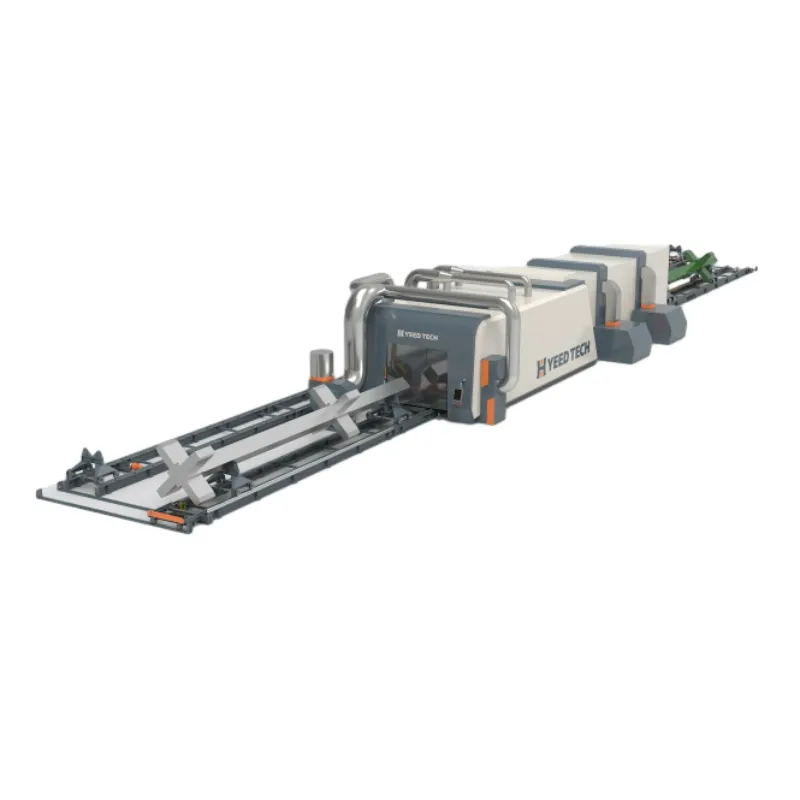
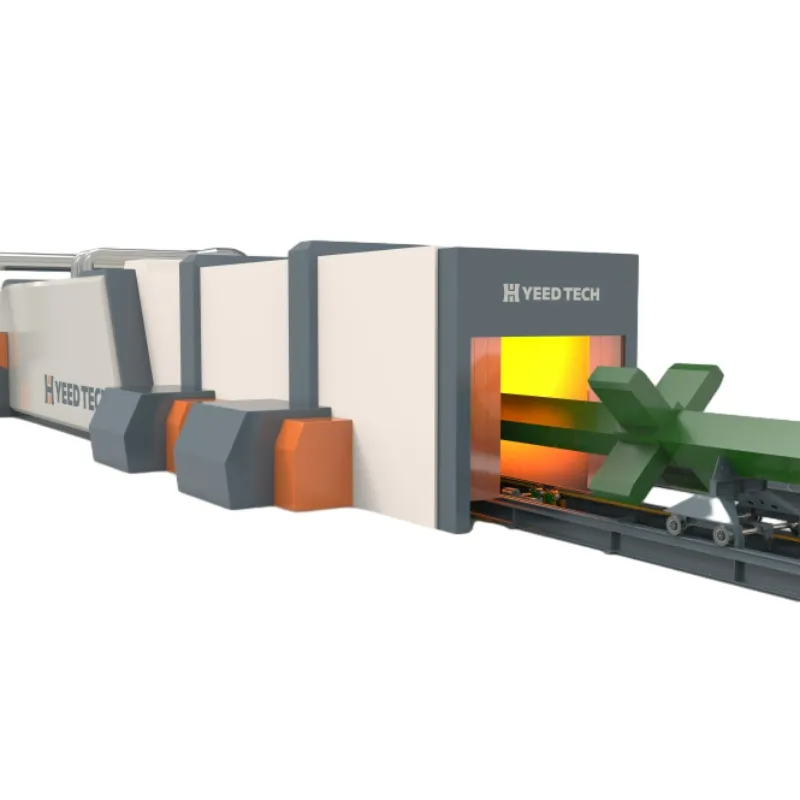
When people say structural coating, they usually mean rugged, high-build systems that keep steel alive in brutal environments—shipyards, bridges, wind towers. On the shop floor, the unsung hero is the equipment that makes it repeatable. Case in point: the Heavy Steel Structure Painting Line from YeED (origin: No.28, Wei’Er Road, Anping County, Hebei Province, China). I’ve watched similar lines chew through backlogs that would bury hand-spray crews for weeks.
Why this matters now
Industry trends are blunt: tighter VOC rules, labor gaps, and the march to ISO 12944 C5/CX durability targets. Automated lines are stepping in with airless/air-assisted spray, better booth airflow, and smarter cure profiles. Many customers say the biggest surprise isn’t speed—it’s consistency. To be honest, inspectors love consistency.
Typical process flow (real-world)
- Abrasive blast to ISO 8501-1 Sa 2.5; profile 50–100 µm (AMPP/SSPC-10/2 equivalent).
- Preheat and dust-off; RH and dew-point checks per ISO 8502-4.
- Primer: zinc-rich epoxy 60–100 µm DFT; stripe-coat edges and welds.
- Mid-coat: epoxy high-build 150–250 µm.
- Top: polyurethane or polyaspartic 60–120 µm for UV and color hold.
- Cure: gas-fired or IR-assisted; verify with probe thermometers and MEK rubs (ASTM D4752).
- QC: DFT (SSPC-PA 2), adhesion (ASTM D3359/D4541), holidays on critical members (ISO 29601, as needed).
Product snapshot: Heavy Steel Structure Painting Line
| Spec | Typical Value (≈ / around) |
|---|---|
| Workpiece envelope | Up to 30 m L × 4 m W × 4 m H (customizable) |
| Conveyor load | ≈ 5–20 t per carrier (real-world use may vary) |
| Spray method | Airless / Air-assisted airless with robotic or manual assist |
| Coatings supported | Zinc-rich epoxy, epoxy HB, PU, polyaspartic; waterborne options |
| DFT control | 60–500 µm per pass; multi-pass recipes |
| VOC/overspray | Dry filters + optional RTO; EU/US compliance ready |
| Service life target | C5/CX designs for 15–25 years [1] |
Applications and advantages
Bridges, offshore jackets, pressure vessels, mining frames, wind-turbine towers—places where structural coating can’t blink. Advantages I keep seeing: faster takt times, fewer holidays on edges, and easier audit trails for inspectors. Surprisingly, energy savings from sane cure temps add up.
Vendor landscape (quick take)
| Vendor | Strengths | Watch-outs |
|---|---|---|
| YeED Heavy Steel Structure Painting Line | Large-envelope handling, robust conveyors, ISO-centric QA kits | Plan utilities early (air, gas, booth airflow) |
| Generic integrator | Flexible mix-and-match components | Integration risk; variable after-sales support |
| DIY retrofit | Lower upfront cost | Compliance gaps; uneven structural coating quality |
Customization and compliance
Options include robotic guns for latticework, heated lines for winter, zinc-rich primer feed skids, and inline DFT logging. Certifications typically cover CE machinery rules and ISO 9001; QC is mapped to ISO 12944, ISO 8501-1, ASTM D3359/D4541. It seems that auditors relax when they see those acronyms, and for good reason.
Case notes from the yard
A bridge fabricator ran 24 m girders through a three-coat structural coating spec: 80 µm Zn epoxy + 200 µm epoxy HB + 80 µm PU. Average DFT: 360 µm; adhesion (ASTM D4541) ≈ 7.2 MPa; no holidays on edges after stripe-coats. Salt spray exceeded 1,440 h with no blistering [1][3][4]. The production manager told me—half-joking—that inspectors now show up just to talk football.
Final thought
You don’t buy paint—you buy years of uptime. A capable line simply makes that promise repeatable. And that, in my book, is what good structural coating is all about.
Authoritative citations
- ISO 12944 (2018): Paints and varnishes—Corrosion protection of steel structures by protective paint systems.
- ISO 8501-1 (2007): Preparation of steel substrates—Visual assessment of surface cleanliness.
- ASTM D3359 (2020): Standard Test Methods for Measuring Adhesion by Tape Test.
- ASTM D4541 (2017): Standard Test Method for Pull-Off Strength of Coatings.
- AMPP/SSPC-SP 10/NACE No. 2: Near-White Blast Cleaning.
- ISO 8502-4: Preparation of steel substrates—Guidance on the estimation of the probability of condensation prior to painting.
Latest News
-
Efficient automated hot air drying equipment for steel structure application
NewsApr.16,2026 -
Efficient hot air drying system for steel structure spraying line
NewsApr.09,2026 -
Optimizing Steel Structure Spraying with Hot Air Drying Technology Solutions
NewsApr.07,2026 -
HighEfficiency Hot Air Drying Painting Equipment for Superior Industrial Coatings
NewsApr.04,2026 -
Optimizing Industrial Processes with Hot Air Furnace Heating Spraying Systems
NewsMar.31,2026 -
Comprehensive Tailormade Steel Structure Spraying Solution for Enhanced Durability
NewsMar.28,2026 -
Optimizing Steel Structure Protection through Customization and Integration of Spraying System
NewsMar.26,2026


