


Steel Structure Painting Environmental Impact
The Steel structure painting process has significant environmental considerations that must be addressed. This guide examines sustainable practices for Steel component spray painting and eco-friendly Steel structure surface treatment methods to minimize ecological impact while maintaining coating performance.
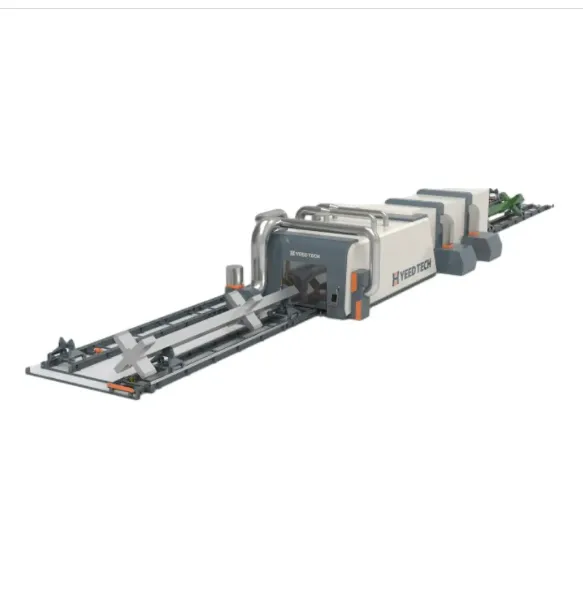
Environmental Considerations in Steel Structure Painting
• VOC emissions from conventional Steel structure painting processes
• Hazardous air pollutant release during application
• Waste generation from overspray and cleaning
• Energy consumption in curing processes
• Disposal challenges for contaminated materials
Eco-Friendly Steel Component Spray Painting
• High-transfer efficiency Steel component spray painting equipment
• Water-borne coating alternatives
• Powder coating options for specific applications
• UV-curable coating technologies
• Low-VOC formulation adoption
Sustainable Steel Structure Surface Treatment
• Abrasive media recycling in surface preparation
• Chemical-free Steel structure surface treatment methods
• Waste minimization strategies
• Solvent recovery systems
• Closed-loop water recycling
Emission Control Technologies
• Thermal oxidizers for Steel structure painting facilities
• Carbon adsorption systems
• Biofiltration options
• Electrostatic precipitation
• Regenerative thermal oxidation
Waste Management Solutions
• Overspray collection in Steel component spray painting
• Filter media recycling programs
• Sludge dewatering systems
• Hazardous waste minimization
• Packaging material reduction
Steel Structure Painting FAQs
Q: What are the key steps in steel structure surface treatment before painting?
A: Steel structure surface treatment before painting involves several critical steps. First, remove all contaminants: use abrasive blasting (to Sa 2.5 standard) or wire brushing to eliminate rust, scale, and old paint. Degrease with solvents to remove oil, grease, or dirt, as these hinder paint adhesion. For welded areas, grind down spatter and smooth rough edges to ensure an even surface. After cleaning, check for moisture—ensure the surface is dry (moisture content <5%) to prevent blistering. Finally, apply a compatible primer within 4 hours of cleaning to stop re-rusting, especially in humid environments.
Q: How does steel component spray painting differ from manual painting for large structures?
A: Steel component spray painting offers distinct advantages over manual painting for large structures. Spray systems deliver a more uniform coating with consistent thickness, reducing drips and unevenness common with brushes or rollers. They cover large surfaces faster—up to 5x quicker than manual methods—saving time on projects like bridges or warehouses. Spray painting also reaches hard-to-access areas (e.g., gaps between beams) more effectively. However, it requires proper ventilation and overspray containment, while manual painting is better for small, detailed components where precision over speed is key.
Q: What factors affect the durability of a steel structure painting finish?
A: The durability of a steel structure painting finish depends on three main factors. Surface preparation quality: poor cleaning or inadequate priming leads to early peeling. Paint type: epoxy or polyurethane coatings resist corrosion better than alkyds, especially in coastal or industrial areas. Environmental exposure: UV radiation, salt spray, and chemical fumes accelerate wear—outdoor structures may need re-painting every 5–10 years, while indoor ones last 15–20 years. Maintenance also plays a role: prompt touch-ups for scratches or chips prevent rust from spreading and extend the finish’s life.
Q: What safety precautions are needed during steel component spray painting?
A: Steel component spray painting requires strict safety measures. Operators must wear respiratory protection (N95 masks or supplied-air respirators) to avoid inhaling volatile organic compounds (VOCs) and paint particles. Chemical-resistant gloves, goggles, and coveralls protect skin from irritation. Ensure proper ventilation—use exhaust fans or spray booths to remove fumes. Keep fire extinguishers nearby, as many paints are flammable, and ban smoking in the area. Ground equipment to prevent static electricity sparks. Finally, train staff on emergency procedures, including spill cleanup and first aid for chemical exposure.
Q: How to choose the right primer for steel structure surface treatment?
A: Choosing the right primer for steel structure surface treatment depends on the environment and topcoat. For corrosive environments (coastal, industrial), use zinc-rich primers—they provide cathodic protection against rust. Epoxy primers work well with epoxy or polyurethane topcoats, offering strong adhesion and chemical resistance. For mild conditions, alkyd primers are cost-effective and compatible with acrylic or oil-based topcoats. For high-temperature areas (e.g., near furnaces), silicone-based primers withstand heat up to 600°C. Always match the primer to the steel type (e.g., galvanized steel needs a specialized primer to bond with the zinc layer) and test compatibility with the topcoat to avoid lifting or peeling.
Welcome to Yeed Tech Co., Ltd. https://www.yeeeed.com/ – where steel meets smart innovation, and every cut, weld, and spray tells a story of precision reimagined.
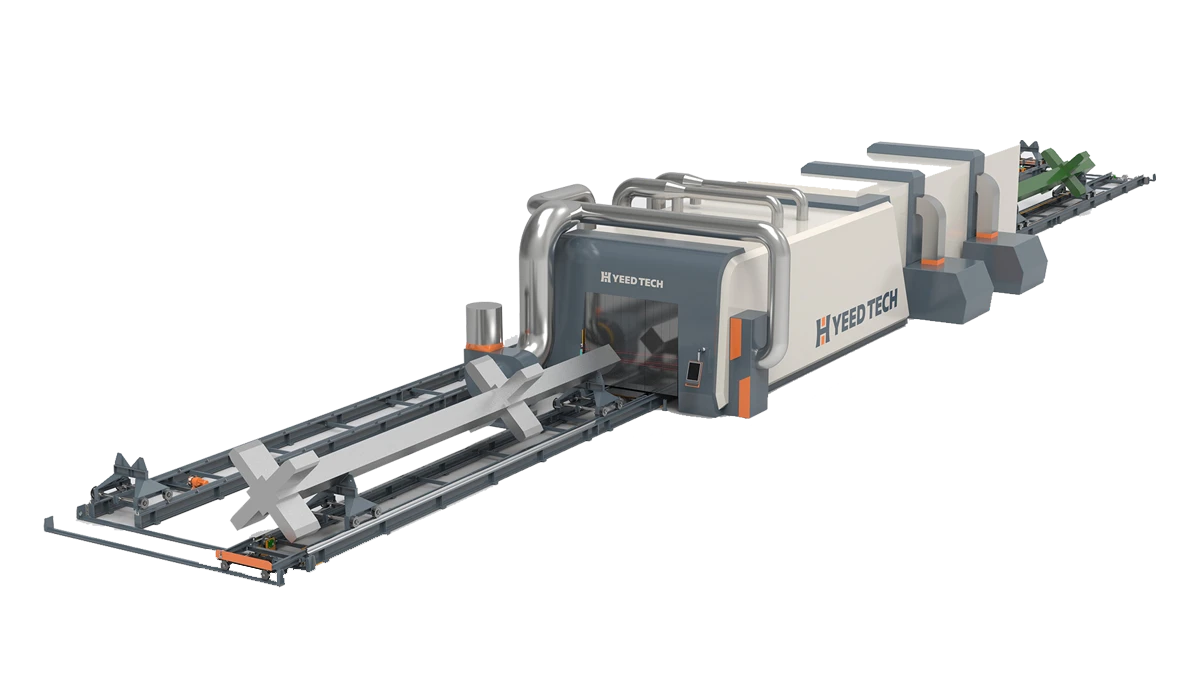
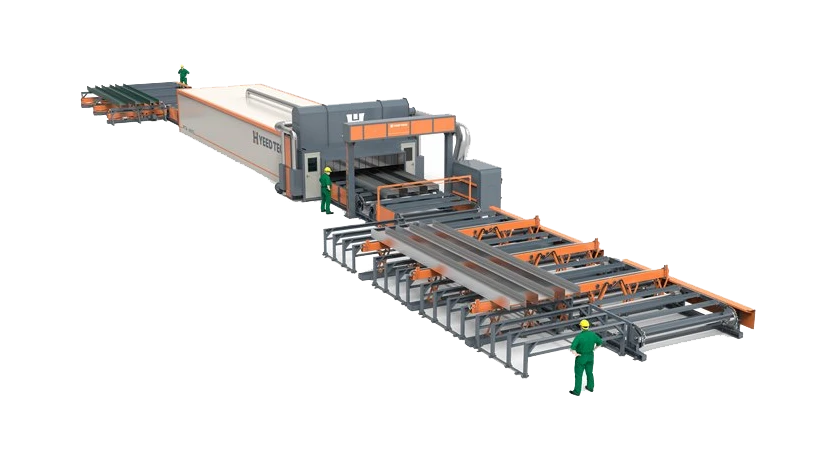
As pioneers in intelligent steel structure solutions, we’re not just building equipment – we’re rewriting the rules of production. Our lineup of tech-driven tools – from intelligent spraying lines that coat steel components with flawless accuracy to high-power laser cutting machines that carve with micron-level precision – isn’t just about replacing manual labor. It’s about unlocking speed, safety, and consistency that transforms your workflow.
Latest News
-
Efficient automated hot air drying equipment for steel structure application
NewsApr.16,2026 -
Efficient hot air drying system for steel structure spraying line
NewsApr.09,2026 -
Optimizing Steel Structure Spraying with Hot Air Drying Technology Solutions
NewsApr.07,2026 -
HighEfficiency Hot Air Drying Painting Equipment for Superior Industrial Coatings
NewsApr.04,2026 -
Optimizing Industrial Processes with Hot Air Furnace Heating Spraying Systems
NewsMar.31,2026 -
Comprehensive Tailormade Steel Structure Spraying Solution for Enhanced Durability
NewsMar.28,2026 -
Optimizing Steel Structure Protection through Customization and Integration of Spraying System
NewsMar.26,2026


