


Fully Automatic Painting Line for Steel Structure Optimizes Production
Fully Automatic Painting Line for Steel Structure: A Comprehensive Guide
In the modern steel fabrication industry, efficiency and quality are paramount. A fully automatic painting line for steel structure is no longer a luxury, but a necessity for businesses seeking to streamline their processes, reduce costs, and deliver superior finishes. This article provides a detailed overview of these automated systems, covering their benefits, components, applications, and crucial considerations when choosing the right line for your needs. Investing in automation is key to competitiveness in today's global market.
Understanding the Benefits of Automation
Implementing a fully automatic painting line offers a multitude of advantages over traditional manual painting methods. These include increased throughput, consistent quality, reduced labor costs, and improved workplace safety. Automation minimizes human error, ensuring a uniform coating application every time. Furthermore, it allows for precise control of paint consumption, reducing waste and lowering material costs. The elimination of manual handling also significantly reduces the risk of worker exposure to hazardous chemicals. Businesses leveraging this technology experience enhanced productivity and improved profitability.
Key Benefits: Increased throughput, consistent quality, reduced labor costs, improved workplace safety, and precise paint control.
Key Components of a Fully Automatic Painting Line
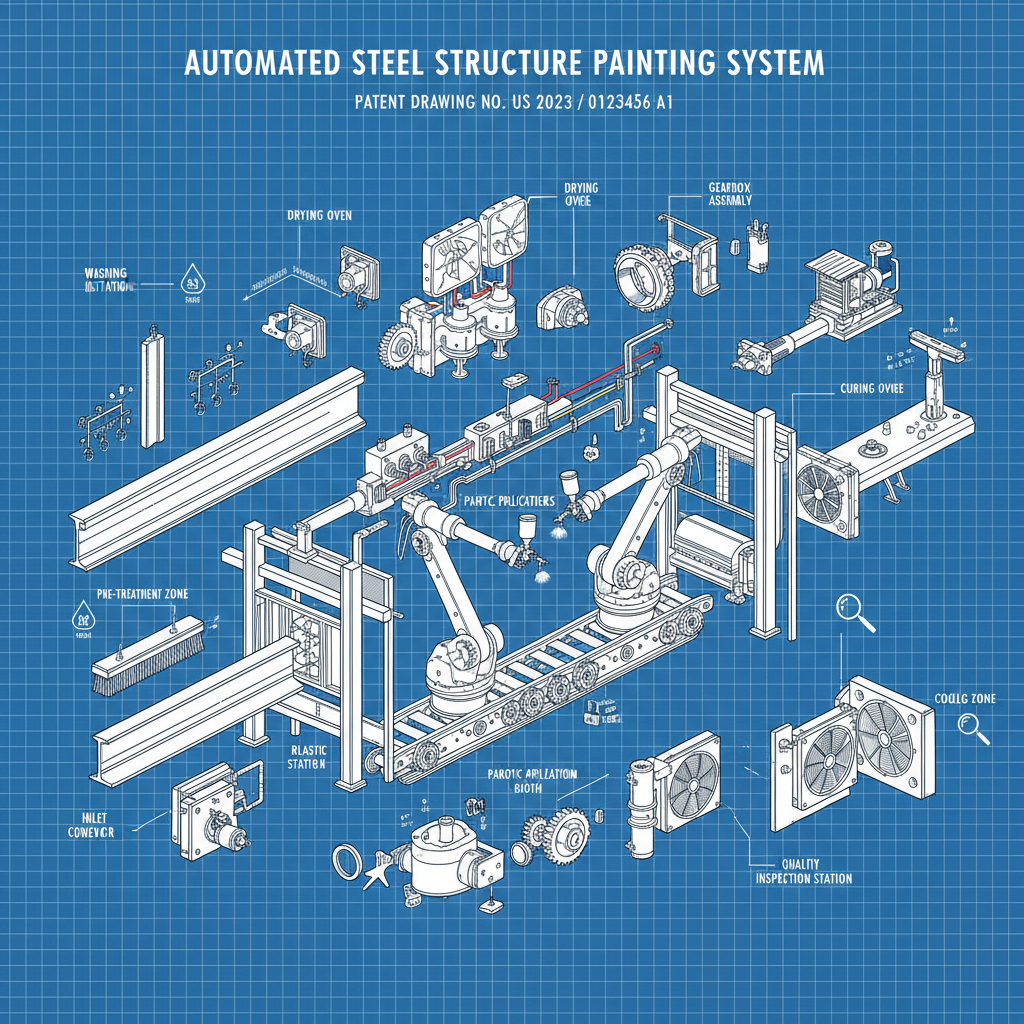
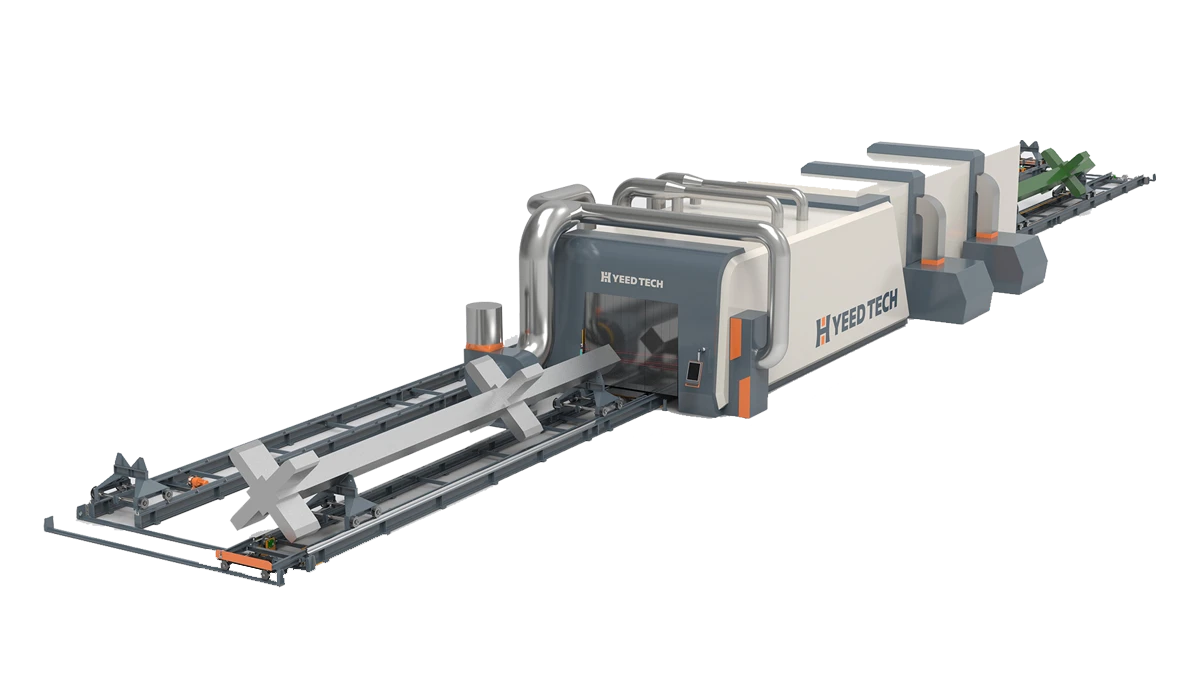
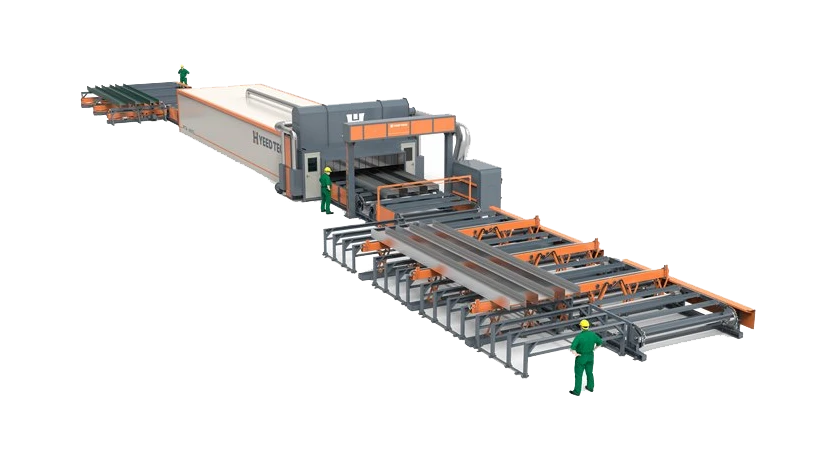
A typical fully automatic painting line comprises several integrated components working in harmony. These typically include a pre-treatment section for cleaning and preparing the steel surface, a painting booth with automated spray guns, a drying oven to cure the coating, and a quality control system to ensure consistent results. Conveyor systems are critical, moving the steel structures seamlessly through each stage of the process. Advanced systems also incorporate robotic arms for precise paint application and automated paint mixing and delivery systems. Effective control systems manage and monitor the entire process, optimizing performance and ensuring consistent quality. You can explore more details about these components at Yeeeed's official website.
Optimizing Your Line: Comparing Painting Technologies
Choosing the right painting technology is crucial for achieving optimal results. Common options include airless spraying, electrostatic spraying, and powder coating. Each method has its advantages and disadvantages in terms of coating thickness, finish quality, and cost. Airless spraying offers high transfer efficiency, minimizing waste, while electrostatic spraying provides excellent coverage, even on complex shapes. Powder coating delivers a durable and environmentally friendly finish. The best choice depends on the specific application and the desired characteristics of the final product.
Painting Technology Comparison:
• Airless Spraying: High transfer efficiency, suitable for various coatings.
• Electrostatic Spraying: Excellent coverage, minimizes overspray.
• Powder Coating: Durable, environmentally friendly, uniform finish.
Fully Automatic Painting Line for Steel Structure: Specifications & Performance
The specifications of a fully automatic painting line can vary widely depending on the size and complexity of the steel structures being processed. Typical lines are designed to handle a wide range of dimensions and weights. Here's a sample specification table to illustrate the key parameters:
Applications Across Industries
Fully automatic painting lines are employed in a diverse range of industries, including construction, shipbuilding, automotive, and infrastructure. They are ideal for painting structural steel components, bridges, industrial equipment, and various other metal products. The ability to handle large volumes and maintain consistent quality makes them essential for meeting demanding production schedules and stringent quality standards. Whether it's a simple primer coat or a complex multi-layer finish, these lines deliver exceptional results.
Conclusion: Investing in Efficiency and Quality
A fully automatic painting line for steel structure represents a significant investment in your business's future. By automating the painting process, you can achieve higher levels of efficiency, quality, and cost savings. With a properly configured line, you can meet the demands of today’s competitive market and deliver superior products to your customers. Explore the options available from reputable suppliers like Yeeeed to find the perfect solution for your specific needs.
Frequently Asked Questions (FAQs)
What level of maintenance is required for a fully automatic painting line?
Regular maintenance is crucial for ensuring optimal performance and longevity. This includes daily inspections of conveyor systems, spray guns, and sensors. Periodic cleaning of the painting booth and drying oven is also essential. Preventive maintenance schedules should be implemented to address potential issues before they lead to downtime. This includes lubricating moving parts, replacing filters, and calibrating control systems. Proper maintenance minimizes the risk of breakdowns and extends the lifespan of the equipment. Consulting with the manufacturer, like Yeeeed, can provide specific guidance on maintenance procedures.
What safety features are incorporated into these lines?
Safety is a paramount concern in the design of fully automatic painting lines. Key safety features include enclosed painting booths to contain fumes and overspray, explosion-proof electrical components, emergency stop buttons strategically located throughout the line, and safety interlocks to prevent operation during maintenance. Proper ventilation systems are essential for removing hazardous vapors. Furthermore, automated systems minimize human contact with paint and chemicals, reducing the risk of exposure. Yeeeed prioritizes safety in all its designs.
How long does it take to install a fully automatic painting line?
Installation time varies depending on the complexity of the line and the site preparation required. A typical installation can take anywhere from several weeks to several months. This includes site preparation, equipment delivery, assembly, wiring, programming, and testing. Proper planning and coordination are essential to minimize downtime and ensure a smooth installation process. Working with an experienced supplier, like Yeeeed, can streamline the installation process.
What is the typical return on investment (ROI) for a fully automatic painting line?
The ROI for a fully automatic painting line can be substantial, typically ranging from 2 to 5 years, depending on factors such as production volume, labor costs, and paint savings. The primary drivers of ROI include reduced labor costs, increased throughput, improved quality, and minimized waste. Automation allows companies to produce more with less, leading to significant cost savings and increased profitability. A detailed cost-benefit analysis should be conducted to accurately assess the potential ROI for your specific application.
Latest News
-
Efficient automated hot air drying equipment for steel structure application
NewsApr.16,2026 -
Efficient hot air drying system for steel structure spraying line
NewsApr.09,2026 -
Optimizing Steel Structure Spraying with Hot Air Drying Technology Solutions
NewsApr.07,2026 -
HighEfficiency Hot Air Drying Painting Equipment for Superior Industrial Coatings
NewsApr.04,2026 -
Optimizing Industrial Processes with Hot Air Furnace Heating Spraying Systems
NewsMar.31,2026 -
Comprehensive Tailormade Steel Structure Spraying Solution for Enhanced Durability
NewsMar.28,2026 -
Optimizing Steel Structure Protection through Customization and Integration of Spraying System
NewsMar.26,2026


