


Environmental Controls in a Spray Painting Line
In industrial coating—especially for steel structure painting—environmental conditions directly impact coating quality, worker safety, and regulatory compliance. Uncontrolled temperature, humidity, or air contaminants can lead to paint defects (e.g., bubbling, uneven drying) and wasted materials, while poor air quality risks violating environmental standards. Spray painting line systems with integrated environmental controls, including automatic painting line solutions, solve these challenges by stabilizing conditions and filtering emissions. Yeed Tech Co., Ltd., a leader in intelligent steel structure production solutions, designs spray painting line equipment (like its intelligent steel component spraying lines) with built-in environmental controls, replacing manual processes and ensuring consistency. For wholesalers serving steel manufacturers, construction firms, and industrial coaters, partnering with Yeed Tech means accessing automatic painting line systems that balance quality, safety, and sustainability—backed by scalable bulk supply and expertise in steel structure painting needs.
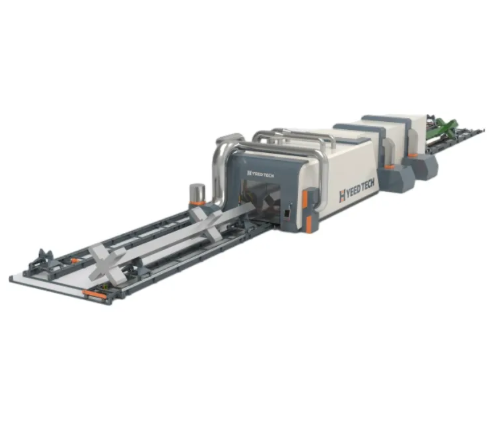
Key Environmental Factors to Control in Spray Painting Line
Temperature & Humidity Regulation:Ideal steel structure painting requires temperatures between 15–25°C and humidity levels of 40–60%—conditions that ensure paint adheres properly and dries uniformly. Yeed Tech’s spray painting line systems include HVAC integration with digital sensors: if temperature drops below 15°C, heaters activate; if humidity exceeds 60%, dehumidifiers kick in. Unlike manual monitoring (which often misses fluctuations), this automated control eliminates defects like “blushing” (moisture-induced clouding) in paint. A wholesaler supplying heavy steel manufacturers reported that Yeed Tech’s temperature-controlled automatic painting line reduced coating defects by 50%, cutting rework waste. Wholesalers should highlight this regulation as a “quality guarantee,” as it directly prevents costly paint failures for clients.
Air Filtration & Emission Control:Spray painting line operations release VOCs (volatile organic compounds) and paint overspray, which pose health risks and regulatory concerns. Yeed Tech’s systems integrate two-stage filtration: pre-filters capture large overspray particles, while activated carbon filters trap VOCs. For steel structure painting (which uses high-VOC paints), some lines also include thermal oxidizers to break down harmful emissions before release. A wholesaler serving eco-conscious clients noted that Yeed Tech’s filtered spray painting line helped manufacturers meet strict EPA standards, avoiding fines and improving workplace air quality. Wholesalers can frame this as a “compliance driver,” as it addresses a top pain point for industrial coaters.
Types of Automatic Painting Line with Environmental Controls
|
Line Type |
Best For |
Key Environmental Control Features |
Yeed Tech Product Example |
|
Enclosed Automatic Painting Line |
High-volume steel structure painting |
Full HVAC regulation; multi-stage filtration; positive pressure design |
Intelligent steel component spraying line |
|
Semi-Open Spray Painting Line |
Small-batch parts, on-site coating |
Portable dehumidifiers; mobile VOC filters; temperature monitoring |
Semi-automatic spray line with mobile controls |
|
Cleanroom Automatic Painting Line |
Precision components (e.g., machinery) |
HEPA filtration; strict humidity/temp control (±1°C/±2% humidity) |
Cleanroom-grade painting line for precision parts |
Integration of Controls with Steel Structure Painting Processes
Sync with Coating Stages:Yeed Tech’s automatic painting line coordinates environmental controls with each steel structure painting stage. For example, during the “pre-treatment” (cleaning) stage, humidity is lowered to 40% to ensure steel surfaces dry completely; during “topcoat” application, temperature is held at 20°C for optimal adhesion. This stage-specific control avoids one-size-fits-all settings (which often compromise quality). A wholesaler supplying bridge steel manufacturers reported that this sync improved paint durability—coats lasted 30% longer in outdoor conditions. Wholesalers should emphasize this “process-aligned” control, as it tailors conditions to the unique needs of steel coating.
Real-Time Data Monitoring:All environmental controls feed data to a central dashboard, allowing clients to track temperature, humidity, and emission levels in real time. Yeed Tech’s software also generates compliance reports (e.g., monthly VOC emissions logs), saving manufacturers hours of manual documentation. A wholesaler serving regulated industries (e.g., aerospace steel parts) noted that this data tracking helped clients pass audits with minimal effort. Wholesalers can market this as a “time-saver,” as it reduces administrative work for busy production teams.
Sustainability & Cost Benefits of Controlled Spray Painting Line
Reduced Material Waste:Stable environmental conditions mean less paint waste from defects—Yeed Tech’s automatic painting line with controls cuts paint rework by 40–60%, as noted by multiple wholesalers. Additionally, efficient filtration captures overspray, which can be recycled (for some paint types) or disposed of safely, reducing landfill waste. A wholesaler supplying budget-conscious clients reported that this waste reduction led to 20% lower paint costs for manufacturers. Wholesalers should tie environmental controls to cost savings, as this resonates with clients focused on bottom-line results.
Energy Efficiency:While environmental controls add upfront costs, Yeed Tech’s systems use energy-saving features (e.g., variable-speed HVAC fans, energy-efficient filters) to minimize operational expenses. For example, fans run at lower speeds when temperature/humidity are stable, cutting energy use by 15% compared to constant-speed systems. A wholesaler supplying large factories noted that clients saw a 10% reduction in monthly energy bills after switching to Yeed Tech’s efficient spray painting line. Wholesalers should highlight this efficiency, as it addresses concerns about the long-term cost of controlled systems.
Spray Painting Line FAQs
Can Environmental Controls in Automatic Painting Line Adapt to Different Paint Types?
Yes—Yeed Tech’s automatic painting line allows users to input paint-specific parameters (e.g., acrylic vs. epoxy) into the control system. For example, epoxy paints (common in steel structure painting) require higher temperatures (20–25°C) for curing, so the system adjusts setpoints automatically. Filtration is also customizable: solvent-based paints trigger activated carbon filter use, while water-based paints use simpler filtration. A wholesaler supplying diverse clients reported that the adaptability eliminated the need for separate lines for different paints, saving clients space and money. Wholesalers should confirm this flexibility, as it caters to manufacturers using multiple paint types.
Are Environmental Controls in Spray Painting Line Difficult to Maintain?
No—Yeed Tech’s systems include spray painting line: filters send alerts when they need replacement, and HVAC components trigger warnings for maintenance (e.g., heater coil checks). The company also provides bulk replacement parts for wholesalers to stock, ensuring quick repairs. A wholesaler supplying remote factories noted that clients had no issues with maintenance, thanks to clear alerts and easy-to-access parts. Wholesalers should address this concern upfront, as maintenance fears often deter clients from investing in controlled lines.
What Size Spray Painting Line Requires Environmental Controls?
Even small spray painting line operations benefit from controls—Yeed Tech offers portable dehumidifiers and filters for small-batch steel structure painting (e.g., 1–2 steel beams per day). For high-volume lines (100+ parts daily), full HVAC and filtration are essential. A wholesaler supplying both small workshops and large factories reported that even small clients saw quality improvements with basic controls, making them a worthwhile investment. Wholesalers should recommend controls based on production volume, ensuring clients get the right level of regulation without overspending.
Do Environmental Controls in Automatic Painting Line Add to Installation Time?
Yeed Tech streamlines installation by pre-integrating controls with automatic painting line components (e.g., HVAC, filters) at the factory. On-site setup takes 1–2 weeks longer than basic lines, but the company provides turnkey installation to minimize downtime. A wholesaler supplying time-sensitive clients noted that the extended installation was offset by reduced rework and compliance delays later. Wholesalers should frame this as a “long-term investment,” as the upfront time saves clients time and money in the long run.
Can Existing Spray Painting Line Be Retrofitted with Environmental Controls?
Yes—Yeed Tech offers retrofitting kits for most existing spray painting line systems, including adding sensors, HVAC modules, and filtration. Retrofitting is cheaper than replacing entire lines and can be done during scheduled downtime. A wholesaler supplying clients with older lines reported that retrofitting cut defects by 35%, making it a cost-effective upgrade. Wholesalers should promote retrofitting as a “budget-friendly option,” especially for clients hesitant to replace functional but uncontrolled lines.
Latest News
-
Efficient automated hot air drying equipment for steel structure application
NewsApr.16,2026 -
Efficient hot air drying system for steel structure spraying line
NewsApr.09,2026 -
Optimizing Steel Structure Spraying with Hot Air Drying Technology Solutions
NewsApr.07,2026 -
HighEfficiency Hot Air Drying Painting Equipment for Superior Industrial Coatings
NewsApr.04,2026 -
Optimizing Industrial Processes with Hot Air Furnace Heating Spraying Systems
NewsMar.31,2026 -
Comprehensive Tailormade Steel Structure Spraying Solution for Enhanced Durability
NewsMar.28,2026 -
Optimizing Steel Structure Protection through Customization and Integration of Spraying System
NewsMar.26,2026


