


Durable Structural Coating: Protect Steel & Reduce Costs
Elevating Infrastructure: The Critical Role of Structural Coating and Industry Trends
In the demanding landscape of industrial infrastructure, the integrity and longevity of heavy steel structures are paramount. This is where high-performance structural coating systems become indispensable. These specialized coatings provide a robust barrier against environmental degradation, chemical attacks, and mechanical wear, directly impacting the operational safety and economic viability of assets across critical sectors.
The industry is currently experiencing significant shifts, driven by a global push for sustainability, increased demand for automation, and the imperative for enhanced performance and longer service life. Key trends include the adoption of low-VOC and VOC-free coating formulations, the integration of smart application technologies, and a heightened focus on lifecycle cost analysis rather than initial application cost. Automated spray painting line systems are becoming standard, offering unparalleled consistency, speed, and material utilization, thereby reducing overall structural steel painting cost and environmental impact.
Decision-makers and engineers are increasingly seeking comprehensive solutions that not only meet stringent technical specifications but also offer long-term value, minimizing maintenance downtime and extending asset operational lifespans. This article delves into the technical intricacies, application benefits, and strategic considerations surrounding modern structural coating applications.
The Advanced Process Flow for Structural Coating Application
The efficacy of a structural coating hinges critically on its application process. A state-of-the-art heavy steel structure painting line follows a meticulously engineered multi-stage process to ensure optimal adhesion, coverage, and protective performance. This typically involves:
1. Surface Preparation: The Foundation of Durability
This is arguably the most critical step. Steel structures are prone to rust, mill scale, and other contaminants. Effective surface preparation ensures a clean, profiled surface for coating adhesion.
- Abrasive Blasting: Utilizing techniques like shot blasting or grit blasting (often to Sa 2.5 or Sa 3.0 standards as per ISO 8501-1), this process removes rust, scale, and old coatings, creating an optimal surface profile (typically 25-75 microns).
- Cleaning: Post-blasting, surfaces are meticulously cleaned to remove dust and debris, often using industrial vacuum systems.
- Inspection: Surface cleanliness and profile are inspected using industry standards (e.g., visual comparators, surface profile gauges) to ensure readiness for coating.
2. Coating Application: Precision and Uniformity
Modern heavy steel structure painting lines leverage automated spray painting line technology for consistent application. The coating typically involves multiple layers, each serving a specific function.
- Primer Coat: Applied immediately after surface preparation to prevent flash rust and provide initial corrosion protection and adhesion to the substrate. Common materials include zinc-rich epoxies or inorganic zinc silicates.
- Intermediate Coat(s): Builds film thickness and enhances barrier protection. Epoxy resins are frequently used due to their excellent chemical resistance and mechanical strength.
- Topcoat: Provides UV resistance, color stability, and additional protection against abrasion and specific environmental factors. Polyurethanes or fluoropolymers are common choices.
- Robotic/Automated Spraying: Ensures uniform film thickness (DFT - Dry Film Thickness) and minimizes overspray, crucial for quality and material efficiency.
3. Curing and Drying: Optimal Performance Development
After application, coatings require controlled environments for proper curing and drying to achieve their full protective properties.
- Controlled Environment: Temperature and humidity are strictly controlled within designated drying zones to optimize curing times and prevent defects.
- Forced Curing (Optional): Infrared (IR) or convection ovens can accelerate the curing process, enhancing throughput and energy efficiency.
4. Quality Control and Inspection: Ensuring Compliance
Throughout the entire process, rigorous quality control measures are implemented to ensure adherence to specified standards (e.g., ISO 12944, SSPC, NACE).
- DFT Measurement: Non-destructive methods measure dry film thickness to ensure adequate protection.
- Adhesion Testing: Pull-off or cross-hatch tests assess the bond strength between the coating and substrate.
- Visual Inspection: Checks for defects like runs, sags, holidays, and overall aesthetic quality.
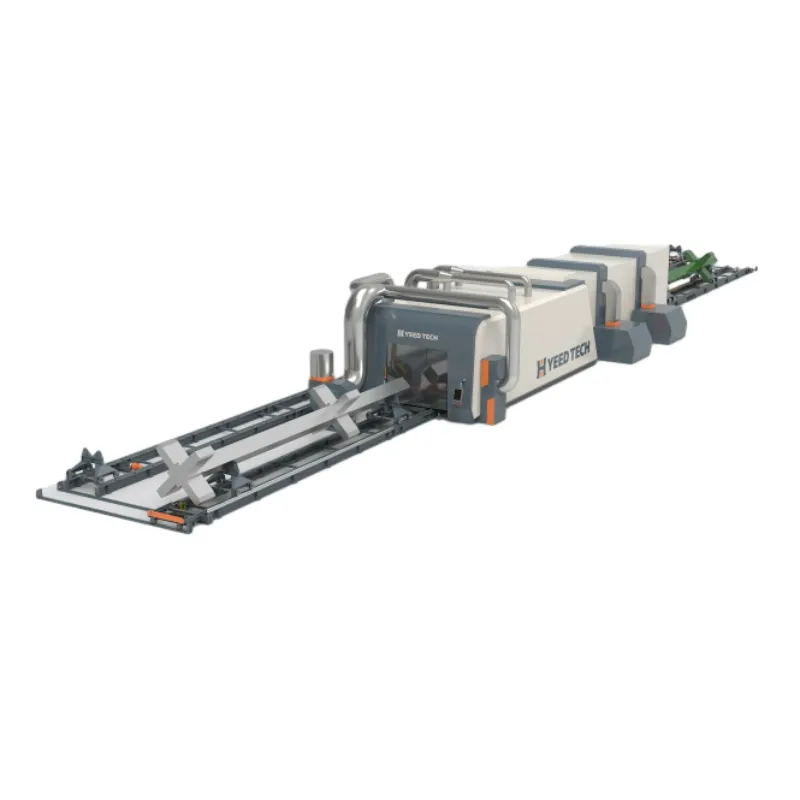
Figure 1: Automated blast and paint line for heavy steel structures, illustrating the sequential steps for effective structural coating application.
Technical Specifications and Performance Parameters
The selection of the appropriate structural coating system involves a deep understanding of its technical parameters and the environmental conditions it will face. Key specifications are critical for ensuring long-term asset protection.
Key Coating Performance Parameters:
- Dry Film Thickness (DFT): Measured in microns, this is crucial for barrier protection. Typical ranges for heavy-duty systems are 200-500 microns across multiple coats.
- Adhesion Strength: Assessed via pull-off tests (ASTM D4541), indicating the bond strength to the substrate. Values often exceed 5 MPa (725 psi).
- Corrosion Resistance: Evaluated through salt spray tests (ASTM B117), immersion tests, and cyclic corrosion tests. High-performance coatings can withstand thousands of hours in severe environments without significant degradation.
- Abrasion Resistance: Measured by Taber abrasion or falling sand tests, critical for structures exposed to mechanical wear.
- Chemical Resistance: Ability to withstand specific acids, alkalis, solvents, and other industrial chemicals.
- UV Stability: For external structures, resistance to degradation from ultraviolet radiation (measured by QUV weathering tests) prevents chalking, fading, and loss of integrity.
- Service Life: Projected lifespan under specific environmental conditions, often categorized by ISO 12944 standards (e.g., C5-I/M for very high corrosivity, requiring systems with service lives exceeding 15-25 years).
Illustrative Product Specification Table: Heavy-Duty Structural Coating System
| Parameter | Primer (Zinc-Rich Epoxy) | Intermediate (High-Build Epoxy) | Topcoat (Polyurethane) |
|---|---|---|---|
| Typical DFT (microns) | 75-100 | 150-250 | 50-75 |
| Adhesion (ASTM D4541) | >7 MPa | >7 MPa | >6 MPa |
| Salt Spray Resistance (ASTM B117) | >2,000 hrs | >3,000 hrs | >2,500 hrs |
| Chemical Resistance | Excellent (mild acids/alkalis) | Superior (broad range) | Good (splash, fumes) |
| UV Resistance | Poor (must be topcoated) | Fair (must be topcoated) | Excellent |
| Target Industries | Petrochemical, Marine, Infrastructure, Power Generation, Mining, Water Treatment, Metallurgy | ||
| Projected Service Life (ISO 12944, C5-I/M) | 15-25+ years (System Dependent) | ||
These specifications guide the selection process, ensuring the chosen coating system aligns perfectly with the operational demands and environmental aggressors specific to each project.
Key Advantages of Optimized Structural Coating Solutions
Investing in advanced structural coating solutions offers multifaceted benefits that extend far beyond initial application, yielding significant long-term returns for B2B enterprises.
1. Superior Corrosion Resistance and Asset Protection
- Extended Service Life: High-performance coatings significantly prolong the operational life of steel structures by preventing corrosion, reducing the need for premature replacement or extensive repairs.
- Environmental Barrier: Creates an impervious shield against moisture, chemicals, salts, and atmospheric pollutants, which are primary drivers of steel degradation.
- Reduced Downtime: Assets protected by durable coatings require less frequent maintenance, leading to fewer interruptions in operations and enhanced productivity.
2. Enhanced Operational Efficiency and Energy Savings
- Automation Advantages: Utilizing an automated spray painting line drastically improves throughput and consistency compared to manual methods. This translates to faster project completion and predictable quality.
- Material Optimization: Robotic systems minimize overspray and ensure precise film thickness, leading to reduced paint consumption and waste.
- Energy Efficiency in Curing: Advanced curing systems (e.g., IR ovens) are designed to optimize energy consumption while accelerating the drying process, further streamlining the manufacturing flow.
3. Significant Long-Term Cost Reduction
- Lower Maintenance Costs: The primary long-term advantage is the substantial reduction in maintenance and repainting cycles. A well-applied coating can extend repainting intervals from 5-7 years to 15-25+ years.
- Reduced Structural Steel Painting Cost: While initial investment in high-quality systems might be higher, the total cost of ownership (TCO) is significantly lower due to extended service life, reduced labor, and material efficiency.
- Mitigated Risk: Prevents costly structural failures, safety hazards, and environmental contamination associated with corroded assets.
Application Scenarios and Illustrative Case Studies
The versatility of structural coating systems allows for their application across a multitude of heavy industrial sectors, each presenting unique challenges that these solutions effectively address.
Typical Application Scenarios:
- Petrochemical Industry: Protection of pipelines, storage tanks, and processing plants from highly corrosive chemicals, extreme temperatures, and harsh atmospheric conditions.
- Metallurgy and Mining: Coating heavy machinery, structural frameworks, and conveyer systems exposed to abrasion, impact, and corrosive slurries.
- Water Supply & Drainage: Internal and external coatings for water pipes, reservoirs, treatment plants, ensuring potable water safety and structural integrity against constant moisture.
- Marine and Offshore: Hull coatings, deck structures, and offshore platforms requiring extreme resistance to saltwater corrosion, UV radiation, and biofouling.
- Infrastructure (Bridges, Power Plants): Long-term protection for critical civil structures and energy generation facilities from weathering and industrial emissions.
Illustrative Case Study: Offshore Platform Refurbishment
An oil and gas client faced escalating maintenance costs on an aging offshore platform due to severe saltwater corrosion and UV degradation. Traditional manual repainting was time-consuming, hazardous, and offered limited lifespan. By implementing a high-performance multi-layer structural coating system applied via an advanced automated spray painting line during fabrication of new modules, the client achieved a projected service life extension from 7 to over 20 years. This resulted in a 40% reduction in forecasted structural steel painting cost over the asset’s lifespan and significantly enhanced worker safety by minimizing manual operations in hazardous environments. Customer feedback highlighted "unprecedented coating uniformity and adhesion, even in complex geometries."
Illustrative Case Study: Large-Scale Water Treatment Facility
A municipal water authority required corrosion protection for new steel components in a major water treatment plant expansion. These components would be exposed to continuous moisture, mild chemicals, and abrasive particles. The chosen solution involved a specialized internal lining and an external heavy-duty epoxy-polyurethane system applied using an automated blasting and coating line. The advanced system offered superior chemical resistance and extended the warranty period significantly. Data showed that the coating system achieved a 50% faster application time compared to manual methods, enabling the project to stay on schedule and within budget, translating to direct savings on overall structural steel painting cost. The consistent film thickness achieved by the automated process eliminated common failure points observed in previous manual applications.
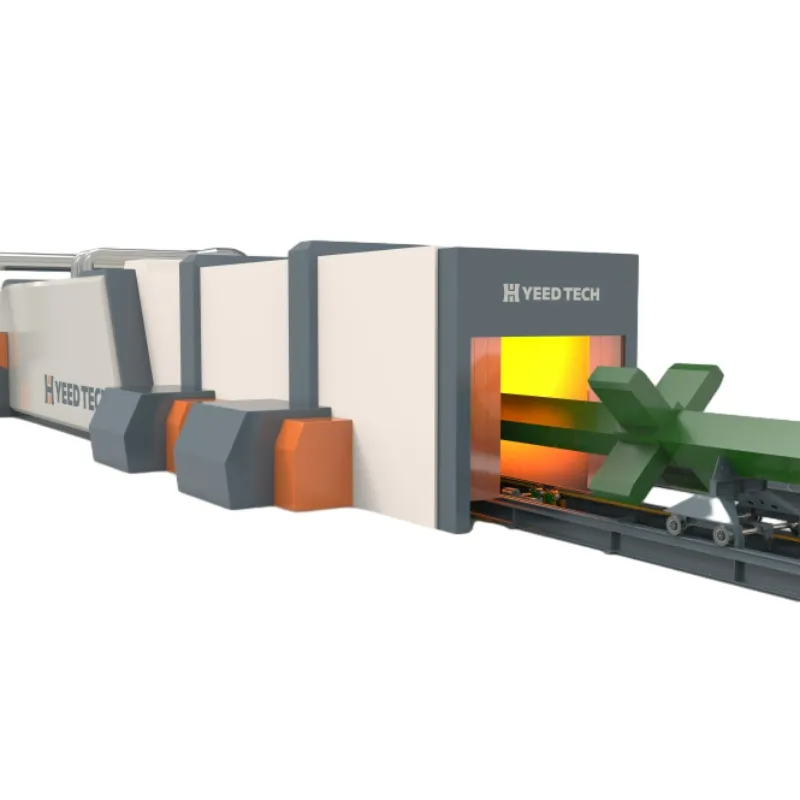
Figure 2: Interior view of a heavy steel structure painting line, showcasing the automated application of structural coating.
Vendor Comparison and Customized Solutions
Selecting the right vendor for your structural coating needs is a critical decision that impacts project timelines, long-term asset performance, and budgetary efficiency. It extends beyond merely comparing product datasheets to evaluating comprehensive capabilities.
Key Factors for Vendor Evaluation:
- Technical Expertise: Does the vendor possess deep understanding of various coating chemistries (epoxy, polyurethane, zinc-rich, fluoropolymer) and their optimal application for diverse substrates and environments?
- Technological Advancements: Availability of automated spray painting line systems, precision blasting equipment, and advanced curing technologies.
- Certifications and Compliance: Adherence to international standards (e.g., ISO 9001, NACE, SSPC) and environmental regulations (VOC limits).
- Customization Capabilities: Ability to engineer bespoke coating solutions or modify existing systems to meet unique project specifications, material constraints, or extreme environmental demands.
- After-Sales Support: Provision of technical assistance, spare parts, training, and ongoing maintenance.
- Proven Track Record: Demonstrable experience with similar project scales and complexities, backed by client testimonials and case studies.
The Value of Customized Solutions:
Every heavy steel structure project presents unique challenges, from specific environmental aggressors to complex structural geometries and stringent performance requirements. A truly professional partner excels in providing customized structural coating solutions rather than off-the-shelf products. This involves:
- Detailed Needs Assessment: Thorough analysis of substrate type, operating temperature, chemical exposure, abrasive forces, and desired service life.
- Formulation Adaptation: Adjusting coating chemistry to optimize properties like flexibility, hardness, cure time, or specialized resistance (e.g., fire retardancy, anti-fouling).
- Process Engineering: Designing a tailored application process flow, potentially integrating specific pre-treatment steps, multi-layer systems, or advanced curing techniques for unique component sizes or throughput needs.
- Performance Validation: Conducting accelerated laboratory testing or pilot applications to validate the customized solution's performance before full-scale deployment.
Ensuring Trust and Authority: Our Commitment to Standards
Authoritativeness and Expertise:
We uphold the highest industry standards, ensuring every structural coating solution delivered meets rigorous technical and quality benchmarks. Our company is ISO 9001:2015 certified, reflecting our commitment to consistent quality management across all processes, from design to delivery. Our coating systems and application lines adhere to international standards such as ISO 12944 (Corrosion protection of steel structures by protective paint systems) and SSPC/NACE guidelines for surface preparation and coating application. With over two decades of specialized experience in heavy steel structure painting, we have partnered with leading firms in petrochemicals, power generation, and marine industries, providing reliable and long-lasting protection solutions. Our expert team comprises NACE certified coating inspectors and engineers, ensuring unparalleled technical guidance and project execution.
Trustworthiness and Customer Support:
- Warranty Commitments: All our heavy steel structure painting lines and coating systems come with comprehensive warranties, typically ranging from 1 to 5 years depending on component and system complexity, covering manufacturing defects and performance against specified parameters. Extended warranty options are available.
- Lead Time & Fulfillment: Standard heavy steel structure painting lines typically have a lead time of 12-16 weeks for manufacturing and testing, followed by efficient global logistics. Customized solutions may vary. Detailed project timelines are provided upon request and strictly adhered to.
- Customer Support & After-Sales Service: We provide 24/7 technical support, offering remote assistance and on-site deployment of experienced engineers for installation, commissioning, and troubleshooting. Our global network ensures readily available spare parts and continuous operational support, maximizing uptime and return on investment for our clients.
Frequently Asked Questions (FAQ)
Q1: What are the primary benefits of an automated heavy steel structure painting line over manual application?
Automated lines offer superior consistency in coating thickness, higher throughput, reduced labor costs, enhanced safety, and significant material savings through optimized application. This dramatically lowers the overall structural steel painting cost and improves quality control.
Q2: How do you ensure the longevity of your structural coating systems?
Longevity is achieved through a combination of meticulous surface preparation (e.g., Sa 2.5/3.0 blasting), multi-layer coating systems with high-performance primers, intermediate coats, and topcoats, precise application techniques (automated spray painting line), and strict quality control measures adhering to international standards like ISO 12944.
Q3: Can your structural coating solutions be customized for specific environmental conditions?
Absolutely. We specialize in developing customized structural coating solutions. Our team of experts conducts a thorough analysis of the intended environment (e.g., marine, chemical plant, extreme temperatures) and structural requirements to formulate and apply a coating system tailored for optimal performance and longevity.
Q4: What environmental considerations are taken into account for your coating processes?
We are committed to environmental responsibility. Our systems prioritize coatings with low VOC (Volatile Organic Compound) content or solvent-free formulations. Automated systems reduce overspray and waste, and advanced filtration systems minimize emissions. Energy-efficient curing processes further reduce our environmental footprint.
Q5: What is the typical service life expected from a high-performance structural coating?
Depending on the coating system chosen, the application quality, and the specific environmental corrosivity category (e.g., C3, C4, C5 as per ISO 12944), high-performance structural coatings can offer a service life ranging from 15 years to over 25 years. This significantly outperforms conventional painting methods.
Conclusion
The strategic implementation of advanced structural coating solutions is no longer merely a maintenance task but a critical investment in asset longevity, operational efficiency, and overall economic performance for B2B enterprises. By embracing automated spray painting line technology and meticulously engineered coating systems, industries can achieve unparalleled protection against environmental aggressors, drastically reducing their long-term structural steel painting cost and minimizing downtime. As the demands on infrastructure continue to grow, the role of expert technical partners providing customized, high-quality, and reliable coating solutions becomes ever more vital.
References
- ISO 12944-1:2018. Paints and varnishes — Corrosion protection of steel structures by protective paint systems — Part 1: General introduction. International Organization for Standardization.
- NACE International. Standard Practice SP0188-2017: Discontinuity (Holiday) Testing of New Protective Coatings on Conductive Substrates.
- SSPC-PA 1. Paint Application Specification No. 1: Shop, Field, and Maintenance Painting of Steel. The Society for Protective Coatings.
- ASTM D4541 - 17. Standard Test Method for Pull-Off Strength of Coatings Using Portable Adhesion Testers. ASTM International.
Latest News
-
Efficient automated hot air drying equipment for steel structure application
NewsApr.16,2026 -
Efficient hot air drying system for steel structure spraying line
NewsApr.09,2026 -
Optimizing Steel Structure Spraying with Hot Air Drying Technology Solutions
NewsApr.07,2026 -
HighEfficiency Hot Air Drying Painting Equipment for Superior Industrial Coatings
NewsApr.04,2026 -
Optimizing Industrial Processes with Hot Air Furnace Heating Spraying Systems
NewsMar.31,2026 -
Comprehensive Tailormade Steel Structure Spraying Solution for Enhanced Durability
NewsMar.28,2026 -
Optimizing Steel Structure Protection through Customization and Integration of Spraying System
NewsMar.26,2026


