


Durable Structural Coating: Protect Steel, Optimize Costs
The Imperative of Advanced Structural Coating in Modern Industry
In the demanding landscapes of heavy industry, the longevity and operational integrity of steel structures are paramount. This is where advanced structural coating systems become indispensable. These specialized coatings are engineered to provide superior protection against the relentless forces of corrosion, abrasion, chemical exposure, and environmental degradation, significantly extending the service life of critical infrastructure.
Current industry trends emphasize not only robust protection but also efficiency, sustainability, and cost-effectiveness. The integration of automated spray painting line technology is revolutionizing how these coatings are applied, ensuring uniform thickness, optimal adhesion, and reduced operational costs. Manufacturers are increasingly seeking solutions that minimize the structural steel painting cost while maximizing protection and adherence to stringent environmental regulations. Advanced formulations, including low-VOC and high-solids epoxies and polyurethanes, are at the forefront, designed to meet these evolving demands.
The demand for high-performance coatings is driven by the escalating cost of asset replacement and the critical need for uninterrupted operations in sectors such as petrochemicals, maritime, power generation, and infrastructure. As materials and environmental conditions become more challenging, the role of engineered coating solutions grows in importance, demanding a deep understanding of substrate interaction, application dynamics, and long-term performance.
Comprehensive Process Flow for Structural Coating Application
The effective application of a structural coating is a meticulously orchestrated process, designed to ensure maximum adhesion, durability, and protective performance. This multi-stage procedure is critical for achieving the desired service life and integrity of coated structures.
Key Process Stages:
- Surface Preparation: This foundational step is arguably the most critical. It typically involves abrasive blast cleaning to a Sa 2½ or Sa 3 standard (ISO 8501-1), removing rust, mill scale, old coatings, and contaminants. The resulting surface profile (e.g., 50-75 microns Rz) is crucial for mechanical adhesion. Materials undergoing this process are primarily carbon steel, often forged or CNC machined components, requiring a clean and rough profile.
- Primer Application: Immediately after surface preparation, a high-performance primer is applied. Common primers include zinc-rich epoxies or inorganic zinc silicates, offering active corrosion protection. These are applied via high-pressure airless spray, often within an automated spray painting line, ensuring uniform coverage and film thickness (e.g., 50-75 µm DFT - Dry Film Thickness).
- Intermediate Coat(s): One or more intermediate coats, typically epoxy-based, are applied to build film thickness, enhance barrier protection, and provide inter-coat adhesion for the topcoat. These coats also contribute to chemical resistance and structural integrity. DFT for intermediate coats can range from 100-200 µm per coat.
- Topcoat Application: The final layer, often a polyurethane or fluoropolymer, provides UV resistance, color stability, and aesthetic finish. It is selected based on environmental exposure and aesthetic requirements. Topcoat DFT typically ranges from 50-77 µm.
- Curing and Drying: Each coat requires adequate curing time at controlled temperatures and humidity to achieve full physical properties. Forced drying systems in automated lines significantly accelerate this process, contributing to reduced lead times and energy saving.
- Quality Control and Testing: Throughout the process, strict quality control measures are implemented. This includes visual inspection, measurement of dry film thickness (DFT) using non-destructive methods (e.g., magnetic induction), adhesion testing (cross-hatch, pull-off per ISO 2409, ASTM D4541), and holiday testing for pinholes. Compliance with standards like ISO 12944 and NACE/SSPC ensures performance.
The typical service life for a multi-coat structural coating system, designed for C5-M (very high corrosivity, marine/offshore) environments, can exceed 15-25 years when applied correctly and maintained. Target industries include petrochemical (tanks, pipelines), metallurgy (furnace structures, rolling mills), water supply & drainage (reservoirs, treatment plants), offshore oil & gas, and bridge construction.
Advantages include unparalleled corrosion resistance, extending asset life by decades; significant energy saving through optimized, high-throughput painting lines; and enhanced safety due to durable, non-slip, or fire-resistant properties incorporated into specific coating systems. These systems are also critical in achieving aesthetic requirements and improving the overall visual appeal of industrial assets.
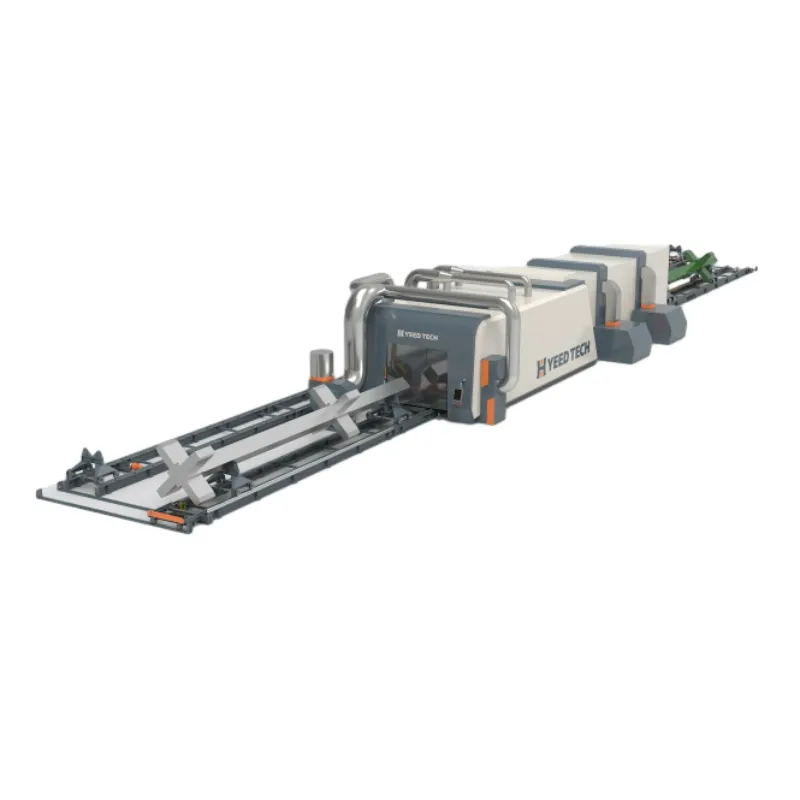
Fig 1: Automated structural coating application within a heavy steel structure painting line.
Technical Specifications of High-Performance Structural Coating Systems
Understanding the technical specifications of structural coating systems is crucial for engineers and procurement specialists to ensure optimal performance for specific applications. The following table outlines key parameters for a typical high-performance coating system designed for heavy industrial use, often applied through a Heavy Steel Structure Painting Line.
Product Specification Table: High-Performance Structural Coating System
| Parameter | Primer Coat (e.g., Zinc-Rich Epoxy) | Intermediate Coat (e.g., High-Build Epoxy) | Topcoat (e.g., Aliphatic Polyurethane) |
|---|---|---|---|
| Generic Type | Polyamide Epoxy with Zinc Dust | Amine-Adduct Cured Epoxy | Acrylic Polyurethane |
| Recommended DFT (µm) | 75 ± 10 | 150 ± 25 | 60 ± 10 |
| Volume Solids (%) | 65-70 | 80-85 | 50-55 |
| VOC Content (g/L) | <340 | <150 | <420 |
| Service Temperature Range (°C) | -20 to +120 (dry) | -20 to +140 (dry) | -20 to +90 (dry) |
| Adhesion (ASTM D4541) | >6 MPa (Substrate Failure) | >7 MPa (Cohesive Failure) | >5 MPa (Cohesive Failure) |
| Corrosion Resistance (ISO 12944 C5-M, Salt Spray ISO 9227) | Excellent (>4000 hrs) | Superior (>6000 hrs) | Very Good (>2000 hrs) |
| Chemical Resistance | Acids, Alkalis, Solvents | Broad Spectrum (High) | Splash & Fume |
Note: Specific values may vary by product formulation and manufacturer. Consult technical data sheets for precise details.
Application Scenarios and Real-World Case Studies
The versatility and robustness of structural coating systems enable their deployment across a myriad of challenging industrial environments. Their application extends beyond mere aesthetics, serving as a critical defense mechanism for assets facing severe operational stressors.
Typical Application Scenarios:
- Petrochemical & Refineries: Protection of storage tanks, pipelines, structural steelwork, and process equipment from aggressive chemicals, high temperatures, and atmospheric corrosion. Coatings here must resist hydrocarbons, acids, and alkalis.
- Power Generation: Safeguarding boiler structures, cooling towers, stacks, and associated infrastructure from elevated temperatures, moisture, and corrosive flue gases.
- Bridges & Infrastructure: Long-term protection for steel bridges, overpasses, and structural components exposed to extreme weather, de-icing salts, and urban pollution.
- Marine & Offshore: Critical for offshore platforms, ships, port facilities, and underwater structures facing constant immersion, salt spray, and abrasive forces.
- Mining & Heavy Machinery: Protecting heavy equipment, conveyor systems, and processing plants from severe abrasion, impact, and chemical attack in harsh environments.
Customer Feedback and Service Case Details:
A major client in the Middle Eastern petrochemical sector faced significant challenges with corrosion on their crude oil storage tanks due to high salinity and extreme temperatures. Traditional coating systems were failing within 3-5 years, leading to escalating structural steel painting cost and production downtime. By implementing a high-solids, multi-coat epoxy-polyurethane system applied through an advanced automated spray painting line, they achieved a projected service life of over 15 years. Post-application inspections and ongoing monitoring have shown excellent film integrity and no signs of premature degradation, resulting in a substantial reduction in maintenance cycles and overall operating expenses.
Another notable case involves a large-scale infrastructure project in Southeast Asia, where a newly constructed suspension bridge required a coating solution capable of withstanding tropical humidity, heavy rainfall, and seismic activity. Our recommended three-coat system, featuring an inorganic zinc silicate primer, an epoxy mid-coat, and a fluoropolymer topcoat, was specified. The automated application process on the Heavy Steel Structure Painting Line ensured consistent quality across thousands of tons of steel. After five years of service, independent third-party assessments confirmed the coating's exceptional performance, demonstrating superior gloss retention and minimal chalking or corrosion, surpassing initial client expectations and validating its long-term protective capabilities.
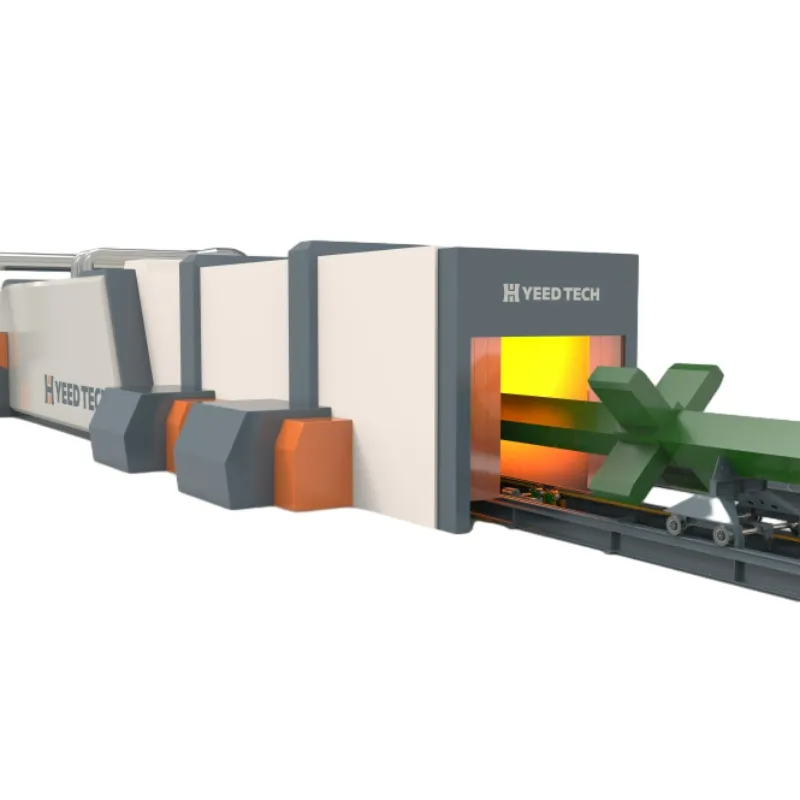
Fig 2: Coated heavy steel structures awaiting deployment, showcasing the durability provided by advanced structural coating.
Technical Advantages of Modern Structural Coating Solutions
The adoption of advanced structural coating systems offers a multitude of technical advantages that directly translate into operational benefits and significant long-term savings for industrial enterprises.
- Superior Corrosion Resistance: Engineered formulations, particularly those with zinc-rich primers and high-build epoxy intermediates, provide galvanic and barrier protection, effectively halting corrosion mechanisms even in the harshest C5-M (ISO 12944) environments. This vastly extends the operational life of steel assets.
- Reduced Maintenance Costs: By preventing degradation, these coatings drastically cut down on recurrent structural steel painting cost, repair, and replacement expenditures. Extended maintenance cycles lead to substantial operational savings over the asset's lifespan.
- Enhanced Durability and Abrasion Resistance: Many coating systems incorporate ceramic or aggregate fillers to withstand mechanical impact, abrasion, and erosion, particularly crucial for heavy machinery, marine structures, and areas prone to physical wear.
- Chemical and Heat Resistance: Specialized epoxies and novolac systems offer excellent resistance to a broad spectrum of industrial chemicals, acids, alkalis, and solvents. High-temperature tolerant coatings can protect assets in environments exceeding 200°C.
- Improved Safety and Environmental Compliance: Coatings can be formulated with anti-slip properties for walkways, passive fire protection (PFP) for structural integrity under heat, and in low-VOC (Volatile Organic Compound) versions to meet stringent environmental regulations and improve worker safety during application.
- Aesthetic and UV Stability: Aliphatic polyurethane and fluoropolymer topcoats provide excellent color and gloss retention, even under intense UV exposure, maintaining the aesthetic appeal of structures for longer periods.
- Efficient Application via Spray Painting Lines: Automated spray painting line technology ensures precise, uniform application, reducing material waste, accelerating project timelines, and achieving consistent film thickness and adhesion quality that manual application often cannot match.
Vendor Comparison: Evaluating Heavy Steel Structure Painting Lines
Selecting the right Heavy Steel Structure Painting Line is as critical as choosing the structural coating itself. Vendors offer various configurations and technologies, impacting throughput, quality, and operational cost. A comprehensive comparison is essential for informed decision-making.
Product Comparison Table: Automated Heavy Steel Structure Painting Lines
| Feature/Vendor | Vendor A (Entry-Level) | Vendor B (Mid-Range) | Vendor C (Premium/Yeeed) |
|---|---|---|---|
| Blasting Method | Wheel Blaster (Standard) | Wheel Blaster + Manual Touch-up | Advanced Multi-Wheel Blaster + Robotic/Automated Cleaning |
| Paint Application | Manual/Semi-automated Spray | Automated Gantry Spray | Robotic Spray System (6-axis) with Vision System |
| Drying Technology | Convection Oven (Basic) | Infrared/Convection Hybrid | Multi-zone IR/UV Curing with PLC Control |
| Max Workpiece Size (W x H) | 2m x 1m | 3m x 1.5m | 4m x 2m (Customizable up to 6m x 3m) |
| Throughput (Meters/min) | 0.5 - 1.5 | 1.0 - 2.5 | 2.0 - 4.0+ (Optimized) |
| Environmental Control | Basic Dust Collection | Integrated VOC & Dust Filtration | Advanced RTO/RCO + Multi-stage Filtration & Airflow Optimization |
| Automation & Control | Manual/Semi-Auto Controls | Basic PLC with HMI | Advanced Siemens/Rockwell PLC with SCADA, Remote Diagnostics |
This table illustrates that while entry-level systems offer basic functionality, premium lines like Yeeeed's Heavy Steel Structure Painting Line provide comprehensive automation, higher throughput, superior environmental control, and enhanced quality assurance, justifying the investment for high-volume or high-spec projects.
Customized Solutions for Unique Industrial Demands
Recognizing that no two industrial projects are identical, leading providers of structural coating solutions and associated painting lines offer extensive customization. This bespoke approach ensures that clients receive systems perfectly tailored to their specific operational requirements, facility constraints, and target performance metrics.
Customization extends to every facet of the coating process: from designing blast cleaning chambers with specialized abrasive recovery systems for unique structural geometries, to configuring multi-robot painting cells capable of handling intricate shapes and varying material thicknesses. Drying and curing ovens can be optimized for specific coating types (e.g., fast-drying epoxies, UV-curable polyurethanes) and throughput needs, utilizing hybrid heat sources for energy efficiency. Conveyor systems are adapted for diverse load capacities and material handling requirements, whether for heavy beams, complex assemblies, or delicate components. Environmental control systems are designed to meet local air quality regulations, often incorporating regenerative thermal oxidizers (RTOs) or catalytic oxidizers (RCOs) for VOC abatement and multi-stage particulate filtration.
Our team collaborates closely with clients from initial concept to commissioning, conducting detailed engineering analyses to account for factors such as plant layout, energy availability, substrate metallurgy, and desired coating specifications. This ensures that the final Heavy Steel Structure Painting Line not only integrates seamlessly into existing workflows but also delivers optimal performance with the lowest possible total cost of ownership.
Ensuring Quality, Authoritativeness, and Trustworthiness
Our commitment to Google standards is embedded in every aspect of our operations, from product development to customer service. We understand that in B2B, trust is built on verifiable expertise and transparent practices.
Authoritativeness:
- Certifications: Our manufacturing processes and quality management systems are certified to ISO 9001:2015 standards, ensuring consistent quality in the design, production, and installation of our Heavy Steel Structure Painting Lines. Specific coating materials we recommend are compliant with industry standards like ISO 12944, NACE, and SSPC.
- Partner Clients: We have a proven track record, having supplied solutions to leading engineering and fabrication firms in the oil & gas, infrastructure, and energy sectors globally. Our extensive client portfolio, developed over two decades of service, attests to our reliability and performance.
- Test Data and Verification: All recommended coating systems undergo rigorous in-house and independent third-party testing, including salt spray (ISO 9227), accelerated weathering, adhesion (ASTM D4541), and chemical resistance tests. Detailed test reports and performance data are available for project-specific evaluations.
Trustworthiness:
Our commitment to transparency and customer satisfaction underpins our business model.
- Lead Time & Fulfillment: Typical lead times for a customized Heavy Steel Structure Painting Line range from 12-24 weeks, depending on complexity and customization. We provide detailed project timelines, including design, manufacturing, factory acceptance testing (FAT), shipping, installation, and site acceptance testing (SAT), ensuring clear expectations and timely delivery.
- Warranty Commitments: All our equipment comes with a standard 12-month warranty from commissioning or 18 months from shipment, whichever comes first, covering manufacturing defects and component failures. Extended warranty options and service contracts are also available.
- Customer Support: We offer comprehensive after-sales support, including remote diagnostics, on-site technical assistance, spare parts availability, and training programs for client personnel. Our global network of service engineers ensures rapid response and minimizes potential downtime.
Frequently Asked Questions (FAQ) about Structural Coating
-
Q1: What are the primary types of structural coating?
A1: The primary types include epoxy, polyurethane, zinc-rich primers (inorganic and organic), and specialized systems like polyaspartic and fluoropolymer coatings. Each offers distinct properties tailored to specific environmental and performance requirements.
-
Q2: How important is surface preparation for structural coating application?
A2: Surface preparation is the most critical step. Up to 80% of coating failures are attributed to inadequate surface preparation. It ensures proper adhesion and extends the coating system's overall service life.
-
Q3: What factors influence the structural steel painting cost?
A3: Key factors include the type of coating system (material cost), extent of surface preparation required, labor costs, complexity of the structure, environmental conditions, and the application method (manual vs. automated spray painting line).
-
Q4: Can structural coating systems be applied in extreme weather conditions?
A4: While ideal conditions are preferred, specialized coating formulations exist for low-temperature or high-humidity applications. However, proper environmental control within a factory setting (like a Heavy Steel Structure Painting Line) significantly enhances application quality and curing.
-
Q5: What is the typical service life of a high-performance structural coating?
A5: A well-specified and properly applied multi-coat system can offer a service life ranging from 15 to over 25 years, depending on the corrosive environment (e.g., C3 to C5-M classification per ISO 12944) and maintenance regime.
Conclusion
The strategic deployment of advanced structural coating systems, particularly when integrated within high-efficiency automated painting lines, represents a pivotal investment for industries reliant on robust steel infrastructure. By offering unparalleled protection against corrosion and wear, these solutions not only drastically reduce maintenance costs and extend asset longevity but also contribute to enhanced operational safety and environmental compliance. Choosing a comprehensive solution from an experienced vendor ensures a future-proof investment that delivers sustained value and performance.
References
- ISO 12944-1:2018. Paints and varnishes — Corrosion protection of steel structures by protective paint systems — Part 1: General introduction. International Organization for Standardization.
- NACE International (AMPP). Coating Inspector Training & Certification Program Manuals.
- SSPC: The Society for Protective Coatings. Surface Preparation Standards and Coating Application Guides.
- ASTM International. Standard Test Method for Pull-Off Strength of Coatings Using Portable Adhesion Testers (ASTM D4541).
Latest News
-
Efficient automated hot air drying equipment for steel structure application
NewsApr.16,2026 -
Efficient hot air drying system for steel structure spraying line
NewsApr.09,2026 -
Optimizing Steel Structure Spraying with Hot Air Drying Technology Solutions
NewsApr.07,2026 -
HighEfficiency Hot Air Drying Painting Equipment for Superior Industrial Coatings
NewsApr.04,2026 -
Optimizing Industrial Processes with Hot Air Furnace Heating Spraying Systems
NewsMar.31,2026 -
Comprehensive Tailormade Steel Structure Spraying Solution for Enhanced Durability
NewsMar.28,2026 -
Optimizing Steel Structure Protection through Customization and Integration of Spraying System
NewsMar.26,2026


