


Durable Structural Coating | Expert Steel & Concrete Protection
Introduction to Structural Coating in Industrial Applications
In the demanding landscapes of modern industry, the longevity and structural integrity of heavy steel components are paramount. This criticality underscores the indispensable role of structural coating systems. Engineered to protect against a multitude of environmental and operational stressors, these specialized coatings serve as the primary defense mechanism for assets ranging from bridges and offshore platforms to intricate petrochemical facilities and vast manufacturing plants. They are not merely cosmetic applications but advanced protective layers designed to extend service life, reduce maintenance costs, and ensure operational safety.
The application of high-performance structural coatings is a complex engineering discipline, involving meticulous surface preparation, precise material selection, and sophisticated application techniques. The objective is to create a durable barrier that resists corrosion, abrasion, chemical attack, and UV degradation. This strategic investment safeguards critical infrastructure, preventing premature failure and the catastrophic economic and safety implications associated with structural degradation. As industrial demands intensify, the innovation in coating technologies continues to evolve, delivering even greater protection and efficiency.
Industry Trends in Structural Coating Technology
The structural coating sector is experiencing dynamic shifts, driven by evolving regulatory landscapes, technological advancements, and increasing demands for sustainability and performance. Key trends reflect an industry striving for greater efficiency, environmental responsibility, and enhanced protective capabilities.
- Sustainability and Low-VOC Solutions: There is a significant push towards developing and utilizing coatings with lower volatile organic compound (VOC) content, water-based formulations, and sustainable raw materials. This trend is fueled by stringent environmental regulations (e.g., EPA, REACH) and corporate sustainability initiatives aiming to minimize ecological footprint and improve worker safety.
- Automation and Smart Coating Lines: The adoption of automated spray painting line technologies is rapidly increasing. Robotic application systems, automated material handling, and integrated quality control sensors enhance precision, consistency, and speed, significantly reducing human error and labor costs. This is particularly crucial for large-scale operations and complex geometries.
- High-Performance and Specialty Coatings: Demand for coatings offering superior performance in extreme environments—such as high temperatures, aggressive chemicals, or severe abrasion—continues to grow. This includes passive fire protection (PFP) coatings, anti-graffiti, anti-corrosive, and antimicrobial coatings. Innovations in nanotechnology are enabling coatings with enhanced properties, including self-healing capabilities.
- Digitalization and IoT Integration: The integration of Internet of Things (IoT) sensors and data analytics in coating processes allows for real-time monitoring of application parameters, curing conditions, and even in-service performance. This data-driven approach facilitates predictive maintenance, optimizes processes, and ensures consistent quality.
- Longevity and Reduced Maintenance: End-users are increasingly prioritizing coatings that offer extended service life, thereby reducing the frequency and associated structural steel painting cost over the asset's lifespan. This drives research into more durable formulations and advanced surface preparation techniques.
These trends collectively underscore an industry committed to delivering more efficient, environmentally sound, and high-performing solutions for industrial asset protection.
The Process Flow of Heavy Steel Structure Painting
The application of a robust structural coating system is a multi-stage process, critical for achieving optimal adhesion, performance, and longevity. Utilizing a sophisticated Heavy Steel Structure Painting Line ensures precision, efficiency, and adherence to stringent quality standards.
Detailed Process Steps:
-
1. Material Handling & Pre-inspection:
Incoming heavy steel structures (often manufactured via casting, forging, or CNC machining) are inspected for surface defects, contaminants, and conformance to dimensions. Automated conveyor systems transport the components through the line.
-
2. Surface Preparation (Blast Cleaning):
This is the most critical step. Components enter a blast cleaning chamber where abrasive media (e.g., steel shot or grit) is propelled at high velocity. This removes rust, mill scale, old coatings, and other contaminants, creating an anchor profile essential for coating adhesion. Common standards include SSPC-SP 10 (Near-White Blast Cleaning) or ISO 8501-1 Sa 2.5.
Technical Note: A typical surface roughness (profile) of 50-75 microns (2-3 mils) is often specified, measured by instruments like a surface profile comparator or replica tape. This ensures optimal mechanical bonding. -
3. Dust Removal & Pre-treatment (Optional):
After blasting, remaining abrasive and dust are removed using high-pressure air blow-off systems or industrial vacuuming. For specific applications, a pre-treatment (e.g., phosphating) might be applied to enhance corrosion resistance and adhesion.
-
4. Primer Application:
Components move into the automated spray painting line booths. A primer (e.g., inorganic zinc-rich primer, epoxy primer) is applied. This initial layer provides primary corrosion protection and serves as a bonding layer for subsequent coats. Robotic sprayers ensure uniform dry film thickness (DFT).
-
5. Intermediate Coat(s) Application:
After the primer has sufficiently cured (flash-off time), one or more intermediate coats (e.g., high-build epoxy, polysiloxane) are applied. These coats build film thickness, enhance barrier protection, and provide additional properties like chemical resistance.
-
6. Topcoat Application:
The final topcoat (e.g., polyurethane, fluoropolymer) is applied. This layer provides aesthetic finish, UV resistance, color stability, and often the primary defense against atmospheric exposure and abrasion. Quality control systems monitor DFT and visual appearance.
-
7. Curing & Drying:
Coated structures pass through controlled drying ovens (forced air, infrared, or UV curing) to accelerate the curing process. Precise temperature and humidity control ensure proper cross-linking of the coating, achieving optimal hardness and chemical resistance.
-
8. Final Inspection & Quality Control:
A comprehensive inspection is performed, including DFT measurements (using magnetic or eddy current gauges), adhesion tests (cross-hatch, pull-off), visual checks for defects, and holiday detection for non-conductive coatings on conductive substrates. Conformance to specifications like ISO 12944 series for corrosion protection is verified.
-
9. Packaging & Dispatch:
Finished, fully cured components are carefully packaged to prevent damage during transit and dispatched.
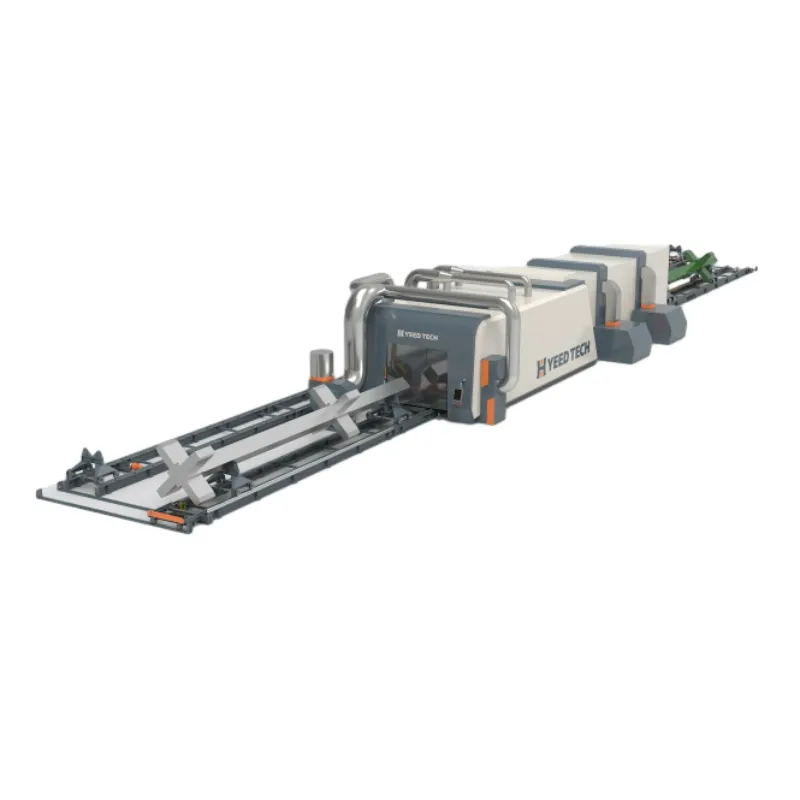
Figure 1: Automated Heavy Steel Structure Painting Line ensuring consistent application of structural coating.
Advantages of an Optimized Painting Line:
- Superior Corrosion Resistance: Meticulous surface preparation and controlled coating application lead to vastly improved protection against environmental corrosion, extending the service life of steel assets significantly, often exceeding 20-30 years in C5 environments (ISO 12944).
- Energy Saving: Modern painting lines incorporate energy-efficient blast cleaning systems, optimized drying ovens, and advanced air recirculation, reducing overall energy consumption compared to traditional methods.
- Consistency & Quality: Automation minimizes variability, ensuring uniform film thickness, adhesion, and appearance across all painted components, meeting standards like ANSI, ASTM, and ISO.
- Increased Throughput: Continuous flow processing significantly boosts production capacity, crucial for target industries like petrochemicals, metallurgy, and water supply & drainage, where large volumes of structural steel are processed.
- Reduced Emissions & Waste: Integrated filtration systems, solvent recovery, and optimized paint application (e.g., electrostatic spraying) reduce VOC emissions and material waste, aligning with environmental regulations.
Technical Specifications & Performance Parameters
The effectiveness of any structural coating system is quantified by its technical specifications and demonstrated performance parameters. These metrics are crucial for engineers and procurement specialists to ensure the selected solution meets project requirements and offers long-term value.
Key Performance Indicators for Structural Coatings:
- Dry Film Thickness (DFT): Critical for barrier protection; measured in microns (µm) or mils. Adherence to specified DFT ranges (e.g., 200-400 µm total for a multi-coat system) is vital.
- Adhesion Strength: Measured by pull-off tests (ASTM D4541 / ISO 4624), indicating how well the coating adheres to the substrate and subsequent layers. Typically rated in MPa or psi.
- Corrosion Resistance: Evaluated through accelerated aging tests like salt spray (ASTM B117 / ISO 9227), cyclic corrosion, and immersion tests (ISO 2812). Categorized by environmental aggressivity (e.g., C3, C4, C5-I, C5-M per ISO 12944).
- Impact Resistance: Ability of the coating to withstand physical blows without cracking or delaminating (ASTM D2794).
- Abrasion Resistance: Resistance to wear from friction or rubbing (ASTM D4060). Crucial for components exposed to material flow or mechanical stress.
- Chemical Resistance: Ability to withstand exposure to acids, alkalis, solvents, and other industrial chemicals (ISO 2812).
- UV Stability & Color Retention: For exterior applications, resistance to fading, chalking, and degradation from ultraviolet radiation (ASTM G154, ASTM G155).
- Flexibility: Ability to bend without cracking, important for structures that may experience slight movement or thermal expansion/contraction.
Heavy Steel Structure Painting Line Specifications:
A state-of-the-art spray painting line integrates advanced features to optimize the application of structural coating, directly impacting the final product's quality and the overall structural steel painting cost efficiency.
These specifications are critical for justifying the initial investment, as they directly correlate with the performance, reliability, and long-term economic benefits derived from a high-quality structural coating application system.
Application Scenarios & Technical Advantages
The robust protection offered by advanced structural coating systems makes them indispensable across a diverse range of heavy industries, where environmental severity and operational demands necessitate maximum asset integrity.
Target Industries & Typical Application Scenarios:
- Petrochemical & Oil & Gas: Protecting pipelines, storage tanks, refinery structures, and offshore platforms from highly corrosive hydrocarbons, saltwater, and harsh atmospheric conditions. Coatings must withstand extreme temperatures, chemical exposure, and mechanical abrasion.
- Metallurgy & Mining: Coating structural steel in smelters, foundries, and processing plants where high heat, abrasive dust, and aggressive chemical fumes are prevalent. Conveyor systems, support structures, and hoppers benefit significantly.
- Water Supply & Drainage: Essential for protecting components in wastewater treatment plants, pumping stations, and water storage facilities from constant immersion, biological growth, and chemical attack (e.g., hydrogen sulfide).
- Infrastructure (Bridges, Marine, Power Plants): Critical for long-span bridges, port facilities, offshore wind turbines, and power generation structures exposed to severe weather, marine environments, and high UV radiation.
- Heavy Manufacturing & Construction: Protecting steel frameworks, machinery components, and industrial buildings from wear, chemical spills, and general environmental degradation.
Technical Advantages:
- Extended Asset Life: By preventing corrosion, erosion, and chemical degradation, coatings dramatically extend the operational lifespan of steel assets, delaying replacement cycles and preserving capital investments.
- Reduced Maintenance Costs: High-performance coatings significantly lower the frequency and intensity of maintenance activities, minimizing labor, material, and downtime expenses associated with repair and recoating, thereby optimizing the overall structural steel painting cost.
- Enhanced Safety: Maintaining structural integrity through effective coating prevents catastrophic failures caused by corrosion-induced weakening, safeguarding personnel and environmental health. Fireproofing coatings add an extra layer of safety.
- Operational Efficiency: Smooth, well-protected surfaces can improve fluid flow in pipelines and reduce friction in machinery, while consistent coating quality from an automated spray painting line ensures predictable performance.
- Aesthetic Preservation: Beyond protection, coatings provide a durable, color-stable finish, maintaining the aesthetic appeal and brand image of facilities and infrastructure.
- Compliance with Standards: Utilizing certified coating systems and application processes ensures compliance with international standards (e.g., ISO, NACE, SSPC), which is crucial for regulated industries and global projects.
Vendor Comparison for Structural Coating Solutions
Selecting the right vendor for a heavy steel structure painting line and associated structural coating solutions is a strategic decision that impacts project timelines, quality, and long-term operational costs. A thorough comparison based on key criteria is essential for B2B decision-makers.
Factors for Vendor Evaluation:
- Technology & Innovation: Assess the vendor's commitment to R&D, use of cutting-edge robotics, IoT integration, and ability to offer advanced coating technologies (e.g., smart coatings, low-VOC systems).
- Customization Capabilities: Can the vendor tailor the spray painting line to specific workpiece dimensions, production throughputs, and unique coating requirements?
- Quality & Compliance: Evaluate certifications (ISO 9001, CE), adherence to international coating standards (ISO 12944, NACE, SSPC), and track record of quality assurance.
- Service & Support: Availability of technical support, spare parts, training, and robust after-sales service is paramount for operational continuity.
- Cost-Effectiveness (Total Cost of Ownership): Beyond the initial purchase price, consider operational costs (energy, labor, consumables), maintenance, and the long-term impact on structural steel painting cost and asset longevity.
- Experience & Reputation: Look at years in service, client testimonials, completed projects, and industry reputation.
For high-volume, precision-critical applications with long-term cost optimization in mind, automated lines are generally preferred despite higher initial capital expenditure. For smaller operations or highly unique, low-volume projects, semi-automated systems might offer a more balanced initial structural steel painting cost.
Customized Solutions for Structural Coating
Off-the-shelf solutions often fall short in addressing the intricate and diverse requirements of heavy industrial applications. Recognizing this, leading providers of structural coating lines offer highly customized solutions, precisely engineered to client-specific operational parameters and environmental challenges.
Customization extends beyond mere dimensions; it encompasses a holistic approach to the entire painting process, ensuring seamless integration with existing factory layouts and production workflows.
Key Areas of Customization:
- Workpiece Size & Geometry: Tailoring the blast chamber, spray booths, and curing ovens to accommodate structures of unique sizes, weights, and complex shapes. This includes custom conveyor systems (overhead, floor, or specialized jigs).
- Throughput Requirements: Designing the spray painting line speed, number of robotic applicators, and drying capacity to meet specific production volumes and cycle times.
- Coating System Specifics: Configuring the line for particular multi-coat systems, special materials (e.g., thermal spray, intumescent coatings), or specific viscosity and drying characteristics. This includes precise climate control within booths.
- Environmental Controls: Implementing advanced VOC abatement systems, dust collection, and solvent recovery tailored to local environmental regulations and specific coating chemistries.
- Automation Level: Offering a spectrum from semi-automated lines with manual stations for intricate areas to fully robotic, lights-out operations. Integration with ERP/MES systems for data exchange and process control.
- Energy Efficiency: Incorporating heat recovery systems, optimized airflows, and efficient drying technologies to minimize energy consumption and reduce operational structural steel painting cost.
- Site Integration: Working closely with clients to design a layout that seamlessly fits into existing facilities, considering space constraints, utilities, and material flow.
A true custom solution provides not just equipment, but a complete, optimized process that delivers superior coating quality, operational efficiency, and a competitive edge. This collaborative engineering approach ensures that the final system perfectly aligns with the client's strategic goals and operational realities.
Application Case Studies & Real-World Results
The tangible benefits of investing in advanced structural coating solutions are best demonstrated through real-world application case studies, highlighting quantifiable improvements in efficiency, durability, and cost-effectiveness.
Case Study 1: Large-Scale Offshore Wind Turbine Components
- Client: Leading European Wind Energy Manufacturer
- Challenge: Manual coating of massive wind turbine towers and foundations led to inconsistent film thickness, high labor costs, prolonged cycle times, and challenges in achieving C5-M (very high, marine) corrosion protection.
- Solution: Implementation of a fully automated Heavy Steel Structure Painting Line with a high-capacity blast cleaning unit, multiple robotic sprayers for zinc-rich epoxy primer and polyurethane topcoat, and a controlled curing oven. The system was designed for 25m long, 5m diameter sections.
- Results:
- 35% Reduction in Structural Steel Painting Cost: Achieved through reduced labor, optimized paint consumption, and faster throughput.
- 80% Improvement in DFT Uniformity: Ensuring consistent corrosion protection across all surfaces, surpassing ISO 12944 requirements.
- 50% Decrease in Cycle Time: From preparation to final cure, significantly boosting production capacity.
- Enhanced Worker Safety: Reduced exposure to solvents and abrasive dust.
Case Study 2: Petrochemical Plant Infrastructure Protection
- Client: Major Middle Eastern Petrochemical Company
- Challenge: Protecting complex pipe racks, structural supports, and vessel skirts from aggressive chemical fumes, high humidity, and extreme heat in an operational petrochemical plant. Existing coatings failed prematurely (every 5-7 years).
- Solution: Development of a customized multi-coat system, including an inorganic zinc-rich primer, a high-build epoxy intermediate, and a fluoropolymer topcoat, known for its superior chemical and UV resistance. The coating was applied using a specialized, semi-automated spray painting line designed for repetitive, modular components.
- Results:
- Projected Service Life of 25+ Years: Far exceeding previous coating systems.
- Reduced Recoating Frequency: Leading to significant savings in maintenance and operational downtime, positively impacting the long-term structural steel painting cost.
- Enhanced Chemical Resistance: Preventing material degradation even under incidental spills or prolonged exposure to corrosive atmospheres.
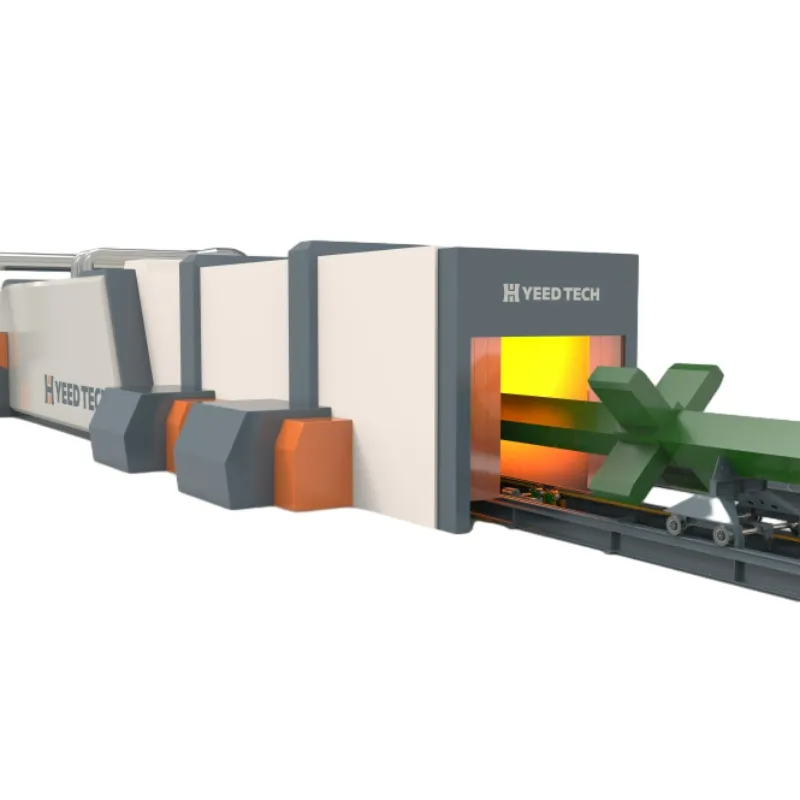
Figure 2: A newly coated heavy steel structure, ready for deployment, showcasing the quality of the structural coating.
These case studies underscore the transformative impact of meticulously engineered structural coating systems and the advanced painting lines used for their application, offering not just protection, but a significant return on investment.
Ensuring Trustworthiness: FAQ, Lead Time, Warranty & Support
Beyond technical specifications and performance, trustworthiness is a cornerstone of B2B relationships. Transparency regarding frequently asked questions, project timelines, warranty commitments, and robust after-sales support builds lasting confidence.
Frequently Asked Questions (FAQ):
- Q1: What is the typical service life expected from an advanced structural coating system?
- A1: With proper surface preparation and application using a high-quality Heavy Steel Structure Painting Line, a multi-coat system designed for C5-M (severe marine/industrial) environments can provide a service life exceeding 20-30 years, significantly reducing the long-term structural steel painting cost.
- Q2: How does an automated spray painting line improve coating quality compared to manual application?
- A2: Automation ensures unparalleled consistency in dry film thickness (DFT), uniform coverage, and optimal adhesion. Robots eliminate human error, fatigue, and variability, leading to a much higher quality, more durable, and aesthetically superior finish that meets stringent international standards like ISO 12944 and NACE/SSPC.
- Q3: What environmental regulations do your painting lines comply with?
- A3: Our painting lines are designed to comply with global and regional environmental regulations, including EPA (US), REACH (EU), and local air quality standards. They integrate advanced VOC abatement technologies (e.g., RTOs, carbon filters) and highly efficient paint application methods to minimize emissions and waste.
- Q4: Can the painting line handle various types of coatings?
- A4: Yes, our Heavy Steel Structure Painting Lines are highly versatile. They are engineered to accommodate a wide range of industrial coatings, including epoxies, polyurethanes, zinc-rich primers, alkyds, and water-based systems, with quick changeover capabilities for different paint types.
Lead Time & Fulfillment:
Project lead times for a complete Heavy Steel Structure Painting Line typically range from 6 to 12 months, depending on the level of customization, complexity, and overall line length. This includes design, manufacturing, factory acceptance testing (FAT), shipping, installation, and on-site commissioning. We maintain transparent communication throughout the project lifecycle, providing regular updates on milestones and delivery schedules. Our global logistics network ensures efficient and secure delivery to client sites worldwide.
Warranty Commitments:
We stand behind the quality and reliability of our Heavy Steel Structure Painting Lines with a comprehensive warranty. Standard warranty periods typically cover 12 to 24 months from the date of commissioning, covering manufacturing defects and component failures under normal operating conditions. Extended warranty options and service level agreements (SLAs) are available to provide additional peace of mind and long-term operational assurance. Specific warranty details are outlined in each project contract.
Customer Support & After-Sales Service:
Our commitment extends well beyond installation. We provide a full spectrum of after-sales support to ensure continuous, optimal performance of your spray painting line:
- Technical Training: On-site training for operators and maintenance personnel on system operation, programming, and routine maintenance.
- Remote Diagnostics & Support: 24/7 remote monitoring and troubleshooting capabilities, often resolving issues without on-site visits.
- Spare Parts Availability: A robust global supply chain ensures timely delivery of critical spare parts to minimize downtime.
- Preventative Maintenance Programs: Tailored service contracts for regular inspections and preventative maintenance to maximize uptime and prolong equipment life.
- Upgrade & Modernization Services: Support for future upgrades to incorporate new technologies or adapt to changing production needs.
Our dedicated team of engineers and service technicians is committed to delivering prompt and effective support, ensuring your investment in structural coating technology continues to deliver maximum value.
Conclusion
The strategic application of advanced structural coating via modern, automated Heavy Steel Structure Painting Lines represents a critical investment for industries reliant on heavy steel assets. From mitigating the relentless forces of corrosion in petrochemical plants to safeguarding vital infrastructure components from the elements, these coating systems are fundamental to operational continuity, safety, and long-term economic viability. The evolving landscape of coating technology, characterized by sustainable formulations, increased automation, and data-driven intelligence, promises even greater efficiencies and performance in the years to come. By prioritizing high-quality application processes and partnering with experienced vendors, B2B decision-makers can ensure their assets receive the unparalleled protection required to thrive in the most demanding industrial environments, optimizing total cost of ownership and securing competitive advantage.
References
- ISO 12944: Paints and varnishes — Corrosion protection of steel structures by protective paint systems. International Organization for Standardization.
- SSPC: The Society for Protective Coatings standards.
- NACE International: Corrosion prevention and control standards.
- ASTM International: Standards for testing and materials, including coating performance.
- U.S. Environmental Protection Agency (EPA): Regulations on VOC emissions from coating operations.
Latest News
-
Efficient automated hot air drying equipment for steel structure application
NewsApr.16,2026 -
Efficient hot air drying system for steel structure spraying line
NewsApr.09,2026 -
Optimizing Steel Structure Spraying with Hot Air Drying Technology Solutions
NewsApr.07,2026 -
HighEfficiency Hot Air Drying Painting Equipment for Superior Industrial Coatings
NewsApr.04,2026 -
Optimizing Industrial Processes with Hot Air Furnace Heating Spraying Systems
NewsMar.31,2026 -
Comprehensive Tailormade Steel Structure Spraying Solution for Enhanced Durability
NewsMar.28,2026 -
Optimizing Steel Structure Protection through Customization and Integration of Spraying System
NewsMar.26,2026


