


Durable Structural Coating for Steel Protection & Longevity
The Imperative of Advanced Protective Coatings in Modern Industrial Operations
In the demanding landscape of heavy industries, the long-term integrity and performance of steel structures are paramount. Protecting these critical assets from environmental degradation, chemical exposure, and mechanical wear is not merely a maintenance task but a strategic imperative. This is where advanced structural coating technologies, particularly those implemented via sophisticated heavy steel structure painting lines, play a pivotal role. These specialized coating systems are engineered to provide a robust barrier, significantly extending asset lifespan, reducing operational downtime, and ensuring compliance with stringent safety and environmental regulations.
The economic implications of inadequate structural protection are substantial, encompassing costly repairs, premature replacements, and potential operational halts. Therefore, investing in a high-quality protective solution, facilitated by an efficient spray painting line, is a fundamental component of sustainable industrial management, offering unparalleled corrosion resistance and durability for steel structures across diverse sectors.
Comprehensive Process Flow for Heavy Steel Structure Painting Lines
The application of a high-performance industrial coating involves a meticulously engineered process flow to ensure optimal adhesion, coverage, and longevity. Unlike simple painting, this multi-stage operation is designed for heavy steel structures, demanding precision and adherence to strict technical specifications. The typical process within a heavy steel structure painting line encompasses several critical phases:
1. Surface Preparation (Pre-Treatment)
- Degreasing & Cleaning: Initial removal of oils, greases, dirt, and contaminants using alkaline solutions or solvent degreasers, often followed by a water rinse. This step is crucial for preventing adhesion failures.
- Abrasive Blasting: The most critical step. Steel structures undergo automated or semi-automated abrasive blasting (e.g., shot blasting, grit blasting) to remove rust, mill scale, and old coatings. This creates a clean, roughened profile (e.g., SSPC-SP 10 Near-White Blast or Sa 2.5 per ISO 8501-1) essential for mechanical adhesion of the subsequent coating layers. The blast profile, typically measured in mils or microns, directly influences coating bond strength.
- Dust Removal: Thorough vacuuming or air blowing to remove abrasive residues and dust particles from the blasted surface. Residual dust can act as a bond breaker, compromising the integrity of the coating system.
2. Coating Application
- Primer Application: The first layer, typically an inorganic zinc-rich primer or epoxy primer, applied immediately after blasting to prevent flash rusting and provide foundational corrosion protection. Application is often via automated airless spray systems within a controlled spray painting line, ensuring uniform coverage.
- Intermediate Coat (Optional): Depending on the specification, one or more intermediate coats (e.g., high-build epoxy) may be applied. These layers enhance film thickness, barrier protection, and improve inter-coat adhesion, especially in multi-layer systems.
- Topcoat Application: The final protective and aesthetic layer (e.g., polyurethane, fluoropolymer, or acrylic urethane) provides UV resistance, chemical resistance, and the desired finish. This often occurs within an enclosed spray booth with optimized ventilation, temperature, and humidity control to prevent curing defects.
3. Curing and Drying
After application, the applied coating undergoes a controlled curing process. This can involve ambient air drying, forced air drying, or oven curing, depending on the coating chemistry and desired throughput. Proper curing ensures the coating achieves its designed mechanical properties, hardness, chemical resistance, and cross-linking density.
4. Quality Control & Inspection
Throughout the process, rigorous quality control checks are performed to comply with standards such as ISO and ANSI:
- Surface Profile Measurement: Post-blasting, using methods like replica tape or a depth micrometer to ensure the correct anchor pattern for coating adhesion.
- Dry Film Thickness (DFT) Measurement: Using electromagnetic gauges, ensuring adherence to specified coating schedules (e.g., NACE/SSPC standards) for each layer and total film build.
- Adhesion Testing: Cross-cut or pull-off tests (e.g., ASTM D3359, ASTM D4541) to verify the bond strength between the coating and substrate, and between successive layers.
- Visual Inspection: Checking for defects like runs, sags, holidays (pinholes), blistering, or inadequate coverage.
The typical service life of an expertly applied coating system can range from 15 to 30+ years, depending on the environment, coating type, and maintenance schedule. These advanced painting lines are indispensable for target industries such as:
- Petrochemical: Protecting tanks, pipelines, and structural supports from aggressive chemicals, high temperatures, and corrosive atmospheric conditions.
- Metallurgy: Ensuring the longevity of furnaces, conveyors, and processing equipment in high-heat and abrasive environments.
- Water Supply & Drainage: Safeguarding internal and external surfaces of pipes, reservoirs, and treatment plants against water-borne corrosion and biological fouling.
- Infrastructure: Bridges, power transmission towers, and railway components requiring long-term environmental protection and aesthetic retention.
Advantages demonstrated in these scenarios include significant energy saving through reduced need for frequent recoating and repair, superior corrosion resistance, and enhanced operational safety.
Key Industry Trends in Structural Coating
The industry for structural coating is constantly evolving, driven by demands for increased sustainability, performance, and efficiency. Several key trends are shaping its future:
- Eco-friendly Formulations: A major shift towards coatings with lower Volatile Organic Compound (VOC) content, water-borne systems, and solvent-free technologies. This trend is fueled by stricter environmental regulations and corporate sustainability goals, impacting the overall `structural steel painting cost` through compliance and material choices.
- Smart Coatings: Development of coatings with self-healing properties, corrosion indicators, and even anti-fouling characteristics, offering proactive maintenance and extended service life for critical assets.
- Advanced Application Technologies: Increased automation in spray painting line operations, including robotic sprayers, artificial intelligence (AI) guided systems, and advanced material handling, to improve coating consistency, reduce labor costs, and enhance worker safety.
- High-Performance Polymers: Research into advanced polymer matrices, such as polysiloxanes, fluoropolymers, and ceramic-reinforced coatings, for superior chemical, UV, abrasion, and thermal resistance, especially in extreme environments.
- Digitalization and IoT Integration: Integration of sensors and data analytics in painting lines to monitor environmental conditions, coating parameters (e.g., film thickness, temperature, humidity), and equipment performance in real-time. This optimizes the application process, predicts maintenance needs, and provides verifiable quality assurance data.
These trends collectively aim to deliver more durable, efficient, and environmentally responsible protection for heavy steel structures, enhancing long-term asset value.
Technical Specifications and Product Parameters
The efficacy of a heavy steel structure painting line is directly proportional to its technical specifications and the quality of the applied protective finish. Below is a representative table outlining key parameters for a state-of-the-art painting line, alongside common coating system specifications to illustrate the comprehensive nature of protection.
Heavy Steel Structure Painting Line Parameters
| Parameter | Specification | Benefit |
|---|---|---|
| Max. Workpiece Dimensions (L×W×H) | Up to 30m × 5m × 4m | Accommodates very large and complex structural components, enhancing project flexibility. |
| Conveyor Speed Range | 0.5 - 2.0 m/min (infinitely adjustable) | Optimizes throughput and coating quality based on material, coating type, and curing requirements. |
| Surface Preparation Standard | Sa 2.5 (ISO 8501-1) / SSPC-SP 10 | Ensures superior adhesion and longevity of the coating by achieving a near-white metal finish. |
| Coating Application Method | Automated Airless Spray (Robotic & Manual Assist) | Provides high efficiency, uniform film thickness, and minimizes overspray for consistent results. |
| Drying/Curing System | Forced Air/Infrared/UV/Combination | Accelerated curing, reduced cycle times, and enhanced physical properties of the coating. |
| Environmental Control (Booth) | Temperature, Humidity, Airflow Control (±2°C, ±5% RH) | Maintains optimal conditions for application and curing, minimizing defects like blushing or solvent pop. |
| Filtration Efficiency | >99.5% for particulates (HEPA option available) | Ensures a clean coating environment, enhances worker safety, and captures VOCs efficiently. |
Typical Multi-Layer Structural Coating System Specifications
| Coating Layer | Type (Example) | Dry Film Thickness (DFT) | Key Function |
|---|---|---|---|
| Primer | Inorganic Zinc-Rich Epoxy | 75 - 100 µm (3-4 mils) | Provides galvanic and barrier corrosion protection, excellent adhesion to steel. |
| Intermediate Coat | High-Build Epoxy Polyamide | 150 - 250 µm (6-10 mils) | Enhances barrier protection, chemical resistance, and provides significant film build. |
| Topcoat | Aliphatic Polyurethane | 50 - 75 µm (2-3 mils) | Offers UV stability, color retention, excellent abrasion, and chemical resistance, and desired aesthetics. |
| Total DFT | 275 - 425 µm (11-17 mils) | Comprehensive long-term protection in harsh industrial and marine environments. |
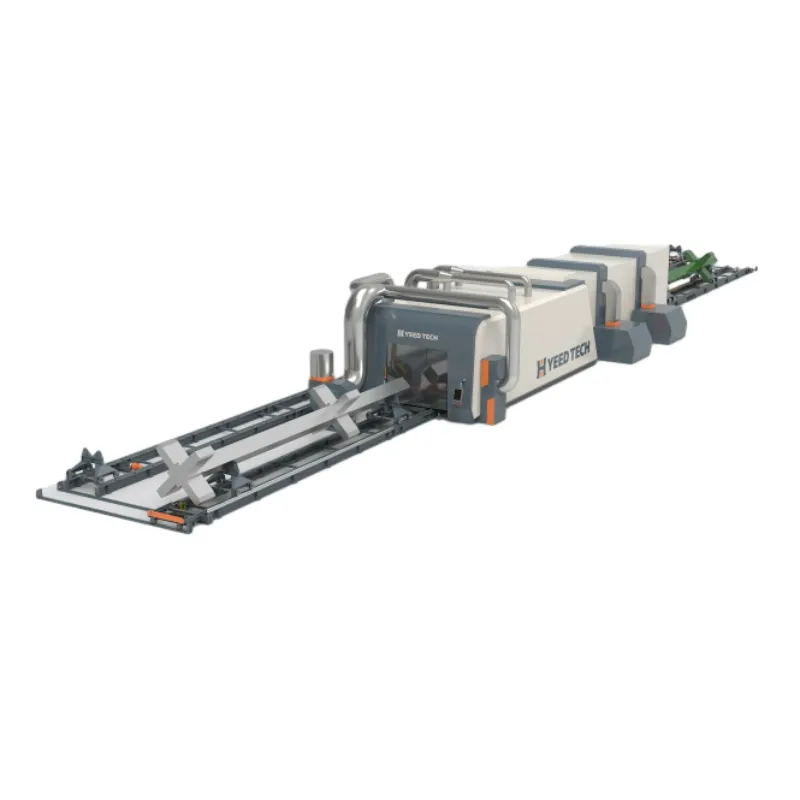 Image: Automated heavy steel structure painting line ensuring precise coating application.
These specifications highlight the advanced engineering required to deliver high-quality structural coating solutions, ensuring maximum protection and return on investment. The `structural steel painting cost` is directly influenced by the complexity of these systems and the precision of the application process.
Diverse Application Scenarios and Enhanced Durability
The demand for robust structural coating solutions spans a multitude of industries where steel assets are exposed to aggressive operational and environmental conditions. The adaptability of modern heavy steel structure painting lines allows for tailored solutions across diverse applications:
- Oil & Gas Sector: Pipelines, offshore platforms, refinery structures, and storage tanks are continuously exposed to corrosive hydrocarbons, saline environments, and extreme temperatures. A high-performance protective system here prevents critical failures, mitigates leaks, and protects against atmospheric corrosion, ensuring operational continuity.
- Power Generation: Thermal, nuclear, and renewable energy plants, including components like boiler supports, turbine housings, and cooling towers, require coatings that withstand high temperatures, chemical attack, and radiation. The precise application within a controlled spray painting line ensures compliance with stringent safety and performance standards.
- Marine & Shipbuilding: Hulls, decks, and superstructures of ships, as well as port infrastructure, face constant immersion in saltwater, abrasion, and biofouling. Specialized anti-corrosive and anti-fouling coatings applied to exacting standards are essential for longevity, fuel efficiency, and reduced maintenance.
- Mining & Heavy Machinery: Equipment such as excavators, crushers, and conveyors operate in highly abrasive, dusty, and often chemically aggressive environments. Coatings designed for extreme wear resistance and impact protection are critical to minimize downtime and maintenance costs, directly influencing the `structural steel painting cost` over the equipment's lifespan.
- Architectural & Infrastructure: Iconic bridges, large commercial buildings, and public infrastructure benefit from aesthetic and protective coatings that offer long-term weatherability, UV resistance, and corrosion control, significantly extending service intervals.
In each scenario, the careful selection of coating materials and the precision of the application process on a heavy steel structure painting line contribute directly to enhanced durability, reduced through-life costs, and improved safety performance.
Technical Advantages of Advanced Painting Lines
Implementing a dedicated heavy steel structure painting line for heavy-duty protection offers distinct technical advantages over manual or less integrated approaches:
- Superior Coating Uniformity: Automated and robotic spray systems ensure consistent film thickness across complex geometries, eliminating human error and variations inherent in manual application. This translates to predictable performance and extended service life.
- Optimized Adhesion: Integrated blasting and surface preparation stages achieve precise surface profiles (e.g., SSPC-SP 10), which are paramount for the mechanical bonding of the applied coating. This leads to significantly enhanced adhesion and reduced risk of delamination or premature coating failure.
- Enhanced Process Control: Environmental controls within the painting booths (temperature, humidity, airflow) are meticulously maintained, preventing common coating defects such as blushing, pinholes, or solvent entrapment, which can compromise coating integrity and performance.
- Increased Throughput and Efficiency: Continuous flow systems and optimized material handling significantly reduce cycle times, allowing for higher volumes of coated components with consistent quality. This efficiency directly impacts `structural steel painting cost` and project timelines, offering a competitive advantage.
- Reduced Material Waste: Advanced spray technology, including electrostatic application and optimized gun settings, minimizes overspray and material consumption, leading to substantial cost savings and environmental benefits through reduced waste generation.
- Improved Worker Safety: Automated systems reduce operator exposure to hazardous materials (solvents, paint mists, abrasives) and repetitive tasks, contributing to a safer and more ergonomic working environment.
These advantages underscore the value proposition of investing in a high-quality heavy steel structure painting line, delivering long-term performance and economic benefits through superior protection.
Vendor Comparison and Selection Criteria
Selecting the right vendor for a heavy steel structure painting line and associated coating solutions is a critical decision that impacts long-term operational efficiency and asset protection. Key factors for comparison include:
- Technological Sophistication: Evaluate the level of automation, precision of application equipment (e.g., robotic sprayers, advanced PLC controls, 3D scanning for complex parts), and integration of environmental controls within their spray painting line offerings.
- Customization Capabilities: A vendor's ability to tailor the painting line to specific workpiece dimensions, throughput requirements, and specialized coating types (e.g., intumescent, thermal spray, ceramic hybrid coatings) is crucial for optimal integration and performance.
- Compliance and Certifications: Look for adherence to international standards such as ISO 9001 for quality management, ISO 14001 for environmental management, and CE marking for European market conformity, demonstrating authoritativeness and trustworthiness.
- After-Sales Support & Service: Comprehensive maintenance contracts, spare parts availability, rapid technical support, and extensive operator training are vital for sustained operational excellence and minimizing unplanned downtime.
- Experience and Track Record: Assess the vendor's years of service in the heavy industrial sector, their portfolio of successful installations, and client testimonials, which speak to their expertise and experience in delivering reliable solutions.
- Total Cost of Ownership (TCO): Beyond the initial purchase price, consider the long-term operational costs including energy consumption, material efficiency, labor requirements, and maintenance expenses, which are significant contributors to the overall `structural steel painting cost`.
A thorough vendor assessment ensures the selection of a partner capable of delivering a reliable, high-performance coating solution that aligns with specific business objectives and industry demands.
Tailored Customized Solutions
Recognizing that no two industrial operations are identical, leading providers of heavy steel structure painting lines excel in offering highly customized solutions for structural coating. This bespoke approach ensures optimal integration with existing plant layouts, specific production demands, and unique material handling requirements.
- Modular Design: Systems are often designed with modular components (e.g., blasting chamber, paint booth, drying oven, conveying systems) that can be configured to fit available space, accommodate diverse production volumes, and allow for future expansion plans.
- Specialized Material Handling: Custom conveyor systems (e.g., overhead, roller, bogie-type), gantry cranes, and robotic manipulators are engineered to safely and efficiently transport heavy and unusually shaped steel components throughout the spray painting line, minimizing manual intervention and risk.
- Process Specifics: Customization extends to accommodating specific surface preparation requirements (e.g., particular abrasive media, multiple blasting heads for complex profiles), application technologies (e.g., powder coating lines, plural component sprayers for specialized chemistries), and curing methods (e.g., high-temperature ovens for specific polymer systems).
- Integration with Existing Systems: Seamless integration with upstream fabrication processes (e.g., welding, assembly, CNC machining) and downstream logistics ensures a smooth, uninterrupted production flow, optimizing overall manufacturing efficiency.
Through close collaboration with clients, a detailed understanding of their operational challenges, and advanced engineering capabilities, truly customized coating solutions are developed to maximize efficiency, reduce long-term `structural steel painting cost`, and deliver superior long-term asset protection.
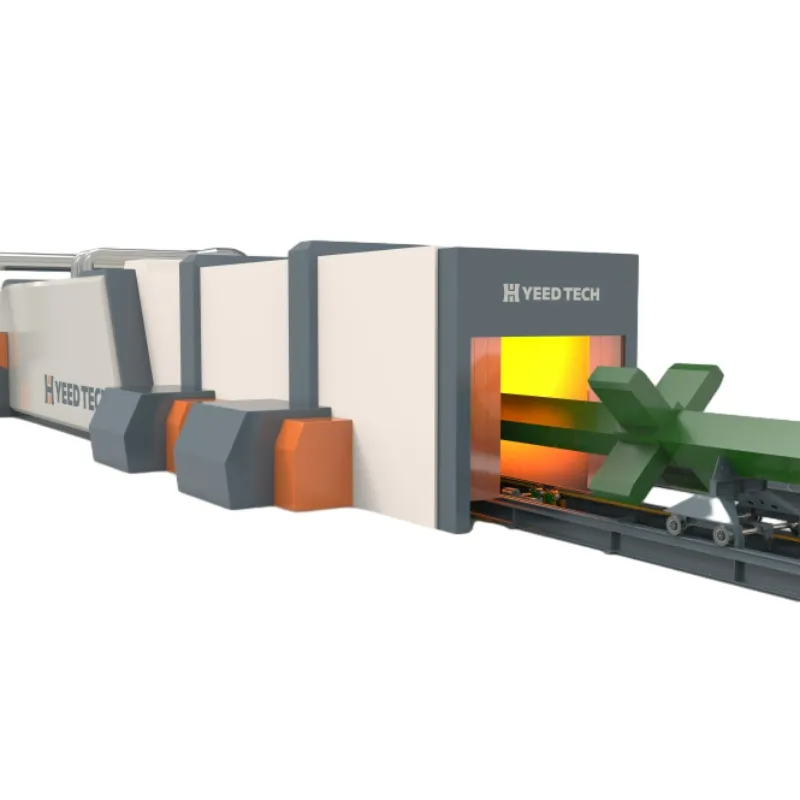 Image: Robotic spray application for consistent and efficient structural coating on complex geometries.
Application Case Studies: Real-World Impact
The tangible benefits of advanced heavy steel structure painting lines for asset protection are best illustrated through real-world applications where performance, efficiency, and durability are paramount:
-
Case Study 1: Large-Scale Bridge Construction Project
Challenge: A major infrastructure project required corrosion protection for thousands of tons of structural steel for a new bridge, demanding a 25-year service life in a highly corrosive coastal environment. Manual painting methods were deemed too slow, inconsistent, and cost-prohibitive for the scale.
Solution: Implementation of a fully automated heavy steel structure painting line, featuring multi-stage shot blasting to Sa 2.5 and a robust three-coat epoxy-polyurethane coating system. The line incorporated robotic inspection for quality assurance.
Outcome: Achieved a consistent Dry Film Thickness (DFT) of 350 µm with less than 1% rejection rate, completing the coating of large girders and support structures significantly ahead of schedule. The projected `structural steel painting cost` over the lifecycle was demonstrably reduced due to extended coating durability and minimized recoating cycles. -
Case Study 2: Petrochemical Plant Expansion in a Harsh Environment
Challenge: Protecting complex pipe racks, pressure vessels, and processing equipment from aggressive chemical exposure, high temperatures, and severe atmospheric corrosion during a plant expansion project. Coating application needed to be precise and meet stringent NACE/SSPC specifications.
Solution: A customized spray painting line with specialized ventilation, temperature, and humidity control for high-solids, plural-component epoxy coatings. Robotic arms were deployed for intricate pipework and complex vessel geometries to ensure uniform coverage and film build.
Outcome: Delivered superior chemical resistance and adhesion, verified by third-party inspection to NACE Level 3. The controlled environment mitigated VOC emissions by over 30%, aligning with the client's environmental commitments and local regulatory requirements. Client feedback highlighted the consistent quality, rapid turnaround, and adherence to strict specifications, minimizing commissioning delays. -
Case Study 3: Renewable Energy Wind Turbine Fabrication
Challenge: Coating large wind turbine tower sections and nacelle components to withstand harsh offshore weather conditions, including intense UV radiation, corrosive salt spray, and extreme temperature fluctuations, while maintaining a high-performance aesthetic finish for brand consistency.
Solution: An integrated painting line capable of handling large cylindrical sections, utilizing an environmentally controlled paint booth and a fast-curing polysiloxane topcoat for enhanced UV and abrasion resistance. The line featured automated internal coating capabilities for tower sections.
Outcome: Achieved a uniform, high-gloss finish with exceptional durability, exceeding specified performance benchmarks in accelerated weathering and salt spray tests (ASTM B117). The efficient line minimized production bottlenecks, crucial for meeting renewable energy deployment targets, and significantly reduced overall `structural steel painting cost` per turbine.
These cases demonstrate how state-of-the-art painting lines, combined with expert application of structural coating, lead to verifiable improvements in project efficiency, asset longevity, and overall operational reliability across diverse industrial sectors.
Ensuring Trust and Reliability: FAQ, Lead Time, Warranty & Support
Frequently Asked Questions (FAQ)
A: Lead times vary based on the level of customization, complexity, and specific components required, typically ranging from 12 to 24 weeks from design finalization to factory acceptance testing. A detailed project timeline is provided after initial consultation and scope definition.
A: Our systems integrate advanced PLC controls, robotic application, and continuous in-line quality checks (e.g., automated DFT gauges, environmental sensors, vision systems). All processes adhere to international standards like ISO 8501-1, SSPC, and NACE, ensuring consistent, high-quality results verifiable through comprehensive documentation.
A: Absolutely. Our modular and customizable designs accommodate a wide range of structural geometries, from beams and columns to complex vessel parts. They are compatible with diverse coating chemistries, including epoxies, polyurethanes, zinc-rich primers, and specialized intumescent, fire-retardant, or abrasion-resistant coatings.
A: While specific costs depend heavily on the coating system, substrate condition, labor rates, and local regulations, automated lines generally offer a significantly lower cost per square meter compared to manual methods. This is due to reduced material waste, higher application efficiency, lower long-term maintenance needs, and improved coating lifespan. We provide detailed cost analyses during project quotations to demonstrate ROI.
A: We offer comprehensive, multi-tiered training programs for client personnel. This includes theoretical understanding of the system's operation, hands-on practical training on controls and maintenance, and specialized instruction on quality control procedures for structural coating application, ensuring your team is fully competent.
Lead Time and Fulfillment
Our streamlined project management methodology ensures efficient delivery and installation of heavy steel structure painting lines. Following a comprehensive needs assessment and engineering design phase, lead times for equipment fabrication and commissioning typically range from 16 to 28 weeks. This includes rigorous factory acceptance testing (FAT) at our facilities and subsequent site acceptance testing (SAT) at your location, ensuring optimal performance and seamless integration upon handover. We prioritize transparent communication throughout the entire fulfillment process.
Warranty Commitments
We stand behind the quality and reliability of our heavy steel structure painting lines with a comprehensive warranty package. This typically includes a 12-24 month warranty on all manufactured components and workmanship, ensuring peace of mind and protection against manufacturing defects. Extended warranty options and service level agreements are also available to further safeguard your investment. Specific warranty terms and conditions are always detailed in project contracts.
Dedicated Customer Support
Our commitment extends beyond installation. We offer extensive after-sales support to ensure the continuous, efficient operation of your painting line:
- Technical Assistance: 24/7 remote and on-site technical support from experienced engineers, ready to diagnose and resolve issues promptly.
- Preventative Maintenance Programs: Tailored service agreements and scheduled maintenance plans to ensure continuous optimal operation, extend equipment lifespan, and prevent unexpected failures.
- Spare Parts Management: A readily available inventory of genuine spare parts to minimize downtime and ensure quick repairs.
- Software Updates & Upgrades: Regular updates to control software and options for system upgrades to integrate new technologies and functionalities.
This holistic approach underscores our dedication to long-term client success and operational trustworthiness, making us a reliable partner in your industrial coating operations.
Conclusion
The deployment of advanced heavy steel structure painting lines for the application of high-performance structural coating represents a cornerstone of modern industrial asset management. By integrating sophisticated surface preparation, precise coating application, and rigorous quality control, these systems deliver unparalleled protection against corrosion, abrasion, and environmental degradation. The strategic investment in such technology not only mitigates `structural steel painting cost` over the long term but also enhances operational safety, ensures compliance with global standards, and significantly extends the lifespan of critical infrastructure. Partnering with an experienced vendor who offers customized solutions and robust after-sales support is essential to leverage these benefits, ensuring optimal performance and a significant return on investment for any enterprise reliant on the durability and longevity of its steel assets.
References
- AMPP (Association for Materials Protection and Performance). (2023). Surface Preparation Standards and Coating Application Guides. (Formerly NACE International and SSPC: The Society for Protective Coatings).
- ISO 8501-1:2007. (2007). Preparation of steel substrates before application of paints and related products — Visual assessment of surface cleanliness — Part 1: Rust grades and preparation grades of uncoated steel substrates and of steel substrates after overall removal of previous coatings.
- ASTM International. (2023). Standard Test Method for Measuring Adhesion by Tape Test (D3359) and Pull-Off Strength of Coatings Using Portable Adhesion Testers (D4541).
- Smith, J. A., & Jones, R. C. (2018). Corrosion Control in Industrial Environments: Best Practices for Heavy Steel Structures. Coatings Journal, 8(4), 1-25.
- European Committee for Standardization (CEN). (2023). EN ISO Standards for Industrial Painting and Surface Treatment.
Latest News
-
Efficient automated hot air drying equipment for steel structure application
NewsApr.16,2026 -
Efficient hot air drying system for steel structure spraying line
NewsApr.09,2026 -
Optimizing Steel Structure Spraying with Hot Air Drying Technology Solutions
NewsApr.07,2026 -
HighEfficiency Hot Air Drying Painting Equipment for Superior Industrial Coatings
NewsApr.04,2026 -
Optimizing Industrial Processes with Hot Air Furnace Heating Spraying Systems
NewsMar.31,2026 -
Comprehensive Tailormade Steel Structure Spraying Solution for Enhanced Durability
NewsMar.28,2026 -
Optimizing Steel Structure Protection through Customization and Integration of Spraying System
NewsMar.26,2026


