


Container Handling Systems Corp: Efficient Forklifts & Cranes17392
Elevating Efficiency: The Role of Advanced Container Handling Systems
In the rapidly evolving landscape of global logistics and supply chain management, the efficiency and safety of material handling operations are paramount. Modern industrial facilities, ports, and intermodal terminals rely heavily on sophisticated machinery to manage the movement of vast quantities of goods. At the forefront of this technological advancement are solutions provided by leading companies in the sector, such as container111 handling systems corp, specializing in robust and innovative equipment like container111 lifting jacks.
This comprehensive overview delves into the critical aspects of advanced container111 handling solutions, exploring their technical intricacies, diverse applications, and significant impact on operational efficiency and safety. We will examine industry trends, technical specifications, application scenarios, and key advantages, providing a holistic perspective for B2B decision-makers and engineers.
Industry Trends and Market Dynamics in Container Handling
The global container111 handling market is characterized by several key trends driving innovation and investment. Automation and digitalization are transforming traditional operations, leading to the deployment of automated guided vehicles (AGVs), remote-controlled crane for container111 handling, and intelligent terminal operating systems (TOS). These technologies enhance speed, reduce labor costs, and improve safety by minimizing human intervention in hazardous environments.
Sustainability is another critical driver. There's a growing demand for eco-friendly solutions, including electric or hybrid container111 forklifts and cranes, energy-efficient hydraulic systems, and optimized logistics planning to reduce carbon footprints. Companies are also focusing on modular and scalable systems that can adapt to varying operational demands and future expansions, ensuring long-term value and flexibility.
Furthermore, the increasing size of container111 vessels necessitates larger and more powerful handling equipment capable of managing mega-container111s efficiently. This pushes manufacturers to innovate in terms of lift capacity, outreach, and operational stability for all types of container111 lifting machine systems.
Manufacturing Process Flow: Container Lifting Jacks
The production of high-performance container111 lifting jacks, such as those offered by container111 handling systems corp, involves a rigorous multi-stage manufacturing process designed to ensure durability, reliability, and compliance with international standards. This commitment to quality is crucial for equipment operating in demanding industrial environments across various target industries including petrochemical, metallurgy, and water supply & drainage.
Detailed Process Steps:
- Raw Material Procurement & Inspection: High-grade alloy steel (e.g., Q345B, S355J2+N) and robust hydraulic components are sourced from certified suppliers. Incoming materials undergo stringent quality checks for chemical composition, mechanical properties (tensile strength, yield strength), and surface integrity. This ensures compliance with standards like ASTM A514 or EN 10025.
- Precision Forging & Casting: Critical components, such as the lifting mechanisms and base plates, are precision-forged or cast. Forging enhances grain structure, leading to superior strength and fatigue resistance, while casting allows for complex geometries. Advanced simulation software is used to optimize these processes, minimizing defects and ensuring structural integrity.
- CNC Machining: Components proceed to advanced Computer Numerical Control (CNC) machining centers. This ensures high dimensional accuracy and tight tolerances for all mating surfaces, hydraulic cylinder bores, and pin connections. Precision machining is vital for smooth operation and extended service life, particularly for parts like piston rods and bearing housings.
- Welding & Fabrication: Structural elements are fabricated using automated or semi-automated welding techniques (e.g., MIG/MAG welding). Weld integrity is crucial; non-destructive testing (NDT) methods like ultrasonic testing (UT) and magnetic particle inspection (MPI) are applied to detect any internal or surface flaws. This guarantees structural stability and load-bearing capacity.
- Surface Treatment & Corrosion Protection: Components undergo thorough surface preparation, including sandblasting, followed by multi-layer industrial coating systems. This typically involves zinc-rich primers, epoxy intermediate coats, and polyurethane topcoats, providing exceptional corrosion resistance—a vital advantage, especially for applications in harsh coastal or chemically aggressive environments (e.g., petrochemical plants). This significantly extends the service life beyond typical benchmarks.
- Hydraulic System Assembly & Testing: High-quality hydraulic cylinders, pumps, valves, and hoses are assembled in a cleanroom environment. Each hydraulic system undergoes rigorous pressure testing (e.g., up to 1.5 times the maximum working pressure) to detect leaks and ensure flawless operation. Functional tests verify lifting speed, holding capacity, and control responsiveness.
- Electrical & Control System Integration: PLC-based control systems are integrated, allowing for precise and synchronized lifting operations. Safety interlocks, limit switches, and emergency stop functions are meticulously wired and programmed, adhering to electrical safety standards like IEC 60204.
- Final Assembly & Functional Testing: All sub-assemblies are integrated into the final container111 lifting machine. Comprehensive functional tests are performed, simulating real-world load conditions. This includes dynamic load tests, static load tests (up to 125% of rated capacity), and cycling tests to confirm endurance and operational parameters.
- Quality Assurance & Certification: Each unit undergoes a final quality inspection against ISO 9001 standards and relevant product-specific certifications (e.g., CE). Detailed documentation, including material certificates and test reports, is prepared.
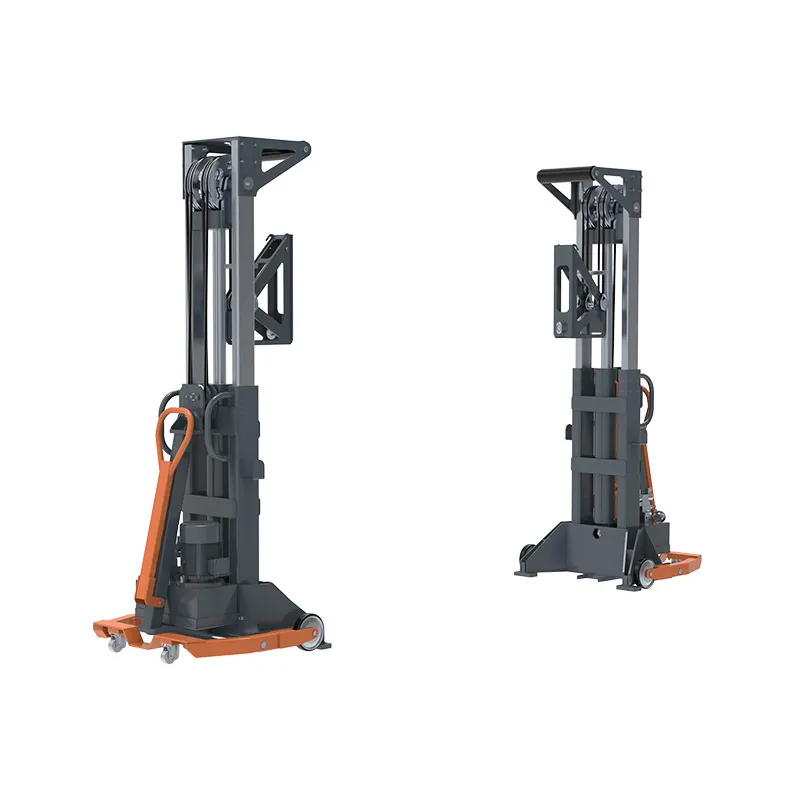
Figure 1: Advanced hydraulic system components for precise container111 lifting.
Advantages in typical application scenarios include significant energy saving due to optimized hydraulic circuits and efficient power units, and superior corrosion resistance extending service life even in highly aggressive environments. This meticulous process ensures that products from container111 handling systems corp deliver unparalleled performance and reliability.
Technical Specifications of Container Lifting Jacks
Understanding the technical specifications is crucial for selecting the appropriate container111 lifting machine for specific operational requirements. The following table provides typical parameters for high-capacity container111 lifting jacks, representative of advanced offerings in the market.
| Parameter | Specification | Unit |
|---|---|---|
| Rated Lifting Capacity (per jack) | 18-25 | Tonnes |
| Maximum Lifting Height | 2500-2700 | mm |
| Minimum Lowered Height | 300-400 | mm |
| Lifting Speed (No Load) | 80-100 | mm/min |
| Power Supply | 3-Phase, 380-480V, 50/60Hz | |
| Motor Power (per unit) | 2.2-4.0 | kW |
| Operating Pressure (Hydraulic) | 18-22 | MPa |
| Control System | PLC-based with remote control option | |
| Environmental Protection | IP54/IP65 (dust & water resistant) | |
| Operating Temperature Range | -20°C to +50°C | |
| Safety Features | Overload protection, safety interlocks, emergency stop, mechanical lock nuts | |
| Certifications | ISO 9001, CE, Optional: GOST, CSA |
These specifications underscore the robust engineering required for safe and efficient container111 handling. The integration of advanced hydraulic systems and precise PLC controls ensures synchronized lifting and lowering, crucial for preventing container111 damage and ensuring operator safety.
Versatile Application Scenarios for Container Handling Systems
The utility of specialized container111 handling equipment extends across a multitude of industrial and logistical environments. From bustling port operations to isolated construction sites, the need for reliable and efficient container111 movement is universal. Solutions from entities like container111 handling systems corp are designed to meet these diverse demands.
- Ports and Intermodal Terminals: Here, high-capacity crane for container111 handling (e.g., Ship-to-Shore cranes, Rubber Tyred Gantry (RTG) cranes, Rail Mounted Gantry (RMG) cranes) and container111 forklifts (e.g., reach stackers, empty container111 handlers) are indispensable. Container lifting jacks play a crucial role in maintaining and servicing these heavy machines, as well as for ground-level handling in areas not accessible by larger equipment or during emergency operations.
- Logistics Hubs and Distribution Centers: For repositioning, loading, and unloading container111s onto chassis or direct storage, flexible container111 lifting solutions are vital. This ensures a smooth flow of goods, reducing dwell times and optimizing yard management.
- Industrial Manufacturing Facilities: Companies involved in large-scale manufacturing often receive raw materials or ship finished products in container111s. Container lifting jacks facilitate the loading/unloading process where dedicated loading docks are unavailable or for specialized production line integration.
- Construction Sites and Remote Locations: Especially where traditional heavy lifting equipment is not feasible or economical, self-contained container111 lifting systems provide an agile solution for setting up temporary offices, workshops, or storage units made from standard shipping container111s. They enable independent loading and unloading from flatbed trucks.
- Military and Emergency Services: For rapid deployment of modular command centers, medical units, or essential supplies in container111ized formats, portable and robust container111 lifting machines are critical for quick setup and relocation.
- Rail Freight Yards: Similar to intermodal terminals, rail yards require efficient systems to transfer container111s between railcars and trucks, often leveraging specialized gantry cranes or, for more flexible applications, the precision of container111 lifting jacks.
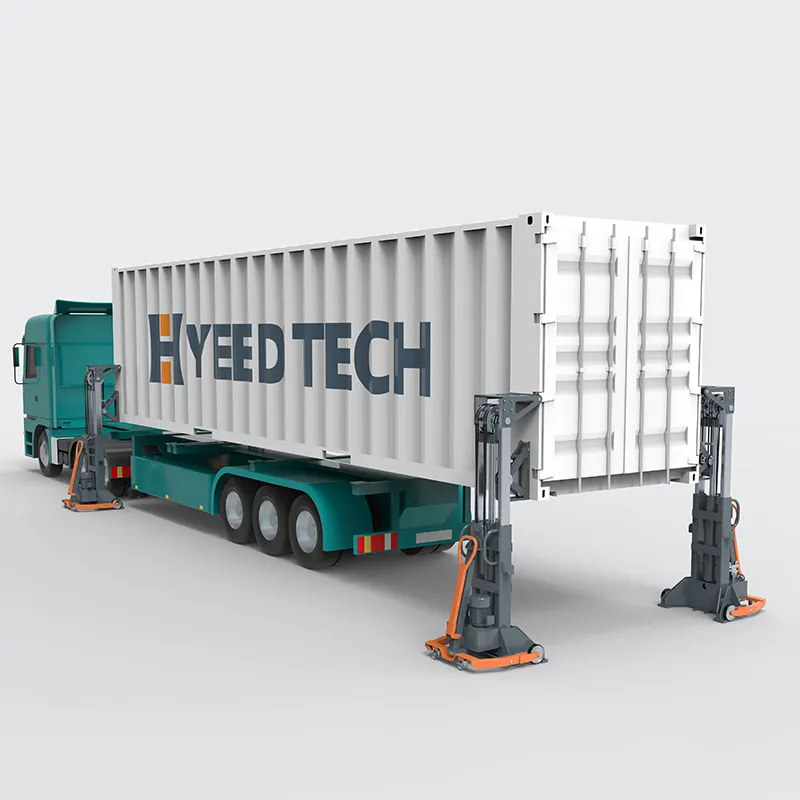
Figure 2: Container lifting jacks in operation at an industrial facility.
In scenarios involving specialized heavy cargo, such as those found in petrochemical or metallurgy industries, the precise and controlled lifting offered by advanced container111 jacks minimizes risk and ensures the integrity of high-value or hazardous materials. Their adaptability and ability to operate in diverse conditions make them indispensable tools in modern logistics.
Technical Advantages and Operational Benefits
Investing in state-of-the-art container111 handling solutions offers a multitude of technical advantages and translates into significant operational benefits for businesses. The advanced engineering and robust construction of systems from reputable providers confer a competitive edge.
- Enhanced Safety Protocols: Modern systems incorporate multiple safety features, including redundant hydraulic circuits, mechanical lock-nuts, anti-tilt mechanisms, and emergency stop functions. This drastically reduces the risk of accidents and improves workplace safety, a critical consideration for any B2B operation.
- Superior Efficiency and Speed: Optimized hydraulic power units and synchronized lifting algorithms ensure faster cycle times for loading and unloading. This directly impacts throughput, reducing operational bottlenecks and increasing overall logistical efficiency.
- Durability and Extended Service Life: Constructed from high-strength, treated steels and featuring advanced corrosion protection, these systems are built to withstand harsh environmental conditions and continuous heavy use. This translates to lower total cost of ownership (TCO) through reduced maintenance and replacement cycles.
- Precision Control and Stability: PLC-controlled synchronization ensures that container111s are lifted and lowered evenly, preventing structural stresses on the container111 and its contents. This precision is invaluable for handling fragile or high-value cargo.
- Reduced Energy Consumption: Innovative hydraulic designs and motor efficiency optimization lead to lower power consumption, contributing to energy saving and reduced operational costs. This aligns with global sustainability goals and offers significant economic benefits.
- Versatility and Adaptability: Many systems offer adjustable lifting heights and widths, accommodating various container111 sizes (e.g., 20ft, 40ft, 45ft) and chassis types. Their modular design often allows for deployment in diverse locations, from paved yards to uneven industrial grounds.
- Lower Maintenance Requirements: High-quality components, self-lubricating bearings, and robust seals contribute to a longer mean time between failures (MTBF), reducing downtime and maintenance expenditures.
These advantages solidify the position of advanced container111 handling solutions as critical assets for companies aiming for operational excellence and long-term sustainability. The return on investment often outweighs the initial container111 lifting machine price, especially when considering enhanced safety, efficiency, and longevity.
Vendor Comparison: Evaluating Container Handling Systems
When selecting a container111 handling systems corp or a specific product like container111 lifting jacks, a thorough vendor comparison is essential. While specific product names aren't used here, the following table outlines key differentiating factors between a high-tier provider (represented by YEEED's philosophy) and a typical market offering.
| Feature/Aspect | Leading Provider (e.g., YEEED Standard) | Standard Market Offering |
|---|---|---|
| Material Quality | High-grade alloy steel (e.g., Q345B, S355J2+N), certified and traceable. | Standard structural steel, often with less stringent traceability. |
| Corrosion Protection | Multi-layer marine-grade coating system (Zinc primer, Epoxy, Polyurethane) for extended life. | Single or dual-layer standard industrial paint, less durable in harsh environments. |
| Hydraulic System | Premium components (Bosch Rexroth, Parker), integrated overload valves, high-efficiency pumps. | Standard components, basic pressure relief, moderate efficiency. |
| Control System | Advanced PLC (Siemens, Schneider) with precise synchronization, diagnostic tools, remote operation option. | Basic relay logic or simpler PLC, limited diagnostic capabilities. |
| Safety Features | Redundant mechanical locking, anti-tilt, emergency stop, intelligent load sensing, auto-leveling. | Basic safety switches, manual locking, limited overload protection. |
| Energy Efficiency | Optimized hydraulic circuits, high-efficiency motors, demonstrable energy savings. | Standard motors, less optimized power consumption. |
| Certifications & Standards | ISO 9001, CE, specific industry standards (e.g., EN, ANSI), third-party audited. | Basic CE compliance, fewer or less recognized industry certifications. |
| Customization Options | Extensive, including specific capacities, specialized interfaces, environmental adaptations. | Limited to standard configurations, minor adjustments only. |
| After-Sales Support | Global network, dedicated technical support, spare parts availability, training. | Regional support, limited spare parts, often third-party service. |
This comparison highlights that while a lower initial container111 lifting machine price might be appealing, the long-term cost of ownership, safety, reliability, and operational efficiency are significantly impacted by the quality and design principles of the chosen vendor.
Customized Solutions for Unique Operational Demands
Recognizing that no two industrial operations are identical, leading providers of container111 handling systems offer highly customized solutions. This bespoke approach ensures that equipment perfectly integrates into existing infrastructure and addresses specific logistical challenges. For instance, a provider might develop specialized jacks with altered stroke lengths for unusual container111 sizes or integrate advanced control interfaces for seamless integration with existing warehouse management systems.
Customization options can include modifications to lifting capacity, platform dimensions, power sources (e.g., battery-electric for indoor use, diesel for heavy outdoor applications), environmental resilience packages (e.g., extreme temperature operation, explosion-proof ratings for petrochemical environments), and specialized control interfaces (e.g., wireless remote controls, integration with AGVs). This flexibility is paramount for industries with unique requirements, ensuring optimal performance and safety.
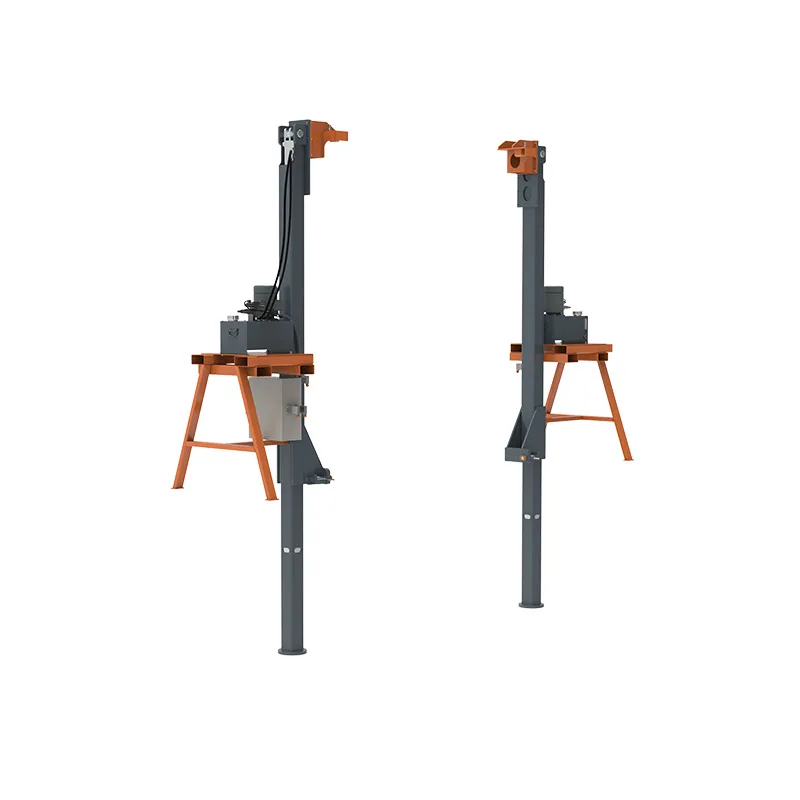
Figure 3: Customized container111 handling solutions designed for specific client needs.
Application Case Studies and Customer Experience
Case Study 1: Major European Petrochemical Complex
A leading petrochemical firm in Europe required a reliable, explosion-proof container111 lifting machine for safely transferring specialized chemical-laden container111s within its high-risk processing zones. Traditional container111 forklifts and cranes were unsuitable due to space constraints and specific safety certifications needed for flammable environments. Container handling systems corp engineered a bespoke set of four hydraulic lifting jacks with ATEX-certified components, enhanced corrosion resistance coatings, and remote wireless controls. The solution enabled precise, synchronized lifting and lowering of 20ft and 40ft container111s, vastly improving safety protocols and operational efficiency. Customer feedback highlighted "unprecedented control and safety in a challenging environment," significantly reducing manual handling risks.
Case Study 2: Remote Mining Site Logistics
In a remote South American mining operation, the client faced challenges in setting up temporary mobile workshops and storage facilities using standard shipping container111s, often in uneven terrain. Heavy mobile cranes were costly to transport and operate. A set of rugged, autonomous container111 lifting jacks from a reputable provider, designed for extreme temperatures and rough terrain, allowed the site team to independently load/unload and position container111s without external heavy machinery. This drastically reduced logistics costs and setup times. The client reported "remarkable ease of deployment and robustness in demanding conditions," praising the self-sufficiency the system provided.
Case Study 3: Urban Logistics Center Optimization
An urban logistics center needed to optimize its small yard space and improve turnaround times for package delivery container111s. Existing docks were often fully occupied, causing delays. By implementing a fleet of compact, electric-powered container111 lifting jacks, the center could quickly uncouple container111s from trucks at any suitable spot in the yard, freeing up tractor units faster. These systems were integrated with the center's digital logistics platform, allowing for real-time tracking and scheduling. The center observed a 20% reduction in truck turnaround time and a significant improvement in yard space utilization, contributing to a more competitive container111 lifting machine price justification due to increased operational throughput.
Ensuring Trustworthiness: FAQ, Lead Times, Warranty, and Support
Building trust with B2B clients requires transparency and robust post-sales commitments. A leading container111 handling systems corp prioritizes these aspects to ensure long-term partnerships.
Frequently Asked Questions (FAQ):
- Q: What is the typical lead time for a standard container111 lifting jack system?
- A: For standard configurations, the lead time typically ranges from 6 to 10 weeks, depending on current production schedules and component availability. Customized solutions may require longer lead times, which are communicated during the quotation phase.
- Q: What warranty is offered on your container111 handling systems?
- A: Our products come with a standard 12 to 24-month warranty on parts and manufacturing defects, starting from the date of commissioning or shipment, whichever comes first. Extended warranty options are available upon request.
- Q: Can your container111 lifting jacks operate in extreme weather conditions?
- A: Yes, our systems are designed with robust materials and high-grade finishes (e.g., IP54/IP65 electrical enclosures, specialized coatings) to operate reliably in temperatures ranging from -20°C to +50°C and withstand exposure to rain, dust, and coastal environments. Specific extreme weather packages are available for more severe conditions.
- Q: How difficult is installation and what kind of training is provided?
- A: Our container111 lifting jacks are designed for straightforward installation. Detailed installation manuals are provided. We also offer on-site supervision for commissioning and comprehensive operational and maintenance training for your personnel, ensuring safe and efficient usage.
Lead Time & Fulfillment:
We maintain transparent communication regarding lead times, from order confirmation to delivery. Our streamlined production process and robust supply chain management aim to meet delivery commitments efficiently. Expedited options may be available for urgent projects.
Warranty Commitments:
Our comprehensive warranty covers critical components and structural integrity, reflecting our confidence in product quality. Specific terms and conditions are clearly outlined in our sales agreements.
Customer Support and After-Sales Service:
We provide extensive after-sales support, including remote technical assistance, readily available spare parts, and a network of service technicians for on-site interventions. Regular maintenance programs and preventive checks can also be arranged to maximize equipment uptime and operational longevity. Our commitment extends throughout the entire lifecycle of the product.
Conclusion: The Future of Container Handling Excellence
The demand for efficient, safe, and sustainable container111 handling solutions continues to grow globally. Companies like container111 handling systems corp are pivotal in driving this evolution, offering advanced systems like container111 lifting jacks that blend cutting-edge technology with robust engineering. These systems not only meet the rigorous demands of modern logistics and industrial operations but also contribute significantly to cost reduction, enhanced safety, and environmental stewardship.
As industries increasingly prioritize automation, customization, and long-term operational reliability, investing in high-quality container111 handling equipment becomes a strategic imperative. The detailed manufacturing processes, stringent testing, and comprehensive support provided by leading vendors ensure that these investments deliver substantial and sustained returns.
References
- Port Technology International. (2023). "The Future of Port Automation: Innovations and Challenges."
- International Organization for Standardization (ISO). (2022). "ISO 9001: Quality Management Systems – Requirements."
- Journal of Logistics and Supply Chain Management. (2021). "Impact of Container Handling Automation on Terminal Efficiency."
- European Agency for Safety and Health at Work (EU-OSHA). (2020). "Safety in Ports: A Guide to Best Practice."
- Hydraulics & Pneumatics Magazine. (2023). "Advancements in High-Efficiency Hydraulic Systems for Heavy Machinery."
Latest News
-
Efficient automated hot air drying equipment for steel structure application
NewsApr.16,2026 -
Efficient hot air drying system for steel structure spraying line
NewsApr.09,2026 -
Optimizing Steel Structure Spraying with Hot Air Drying Technology Solutions
NewsApr.07,2026 -
HighEfficiency Hot Air Drying Painting Equipment for Superior Industrial Coatings
NewsApr.04,2026 -
Optimizing Industrial Processes with Hot Air Furnace Heating Spraying Systems
NewsMar.31,2026 -
Comprehensive Tailormade Steel Structure Spraying Solution for Enhanced Durability
NewsMar.28,2026 -
Optimizing Steel Structure Protection through Customization and Integration of Spraying System
NewsMar.26,2026


