


Automatic Paint Spraying Machine: Precision & Speed for Flawless Finishes
Industry Trends in Automated Surface Treatment
The industrial landscape is continuously evolving, with a pronounced shift towards automation and precision in manufacturing processes. In surface treatment, this translates to an increasing demand for sophisticated systems that offer efficiency, consistency, and environmental compliance. The global industrial coatings market, valued at approximately $85 billion in 2022, is projected to reach over $115 billion by 2030, driven by sectors like infrastructure, automotive, and general industrial applications. This growth underscores the critical need for advanced painting solutions.
Key trends shaping this sector include the integration of IoT for predictive maintenance, advanced robotics for intricate geometries, and a stronger emphasis on sustainable coating materials and application methods. Manufacturers are seeking systems that minimize material waste, reduce VOC emissions, and enhance worker safety, all while delivering superior finish quality. This paradigm shift makes the automatic paint spraying machine a cornerstone technology for modern industrial operations, enabling companies to meet stringent quality standards and achieve significant operational cost reductions.
Furthermore, the demand for high-performance coatings, especially for large-scale steel structures, mandates the adoption of an automatic spray painting system capable of handling diverse coating types and demanding environmental conditions. This includes specialized coatings for corrosion resistance, fire protection, and aesthetic finishes, all applied with unparalleled accuracy by automated systems.
Detailed Process Flow: Manufacturing and Operation
Manufacturing Process of an Automatic Paint Spraying Machine
The creation of a high-performance automatic paint spraying machine involves a meticulous multi-stage manufacturing process, ensuring durability, precision, and long-term reliability. Our commitment to quality aligns with international standards such as ISO 9001 for quality management and ANSI for mechanical design tolerances.
- Material Sourcing & Preparation: High-grade alloys (e.g., stainless steel, aerospace-grade aluminum) are selected for critical components like spray guns, pumps, and control housing due to their corrosion resistance and strength. Structural frames often utilize robust carbon steel. Materials undergo rigorous incoming quality inspection.
- Component Fabrication (Casting, Forging, CNC Machining):
- Casting: Large components, such as pump housings or structural brackets, are precision cast to achieve complex geometries and high material density.
- Forging: High-stress parts, like certain valve bodies, are forged to enhance mechanical properties, increasing fatigue resistance and overall lifespan.
- CNC Machining: Critical components, including nozzles, fluid passages, and robotic arm parts, are manufactured with sub-micron precision using advanced CNC machining centers. This ensures exact tolerances, crucial for consistent spray patterns and fluid dynamics.
- Assembly: Sub-assemblies (e.g., robotic arms, control panels, fluid delivery systems) are built in cleanroom environments to prevent contamination. Components are assembled by certified technicians, adhering to strict torque specifications and alignment protocols.
- Integration of Electronics & Software: PLC (Programmable Logic Controller) systems, HMI (Human-Machine Interface) touchscreens, and proprietary software for trajectory planning and paint recipe management are integrated and thoroughly tested.
- Quality Assurance & Testing: Each machine undergoes extensive testing, including:
- Hydrostatic Testing: For fluid delivery systems to ensure no leaks under pressure.
- Functional Performance Tests: Calibration of robotic movements, spray pattern consistency, and paint flow rates.
- Durability Testing: Simulated continuous operation cycles to confirm an expected service life of 15-20 years under typical industrial use, with proper maintenance.
- Safety Protocol Verification: Ensuring all emergency stops, interlocks, and safety features comply with international standards (e.g., OSHA, CE).
Operational Process of the Steel Structure Automatic Painting Line
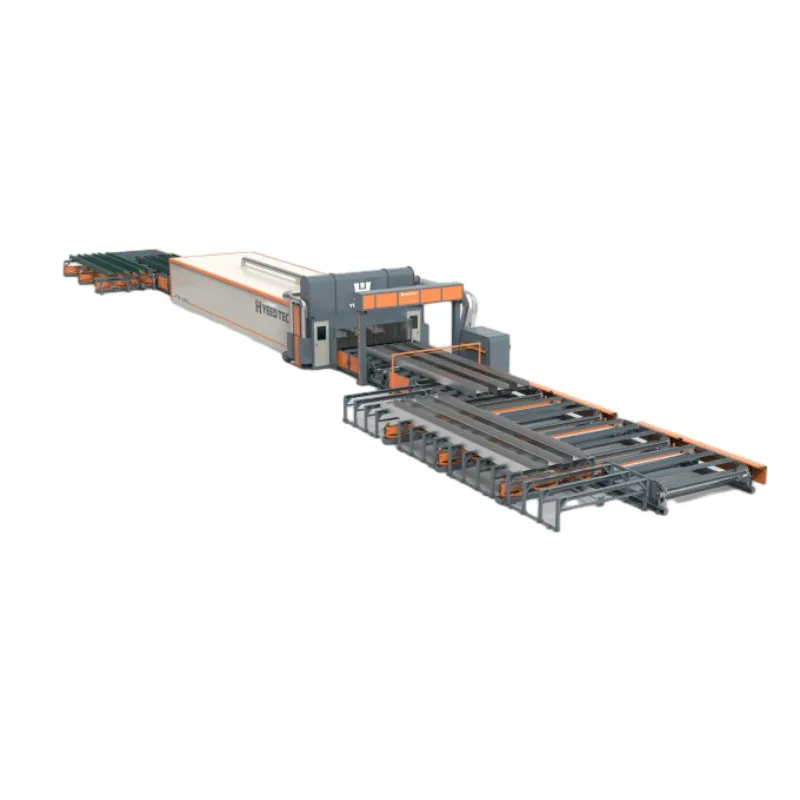
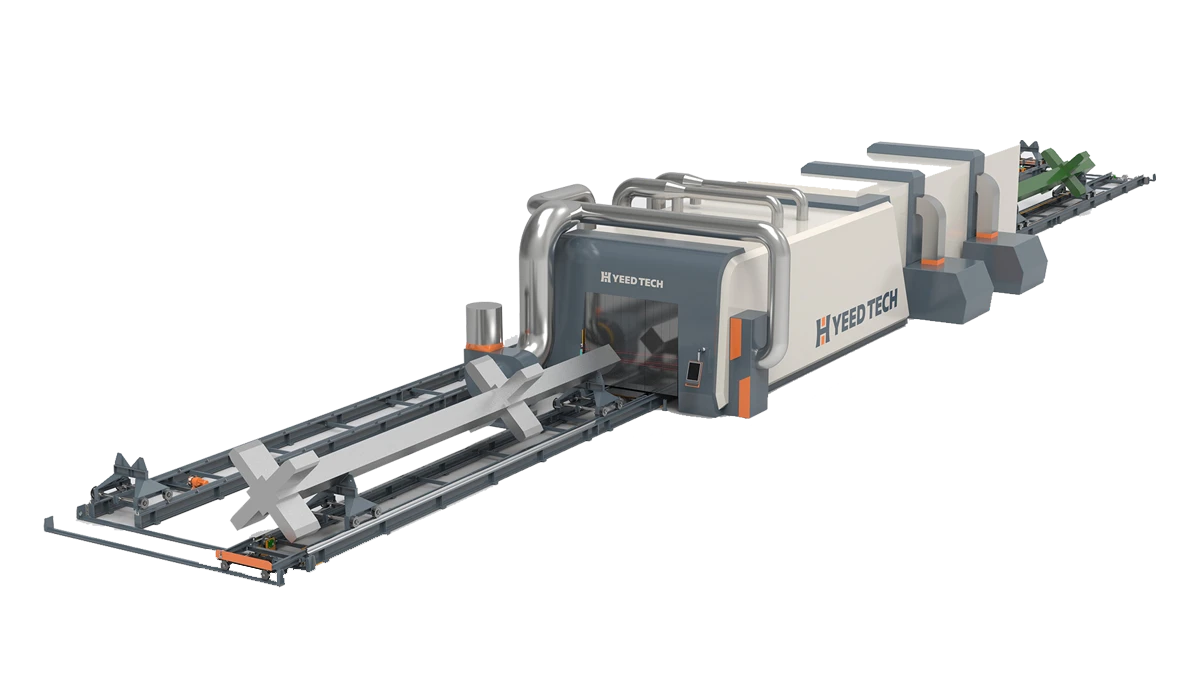
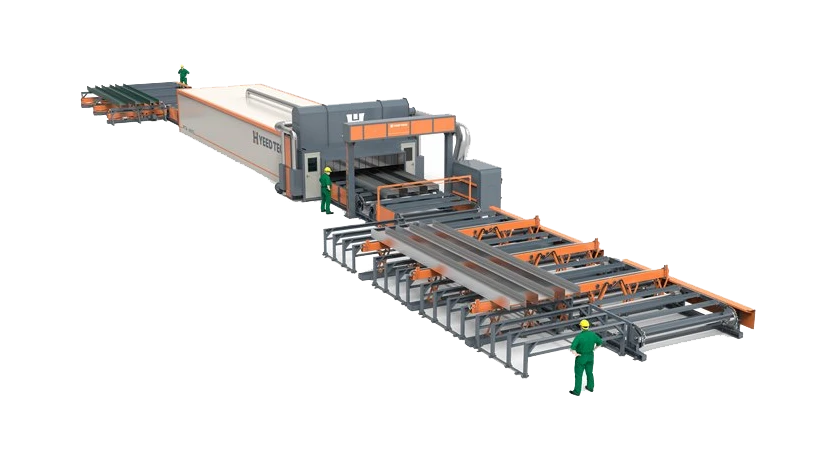
For large-scale steel structures, the operational process of an automatic paint spraying machine is typically integrated into a comprehensive painting line, ensuring optimal surface preparation and coating application. This automated painting process offers significant advantages, particularly in target industries like petrochemicals, metallurgy, and water supply & drainage, where corrosion resistance and structural integrity are paramount.
Schematic Steps of an Automated Painting Process:
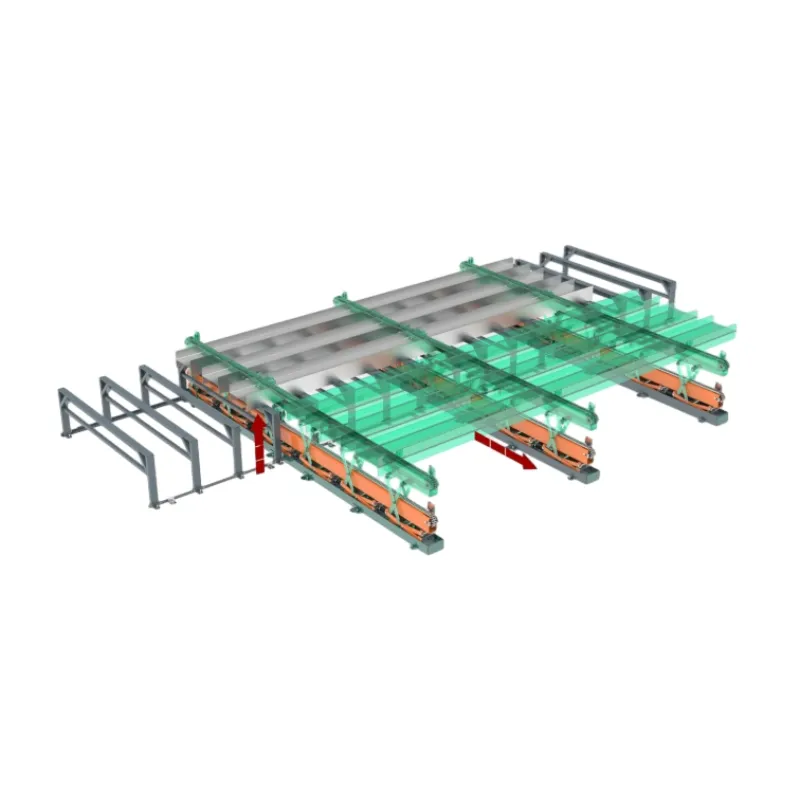
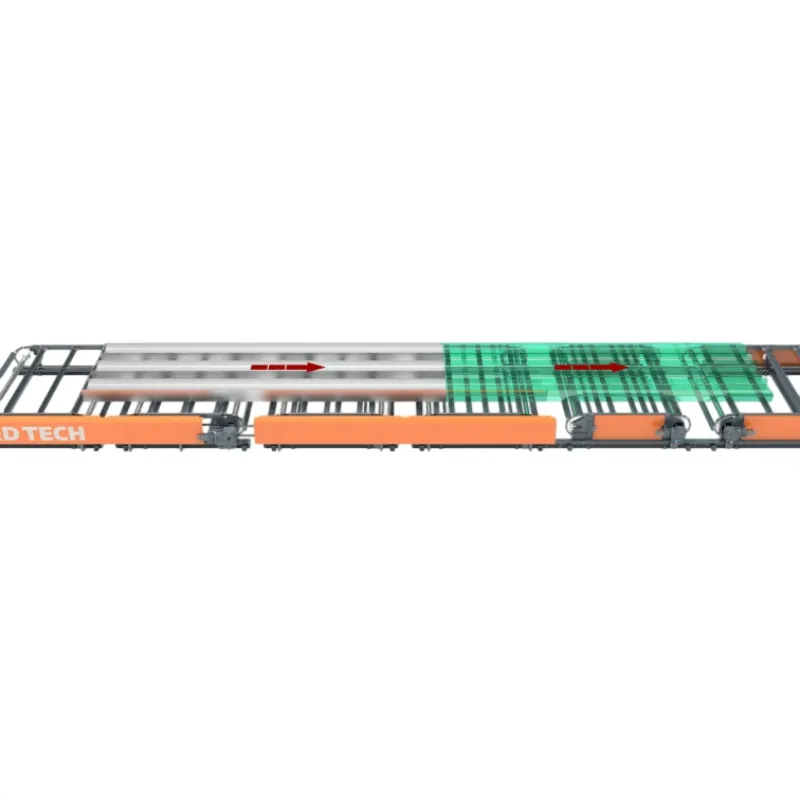
- Conveyance & Loading: Steel structures are loaded onto an intelligent conveyor system, often with overhead cranes or automated guided vehicles (AGVs), moving them sequentially through the line.
- Surface Preparation (Pre-treatment):
- Blasting: Components enter a blasting chamber where abrasive media (e.g., steel grit, shot) is automatically propelled at high velocity to remove rust, mill scale, and previous coatings. This achieves a specified surface profile (e.g., Sa2.5 according to ISO 8501-1).
- Dust Removal: High-pressure air blow-off and vacuum systems thoroughly clean the blasted surface, removing all abrasive residue.
- Automated Paint Application:
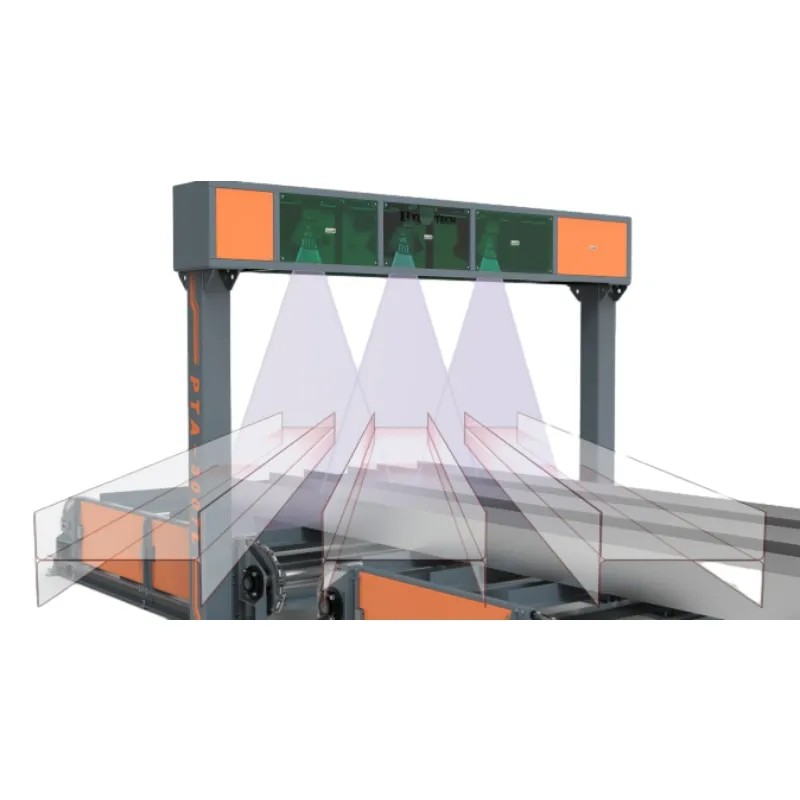
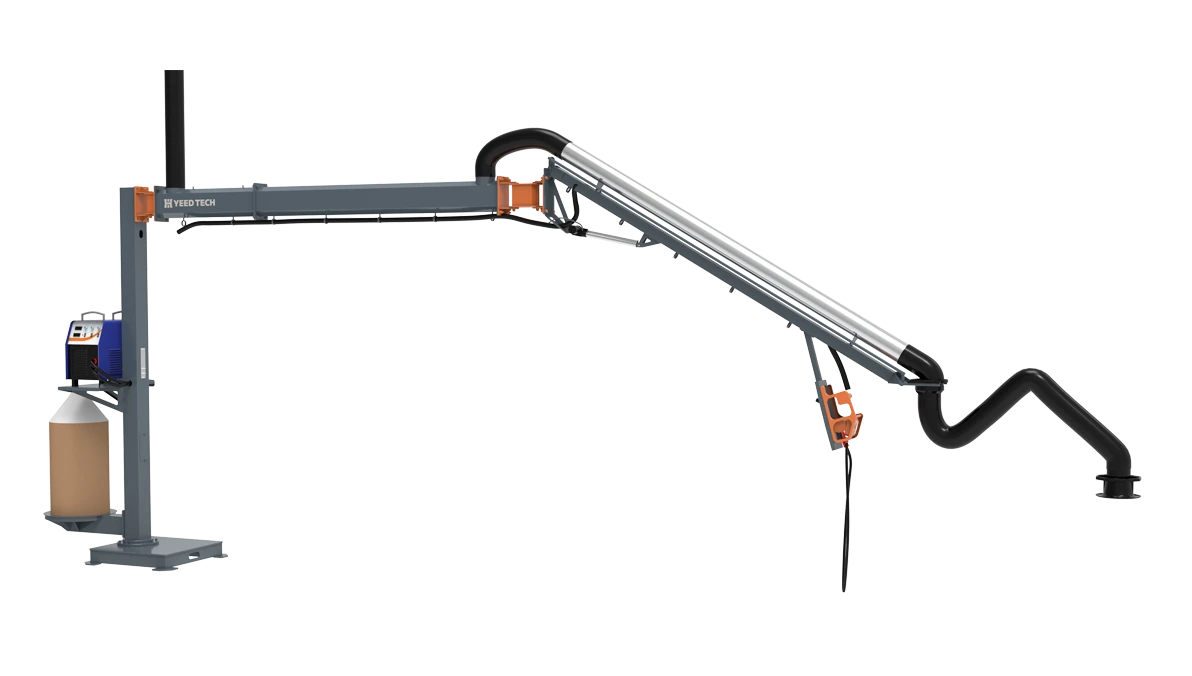
- Scanning & Programming: 3D scanners or pre-programmed CAD data guide robotic arms. An automatic paint dispenser precisely mixes multi-component paints based on recipe.
- Primer Application: Robotic spray guns apply the first layer of primer (e.g., zinc-rich epoxy) with precise film thickness control.
- Intermediate/Topcoat Application: Subsequent layers are applied after flash-off or curing stages, ensuring uniform coverage and specified dry film thickness (DFT). The system adapts spray parameters (pressure, flow, fan width) based on coating type and part geometry.
- Curing/Drying: Coated structures pass through temperature-controlled drying tunnels (e.g., infrared, convection ovens) to accelerate curing, optimizing coating performance and minimizing production time.
- Quality Inspection: Automated inspection systems (e.g., vision systems, DFT gauges) check for film thickness, adhesion, and surface defects. Any non-conformances can be flagged for touch-up or rework.
- Unloading & Packaging: Finished, quality-assured components are automatically unloaded and prepared for shipment.
Advantages in Typical Application Scenarios: In petrochemical plants, where exposure to harsh chemicals and extreme temperatures is common, this automated painting process ensures exceptional corrosion resistance, significantly extending the service life of critical infrastructure. For metallurgy, the precision of the automated system achieves energy saving by minimizing overspray and rework, leading to substantial material and labor cost reductions.
Technical Specifications & Parameters
Understanding the core technical specifications is crucial for B2B decision-makers evaluating an automatic paint spraying machine. These parameters dictate performance, efficiency, and suitability for specific industrial applications.
| Parameter | Specification | Description/Benefit |
|---|---|---|
| Max. Workpiece Dimensions (L x W x H) | Up to 25m x 3m x 2.5m | Accommodates large-scale steel components, versatile for various project sizes. |
| Conveyor Speed Range | 0.5 - 3.0 m/min (adjustable) | Optimized for various coating types and drying times, ensuring process flexibility. |
| Number of Robotic Arms | 2-6 (modular configuration) | Scalability for throughput and complex geometries, allowing multi-sided simultaneous coating. |
| Spray Gun Technology | HVLP, Airless, Electrostatic | Versatility to apply a wide range of coatings (primers, topcoats, anti-corrosion), minimizing overspray and maximizing transfer efficiency. |
| Paint Supply System | Automatic (2K/3K) paint dispenser with continuous circulation | Ensures consistent paint viscosity and temperature, critical for uniform film thickness and curing. Minimizes material waste and manual intervention. |
| Dry Film Thickness (DFT) Control | ± 5 microns (typical) | Achieves precise coating thickness, ensuring optimal protection without material overconsumption. Critical for compliance with standards like ISO 12944. |
| Environmental Controls | Integrated ventilation, filtration (VOC reduction), temperature/humidity control | Maintains ideal painting environment, ensuring quality and meeting environmental regulations. |
| Power Consumption (avg.) | 30-80 kW (system dependent) | Optimized energy consumption through efficient motor drives and intelligent control systems. |
These specifications highlight the engineering sophistication embedded in modern automatic paint spraying machine solutions. The capacity for automated operations ensures repeatable quality, reduced human error, and improved production throughput, aligning with the principles of Industry 4.0.
Application Scenarios & Technical Advantages
Key Application Scenarios
- Petrochemical Industry: Large-scale pipelines, storage tanks, and structural supports exposed to corrosive chemicals, high temperatures, and UV radiation. Automated systems ensure uniform application of specialized protective coatings (e.g., epoxy, polyurethane) compliant with NACE standards, offering superior corrosion resistance and extending asset lifespan significantly.
- Metallurgy & Heavy Manufacturing: Structural beams, girders, and machinery components requiring durable finishes against wear, abrasion, and environmental elements. The precision of an automated painting process ensures optimal paint adhesion and coverage, critical for structural integrity and aesthetic quality.
- Water Supply & Drainage Systems: Water treatment plant components, large diameter pipes, and pump housings that need robust anti-corrosion and anti-fouling coatings to prevent degradation from water exposure. Automated systems handle the application of specialized coatings, crucial for public health and infrastructure longevity.
- Bridge & Infrastructure Construction: Massive steel sections for bridges, railway infrastructure, and high-rise buildings that demand consistent and high-quality protective coatings for long-term durability and safety.
- Marine & Offshore: Components for ships, oil rigs, and offshore platforms that operate in highly corrosive saltwater environments. The robust and consistent application by an automatic paint spraying machine is vital for meeting stringent marine coating specifications.
Technical Advantages
- Precision & Consistency: Robotic systems with advanced algorithms ensure uniform coating thickness and coverage, eliminating human variability and guaranteeing repeatable quality that adheres to international standards (e.g., ISO 12944).
- Material Efficiency & Energy Saving: Optimized spray patterns and high transfer efficiency (up to 90% with electrostatic systems) significantly reduce paint consumption and overspray waste. This translates to substantial material cost savings and reduced environmental impact. For instance, studies show automated systems can reduce paint usage by 20-30% compared to manual methods.
- Enhanced Safety: Operators are removed from hazardous painting environments (exposure to VOCs, particulates), drastically reducing health risks and improving workplace safety.
- Increased Throughput & Productivity: Automated lines operate continuously with minimal downtime, processing components at speeds impossible to achieve manually. This leads to higher production volumes and faster project completion.
- Superior Coating Performance: Consistent film thickness and optimal curing conditions result in coatings with enhanced adhesion, hardness, and durability, leading to extended service life and reduced maintenance costs for coated assets.
- Flexibility & Adaptability: Modern systems can quickly switch between different paint types and colors, and adjust to varying workpiece sizes and geometries with minimal reprogramming, often facilitated by an automatic paint dispenser.
Vendor Comparison & Customized Solutions
Vendor Comparison Considerations
Choosing the right supplier for an automatic paint spraying machine is a strategic decision. While many vendors offer automated solutions, key differentiators lie in system integration capabilities, post-sales support, and customization flexibility. Below is a comparative overview of factors to consider:
| Feature/Service | Vendor A (Example) | Vendor B (Example) | Yeeeed (Our Offering) |
|---|---|---|---|
| Robotic Brand Integration | Limited to 1-2 proprietary brands | Limited selection, may incur high customization costs | Flexible: KUKA, FANUC, ABB, YASKAWA integration based on client preference & application |
| Pre-treatment Module | Basic blast/wash, external sourcing | Standardized, less adaptable to specific profiles | Integrated, custom-designed blasting, washing, drying systems for optimal surface prep |
| Software & Control | Proprietary, less open for third-party integration | Moderate, some customization possible | Advanced PLC/HMI with open architecture, remote diagnostics, real-time data analytics |
| After-Sales Support & Spares | Regional, potentially slow response for non-standard parts | Standardized support packages | Global network, dedicated technical support, rapid spare parts fulfillment, remote monitoring |
| Customization Level | Minimal, largely off-the-shelf | Modular, but with design constraints | Full turnkey project capability, from concept to commissioning, tailored to specific client needs |
Customized Solutions for Unique Requirements
At Yeeeed, we understand that no two industrial operations are identical. Our strength lies in providing bespoke solutions for an automatic spray painting system. This involves a comprehensive consultation process to understand specific production goals, workpiece geometries, throughput requirements, and budget constraints.
- Tailored Line Design: From U-shaped lines for limited space to continuous flow lines for high volume, every aspect of the painting line layout is engineered to fit the client's facility and operational flow. This includes customizing conveyor systems, booth dimensions, and curing oven specifications.
- Specialized Coating Capabilities: Integration of specific spray technologies (e.g., plasma spraying, thermal spraying) or multi-component mixing systems via an automatic paint dispenser for unique coating properties such as ceramic, anti-graffiti, or highly resistant protective layers.
- Advanced Automation Integration: Beyond standard robotics, we can integrate vision systems for defect detection, RFID tracking for part identification, and advanced AI-driven process optimization for adaptive painting strategies based on real-time data.
- Environmental Compliance Engineering: Designing systems to meet strict local and international environmental regulations, including advanced VOC abatement systems, wastewater treatment, and energy recovery solutions, often exceeding compliance requirements.
Application Case Studies & Client Success
Our track record of delivering high-performance automated painting process solutions is validated by tangible client success. These examples demonstrate the real-world impact of implementing an automatic paint spraying machine.
Case Study 1: Large-Scale Petrochemical Fabrication
- Client: A leading EPC contractor for petrochemical facilities.
- Challenge: Coating complex pipe spools and structural steel components with multi-layer anti-corrosion systems (up to 300 microns DFT) under tight deadlines, ensuring compliance with NACE SP0188 standards. Manual application struggled with consistency, throughput, and worker safety.
- Solution: Implemented a customized Steel Structure Automatic Painting Line featuring 4 robotic arms, an integrated blast cleaning chamber, and a climate-controlled curing tunnel. The system included an advanced automatic paint dispenser for precise mixing of 2K and 3K epoxy systems.
- Results:
- Increased Throughput: Production speed increased by 40%, meeting aggressive project schedules.
- Quality Consistency: Achieved ±10 micron DFT tolerance across all components, reducing rework by 85%. Client feedback highlighted "unprecedented uniformity."
- Cost Savings: Paint material consumption reduced by 25% due to optimized transfer efficiency. Labor costs associated with painting decreased by 60%.
- Safety: Eliminated operator exposure to hazardous spray environments.
Case Study 2: Heavy Machinery Manufacturer
- Client: A major manufacturer of construction and mining equipment.
- Challenge: Painting large, irregularly shaped chassis and excavator arms with highly durable, weather-resistant topcoats. Existing manual process was slow, inconsistent, and generated significant VOC emissions.
- Solution: Deployed a flexible automatic paint spraying machine integrated with 3D scanning technology. The system automatically generated optimal spray paths for each unique part, minimizing manual programming. Electrostatic spray guns were incorporated for maximum transfer efficiency.
- Results:
- VOC Reduction: Achieved 70% reduction in VOC emissions, exceeding environmental compliance targets.
- Paint Savings: 30% reduction in paint material usage.
- Quality & Durability: Enhanced paint adhesion and impact resistance, evidenced by a 15% improvement in long-term field performance tests.
- Operational Efficiency: Reduced painting cycle time by 35%, allowing for increased overall production capacity.
Trustworthiness & Support: FAQ, Lead Time, Warranty, & Customer Service
Frequently Asked Questions (FAQ)
Q: What is the typical lead time for an automatic paint spraying machine setup?
A: Lead times vary based on customization and system complexity. For standard configurations, it typically ranges from 12-16 weeks for design, manufacturing, and factory acceptance testing. Complex, fully customized lines may require 20-30 weeks. We provide a detailed project timeline upon proposal acceptance.
Q: What kind of pre-treatment systems can be integrated?
A: Our systems can integrate various pre-treatment stages, including shot blasting, grit blasting, high-pressure washing (aqueous or solvent-based), drying ovens, and degreasing stations. The choice depends on workpiece material, previous coating, and required surface profile (e.g., Sa2.5 per ISO 8501-1).
Q: Can the system handle different paint types?
A: Yes, our automated painting process systems are designed for versatility. They can handle a wide range of industrial coatings, including single-component (1K) and multi-component (2K, 3K) systems such as epoxy primers, polyurethane topcoats, alkyd enamels, zinc-rich coatings, and specialized protective paints. Our automatic paint dispenser is key to managing multi-component systems precisely.
Q: What are the primary maintenance requirements?
A: Regular maintenance includes daily cleaning of spray guns and fluid lines, weekly inspection of filters and nozzles, monthly checks of robotic arm mechanics and sensors, and annual calibration and component replacement (e.g., seals, hoses) based on operational hours. We provide comprehensive training and maintenance manuals.
Lead Time & Fulfillment Details
Our project delivery process is structured for transparency and efficiency. Following contract signing, a dedicated project manager is assigned to oversee every phase, from detailed engineering design and component procurement to manufacturing, installation, and commissioning. We maintain open communication channels, providing regular progress updates and facilitating factory acceptance tests (FAT) before shipment. Typical fulfillment includes:
- Design & Engineering: 4-6 weeks
- Manufacturing & Assembly: 8-12 weeks
- Factory Acceptance Testing (FAT): 1 week
- Shipping: Varies by destination (e.g., 4-6 weeks for international sea freight)
- On-site Installation & Commissioning (SAT): 2-4 weeks
Warranty Commitments
We offer a standard comprehensive warranty of 12-24 months on all components and workmanship from the date of system commissioning or 18-30 months from shipment, whichever comes first. Extended warranty options and service contracts are available to provide additional peace of mind and maximize system uptime. Our warranty covers manufacturing defects and ensures the operational performance of the automatic paint spraying machine under normal operating conditions.
Customer Support & After-Sales Service
Our commitment extends far beyond installation. We provide robust after-sales support designed to keep your automated painting system operating at peak efficiency:
- Technical Support: 24/7 multilingual technical support via phone, email, and remote diagnostics.
- Spare Parts Management: Efficient global logistics for rapid delivery of genuine spare parts, minimizing downtime. Critical spares kits are recommended for on-site inventory.
- Preventive Maintenance: Scheduled maintenance programs performed by certified technicians to ensure longevity and optimal performance.
- Operator Training: Comprehensive on-site training for your staff, covering operation, basic maintenance, and troubleshooting.
- Upgrades & Modernization: Services for system upgrades, software enhancements, and modernization to prolong the life and improve the capabilities of your existing equipment.
Conclusion
The strategic adoption of an advanced automatic paint spraying machine is no longer a luxury but a necessity for B2B enterprises aiming for operational excellence, superior product quality, and long-term sustainability. The technical sophistication, coupled with the myriad of advantages in efficiency, safety, and environmental compliance, positions these systems as pivotal investments for the future of industrial manufacturing. With deep expertise, proven experience, and a commitment to authoritative quality standards, partnering with a specialist like Yeeeed ensures not just a product, but a comprehensive solution tailored to your success.
References
- Grand View Research. Industrial Coatings Market Size, Share & Trends Analysis Report. https://www.grandviewresearch.com/industry-analysis/industrial-coatings-market
- International Organization for Standardization (ISO). ISO 8501-1: Preparation of steel substrates before application of paints and related products. https://www.iso.org/standard/27178.html
- NACE International (now AMPP). NACE SP0188-2017: Discontinuity (Holiday) Testing of New Protective Coatings on Conductive Substrates. https://www.ampp.org/standards/NACE-standards/nace-standards-listing
- Occupational Safety and Health Administration (OSHA). General Industry Safety and Health Standards, 29 CFR 1910 Subpart H. https://www.osha.gov/laws-regs/regulations/standardnumber/1910/1910SubpartH
Latest News
-
Efficient automated hot air drying equipment for steel structure application
NewsApr.16,2026 -
Efficient hot air drying system for steel structure spraying line
NewsApr.09,2026 -
Optimizing Steel Structure Spraying with Hot Air Drying Technology Solutions
NewsApr.07,2026 -
HighEfficiency Hot Air Drying Painting Equipment for Superior Industrial Coatings
NewsApr.04,2026 -
Optimizing Industrial Processes with Hot Air Furnace Heating Spraying Systems
NewsMar.31,2026 -
Comprehensive Tailormade Steel Structure Spraying Solution for Enhanced Durability
NewsMar.28,2026 -
Optimizing Steel Structure Protection through Customization and Integration of Spraying System
NewsMar.26,2026


