


Automatic Paint Spraying Machine: Precise, Fast, Low-Waste?
Inside the Modern Paint Shop: What Today’s Automatic Lines Really Deliver
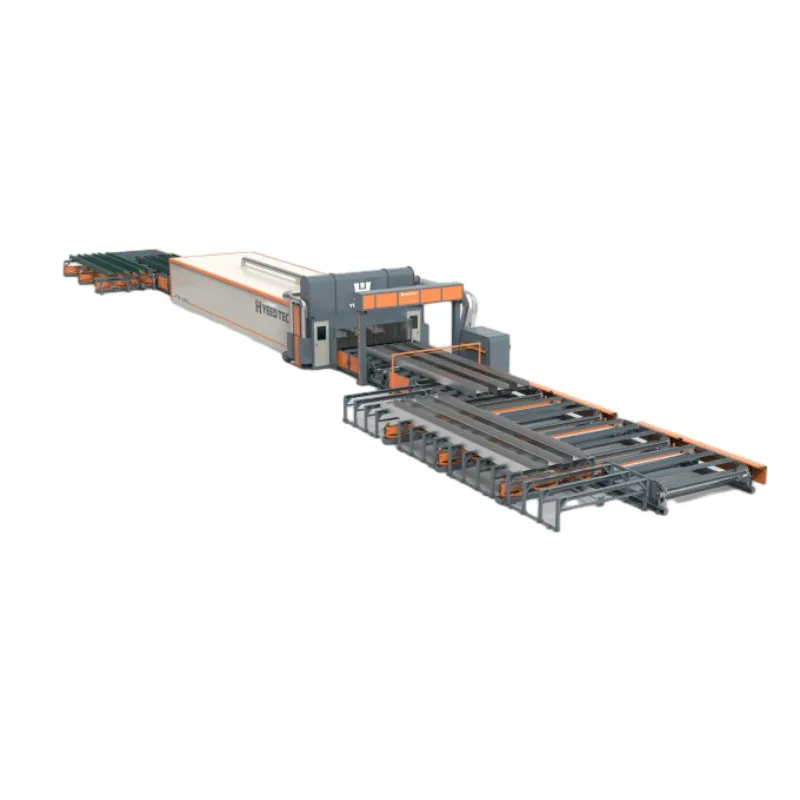
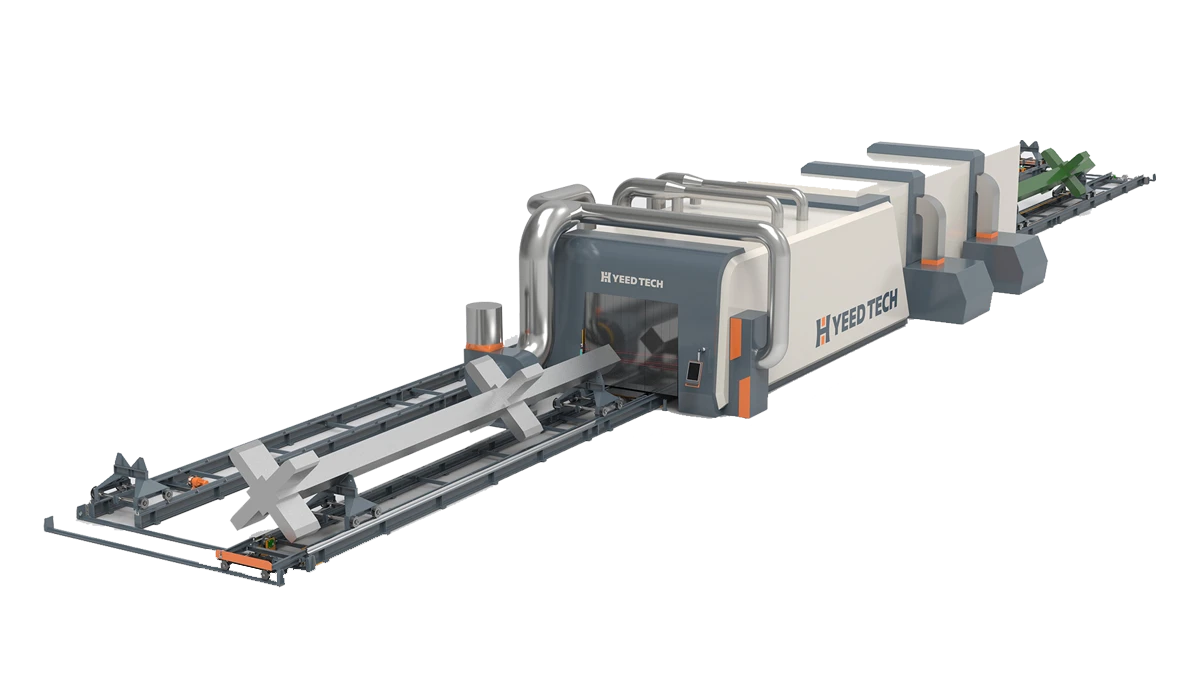
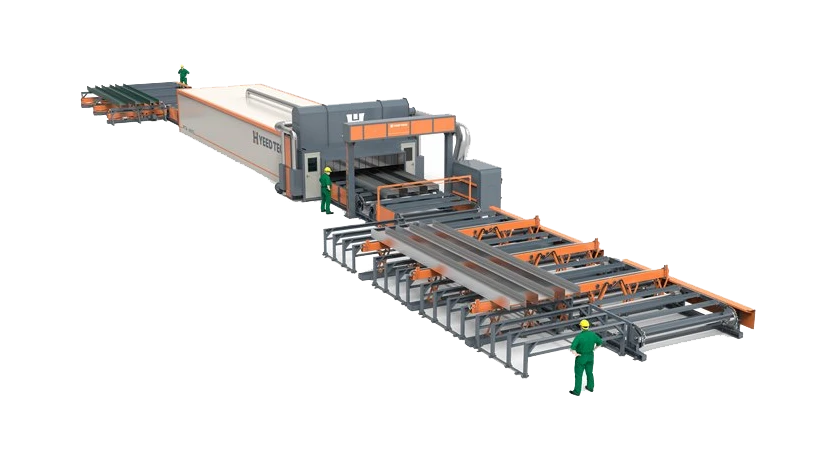
If you’re evaluating an automatic paint spraying machine for steel fabrication, you’ve probably noticed the market shifted fast—toward adaptive conveyors, safer solvent handling, and real-time QC. I’ve walked a few lines this year; one stood out: the Steel Structure Automatic Painting Line from YEEEED (origin: No.28, Wei’Er Road, Anping County, Hebei Province, China). To be honest, the scissor-lift sections looked overbuilt at first glance… and then you see a 3.5T beam glide past your boots without drama. That’s the point.
Industry snapshot
Three big trends: (1) adaptive transport that syncs line speed to spray output; (2) low-VOC and waterborne transitions; (3) integrated QC data (DFT, gloss, alarms) feeding MES/ERP. Actually, the quiet win is uptime—vendors are layering safety detection to keep multi-part, side-by-side spraying smooth, without collisions.
Product at a glance
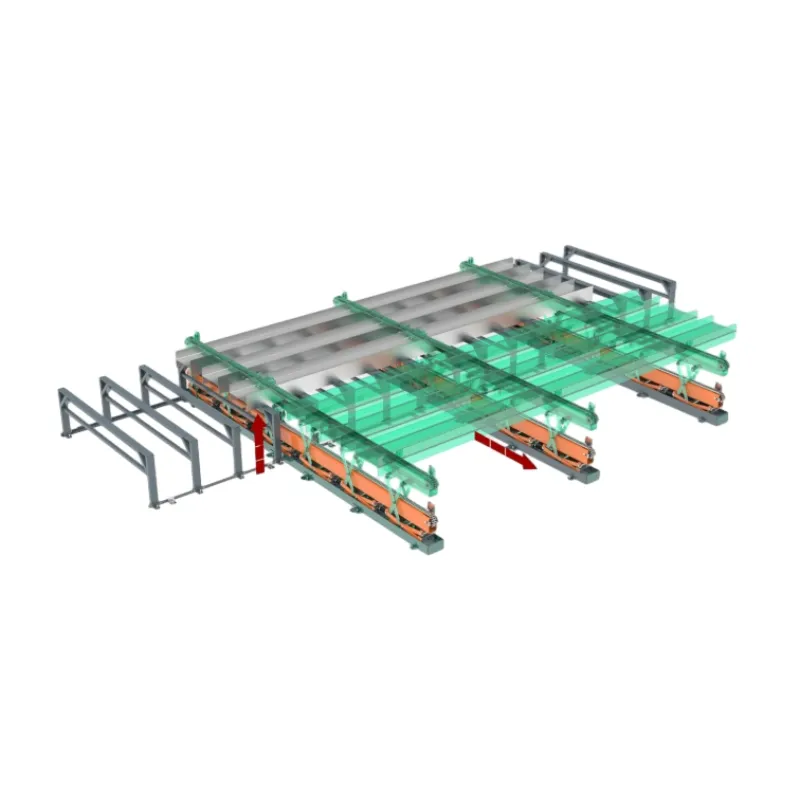
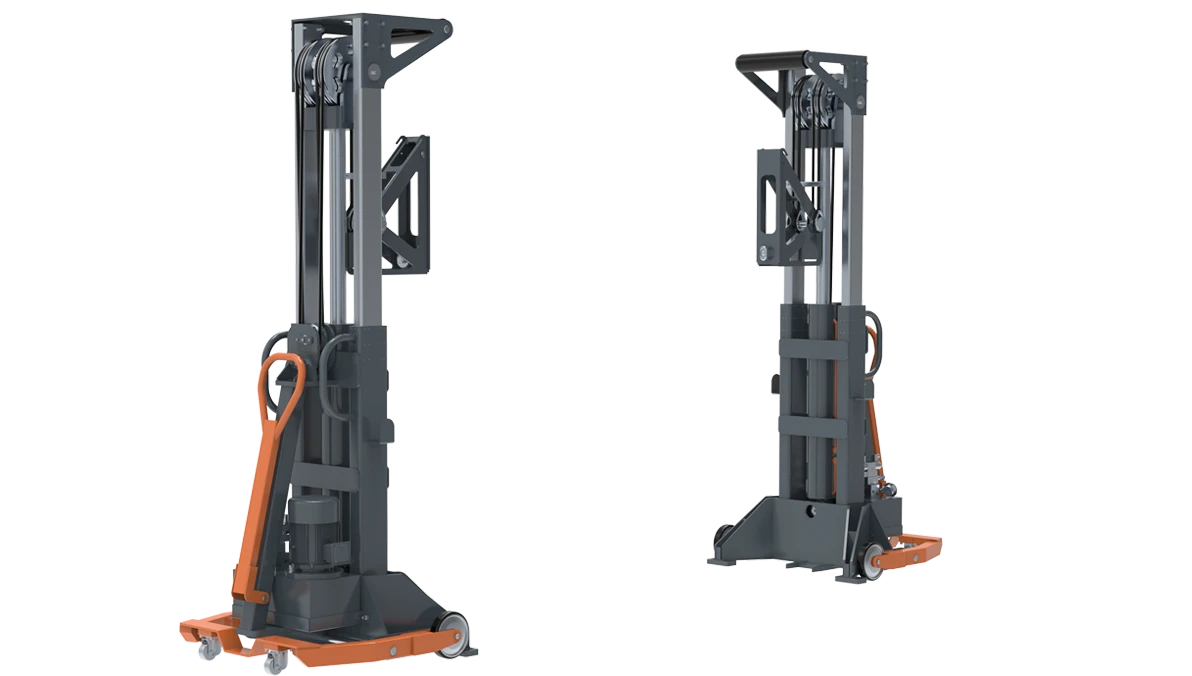
- Scissor-lift sections with single-point load ≈3.5T; stable raising for tall beams.
- Chain protection to prevent impact from awkward components—surprisingly effective in mixed-size runs.
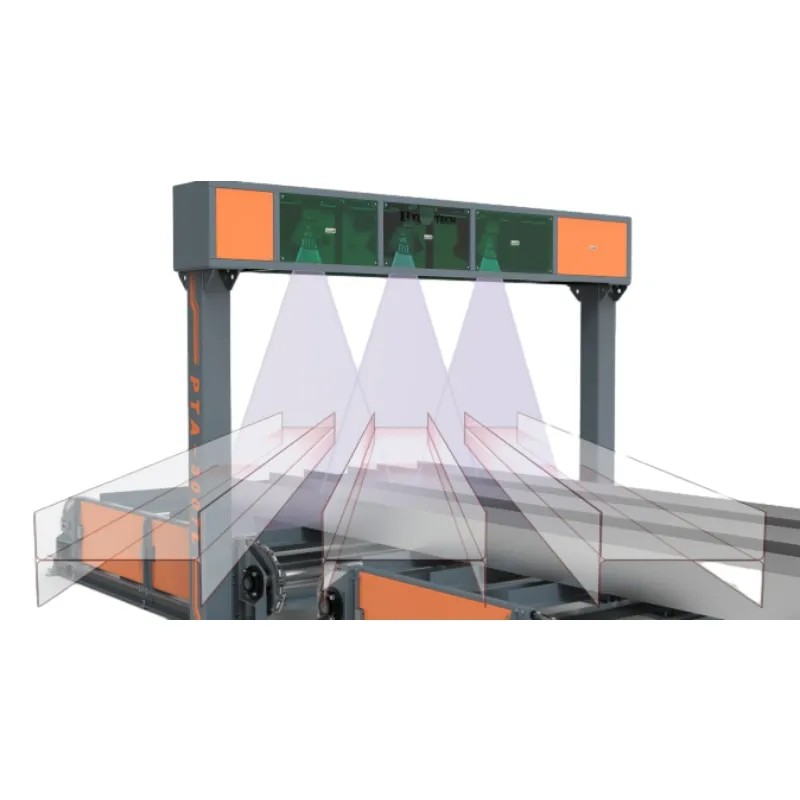
- Multiple safety detection points; side-by-side spraying with auto distance control.
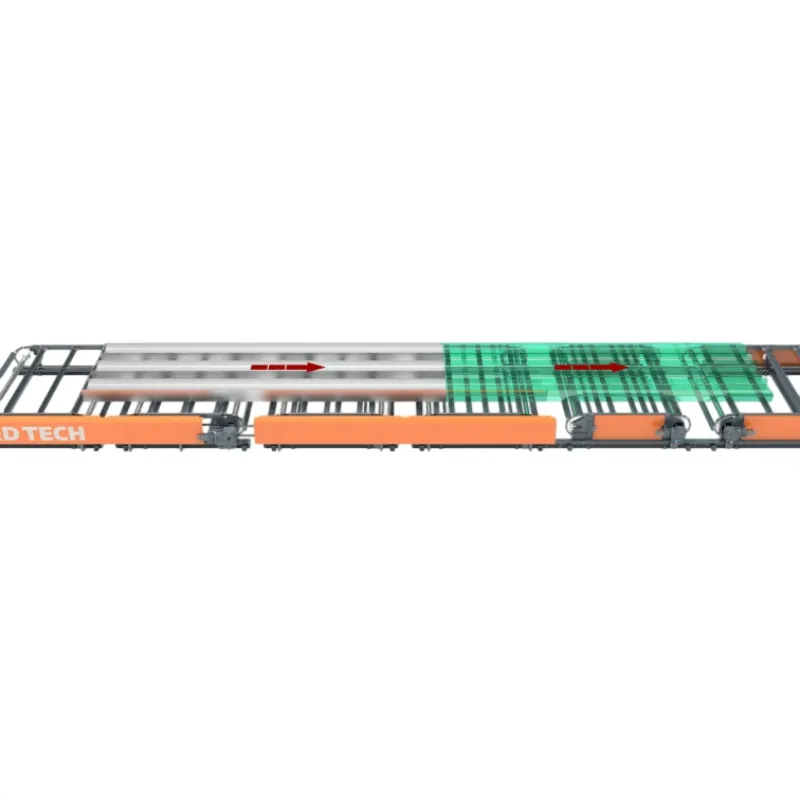
- Adaptive conveyor that adjusts transport speed based on real spray rate—less overspray, better film build.
Key specifications (typical build)
| Parameter | Spec (≈, real-world may vary) |
|---|---|
| Load capacity per lift | 3.5T single-point |
| Component envelope | Up to 2.5 m H × 3.5 m W × 18 m L |
| Coating types | Epoxy, PU, zinc-rich, waterborne |
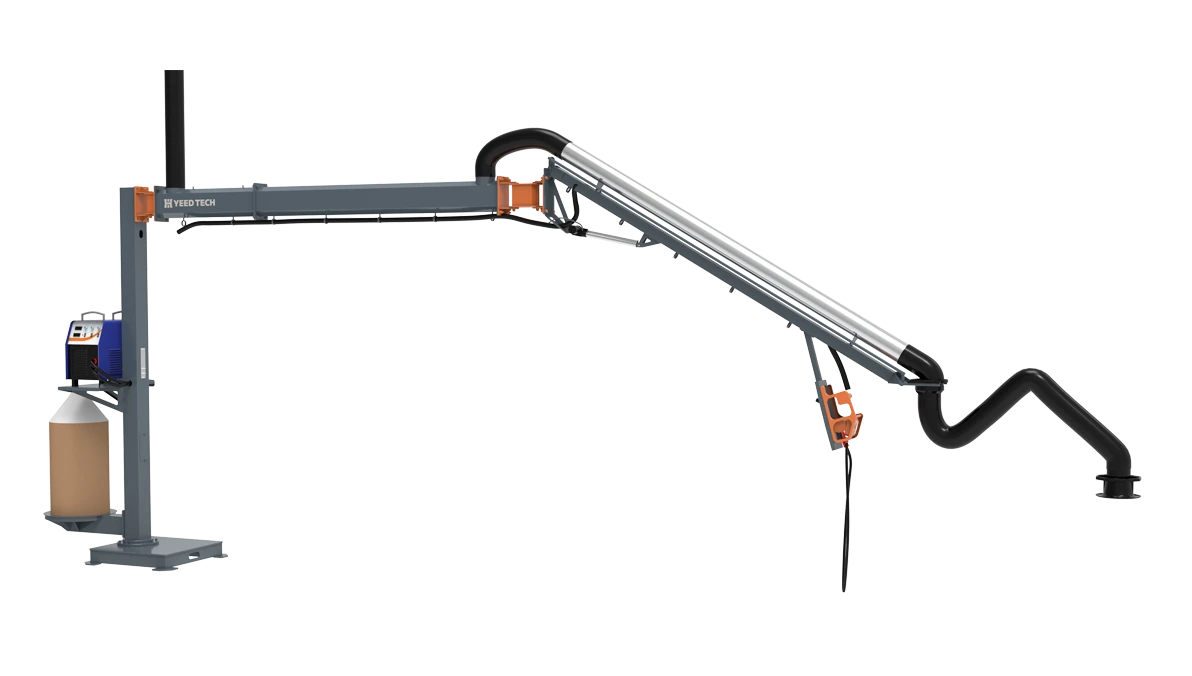
| Atomization | Airless/air-mix; HVLP option; transfer efficiency 70–85% |
| DFT control | Target 60–160 μm per pass; ISO 19840 methodology |
| Controls | PLC + HMI; line-speed auto-adjust; recipe library |
Process flow and QA
Typical line: incoming blast/pretreat → preheat (moisture off) → primer spray → flash-off → topcoat → cure → QC. Methods include wet film gauge checks, final DFT by magnetic probe to ISO 19840, adhesion to ISO 2409 or ASTM D3359, and periodic salt spray per ASTM B117 for system validation. Many customers say the real win is consistency: DFT uniformity within ±10–15 μm across flanges and webs.
Applications, advantages, and service life
Industries: bridges, buildings, heavy equipment frames, wind tower sections, ship blocks. Advantages: fewer repaints, safer handling (interlocks everywhere), and faster changeovers. With planned maintenance, mechanical life is ≈10–15 years; coating durability per ISO 12944 can reach C4–C5 environments with the right system selection.
Vendor comparison (snapshot)
| Vendor | Throughput | Load | Certifications | Notes |
|---|---|---|---|---|
| YEEEED Steel Structure Automatic Painting Line | ≈12–22 parts/hr (mixed) | 3.5T per lift | ISO 9001, CE; ATEX zones optional | Adaptive speed + chain protection |
| Vendor A (Europe) | ≈10–18 parts/hr | 2.0–3.0T | CE, ISO 9001 | Strong waterborne focus |
| Vendor B (US) | ≈14–20 parts/hr | 3.0T | UL panels, NFPA 33 design | Strong data integrations |
Customization and a quick case
Layouts can be tailored: booth count, robot vs. reciprocator, solvent vs. waterborne packages, VOC abatement, and ATEX zoning. One bridge fabricator I visited swapped to this line and reported 18% higher throughput, rework down 28%, and DFT on webs sitting at 125 μm ±12 μm. Feedback sounded almost relieved: “less babysitting, more repeatability.” For teams upgrading from a manual automatic paint spraying machine retrofit (yes, that’s a thing), the adaptive conveyor is the sleeper feature.
Standards and safety
Designed around ISO 12944 for protective coatings on steel; QC to ISO 19840, ISO 2409/ASTM D3359, and ASTM B117 for corrosion testing. Booth design aligns with NFPA 33; CE Machinery Directive compliance; ISO 9001 quality system. It seems obvious, but certification clarity saves audits later.
Final thought: If you’re speccing a automatic paint spraying machine this season, ask vendors for real DFT histograms, transfer-efficiency tests, and a mixed-size demo. The data tells the story.
- ISO 12944 – Corrosion protection of steel structures by protective paint systems.
- ISO 19840 – Measurement of dry film thickness on rough surfaces.
- ISO 2409 / ASTM D3359 – Paints and varnishes—Cross-cut test (adhesion).
- ASTM B117 – Standard Practice for Operating Salt Spray (Fog) Apparatus.
- NFPA 33 – Standard for Spray Application Using Flammable or Combustible Materials; CE Machinery Directive 2006/42/EC.
Latest News
-
Efficient automated hot air drying equipment for steel structure application
NewsApr.16,2026 -
Efficient hot air drying system for steel structure spraying line
NewsApr.09,2026 -
Optimizing Steel Structure Spraying with Hot Air Drying Technology Solutions
NewsApr.07,2026 -
HighEfficiency Hot Air Drying Painting Equipment for Superior Industrial Coatings
NewsApr.04,2026 -
Optimizing Industrial Processes with Hot Air Furnace Heating Spraying Systems
NewsMar.31,2026 -
Comprehensive Tailormade Steel Structure Spraying Solution for Enhanced Durability
NewsMar.28,2026 -
Optimizing Steel Structure Protection through Customization and Integration of Spraying System
NewsMar.26,2026


