


Automatic Paint Spraying Machine: Boost Efficiency & Flawless Finish
The Evolution of Precision: Industry Trends in Automated Painting
The industrial landscape is undergoing a significant transformation, with automation at its core. In surface treatment and protective coating applications, the demand for efficiency, consistency, and reduced environmental impact has accelerated the adoption of advanced technologies. Central to this evolution is the automatic paint spraying machine, a pivotal innovation driving productivity and quality across diverse manufacturing sectors. This technology is not merely about replacing manual labor; it represents a paradigm shift towards intelligent, data-driven coating processes.
Current industry trends highlight a growing emphasis on smart manufacturing, often referred to as Industry 4.0. This includes integrating IoT sensors into painting systems for real-time monitoring, predictive maintenance, and data analytics to optimize operations. There is also a strong push towards eco-friendly solutions, necessitating systems that minimize material waste, reduce VOC emissions, and are compatible with water-borne or high-solids coatings. The market for automated painting solutions, including sophisticated automatic paint dispenser units, is projected to grow substantially, driven by sectors like automotive, aerospace, general manufacturing, and construction, particularly for large-scale projects involving steel structures. As manufacturers seek to enhance competitive advantage, investing in an advanced automatic spray painting system becomes critical for achieving superior finish quality, accelerating production cycles, and ensuring worker safety.
The Core Process Flow: Engineering an Automatic Paint Spraying Machine
A high-performance automatic paint spraying machine is the culmination of precise engineering and sophisticated process integration. The manufacturing process for such a complex system involves several critical stages, ensuring durability, accuracy, and operational longevity.
Manufacturing Process & Materials:
- Design & Engineering: Utilizing CAD/CAM software for precise component design, simulating operational stresses and optimizing material usage. Focus on modularity for customization and easy maintenance.
- Material Selection: Critical components, such as spray gun bodies, paint tanks, and fluid passages, are often constructed from high-grade stainless steel (e.g., 304 or 316L) for exceptional corrosion resistance against various chemicals and paints. Structural frames typically use robust carbon steel alloys, precision-forged for strength and stability. High-wear parts, like nozzles and seals, incorporate tungsten carbide or advanced polymer composites for extended service life.
- Component Fabrication:
- Casting: For specific housing units and complex shapes requiring high material density and uniform strength. Advanced sand or investment casting techniques are employed.
- Forging: Used for parts demanding superior tensile strength and fatigue resistance, such as connecting rods and high-pressure fluid components.
- CNC Machining: Precision machining is fundamental for all critical components, ensuring tight tolerances (e.g., ±0.01 mm) for flawless fit and function. This includes nozzles, fluid regulators, and robotic arm linkages.
- Welding: Robotic and automated welding processes (e.g., TIG, MIG) are used for structural integrity, particularly for paint booths and conveyor systems, ensuring leak-proof seals and robust joints.
- Assembly & Integration: Meticulous assembly of mechanical, electrical, and pneumatic subsystems, followed by software integration for precise control over the automated painting process.
- Quality Control & Testing: Each system undergoes rigorous testing protocols, including functional tests, spray pattern analysis, material adhesion tests, and durability simulations. Compliance with international testing standards like ISO 9001 for quality management, ANSI for performance, and CE for safety ensures reliability and global market acceptance.
Detailed Process Flow of an Automated Painting Line:
-
Step 1: Surface Preparation (Pre-treatment)
Components are thoroughly cleaned to remove oil, rust, and contaminants. This typically involves chemical degreasing, multi-stage rinsing, phosphating or sandblasting (Sa2.5 or higher), and drying. This stage is crucial for paint adhesion and corrosion resistance. -
Step 2: Conveyance & Loading
Workpieces are loaded onto an automated conveyor system (e.g., overhead chain conveyors, power & free conveyors) that transports them through various stations. Precision tracking ensures proper positioning for subsequent processes. -
Step 3: Paint Mixing & Dispensing
An advanced automatic paint dispenser precisely mixes multi-component paints (e.g., epoxies, polyurethanes) according to pre-set ratios. This system ensures consistent viscosity and color, feeding the spray guns on demand. -
Step 4: Automatic Paint Application
Robotic arms equipped with electrostatic or airless spray guns apply paint with extreme precision. Programmable spray patterns, coating thickness control (e.g., ±5 microns), and optimized atomization minimize overspray and ensure uniform coverage. This is where the automatic paint spraying machine excels, delivering consistent quality impossible with manual methods. -
Step 5: Flash-Off Zone
After application, components move through a controlled flash-off zone where solvents evaporate, preventing defects like blistering and improving paint adhesion before curing. -
Step 6: Curing/Baking
Workpieces enter a high-temperature curing oven (e.g., infrared, convection, UV) where the paint film hardens and achieves its final mechanical properties and chemical resistance. Temperature and duration are precisely controlled. -
Step 7: Cooling & Quality Inspection
Components are cooled, then undergo automated and manual quality checks for coating thickness, adhesion, gloss, and visual defects. Non-destructive testing methods are often employed. -
Step 8: Unloading & Packaging
Finished products are automatically or manually unloaded and prepared for shipment.
Service Life & Target Industries:
With proper maintenance and adherence to operational guidelines, a robust automatic paint spraying machine system is designed for an impressive service life of 15-20 years. Its modular design allows for component upgrades, further extending its operational viability. These systems are indispensable in target industries such as:
- Petrochemical: Coating pipelines, storage tanks, and structural elements against aggressive corrosive agents.
- Metallurgy: Protecting structural steel, heavy machinery, and metal components from oxidation and wear.
- Water Supply & Drainage: Ensuring the longevity of water treatment plant components, pipes, and valves in harsh aquatic environments.
- Shipbuilding & Marine: Applying durable, anti-corrosive coatings to ship hulls and offshore structures.
- Automotive & Rail: High-volume, high-quality finishing for vehicle bodies and components.
- Heavy Equipment: Protecting machinery used in construction, mining, and agriculture.
In typical application scenarios, these systems deliver significant advantages: up to 30% energy saving through optimized curing and reduced overspray, superior corrosion resistance due to uniform film thickness and excellent adhesion, and a cleaner operational environment with integrated filtration systems.
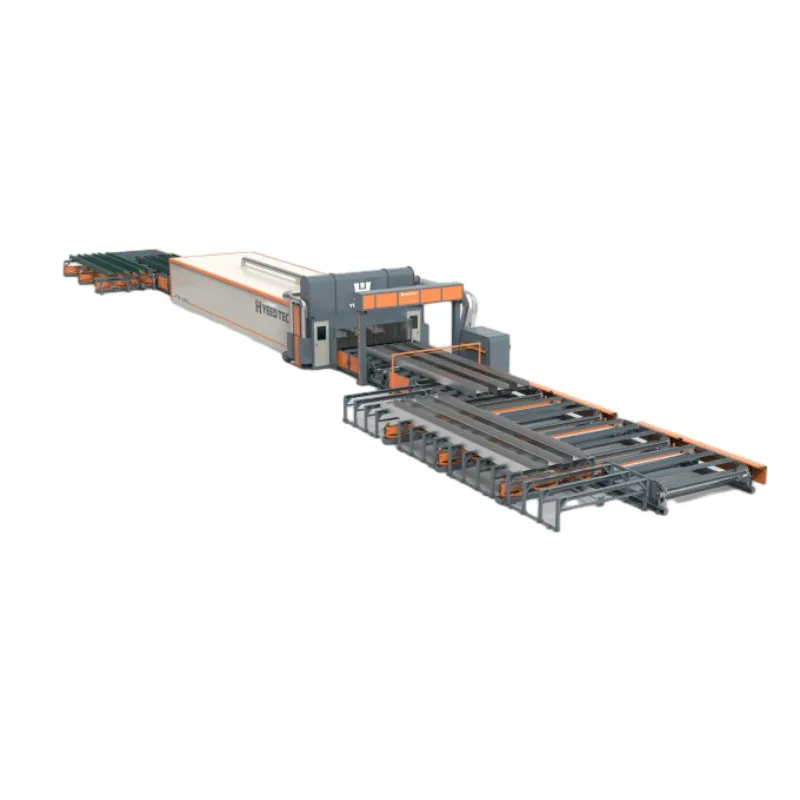
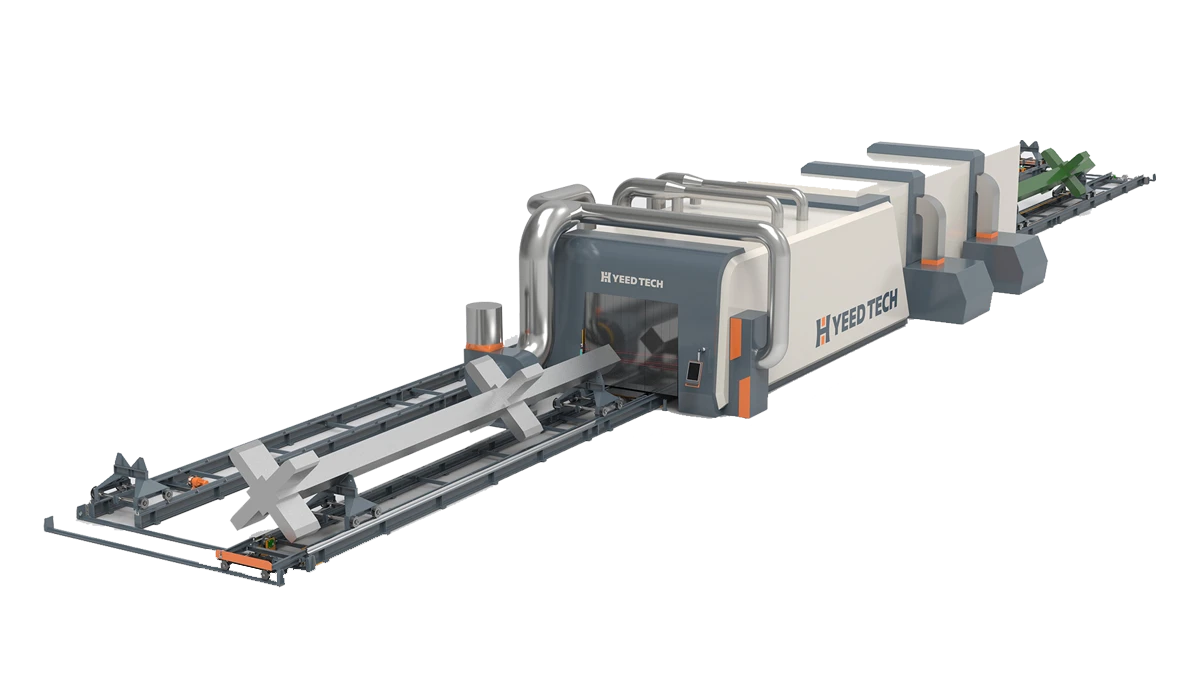
Fig. 1: Robotic precision in an automatic paint spraying machine application.
Technical Specifications for High-Performance Automatic Painting Systems
Understanding the detailed technical specifications of an automatic paint spraying machine is crucial for making informed procurement decisions. These parameters dictate the system's performance, efficiency, and suitability for specific industrial applications. Below is a table outlining typical specifications for a state-of-the-art Steel Structure Automatic Painting Line.
Product Specification Table: Steel Structure Automatic Painting Line
| Parameter | Specification | Details/Description |
|---|---|---|
| Max. Workpiece Dimensions (L x W x H) | 25m x 3m x 2.5m | Accommodates large-scale steel components. Custom sizes available. |
| Conveyor Speed Range | 0.5 - 3.0 m/min (adjustable) | Optimized for various paint types and curing times. |
| Number of Robotic Arms | 2 to 8 (scalable) | Dependent on throughput and part complexity. |
| Spray Gun Type | Airless, Air-Assisted Airless, Electrostatic | Selected based on coating material and desired finish. |
| Paint Consumption Efficiency | > 90% (Electrostatic) | Significant material savings compared to manual methods. |
| Coating Thickness Uniformity | ±5 microns | Ensures consistent protection and aesthetic quality. |
| Curing Oven Type | Infrared (IR) & Hot Air Convection | Hybrid system for efficient and uniform curing. |
| Control System | PLC with HMI Touchscreen, Industrial PC | Intuitive interface for programming and monitoring. |
| Environmental Compliance | Integrated VOC abatement, Waste paint recovery | Adherence to local and international environmental regulations. |
| Power Consumption (Average) | 50-150 kW (system dependent) | Optimized for energy efficiency. |
| System Uptime Guarantee | > 98% | High reliability for continuous production. |
Diverse Application Scenarios and Operational Excellence
The versatility of an automatic paint spraying machine extends across numerous industries, demonstrating its capacity to handle a wide range of materials and part geometries. From automotive bodies to large infrastructure components, the precision and consistency offered by these systems are unmatched.
Key Application Areas:
- Automotive Industry: Robotic painting lines are standard for vehicle bodies, panels, and components, ensuring high-gloss finishes and durable protection against environmental factors. The intricate shapes of automotive parts are handled with unparalleled accuracy by an automatic paint spraying machine.
- Heavy Machinery & Equipment: Large parts for construction equipment, agricultural machinery, and industrial vehicles require robust, thick coatings. Automated systems manage these substantial dimensions and paint volumes efficiently.
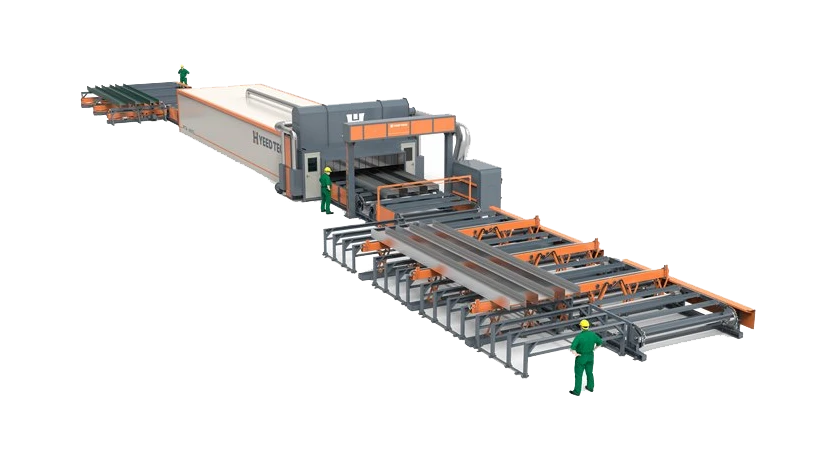
- Structural Steel Fabrication: For bridges, buildings, and offshore platforms, automated painting ensures comprehensive corrosion protection, extending the lifespan of critical infrastructure. Our Steel Structure Automatic Painting Line specifically addresses these demanding applications.
- Aerospace Components: Precision and uniformity are paramount. Automated systems apply specialized coatings to aircraft parts, meeting stringent industry standards for performance and safety.
- Consumer Goods & Electronics: Smaller components for appliances, electronics, and furniture benefit from the high-quality finish and rapid throughput of an automatic spray painting system.
Customer feedback consistently highlights the superior operational efficiency and consistent quality achieved through automated solutions. For instance, a leading manufacturer of construction equipment reported a 25% reduction in paint material costs and a 40% increase in throughput after implementing an advanced automatic paint spraying machine. This translates directly into higher profitability and faster time-to-market. Another client praised the system's ability to maintain uniform coating thickness even on complex geometries, drastically reducing rework and enhancing product durability.
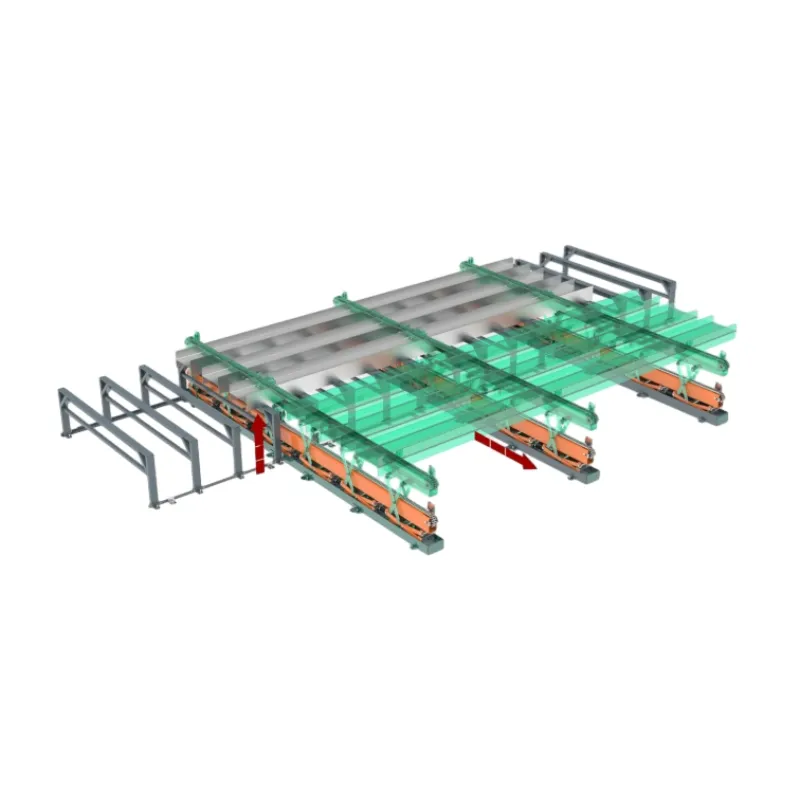
Fig. 2: Automated painting of large-scale industrial components.
Unlocking Value: Key Technical Advantages of Automated Painting Systems
The transition from manual to automated painting with an automatic paint spraying machine brings a multitude of technical and economic advantages that are critical for modern industrial operations.
Precision and Consistency:
- Uniform Film Thickness: Robotic precision ensures highly consistent coating thickness across the entire workpiece, eliminating human error, runs, and sags. This is vital for achieving optimal protective properties and aesthetic quality.
- Repeatability: Once programmed, an automated painting process can replicate the exact same spray pattern and parameters thousands of times, guaranteeing identical quality for every product.
Efficiency and Cost Reduction:
- Material Savings: Advanced spray technologies like electrostatic application or HVLP (High Volume Low Pressure) paired with precise robotic control significantly reduce overspray, leading to paint consumption efficiencies often exceeding 90%. This directly impacts operational costs.
- Increased Throughput: Automated systems operate continuously, often at higher speeds than manual painters, dramatically increasing production capacity and reducing lead times.
- Reduced Rework: Consistent quality minimizes defects, significantly cutting down on costly and time-consuming rework processes.
- Labor Optimization: While requiring skilled operators and maintenance personnel, automation reduces the need for manual painters in hazardous environments, allowing reallocation of human resources to higher-value tasks.
Safety and Environmental Benefits:
- Worker Safety: Removing human operators from direct exposure to paint fumes and hazardous chemicals in the spray booth significantly enhances workplace safety.
- Environmental Compliance: Reduced paint waste and the integration of sophisticated ventilation and VOC abatement systems help meet stringent environmental regulations, reducing the ecological footprint of manufacturing operations. This is often supported by an intelligent automatic paint dispenser, minimizing spills and precise mixing.
Flexibility and Intelligence:
- Adaptability: Modern robotic painting systems can be quickly reprogrammed for different part designs and coating requirements, offering unparalleled flexibility in production.
- Data Analytics: Integrated sensors and control systems provide real-time data on paint usage, environmental conditions, and system performance, enabling continuous optimization and predictive maintenance for the entire automatic spray painting system.
Strategic Selection: Vendor Comparison for Automated Painting Solutions
Choosing the right provider for an automatic paint spraying machine involves a comprehensive evaluation of technical capabilities, service offerings, and long-term support. While many vendors offer automated painting solutions, their approaches to technology, customization, and after-sales support can vary significantly. Below is a comparative overview focusing on key decision factors.
Vendor Comparison Table: Key Differentiators in Automatic Painting Systems
| Feature/Service | Vendor A (e.g., YEEED) | Vendor B (Competitor 1) | Vendor C (Competitor 2) |
|---|---|---|---|
| System Customization | High: Modular design, adaptable to unique production lines and workpiece geometries. Full integration services. | Medium: Limited module options, some standard configurations. | Low: Mostly off-the-shelf solutions, minimal adaptation. |
| Paint Types Compatibility | Broad: Water-borne, solvent-borne, high-solids, 2K, powder coatings. | Moderate: Primarily solvent-borne and powder. | Limited: Focus on specific paint chemistries. |
| Robotic Technology | Advanced 6-axis/7-axis industrial robots, integrated vision systems for path generation. | Standard 6-axis robots, basic path programming. | Entry-level robots, less complex motion. |
| Environmental Features | Integrated VOC abatement, overspray recovery, energy-efficient curing. Exceeds global standards. | Basic filtration, some energy-saving modes. Meets local standards. | Minimal focus, often requires external add-ons. |
| Software & Connectivity (Industry 4.0) | Comprehensive HMI, SCADA integration, IoT ready, remote diagnostics, predictive analytics. | Standard PLC/HMI, basic data logging. | Simple control panel, manual data collection. |
| After-Sales Support & Warranty | Global 24/7 support, comprehensive training, 2-year warranty, extended service contracts. | Regional support, basic training, 1-year warranty. | Limited local support, 6-month warranty. |
| Installation & Commissioning | Full turnkey installation, rigorous on-site testing and calibration. | Assisted installation, basic testing. | Client responsible for most installation. |
This comparison underscores the importance of evaluating not just the initial cost, but the total cost of ownership, including operational efficiency, maintenance, environmental compliance, and the potential for future expansion or integration with existing manufacturing systems. A provider offering robust customization and comprehensive support, like YEEED, significantly de-risks the investment in an automated painting process.
Tailored Solutions and Customization for Unique Industrial Needs
In the B2B sector, one-size-fits-all solutions rarely suffice. Each industrial application presents unique challenges regarding part size, geometry, material, desired finish, throughput requirements, and factory layout. Recognizing this, leading manufacturers of the automatic paint spraying machine offer extensive customization options, transforming standard modules into highly specialized, efficient painting lines.
Key Areas of Customization:
- System Configuration: Adapting the number and type of robotic arms, conveyor systems (overhead, floor-mounted, power & free), and booth dimensions to match the specific workpiece envelope and production volume.
- Paint Application Technology: Customizing spray gun types (e.g., rotary atomizers, HVLP, airless, electrostatic) and associated fluid handling systems, including multi-component automatic paint dispenser units, to optimize for different paint chemistries and film thickness requirements.
- Pre-treatment & Curing Integration: Designing pre-treatment stages (e.g., shot blasting, washing, phosphating) and curing ovens (e.g., IR, UV, convection) to seamlessly integrate with the automated painting process, ensuring ideal surface conditions and curing profiles.
- Automation & Control Systems: Developing bespoke software for robotic path generation, integrating with existing ERP/MES systems, and providing advanced diagnostic tools for predictive maintenance. This allows for fine-tuned control over every aspect of the automated painting process.
- Environmental Solutions: Tailoring waste management, VOC abatement, and air filtration systems to comply with specific regional environmental regulations and internal sustainability goals.
Working closely with clients from initial concept design to final commissioning ensures that the customized automatic paint spraying machine not only meets current production needs but also offers scalability for future demands. This collaborative approach leverages deep engineering expertise to deliver maximum ROI and operational efficiency.
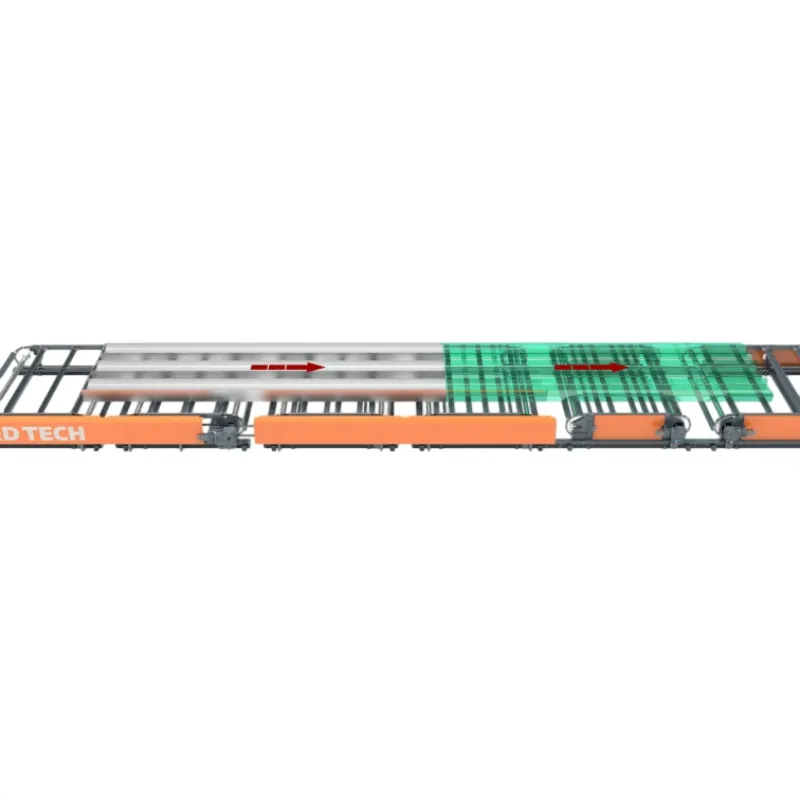
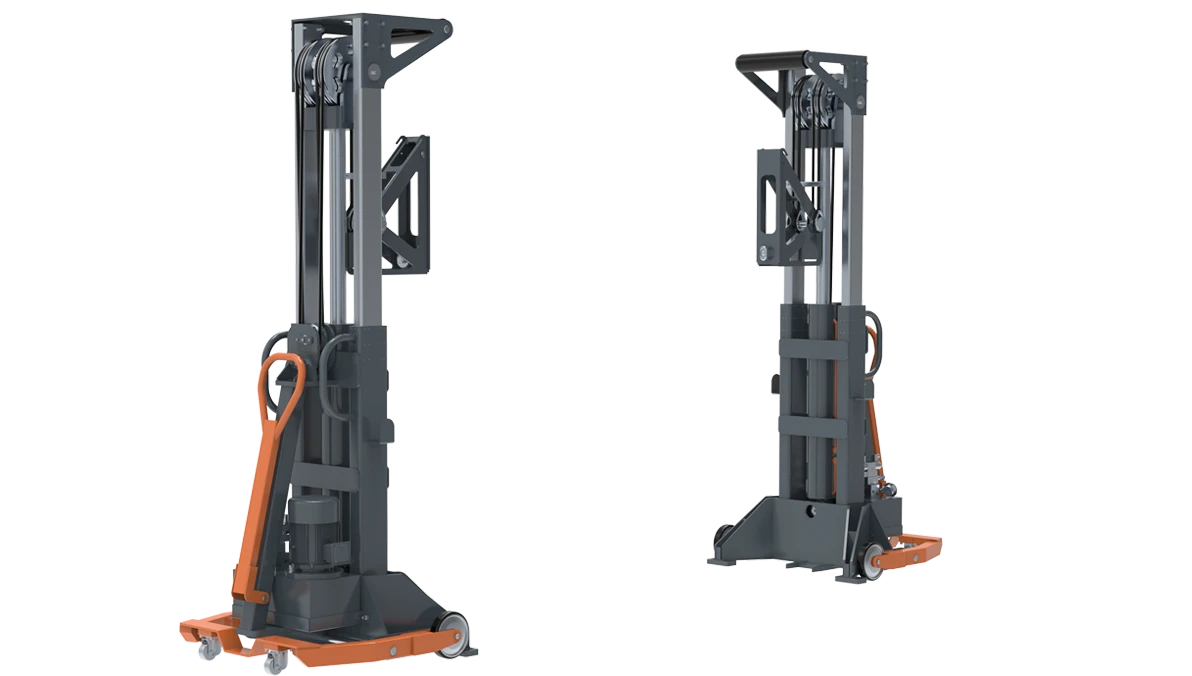
Fig. 3: Customized automatic spray painting system integrated into a production line.
Real-World Application Case Studies: Proven Success with Automated Painting
The efficacy of an automatic paint spraying machine is best demonstrated through its successful deployment in challenging industrial environments. These case studies highlight the tangible benefits achieved by adopting an automated painting process.
Case Study 1: Large-Scale Infrastructure Project (Client: Global Engineering Firm)
Challenge: A global engineering firm needed to apply highly durable, multi-layer anti-corrosion coatings to thousands of tons of structural steel for a major bridge project. Manual painting was slow, inconsistent, and posed significant safety risks.
Solution: Implemented a customized Steel Structure Automatic Painting Line featuring multiple robotic arms, a dedicated automatic paint dispenser for 2-component epoxy paints, and a high-capacity hot air convection oven. The system was designed to handle steel beams up to 20 meters in length.
Results:
- Throughput Increase: 60% faster than previous manual methods.
- Coating Consistency: Achieved ±3 micron tolerance on film thickness, significantly surpassing project specifications (ISO 12944 compliance).
- Material Savings: 28% reduction in paint consumption due to optimized transfer efficiency.
- Safety: Eliminated manual exposure to hazardous paints in spray zones.
Case Study 2: Automotive Parts Manufacturer (Client: Tier 1 Supplier)
Challenge: A supplier of automotive chassis components needed to upgrade their painting line to meet stricter OEM quality standards and increase production volume for a new electric vehicle platform. Manual application resulted in high rejection rates for cosmetic defects.
Solution: Deployed an integrated automatic spray painting system with four 7-axis robots, a vision-guided part recognition system, and an electrostatic bell atomizer for maximum transfer efficiency. The system was tailored for quick color changes.
Results:
- Defect Rate Reduction: Less than 0.5% defect rate on finished parts, a 90% improvement.
- Production Capacity: Doubled hourly output, meeting increased OEM demand.
- Cost Efficiency: 35% reduction in overall painting costs, including labor and materials.
Ensuring Trust: Certifications, Support & FAQs
In B2B partnerships, trust is paramount. It is built not only on technological prowess but also on reliability, transparency, and unwavering support. Our commitment to quality and customer satisfaction is reinforced by rigorous certifications, dedicated support services, and clear communication.
Authoritativeness & Certifications:
- ISO 9001:2015 Certified: Demonstrates our adherence to internationally recognized quality management system standards for the design, manufacturing, and servicing of our automatic paint spraying machine systems.
- CE Marking: All relevant equipment carries the CE mark, indicating compliance with European Union health, safety, and environmental protection standards.
- Strategic Partnerships: We proudly partner with leading industrial automation and paint technology providers, ensuring access to the latest innovations and integration expertise. Our client portfolio includes Fortune 500 companies in petrochemical, automotive, and heavy industry sectors, serving them for over 15 years.
- Robust Testing: Each system undergoes extensive factory acceptance testing (FAT) and on-site commissioning, with comprehensive performance reports provided to clients, including data on transfer efficiency, coating uniformity, and energy consumption.
Lead Time & Fulfillment:
Our typical lead time for a standard automatic paint spraying machine or Steel Structure Automatic Painting Line ranges from 12 to 20 weeks, depending on the complexity of customization and current production schedules. This includes design, fabrication, assembly, and initial factory testing. Expedited options may be available upon request. We maintain transparent communication throughout the project lifecycle, providing regular updates on milestones and delivery projections.
Warranty Commitments:
All our automated painting systems come with a comprehensive 2-year warranty on parts and labor, covering manufacturing defects and operational failures under normal usage conditions. Extended warranty plans and preventative maintenance contracts are also available to ensure sustained peak performance.
Customer Support & After-Sales Service:
Our commitment extends far beyond installation. We offer:
- 24/7 Global Technical Support: Our expert team is available around the clock to assist with troubleshooting and operational queries.
- On-Site Training: Comprehensive training programs for your operators and maintenance staff ensure proficient system operation and upkeep.
- Spare Parts Availability: A readily available inventory of critical spare parts minimizes downtime.
- Remote Diagnostics: Our systems are equipped for secure remote diagnostics, allowing for rapid issue identification and resolution.
Frequently Asked Questions (FAQs):
Q: What kind of return on investment (ROI) can I expect from an automated painting system?
A: ROI is typically realized within 18-36 months, driven by significant reductions in paint material costs (up to 30%), increased throughput (20-60%), reduced labor costs, and a drastic decrease in rework due to consistent quality. Specific figures depend on your current operational costs and production volume.
Q: How flexible is the system for handling different part sizes or designs?
A: Our automated systems, particularly the automatic paint spraying machine, are highly flexible. Robotic programming allows for rapid changeovers between different part geometries. Vision systems can even detect part variations and adjust spray paths dynamically, ensuring versatility for mixed-model production.
Q: What environmental regulations do your systems comply with?
A: Our systems are designed to meet or exceed international environmental standards, including those for VOC emissions. We integrate advanced filtration, solvent recovery, and paint waste management solutions to ensure responsible and compliant operations.
Q: What kind of ongoing maintenance is required?
A: Routine maintenance includes cleaning spray guns, checking fluid lines, and inspecting robotic components, typically performed daily or weekly. We provide detailed maintenance schedules and offer preventative maintenance service contracts to ensure optimal system performance and longevity.
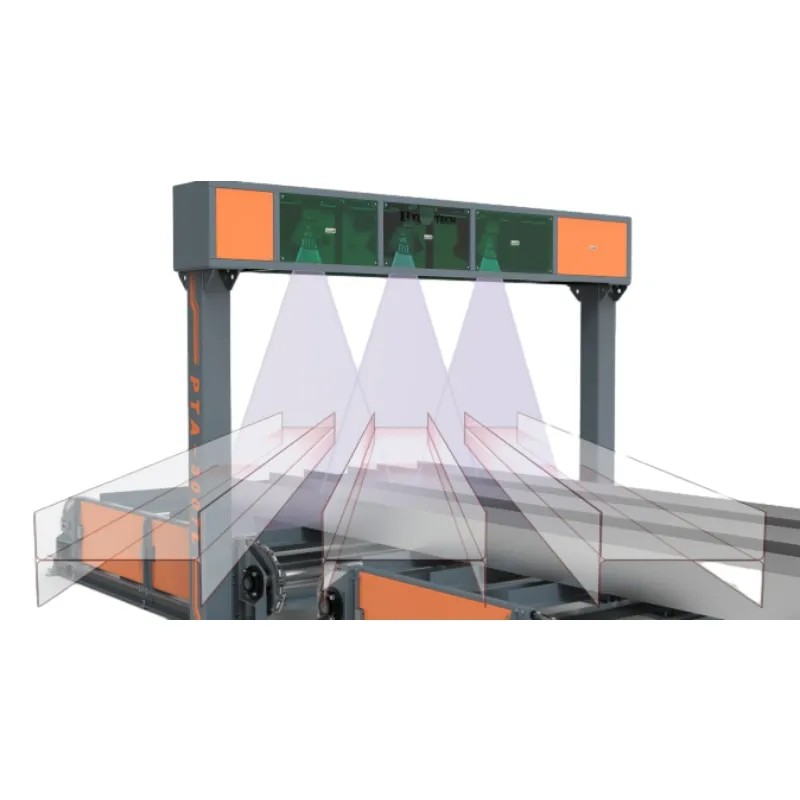
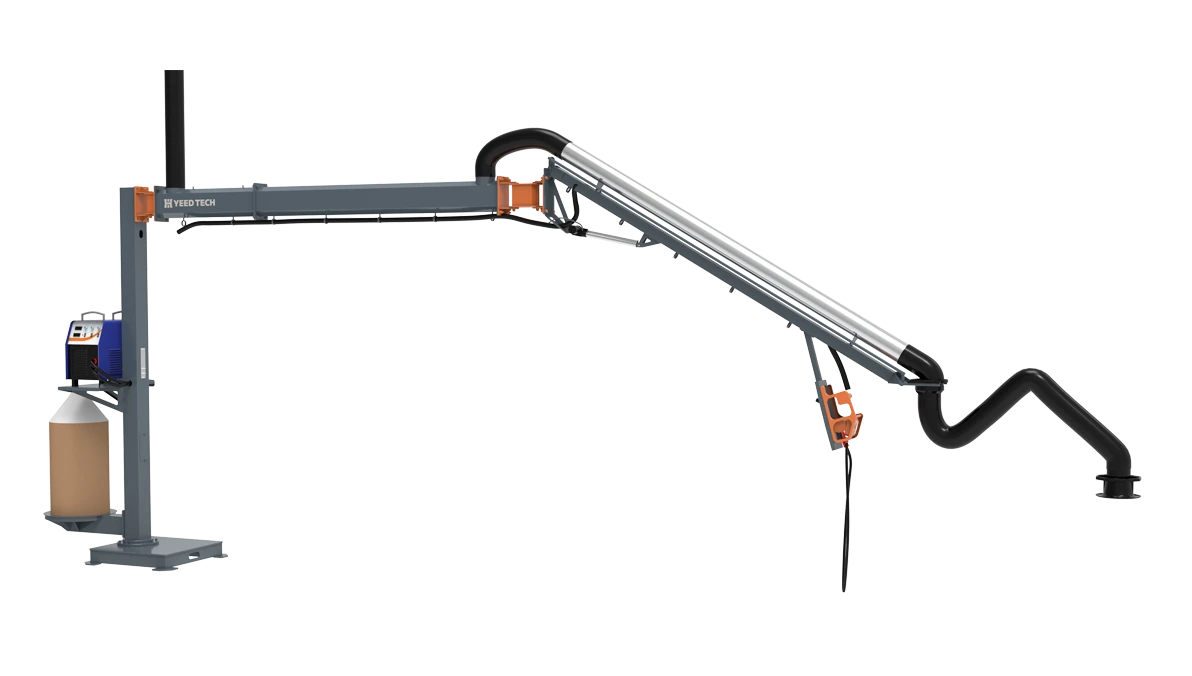
Fig. 4: Control interface of an automatic paint spraying machine.
Conclusion: The Future of Precision Coating
The adoption of the automatic paint spraying machine represents a critical investment in the future of industrial manufacturing. By leveraging advanced robotics, sophisticated control systems, and innovative application technologies, businesses can achieve unprecedented levels of precision, efficiency, and sustainability in their coating operations. From enhanced product durability to significant cost savings and improved environmental compliance, the benefits of an automated painting process are clear and compelling. As industries continue to evolve towards smarter, more integrated production environments, the role of intelligent automated painting solutions will only grow in importance, driving competitive advantage and setting new benchmarks for quality and performance.
References
- International Organization for Standardization. ISO 9001:2015 - Quality management systems — Requirements.
- Paint & Coatings Industry Magazine. "Industrial Coatings Market Trends and Forecasts." BNP Media.
- Robotics Industries Association (RIA). "The Benefits of Robotic Painting Systems."
- Journal of Coatings Technology and Research. "Advances in Robotic Spray Painting for Complex Geometries."
- Environmental Protection Agency (EPA). "Reducing Volatile Organic Compound Emissions in Surface Coating Operations."
Latest News
-
Efficient automated hot air drying equipment for steel structure application
NewsApr.16,2026 -
Efficient hot air drying system for steel structure spraying line
NewsApr.09,2026 -
Optimizing Steel Structure Spraying with Hot Air Drying Technology Solutions
NewsApr.07,2026 -
HighEfficiency Hot Air Drying Painting Equipment for Superior Industrial Coatings
NewsApr.04,2026 -
Optimizing Industrial Processes with Hot Air Furnace Heating Spraying Systems
NewsMar.31,2026 -
Comprehensive Tailormade Steel Structure Spraying Solution for Enhanced Durability
NewsMar.28,2026 -
Optimizing Steel Structure Protection through Customization and Integration of Spraying System
NewsMar.26,2026


