


Automatic Paint Spraying Machine: Precision, Speed & Efficiency
Elevating Industrial Finishing: The Rise of Automated Painting
The industrial landscape is constantly evolving, driven by demands for greater efficiency, precision, and safety. In the realm of surface finishing, the shift from manual to automated processes has been transformative. Enterprises across various sectors are increasingly adopting sophisticated solutions to achieve superior coating quality, reduce material waste, and enhance operational throughput. This evolution is particularly evident in the deployment of advanced automatic paint spraying machine systems.
Modern industrial painting is no longer merely about applying a protective or aesthetic layer; it's a critical step that defines product durability, market appeal, and compliance with stringent industry standards. From aerospace components to heavy machinery, the consistency and uniformity delivered by an automatic paint spraying machine ensure peak performance and extended service life. This article delves into the intricacies of these systems, exploring their manufacturing, technical capabilities, diverse applications, and the significant advantages they offer.
Industry Trends Driving Automation in Painting
- Increased Demand for Consistency: Manual painting is inherently prone to variability. Automated systems virtually eliminate human error, ensuring uniform film thickness and finish quality across every product.
- Environmental Regulations: Stricter VOC (Volatile Organic Compound) emission standards are pushing manufacturers towards more efficient paint application methods, reducing overspray and promoting the use of eco-friendly coatings. An automatic paint dispenser integrated into a system can precisely manage material usage.
- Worker Safety: Removing operators from hazardous spray booth environments significantly improves workplace safety and reduces exposure to harmful fumes.
- Cost Reduction: While the initial investment can be substantial, long-term savings from reduced material consumption, lower labor costs, and decreased rework make automation a compelling choice.
- Integration with Industry 4.0: Modern painting lines are often integrated with IoT devices, allowing for real-time monitoring, data analytics, and predictive maintenance, contributing to a truly automated painting process.
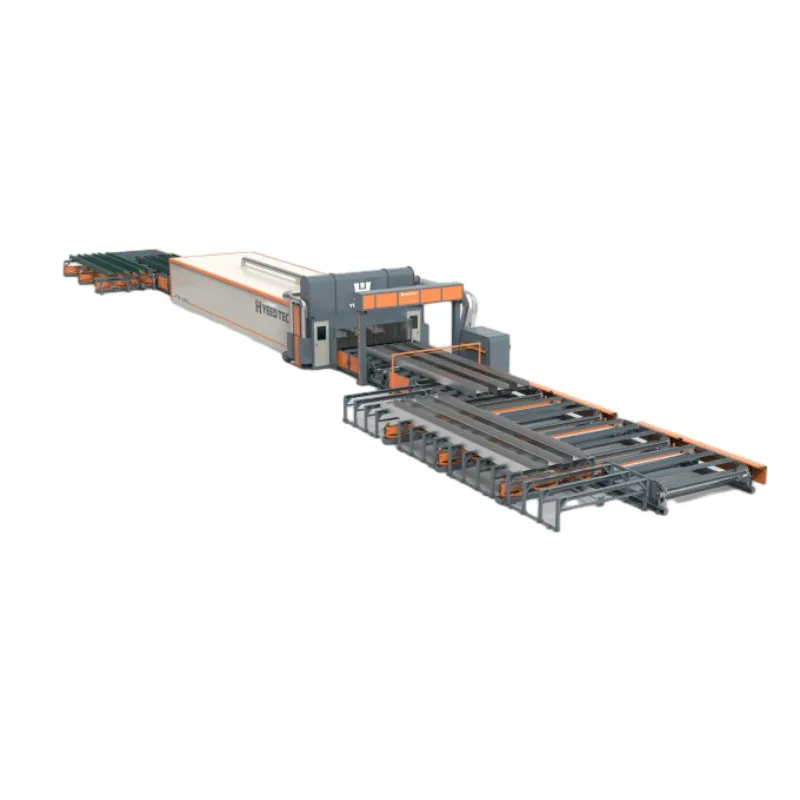
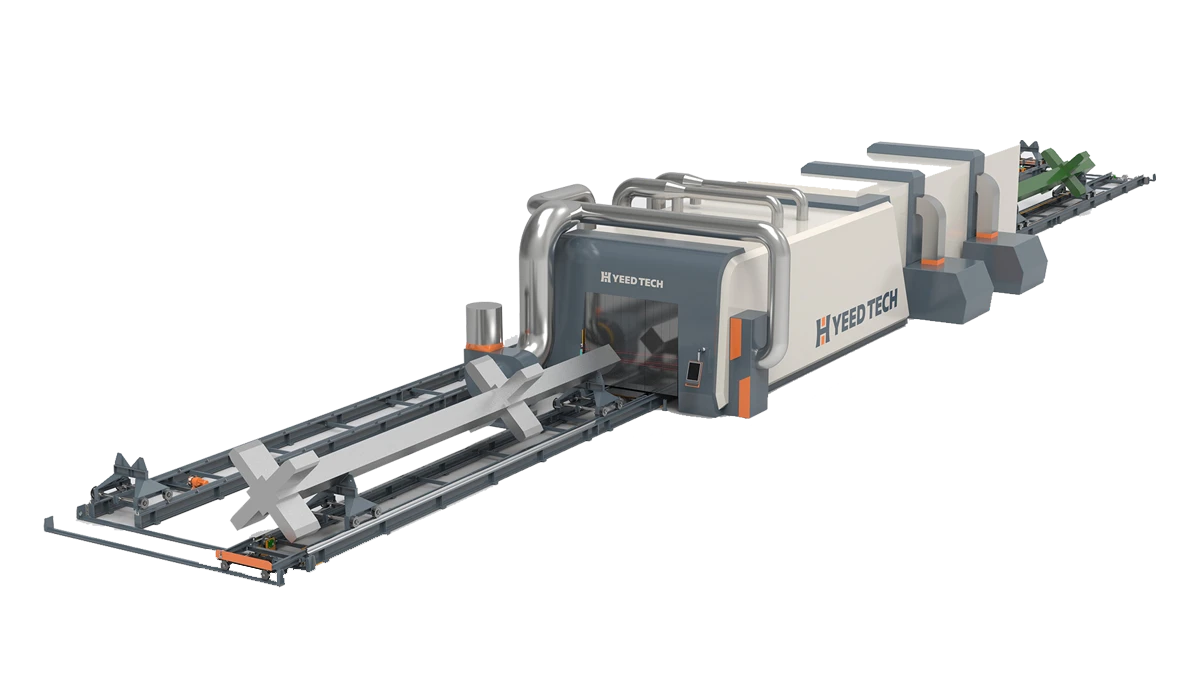
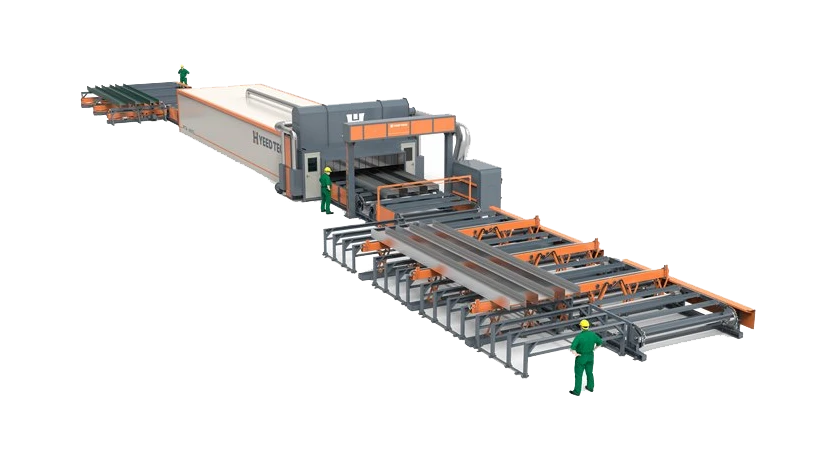
Modern industrial paint spraying line for optimal efficiency.
Detailed Manufacturing Process Flow of an Automatic Paint Spraying Machine
The construction of a robust and reliable automatic paint spraying machine involves a multi-stage manufacturing process, emphasizing precision engineering and adherence to strict quality control. From raw material sourcing to final assembly and testing, every step is critical to ensure the system's long-term performance and durability in demanding industrial environments.
Key Stages in Manufacturing:
-
Design and Engineering:
Utilizing CAD/CAM software, engineers design the system architecture, robotic arm movements, paint delivery systems, and control logic. Material selection is paramount, often involving high-grade stainless steel (e.g., SUS304, SUS316) for fluid paths to ensure corrosion resistance, and robust alloys for structural components.
-
Component Fabrication:
- Casting/Forging: Complex parts like pump housings or specialized nozzles may be precision cast or forged from wear-resistant alloys.
- CNC Machining: Critical components such as robot joints, spray gun parts, and intricate manifold blocks are manufactured using advanced CNC machining centers, achieving tolerances as low as ±0.01 mm for optimal performance and seal integrity.
- Sheet Metal Fabrication: Enclosures, booths, and structural frames are precisely cut, bent, and welded from industrial-grade steel or aluminum sheets.
- Electrical and Control Panel Assembly: Wiring harnesses, PLCs (Programmable Logic Controllers), HMIs (Human-Machine Interfaces), and drive systems are assembled and tested according to electrical safety standards (e.g., IEC 60204).
-
Surface Treatment:
Components receive various surface treatments, including powder coating, galvanization, or anodizing, to enhance corrosion resistance and durability, especially for parts exposed to harsh environments or chemicals. For internal fluid paths, electropolishing is often used to ensure smooth surfaces and prevent paint residue buildup.
-
Assembly:
Skilled technicians assemble the mechanical, electrical, and pneumatic subsystems. This includes integrating robotic arms, paint delivery systems (pumps, hoses, fluid regulators), spray guns, and ventilation systems. Specialized tools are used to ensure correct torque and alignment.
-
Testing and Quality Assurance:
Every automatic spray painting system undergoes rigorous testing:
- Functional Testing: Verifying the movement range of robotic arms, pump performance, and spray pattern consistency.
- Leak Testing: Pressure testing all fluid lines and connections.
- Software and Control System Validation: Ensuring PLC and HMI operate correctly, and safety interlocks function as designed.
- Performance Testing: Simulating real-world painting scenarios with various coatings and substrates to validate efficiency and quality.
- Standards Compliance: Adherence to international standards like ISO 9001 (Quality Management), ISO 14001 (Environmental Management), CE Marking (European conformity), and ANSI (American National Standards Institute) for safety and operational guidelines.
-
Packaging and Shipment:
Machines are carefully prepared for transport, often crated in custom-built wooden container111s, with protective measures against moisture and impact.
The typical service life of a well-maintained industrial automatic painting machine can exceed 15-20 years, a testament to the quality of materials and manufacturing processes. Target industries include petrochemical, metallurgy, automotive, aerospace, heavy equipment manufacturing, and water supply & drainage, where surface protection is paramount.
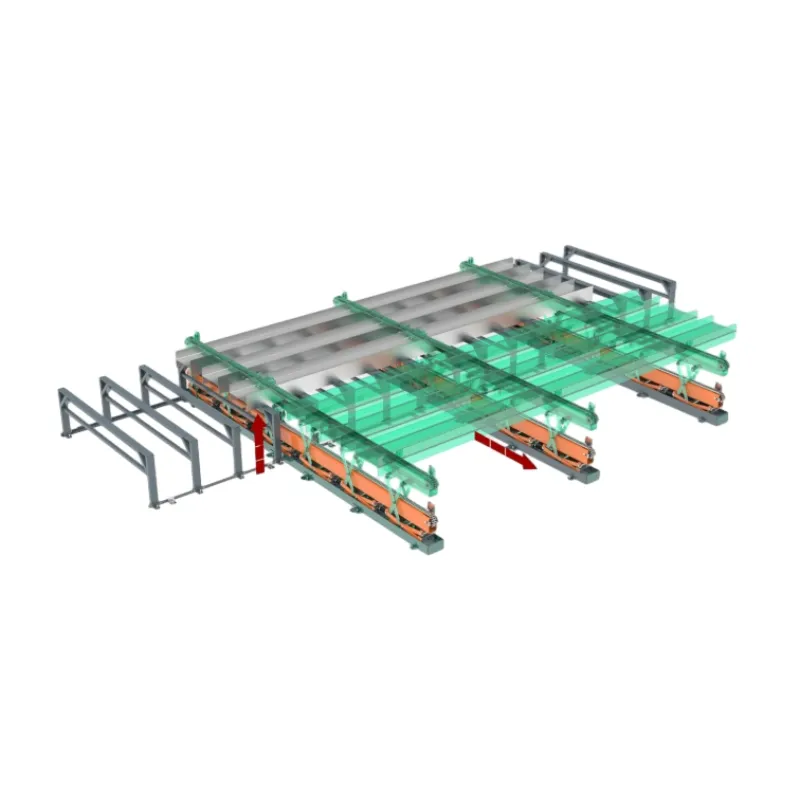
Robotic precision for consistent coating application.
Technical Specifications and Parameters of a Leading Automatic Paint Spraying Machine
Understanding the technical specifications of an automatic paint spraying machine is crucial for evaluating its suitability for specific industrial applications. Key parameters define its performance, capacity, and operational efficiency. Below is a representative table outlining typical specifications for a high-performance steel structure automatic painting line.
Product Specification Table: Steel Structure Automatic Painting Line
| Parameter | Specification |
|---|---|
| Max. Workpiece Dimensions (L×W×H) | 15,000mm × 2,500mm × 1,800mm (Customizable) |
| Conveyor Speed Range | 0.5 - 5.0 m/min (Variable Speed Drive) |
| Spray Gun Type | High-Volume Low-Pressure (HVLP), Airless, or Electrostatic (Configurable) |
| Number of Robotic Axes | 6-axis Industrial Robots (2-4 units typical) |
| Paint Delivery System | Reciprocating Pumps with Flow Control (Gear pumps, Diaphragm pumps) |
| Coating Thickness Uniformity | ± 5 micrometers (depending on paint type and surface geometry) |
| Paint Recovery Efficiency | Up to 95% (with advanced filtration and recycling systems) |
| Control System | Siemens/Allen-Bradley PLC with HMI Touchscreen |
| Power Requirements | 3-Phase AC 380V/415V, 50Hz, 50-150 kW (System Dependent) |
| Compressed Air Requirements | 0.6 - 0.8 MPa, 5-10 m³/min (Dry, Oil-Free) |
| Operating Temperature Range | 5°C to 45°C |
| Certifications | CE, ISO 9001, RoHS Compliant Components |
These specifications highlight the capabilities of a modern automated painting process, designed for high throughput and consistent quality, crucial for maintaining competitive advantages in today's manufacturing environment.
Application Scenarios and Technical Advantages
The versatility of an automatic paint spraying machine allows its application across a broad spectrum of industries, each benefiting from its inherent precision and efficiency. The technical advantages translate directly into significant operational improvements and cost savings for businesses.
Diverse Application Scenarios:
- Steel Structure Manufacturing: For large-scale steel beams, columns, and trusses used in construction, bridges, and industrial plants. Ensures uniform corrosion protection and aesthetic finish.
- Automotive Industry: Painting car bodies, chassis, and various components with high-gloss finishes and durable protective layers, meeting stringent OEM standards.
- Aerospace Sector: Precision coating of aircraft parts for corrosion resistance, aerodynamic smoothness, and specialized finishes.
- Heavy Machinery & Equipment: Applying robust, weather-resistant coatings to excavators, agricultural machinery, and industrial robots.
- Petrochemical & Marine: Specialized anti-corrosion and chemical-resistant coatings for pipes, tanks, and offshore platforms. These environments demand exceptional durability and adherence.
- Furniture and Woodworking: Achieving consistent, high-quality finishes on panels, doors, and complex furniture pieces.
- Consumer Electronics: Applying protective and decorative coatings to device casings with intricate geometries.
Key Technical Advantages:
- Precision and Uniformity: Robotic control ensures exact paint application, eliminating drips, runs, and inconsistencies. This leads to superior finish quality and reduced rework rates.
- Material Efficiency: Advanced atomization techniques (HVLP, electrostatic) and precise robot programming significantly reduce overspray, leading to paint savings of 20-40% compared to manual methods. This also translates to less waste disposal.
- Energy Saving: Optimized booth ventilation, efficient drying processes, and reduced material consumption contribute to lower energy footprints. For instance, less overspray means smaller air filtration systems and reduced energy for air heating/cooling.
- Enhanced Corrosion Resistance: Uniform coating thickness, particularly in critical areas like edges and welds, provides superior barrier protection against environmental factors, significantly extending the lifespan of coated components. This is crucial for products exposed to harsh elements, such as those in marine or petrochemical industries.
- Increased Throughput and Speed: Automated systems operate continuously and at higher speeds than human operators, dramatically increasing production capacity. A typical automated line can process complex parts 2-3 times faster.
- Improved Safety and Environmental Compliance: Removing human operators from hazardous spray environments mitigates health risks. Reduced VOC emissions and controlled waste management enhance environmental responsibility.
- Flexibility and Adaptability: Programmable robots can quickly switch between different product types and paint recipes, making them ideal for high-mix, low-volume production scenarios.
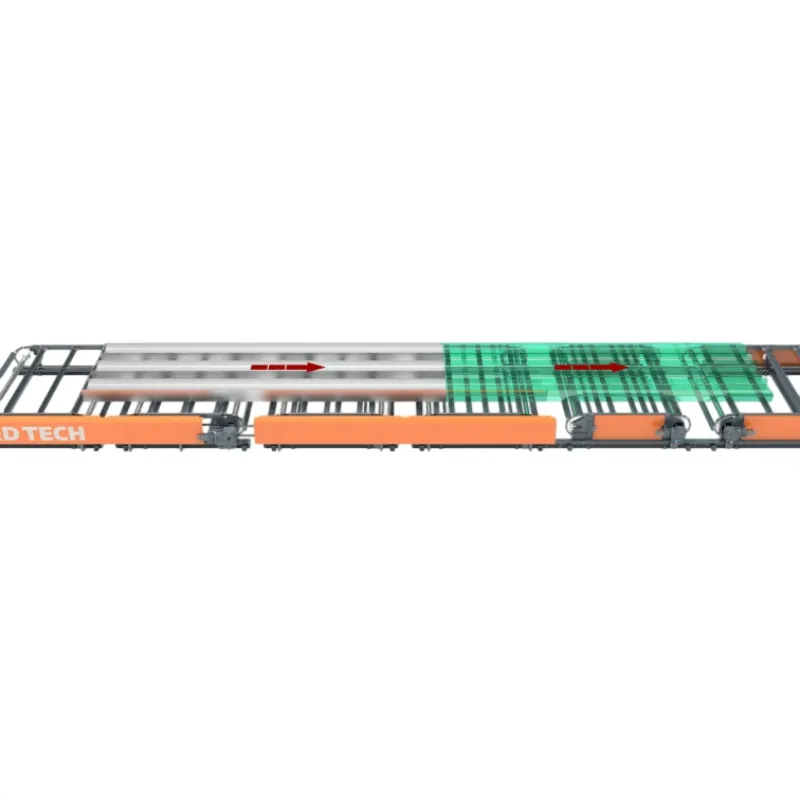
Precision coating for steel structures ensures long-term durability.
Vendor Comparison and Customized Solutions
Choosing the right vendor for an automatic spray painting system is a strategic decision that impacts long-term operational success. While many suppliers offer automated solutions, key differentiators lie in their engineering expertise, customization capabilities, and after-sales support. A thoughtful comparison is essential.
Vendor Comparison: Key Differentiators
| Feature/Criterion | Premium Provider (e.g., YEEEED) | Standard Provider |
|---|---|---|
| Robotic Integration | High-end 6-axis robots (ABB, FANUC, KUKA), advanced path planning, collision avoidance. | Basic 4-5 axis robots, simpler programming. |
| Paint Delivery System | Integrated automatic paint dispenser with closed-loop flow control, material recirculation, precise temperature regulation. | Standard pressure pots/pumps, manual flow adjustments. |
| Control System & Software | Advanced PLC/PC-based control with intuitive HMI, offline programming, data analytics, remote diagnostics. | Basic PLC, limited HMI functionality, on-site programming only. |
| Overspray & Filtration | Multi-stage dry/wet filtration with high capture efficiency, paint sludge recovery systems. | Basic dry filters, lower recovery rates. |
| Customization Level | Full-scale engineering for unique workpiece geometries, facility layouts, and specific coating requirements. | Modular systems with limited modification options. |
| Service & Support | Global presence, 24/7 technical support, comprehensive training, spare parts availability, predictive maintenance. | Regional support, standard business hours, limited spare parts stock. |
| Compliance & Certifications | Adherence to international safety, environmental, and quality standards (CE, ATEX, ISO, OSHA). | Basic local compliance. |
Customized Solutions: Tailored to Your Needs
A one-size-fits-all approach rarely suffices for complex industrial painting challenges. Leading vendors excel in offering highly customized solutions for an automatic paint spraying machine, ensuring optimal integration and performance within existing production lines.
- Workpiece Handling: Custom conveyor systems, rotating fixtures, or specialized manipulators for irregular shapes or heavy components.
- Multi-Stage Processes: Integration of pre-treatment (cleaning, phosphating), primer application, topcoat, and curing ovens into a seamless, fully automated painting process.
- Environmental Controls: Tailored ventilation, temperature, and humidity control systems to meet specific coating requirements and regional environmental regulations.
- Paint Material Versatility: Systems designed to handle a wide range of coatings, including solvent-based, water-based, two-component (2K), UV-cured, and powder coatings, with quick changeover capabilities.
- Space Optimization: Modular designs and innovative layouts to maximize throughput in limited factory footprints.
- Data Integration: Connectivity with ERP/MES systems for real-time production monitoring, quality control, and predictive maintenance.
By collaborating closely with clients, expert integrators ensure that the deployed automatic paint spraying system not only meets current demands but also offers scalability and adaptability for future production needs.
Application Case Studies: Realizing Tangible Benefits
The practical impact of an automatic paint spraying machine is best illustrated through real-world applications. These case studies highlight how businesses achieve significant operational improvements and a compelling return on investment by embracing automation in their finishing processes.
Case Study 1: Large-Scale Steel Fabrication Plant
- Client Profile: A major European manufacturer of structural steel for bridges and commercial buildings.
- Challenge: Manual painting of large, complex steel beams was slow, inconsistent, and resulted in significant paint waste (up to 40% overspray). High labor costs and fluctuating quality were impacting project deadlines and client satisfaction.
- Solution: Implementation of a custom-engineered automatic paint spraying machine featuring two 6-axis robots, an advanced conveyor system capable of handling up to 15m long beams, and an integrated paint recovery system. The system utilized an automatic paint dispenser for precise mixing of 2K epoxy coatings.
- Results:
- Production Increase: 250% higher throughput compared to the manual line.
- Material Savings: 35% reduction in paint consumption, leading to €500,000 annual savings.
- Quality Improvement: Achieved ±5µm coating thickness uniformity, significantly enhancing corrosion resistance and extending product warranty periods.
- Labor Reduction: Reassigned 8 painters to other roles, reducing operational overhead.
- ROI: Full return on investment realized within 18 months.
Case Study 2: Automotive Component Manufacturer
- Client Profile: A tier-1 supplier producing complex automotive chassis components requiring high-durability coatings.
- Challenge: Maintaining consistent coating quality and thickness on geometrically intricate parts, while meeting strict automotive finish standards and high production volumes. Manual touch-ups were frequent, causing bottlenecks.
- Solution: Installation of a compact automatic spray painting system with 4 articulated robots, specializing in electrostatic spray application for maximum transfer efficiency. The system included an automated part recognition system to adapt spray patterns for different component variants seamlessly.
- Results:
- Defect Rate Reduction: Less than 0.5% rework rate, down from 7%, significantly cutting scrap costs.
- Productivity Boost: Achieved target production rates of 120 parts per hour, a 60% increase.
- Cost Efficiency: 20% reduction in paint usage due to electrostatic transfer efficiency and precise robot programming.
- Consistency: Met all OEM specifications for film build and aesthetic finish consistently, improving brand reputation.
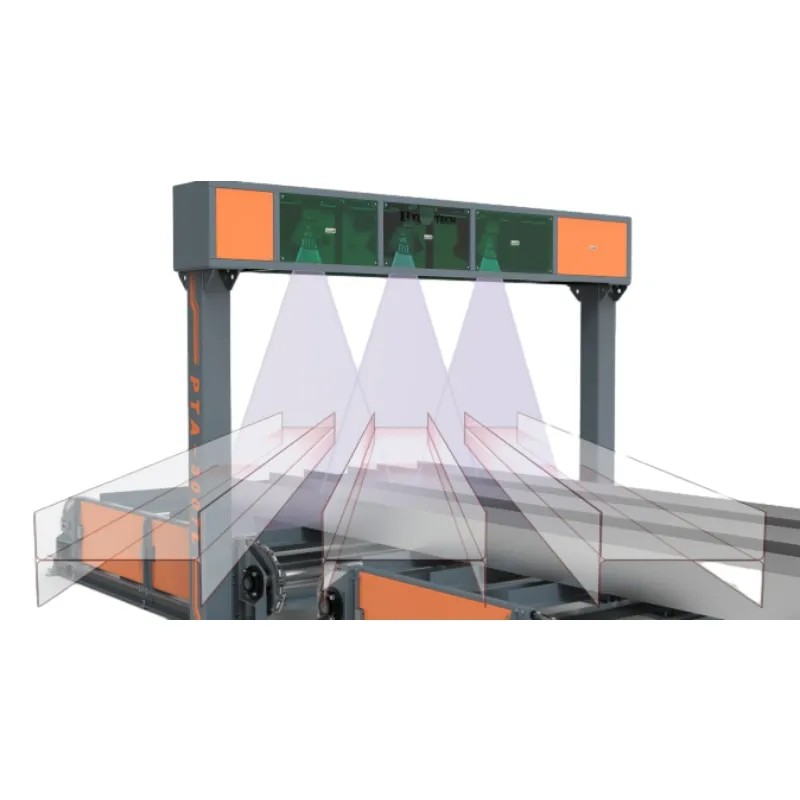
Automated systems deliver superior finish and efficiency.
Ensuring Trustworthiness and Comprehensive Support
In the B2B sector, trust is built on verifiable expertise, reliable experience, authoritative certifications, and transparent operations. A professional vendor of an automatic paint spraying machine must demonstrate a commitment to these principles.
Certifications and Authoritative References:
Our solutions are designed and manufactured in compliance with global standards, ensuring safety, quality, and environmental responsibility:
- ISO 9001:2015 Certified: Demonstrates a robust quality management system across design, manufacturing, installation, and service.
- CE Marking: All applicable equipment meets the health, safety, and environmental protection requirements of the European Union.
- OSHA Compliance: Systems are designed with features to meet Occupational Safety and Health Administration standards, particularly concerning hazardous materials and machinery guarding.
- Partner Clients: We proudly serve leading manufacturers in automotive, aerospace, and heavy industry sectors globally, reflecting our proven track record and reliability.
- Years of Service: Over two decades of specialization in automated finishing solutions, providing unparalleled industry experience.
Lead Time, Warranty, and After-Sales Support:
- Lead Time & Fulfillment: Typical lead times for standard configurations range from 12-16 weeks. Custom-engineered solutions may require 20-24 weeks, depending on complexity. We maintain transparent communication throughout the project lifecycle, from design to installation.
- Warranty Commitments: All our automatic paint spraying machine systems come with a standard 12-month warranty on parts and labor, extendable upon request. Detailed warranty terms are provided with each proposal.
- Customer Support & Training:
- 24/7 Technical Hotline: For immediate assistance and troubleshooting.
- On-site Installation & Commissioning: Performed by certified engineers.
- Comprehensive Training Programs: For operators, maintenance staff, and programmers, ensuring full competency in system operation and upkeep.
- Preventative Maintenance Contracts: Tailored service plans to maximize uptime and extend equipment lifespan.
- Global Spare Parts Network: Ensuring rapid availability of critical components to minimize downtime.
Frequently Asked Questions (FAQ):
A: Our systems are versatile and can handle a wide range of industrial coatings, including solvent-based, water-based, 1K and 2K (two-component) paints, epoxies, polyurethanes, and some powder coatings. Specific configurations may be required for optimal performance with certain materials.
A: Automated systems significantly reduce paint consumption through precise application, optimized spray patterns, and high transfer efficiency technologies like HVLP or electrostatic spraying. Savings of 20-40% are commonly observed compared to manual methods, along with less waste generation.
A: Return on investment varies depending on the scale of the system, labor costs, paint material costs, and current production volumes. However, clients often see an ROI within 12-36 months due to reductions in labor, material waste, rework, and increased throughput.
A: Yes, our engineering team specializes in seamless integration. We conduct detailed site assessments and collaborate closely with your production and IT teams to ensure the automated painting process integrates smoothly with upstream and downstream operations, including existing conveyor systems, MES, and ERP platforms.
Conclusion
The strategic adoption of an automatic paint spraying machine represents a significant leap forward for industrial manufacturers seeking to optimize their finishing operations. These advanced systems deliver unparalleled precision, consistency, and efficiency, translating directly into superior product quality, reduced operational costs, and enhanced worker safety. By leveraging cutting-edge robotics, intelligent control systems, and comprehensive support, businesses can achieve a competitive edge in an increasingly demanding global market.
Investing in an automated painting solution is not merely an equipment purchase; it's an investment in the future of manufacturing – a commitment to innovation, sustainability, and sustained growth. As industries continue to evolve, the demand for highly efficient, adaptable, and reliable automated finishing solutions will only continue to rise.
References
- International Organization for Standardization (ISO). (2015). ISO 9001:2015 - Quality management systems — Requirements. Retrieved from www.iso.org
- Occupational Safety and Health Administration (OSHA). (2023). Safety and Health Regulations for General Industry. Retrieved from www.osha.gov
- European Commission. (2023). CE Marking. Retrieved from ec.europa.eu
- Modern Paint and Coatings Magazine. (2022). "Advances in Robotic Painting Systems for Industrial Applications." Vol. 35, No. 4, pp. 45-52.
- Journal of Manufacturing Systems. (2021). "Economic and Environmental Benefits of Automated Paint Application in Automotive Manufacturing." Vol. 58, pp. 120-131.
Latest News
-
Efficient automated hot air drying equipment for steel structure application
NewsApr.16,2026 -
Efficient hot air drying system for steel structure spraying line
NewsApr.09,2026 -
Optimizing Steel Structure Spraying with Hot Air Drying Technology Solutions
NewsApr.07,2026 -
HighEfficiency Hot Air Drying Painting Equipment for Superior Industrial Coatings
NewsApr.04,2026 -
Optimizing Industrial Processes with Hot Air Furnace Heating Spraying Systems
NewsMar.31,2026 -
Comprehensive Tailormade Steel Structure Spraying Solution for Enhanced Durability
NewsMar.28,2026 -
Optimizing Steel Structure Protection through Customization and Integration of Spraying System
NewsMar.26,2026
Automatic Paint Spraying Machine: Precision, Speed & Efficiency
Elevating Industrial Finishing: The Rise of Automated Painting
The industrial landscape is constantly evolving, driven by demands for greater efficiency, precision, and safety. In the realm of surface finishing, the shift from manual to automated processes has been transformative. Enterprises across various sectors are increasingly adopting sophisticated solutions to achieve superior coating quality, reduce material waste, and enhance operational throughput. This evolution is particularly evident in the deployment of advanced automatic paint spraying machine systems.
Modern industrial painting is no longer merely about applying a protective or aesthetic layer; it's a critical step that defines product durability, market appeal, and compliance with stringent industry standards. From aerospace components to heavy machinery, the consistency and uniformity delivered by an automatic paint spraying machine ensure peak performance and extended service life. This article delves into the intricacies of these systems, exploring their manufacturing, technical capabilities, diverse applications, and the significant advantages they offer.
Industry Trends Driving Automation in Painting
- Increased Demand for Consistency: Manual painting is inherently prone to variability. Automated systems virtually eliminate human error, ensuring uniform film thickness and finish quality across every product.
- Environmental Regulations: Stricter VOC (Volatile Organic Compound) emission standards are pushing manufacturers towards more efficient paint application methods, reducing overspray and promoting the use of eco-friendly coatings. An automatic paint dispenser integrated into a system can precisely manage material usage.
- Worker Safety: Removing operators from hazardous spray booth environments significantly improves workplace safety and reduces exposure to harmful fumes.
- Cost Reduction: While the initial investment can be substantial, long-term savings from reduced material consumption, lower labor costs, and decreased rework make automation a compelling choice.
- Integration with Industry 4.0: Modern painting lines are often integrated with IoT devices, allowing for real-time monitoring, data analytics, and predictive maintenance, contributing to a truly automated painting process.
Modern industrial paint spraying line for optimal efficiency.
Detailed Manufacturing Process Flow of an Automatic Paint Spraying Machine
The construction of a robust and reliable automatic paint spraying machine involves a multi-stage manufacturing process, emphasizing precision engineering and adherence to strict quality control. From raw material sourcing to final assembly and testing, every step is critical to ensure the system's long-term performance and durability in demanding industrial environments.
Key Stages in Manufacturing:
-
Design and Engineering:
Utilizing CAD/CAM software, engineers design the system architecture, robotic arm movements, paint delivery systems, and control logic. Material selection is paramount, often involving high-grade stainless steel (e.g., SUS304, SUS316) for fluid paths to ensure corrosion resistance, and robust alloys for structural components.
-
Component Fabrication:
- Casting/Forging: Complex parts like pump housings or specialized nozzles may be precision cast or forged from wear-resistant alloys.
- CNC Machining: Critical components such as robot joints, spray gun parts, and intricate manifold blocks are manufactured using advanced CNC machining centers, achieving tolerances as low as ±0.01 mm for optimal performance and seal integrity.
- Sheet Metal Fabrication: Enclosures, booths, and structural frames are precisely cut, bent, and welded from industrial-grade steel or aluminum sheets.
- Electrical and Control Panel Assembly: Wiring harnesses, PLCs (Programmable Logic Controllers), HMIs (Human-Machine Interfaces), and drive systems are assembled and tested according to electrical safety standards (e.g., IEC 60204).
-
Surface Treatment:
Components receive various surface treatments, including powder coating, galvanization, or anodizing, to enhance corrosion resistance and durability, especially for parts exposed to harsh environments or chemicals. For internal fluid paths, electropolishing is often used to ensure smooth surfaces and prevent paint residue buildup.
-
Assembly:
Skilled technicians assemble the mechanical, electrical, and pneumatic subsystems. This includes integrating robotic arms, paint delivery systems (pumps, hoses, fluid regulators), spray guns, and ventilation systems. Specialized tools are used to ensure correct torque and alignment.
-
Testing and Quality Assurance:
Every automatic spray painting system undergoes rigorous testing:
- Functional Testing: Verifying the movement range of robotic arms, pump performance, and spray pattern consistency.
- Leak Testing: Pressure testing all fluid lines and connections.
- Software and Control System Validation: Ensuring PLC and HMI operate correctly, and safety interlocks function as designed.
- Performance Testing: Simulating real-world painting scenarios with various coatings and substrates to validate efficiency and quality.
- Standards Compliance: Adherence to international standards like ISO 9001 (Quality Management), ISO 14001 (Environmental Management), CE Marking (European conformity), and ANSI (American National Standards Institute) for safety and operational guidelines.
-
Packaging and Shipment:
Machines are carefully prepared for transport, often crated in custom-built wooden container111s, with protective measures against moisture and impact.
The typical service life of a well-maintained industrial automatic painting machine can exceed 15-20 years, a testament to the quality of materials and manufacturing processes. Target industries include petrochemical, metallurgy, automotive, aerospace, heavy equipment manufacturing, and water supply & drainage, where surface protection is paramount.
Robotic precision for consistent coating application.
Technical Specifications and Parameters of a Leading Automatic Paint Spraying Machine
Understanding the technical specifications of an automatic paint spraying machine is crucial for evaluating its suitability for specific industrial applications. Key parameters define its performance, capacity, and operational efficiency. Below is a representative table outlining typical specifications for a high-performance steel structure automatic painting line.
Product Specification Table: Steel Structure Automatic Painting Line
| Parameter | Specification |
|---|---|
| Max. Workpiece Dimensions (L×W×H) | 15,000mm × 2,500mm × 1,800mm (Customizable) |
| Conveyor Speed Range | 0.5 - 5.0 m/min (Variable Speed Drive) |
| Spray Gun Type | High-Volume Low-Pressure (HVLP), Airless, or Electrostatic (Configurable) |
| Number of Robotic Axes | 6-axis Industrial Robots (2-4 units typical) |
| Paint Delivery System | Reciprocating Pumps with Flow Control (Gear pumps, Diaphragm pumps) |
| Coating Thickness Uniformity | ± 5 micrometers (depending on paint type and surface geometry) |
| Paint Recovery Efficiency | Up to 95% (with advanced filtration and recycling systems) |
| Control System | Siemens/Allen-Bradley PLC with HMI Touchscreen |
| Power Requirements | 3-Phase AC 380V/415V, 50Hz, 50-150 kW (System Dependent) |
| Compressed Air Requirements | 0.6 - 0.8 MPa, 5-10 m³/min (Dry, Oil-Free) |
| Operating Temperature Range | 5°C to 45°C |
| Certifications | CE, ISO 9001, RoHS Compliant Components |
These specifications highlight the capabilities of a modern automated painting process, designed for high throughput and consistent quality, crucial for maintaining competitive advantages in today's manufacturing environment.
Application Scenarios and Technical Advantages
The versatility of an automatic paint spraying machine allows its application across a broad spectrum of industries, each benefiting from its inherent precision and efficiency. The technical advantages translate directly into significant operational improvements and cost savings for businesses.
Diverse Application Scenarios:
- Steel Structure Manufacturing: For large-scale steel beams, columns, and trusses used in construction, bridges, and industrial plants. Ensures uniform corrosion protection and aesthetic finish.
- Automotive Industry: Painting car bodies, chassis, and various components with high-gloss finishes and durable protective layers, meeting stringent OEM standards.
- Aerospace Sector: Precision coating of aircraft parts for corrosion resistance, aerodynamic smoothness, and specialized finishes.
- Heavy Machinery & Equipment: Applying robust, weather-resistant coatings to excavators, agricultural machinery, and industrial robots.
- Petrochemical & Marine: Specialized anti-corrosion and chemical-resistant coatings for pipes, tanks, and offshore platforms. These environments demand exceptional durability and adherence.
- Furniture and Woodworking: Achieving consistent, high-quality finishes on panels, doors, and complex furniture pieces.
- Consumer Electronics: Applying protective and decorative coatings to device casings with intricate geometries.
Key Technical Advantages:
- Precision and Uniformity: Robotic control ensures exact paint application, eliminating drips, runs, and inconsistencies. This leads to superior finish quality and reduced rework rates.
- Material Efficiency: Advanced atomization techniques (HVLP, electrostatic) and precise robot programming significantly reduce overspray, leading to paint savings of 20-40% compared to manual methods. This also translates to less waste disposal.
- Energy Saving: Optimized booth ventilation, efficient drying processes, and reduced material consumption contribute to lower energy footprints. For instance, less overspray means smaller air filtration systems and reduced energy for air heating/cooling.
- Enhanced Corrosion Resistance: Uniform coating thickness, particularly in critical areas like edges and welds, provides superior barrier protection against environmental factors, significantly extending the lifespan of coated components. This is crucial for products exposed to harsh elements, such as those in marine or petrochemical industries.
- Increased Throughput and Speed: Automated systems operate continuously and at higher speeds than human operators, dramatically increasing production capacity. A typical automated line can process complex parts 2-3 times faster.
- Improved Safety and Environmental Compliance: Removing human operators from hazardous spray environments mitigates health risks. Reduced VOC emissions and controlled waste management enhance environmental responsibility.
- Flexibility and Adaptability: Programmable robots can quickly switch between different product types and paint recipes, making them ideal for high-mix, low-volume production scenarios.
Precision coating for steel structures ensures long-term durability.
Vendor Comparison and Customized Solutions
Choosing the right vendor for an automatic spray painting system is a strategic decision that impacts long-term operational success. While many suppliers offer automated solutions, key differentiators lie in their engineering expertise, customization capabilities, and after-sales support. A thoughtful comparison is essential.
Vendor Comparison: Key Differentiators
| Feature/Criterion | Premium Provider (e.g., YEEEED) | Standard Provider |
|---|---|---|
| Robotic Integration | High-end 6-axis robots (ABB, FANUC, KUKA), advanced path planning, collision avoidance. | Basic 4-5 axis robots, simpler programming. |
| Paint Delivery System | Integrated automatic paint dispenser with closed-loop flow control, material recirculation, precise temperature regulation. | Standard pressure pots/pumps, manual flow adjustments. |
| Control System & Software | Advanced PLC/PC-based control with intuitive HMI, offline programming, data analytics, remote diagnostics. | Basic PLC, limited HMI functionality, on-site programming only. |
| Overspray & Filtration | Multi-stage dry/wet filtration with high capture efficiency, paint sludge recovery systems. | Basic dry filters, lower recovery rates. |
| Customization Level | Full-scale engineering for unique workpiece geometries, facility layouts, and specific coating requirements. | Modular systems with limited modification options. |
| Service & Support | Global presence, 24/7 technical support, comprehensive training, spare parts availability, predictive maintenance. | Regional support, standard business hours, limited spare parts stock. |
| Compliance & Certifications | Adherence to international safety, environmental, and quality standards (CE, ATEX, ISO, OSHA). | Basic local compliance. |
Customized Solutions: Tailored to Your Needs
A one-size-fits-all approach rarely suffices for complex industrial painting challenges. Leading vendors excel in offering highly customized solutions for an automatic paint spraying machine, ensuring optimal integration and performance within existing production lines.
- Workpiece Handling: Custom conveyor systems, rotating fixtures, or specialized manipulators for irregular shapes or heavy components.
- Multi-Stage Processes: Integration of pre-treatment (cleaning, phosphating), primer application, topcoat, and curing ovens into a seamless, fully automated painting process.
- Environmental Controls: Tailored ventilation, temperature, and humidity control systems to meet specific coating requirements and regional environmental regulations.
- Paint Material Versatility: Systems designed to handle a wide range of coatings, including solvent-based, water-based, two-component (2K), UV-cured, and powder coatings, with quick changeover capabilities.
- Space Optimization: Modular designs and innovative layouts to maximize throughput in limited factory footprints.
- Data Integration: Connectivity with ERP/MES systems for real-time production monitoring, quality control, and predictive maintenance.
By collaborating closely with clients, expert integrators ensure that the deployed automatic paint spraying system not only meets current demands but also offers scalability and adaptability for future production needs.
Application Case Studies: Realizing Tangible Benefits
The practical impact of an automatic paint spraying machine is best illustrated through real-world applications. These case studies highlight how businesses achieve significant operational improvements and a compelling return on investment by embracing automation in their finishing processes.
Case Study 1: Large-Scale Steel Fabrication Plant
- Client Profile: A major European manufacturer of structural steel for bridges and commercial buildings.
- Challenge: Manual painting of large, complex steel beams was slow, inconsistent, and resulted in significant paint waste (up to 40% overspray). High labor costs and fluctuating quality were impacting project deadlines and client satisfaction.
- Solution: Implementation of a custom-engineered automatic paint spraying machine featuring two 6-axis robots, an advanced conveyor system capable of handling up to 15m long beams, and an integrated paint recovery system. The system utilized an automatic paint dispenser for precise mixing of 2K epoxy coatings.
- Results:
- Production Increase: 250% higher throughput compared to the manual line.
- Material Savings: 35% reduction in paint consumption, leading to €500,000 annual savings.
- Quality Improvement: Achieved ±5µm coating thickness uniformity, significantly enhancing corrosion resistance and extending product warranty periods.
- Labor Reduction: Reassigned 8 painters to other roles, reducing operational overhead.
- ROI: Full return on investment realized within 18 months.
Case Study 2: Automotive Component Manufacturer
- Client Profile: A tier-1 supplier producing complex automotive chassis components requiring high-durability coatings.
- Challenge: Maintaining consistent coating quality and thickness on geometrically intricate parts, while meeting strict automotive finish standards and high production volumes. Manual touch-ups were frequent, causing bottlenecks.
- Solution: Installation of a compact automatic spray painting system with 4 articulated robots, specializing in electrostatic spray application for maximum transfer efficiency. The system included an automated part recognition system to adapt spray patterns for different component variants seamlessly.
- Results:
- Defect Rate Reduction: Less than 0.5% rework rate, down from 7%, significantly cutting scrap costs.
- Productivity Boost: Achieved target production rates of 120 parts per hour, a 60% increase.
- Cost Efficiency: 20% reduction in paint usage due to electrostatic transfer efficiency and precise robot programming.
- Consistency: Met all OEM specifications for film build and aesthetic finish consistently, improving brand reputation.
Automated systems deliver superior finish and efficiency.
Ensuring Trustworthiness and Comprehensive Support
In the B2B sector, trust is built on verifiable expertise, reliable experience, authoritative certifications, and transparent operations. A professional vendor of an automatic paint spraying machine must demonstrate a commitment to these principles.
Certifications and Authoritative References:
Our solutions are designed and manufactured in compliance with global standards, ensuring safety, quality, and environmental responsibility:
- ISO 9001:2015 Certified: Demonstrates a robust quality management system across design, manufacturing, installation, and service.
- CE Marking: All applicable equipment meets the health, safety, and environmental protection requirements of the European Union.
- OSHA Compliance: Systems are designed with features to meet Occupational Safety and Health Administration standards, particularly concerning hazardous materials and machinery guarding.
- Partner Clients: We proudly serve leading manufacturers in automotive, aerospace, and heavy industry sectors globally, reflecting our proven track record and reliability.
- Years of Service: Over two decades of specialization in automated finishing solutions, providing unparalleled industry experience.
Lead Time, Warranty, and After-Sales Support:
- Lead Time & Fulfillment: Typical lead times for standard configurations range from 12-16 weeks. Custom-engineered solutions may require 20-24 weeks, depending on complexity. We maintain transparent communication throughout the project lifecycle, from design to installation.
- Warranty Commitments: All our automatic paint spraying machine systems come with a standard 12-month warranty on parts and labor, extendable upon request. Detailed warranty terms are provided with each proposal.
- Customer Support & Training:
- 24/7 Technical Hotline: For immediate assistance and troubleshooting.
- On-site Installation & Commissioning: Performed by certified engineers.
- Comprehensive Training Programs: For operators, maintenance staff, and programmers, ensuring full competency in system operation and upkeep.
- Preventative Maintenance Contracts: Tailored service plans to maximize uptime and extend equipment lifespan.
- Global Spare Parts Network: Ensuring rapid availability of critical components to minimize downtime.
Frequently Asked Questions (FAQ):
A: Our systems are versatile and can handle a wide range of industrial coatings, including solvent-based, water-based, 1K and 2K (two-component) paints, epoxies, polyurethanes, and some powder coatings. Specific configurations may be required for optimal performance with certain materials.
A: Automated systems significantly reduce paint consumption through precise application, optimized spray patterns, and high transfer efficiency technologies like HVLP or electrostatic spraying. Savings of 20-40% are commonly observed compared to manual methods, along with less waste generation.
A: Return on investment varies depending on the scale of the system, labor costs, paint material costs, and current production volumes. However, clients often see an ROI within 12-36 months due to reductions in labor, material waste, rework, and increased throughput.
A: Yes, our engineering team specializes in seamless integration. We conduct detailed site assessments and collaborate closely with your production and IT teams to ensure the automated painting process integrates smoothly with upstream and downstream operations, including existing conveyor systems, MES, and ERP platforms.
Conclusion
The strategic adoption of an automatic paint spraying machine represents a significant leap forward for industrial manufacturers seeking to optimize their finishing operations. These advanced systems deliver unparalleled precision, consistency, and efficiency, translating directly into superior product quality, reduced operational costs, and enhanced worker safety. By leveraging cutting-edge robotics, intelligent control systems, and comprehensive support, businesses can achieve a competitive edge in an increasingly demanding global market.
Investing in an automated painting solution is not merely an equipment purchase; it's an investment in the future of manufacturing – a commitment to innovation, sustainability, and sustained growth. As industries continue to evolve, the demand for highly efficient, adaptable, and reliable automated finishing solutions will only continue to rise.
References
- International Organization for Standardization (ISO). (2015). ISO 9001:2015 - Quality management systems — Requirements. Retrieved from www.iso.org
- Occupational Safety and Health Administration (OSHA). (2023). Safety and Health Regulations for General Industry. Retrieved from www.osha.gov
- European Commission. (2023). CE Marking. Retrieved from ec.europa.eu
- Modern Paint and Coatings Magazine. (2022). "Advances in Robotic Painting Systems for Industrial Applications." Vol. 35, No. 4, pp. 45-52.
- Journal of Manufacturing Systems. (2021). "Economic and Environmental Benefits of Automated Paint Application in Automotive Manufacturing." Vol. 58, pp. 120-131.
Latest News
-
Efficient automated hot air drying equipment for steel structure application
NewsApr.16,2026 -
Efficient hot air drying system for steel structure spraying line
NewsApr.09,2026 -
Optimizing Steel Structure Spraying with Hot Air Drying Technology Solutions
NewsApr.07,2026 -
HighEfficiency Hot Air Drying Painting Equipment for Superior Industrial Coatings
NewsApr.04,2026 -
Optimizing Industrial Processes with Hot Air Furnace Heating Spraying Systems
NewsMar.31,2026 -
Comprehensive Tailormade Steel Structure Spraying Solution for Enhanced Durability
NewsMar.28,2026 -
Optimizing Steel Structure Protection through Customization and Integration of Spraying System
NewsMar.26,2026


