


Automatic Paint Spraying Machine | Precision & Efficiency
The Evolution of Precision: Industry Trends in Automated Painting
The global manufacturing landscape is undergoing a significant transformation, driven by demands for higher efficiency, superior finish quality, and reduced environmental impact. Within this shift, the deployment of the automatic paint spraying machine is emerging as a critical component. Industry trends indicate a robust move towards full automation, integrating advanced robotics, artificial intelligence, and sophisticated sensor technologies to optimize painting processes across various sectors.
Key trends include the rise of intelligent systems that can adapt to varying component geometries, minimizing material waste and maximizing transfer efficiency. The push for sustainability is also paramount, leading to innovations in paint formulations (e.g., water-borne, high-solids, UV-curable coatings) and a reduction in volatile organic compound (VOC) emissions through precise application by an automatic paint spraying machine. Furthermore, the integration with Industry 4.0 paradigms, such as real-time data analytics and predictive maintenance, ensures optimal uptime and operational transparency.
The market is also seeing increased demand for customized solutions, where an automatic paint dispenser can be configured for specific production lines, accommodating diverse material handling requirements, object sizes, and coating types. This customization extends to software interfaces that allow for intuitive programming and remote monitoring, enhancing operational flexibility and reducing the need for constant human intervention. As labor costs rise and the demand for consistency intensifies, the adoption of an automatic spray painting system is no longer just an advantage but a necessity for competitive manufacturing.
Technical Specifications and Performance Metrics
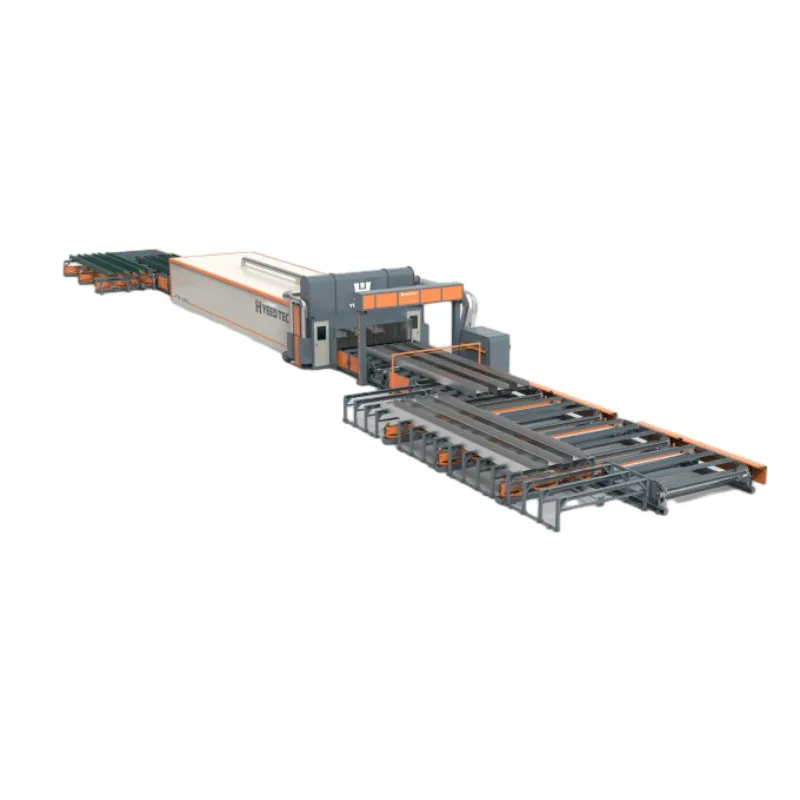
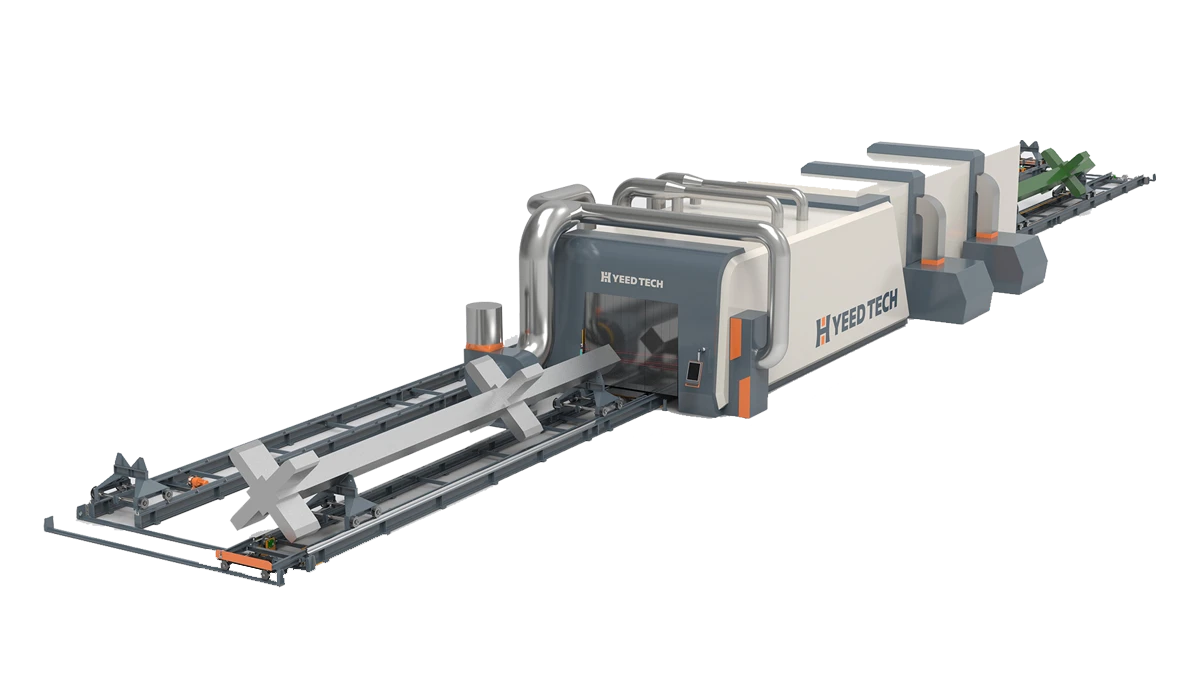
A high-performance automatic paint spraying machine is characterized by a suite of technical parameters that define its capabilities and efficiency. These systems typically comprise robotic manipulators, precision spray guns, paint supply systems, and advanced control units. Understanding these specifications is crucial for industrial buyers to ensure the system meets their production demands and quality standards.
Key Specifications of a Steel Structure Automatic Painting Line
| Parameter | Typical Specification | Description / Benefit |
|---|---|---|
| Workpiece Dimensions (L×W×H) | Up to 25m × 3m × 2.5m | Accommodates large-scale steel components, ensuring versatility for various projects. |
| Paint Type Compatibility | Epoxy, Polyurethane, Alkyd, Zinc-rich primers, etc. | Versatility for diverse protective and decorative coatings. |
| Spray Gun Type | Airless, Air-assisted Airless, Electrostatic | Optimized for high transfer efficiency and superior finish, minimizing overspray. |
| Coating Thickness Control | ± 5 microns (typical) | Ensures uniform application and adherence to strict quality standards. |
| Robotic Axes | 6-axis or 7-axis robotic arms | Enables complex path planning and coverage of intricate geometries. |
| Transfer Efficiency | > 70% (Electrostatic) | Minimizes paint waste, reducing material costs and environmental impact. |
| Operating Temperature Range | 5°C to 45°C | Suitable for various industrial environments. |
| Control System | PLC with HMI, Robotic Control System | Intuitive programming, real-time monitoring, and diagnostic capabilities. |
These specifications underscore the precision and robustness required for industrial applications. Advanced control algorithms allow for dynamic adjustment of spray parameters, ensuring optimal coverage and film thickness even on complex or irregularly shaped components. The selection of materials for critical components, such as high-grade stainless steel for paint circulation systems, ensures corrosion resistance and a long service life, typically exceeding 15 years with proper maintenance.
Application Scenarios and Industry Impact
The versatility of an automatic paint spraying machine makes it indispensable across a multitude of heavy industries where protective and aesthetic coatings are vital. These systems provide consistent, high-quality finishes that meet stringent industry standards, often surpassing what can be achieved with manual application.
Key Application Industries:
- Petrochemical Industry: Application of specialized anti-corrosion and chemical-resistant coatings on pipelines, storage tanks, and structural components to withstand harsh operating environments. An automated painting process ensures maximum protective layer integrity.
- Metallurgy & Heavy Engineering: Coating of large steel structures, beams, frames, and machinery parts for protection against rust, abrasion, and environmental degradation. The sheer scale often necessitates an automated approach.
- Water Supply & Drainage Infrastructure: Internal and external coating of pipes, valves, and treatment plant components to prevent corrosion and ensure water quality compliance. Precision provided by an automatic paint spraying machine is crucial here.
- Wind Energy & Power Generation: Application of durable coatings to wind turbine components, transmission towers, and other critical infrastructure exposed to extreme weather conditions.
- Rail & Automotive: Coating chassis, frames, and larger components for corrosion protection and aesthetic finish, meeting strict industry standards for durability and appearance.
In typical application scenarios, such as coating large steel beams for a bridge project, an automated system can achieve a uniform coating thickness of 200 microns across a 20-meter beam in a fraction of the time compared to manual methods. This not only significantly reduces labor costs but also enhances the longevity of the structure by providing superior corrosion resistance. For example, a petrochemical client reported a 30% increase in coating lifespan and a 25% reduction in paint consumption after implementing our automated painting solution.
Technical Advantages and ROI
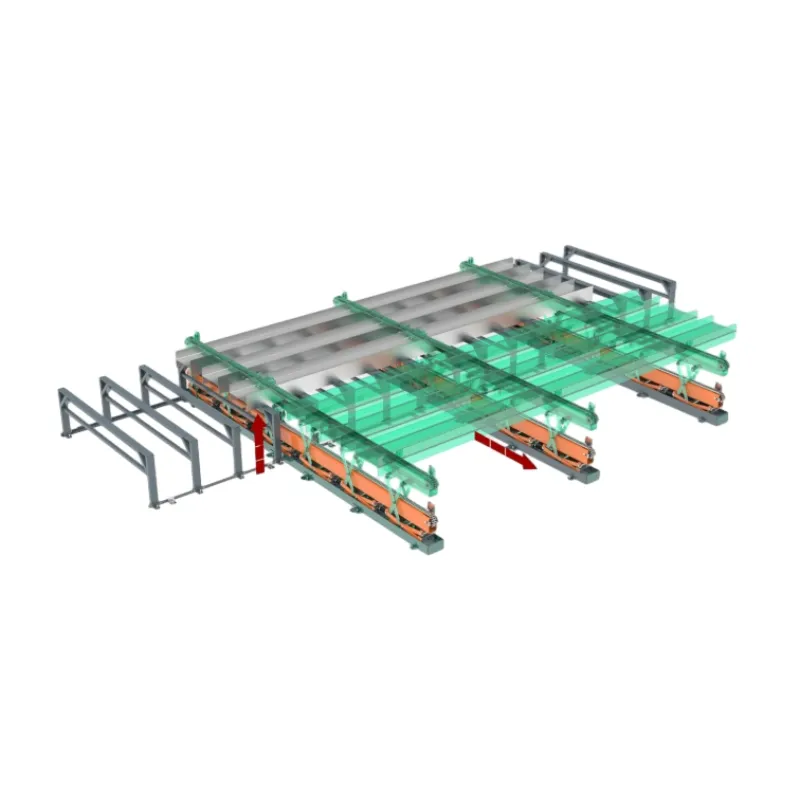
The strategic implementation of an automatic paint spraying machine yields profound technical and economic advantages for industrial operations. These benefits extend beyond simple automation, impacting product quality, operational costs, and environmental compliance.
Core Advantages:
- Enhanced Quality and Consistency: Robotic precision ensures uniform coating thickness, consistent finish quality, and minimal defects, which are paramount for meeting ISO 12944 (Corrosion Protection of Steel Structures by Protective Paint Systems) or similar standards.
- Significant Cost Reduction: An automatic paint dispenser optimizes paint usage through high transfer efficiency, reducing material consumption by 20-40% compared to manual methods. Furthermore, labor costs are drastically cut, and rework rates are minimized.
- Increased Production Throughput: Automated systems operate continuously with higher speed and efficiency, leading to faster cycle times and increased output, enabling manufacturers to meet tighter deadlines and higher demand.
- Improved Safety and Environmental Compliance: Removing human operators from hazardous painting environments reduces exposure to paint fumes and solvents. Reduced overspray and optimized material usage contribute to lower VOC emissions, aligning with environmental regulations.
- Flexibility and Adaptability: Modern systems can be quickly reprogrammed for different workpiece geometries and paint types, offering superior operational flexibility compared to fixed manual setups.
- Long-term Durability: The robust construction, often utilizing CNC machined components and high-grade alloys, ensures a service life of over 15 years, offering a compelling return on investment.
Investment in an automated painting process typically sees an ROI within 2-3 years, driven by savings in paint material, labor, and reduced scrap/rework. For instance, an analysis for a client fabricating heavy machinery showed that by reducing paint consumption by 35% and labor by 70%, their new automatic spray painting system paid for itself in 2.5 years, while simultaneously improving product aesthetics and durability.
Process Flow: Manufacturing an Automatic Paint Spraying Machine
The manufacturing of a high-quality automatic paint spraying machine is a multi-stage process, meticulously engineered to ensure precision, durability, and optimal performance. Our commitment to excellence is reflected in every step, from material selection to final assembly and rigorous testing.
Detailed Manufacturing Process:
- Design and Engineering: Initial conceptualization and detailed CAD/CAM design. This phase involves material selection, such as high-strength steel alloys for structural components and corrosion-resistant stainless steel for paint circulation parts. Finite Element Analysis (FEA) is performed to optimize structural integrity and performance under operational loads.
- Material Sourcing and Preparation: Procurement of certified raw materials. Steel plates and profiles undergo precise cutting (laser or plasma), bending, and forming processes to create the framework and enclosures. Key mechanical components, like gears and shafts, are often forged for superior strength.
- Precision Machining: Critical components, including robotic arm joints, nozzle bodies, and pump housings, are manufactured using advanced CNC machining centers. This ensures extremely tight tolerances, crucial for the precision and longevity of the automatic paint dispenser.
- Assembly of Sub-systems: Robotic arms, paint delivery systems (pumps, hoses, agitators), ventilation systems, and electrical control panels are assembled in dedicated workstations. Each sub-assembly undergoes initial functional testing.
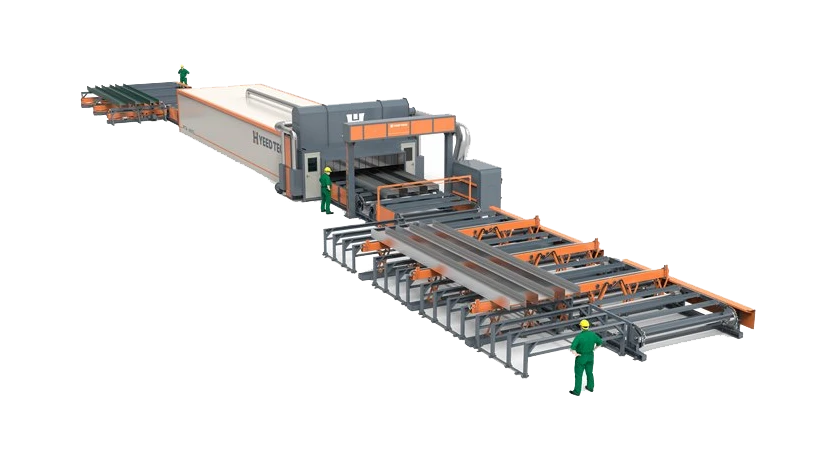
- Integrated System Assembly: All sub-systems are integrated into the main framework. This includes mounting robotic manipulators, installing conveyor systems, spray booths, and curing ovens (if part of the line). Wiring, piping, and software integration are meticulously carried out.
- Calibration and Programming: Robotic paths are programmed and calibrated for precise movement and spray patterns. The automated painting process control software is configured and fine-tuned for optimal performance parameters specific to the customer's needs.
-
Quality Assurance and Testing: Each complete automatic spray painting system undergoes rigorous quality control and performance testing. This includes:
- Functional Testing: Verifying all mechanical, electrical, and software components operate as designed.
- Performance Testing: Simulating real-world painting scenarios with sample workpieces to evaluate transfer efficiency, coating uniformity, and cycle times against design specifications and client requirements.
- Safety Compliance: Adherence to international safety standards such as CE, OSHA, and local regulations.
- Durability Testing: Stress tests on critical components to ensure a projected service life of 15+ years under typical operating conditions.
- Packaging and Shipment: Once all tests are passed, the system is prepared for shipment, ensuring secure packaging for transit to the client site.
This detailed process ensures that every automatic paint spraying machine delivered is of the highest quality, ready to integrate seamlessly into industrial operations and provide reliable, long-term performance for target industries like petrochemicals, metallurgy, and water supply & drainage.
Vendor Comparison: Choosing the Right Automatic Paint Spraying System
Selecting the optimal automatic paint spraying machine requires a careful evaluation of various vendors based on their technical capabilities, industry experience, support infrastructure, and customization options. While many providers offer automated solutions, differentiation lies in precision, reliability, and long-term value.
Comparative Analysis of Automated Painting Systems:
| Feature | Leading Provider (e.g., Yeeeed) | Competitor A (Generalist) | Competitor B (Niche) |
|---|---|---|---|
| Industry Specialization | Heavy Steel Structures, Petrochemical, Marine | General Manufacturing, Automotive | Consumer Goods, Plastics |
| Robotic Technology | Proprietary 6-axis articulated robots, AI-powered path planning | Standard industrial robots (off-the-shelf) | Smaller 4-axis robots, limited reach |
| Paint Transfer Efficiency | Up to 90% (with electrostatic) | 60-75% | 50-65% |
| Customization Capability | Full line customization, modular design, bespoke software integration | Limited configuration options | Standardized models only |
| After-Sales Support | Global network, 24/7 remote monitoring, dedicated project managers | Regional support, business hours only | Limited, often third-party |
| Certifications & Standards | ISO 9001, CE, ATEX, specific industry compliance | Basic CE compliance | No specific industry certifications |
Our systems, designed specifically for heavy industrial applications like steel structures, offer unparalleled precision and durability. Our deep industry expertise, reflected in partnerships with global leaders in energy and infrastructure, ensures solutions that are not just technically superior but also robust against the most demanding operational conditions. Unlike generalist vendors, our focus allows for specialized innovations, such as advanced corrosion protection systems and large-format component handling, which are critical for our target markets. Our long-standing service, exceeding two decades, and compliance with authoritative references like ISO and EN standards, underpin our commitment to reliability and customer success.
Customized Solutions and Application Case Studies
Recognizing that no two industrial operations are identical, we specialize in providing bespoke automatic paint spraying machine solutions. Our engineering team works closely with clients to design systems that integrate seamlessly into existing production lines, optimizing for specific workpiece characteristics, throughput requirements, and environmental considerations.
Customization Capabilities:
- Dimension Adaptability: Systems tailored to handle objects ranging from small components to multi-ton, multi-meter steel structures.
- Paint System Integration: Compatibility with various paint types and supply systems (e.g., plural component systems, heated paints), and full integration with client-specific paint kitchens.
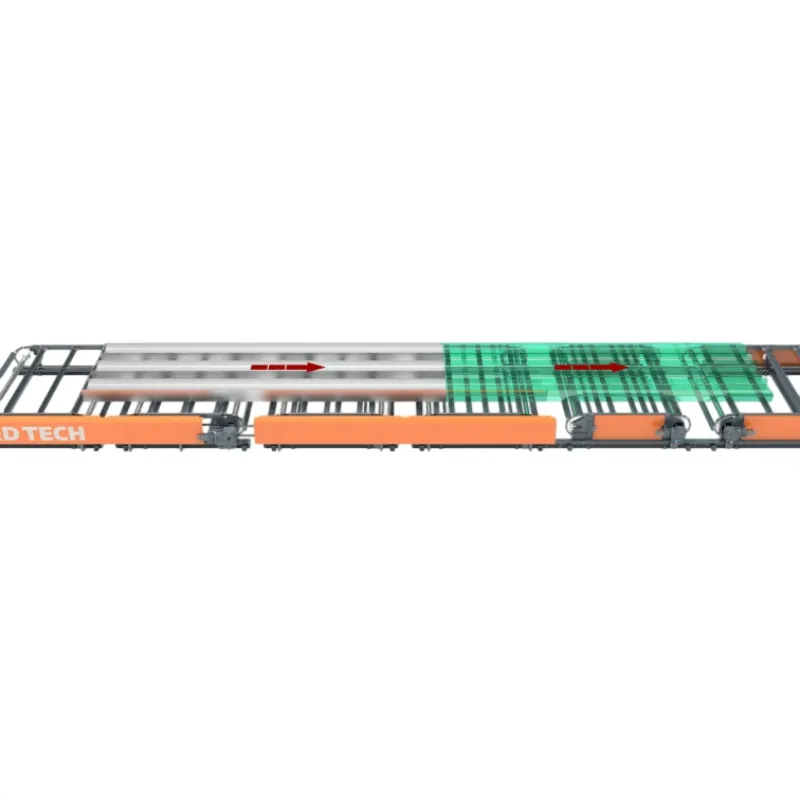
- Conveyor and Material Handling: Custom-designed conveyor systems (e.g., overhead, roller, skid-based) to ensure efficient and safe transport of workpieces through the painting process.
- Environmental Controls: Integration of advanced ventilation, air filtration, and VOC abatement systems to meet local environmental regulations and ensure worker safety.
- Software and HMI Development: Bespoke human-machine interfaces (HMIs) and software modules for specific process control, data logging, and integration with existing MES/ERP systems.
Application Case Studies:
Case Study 1: Large-Scale Bridge Structure Manufacturer
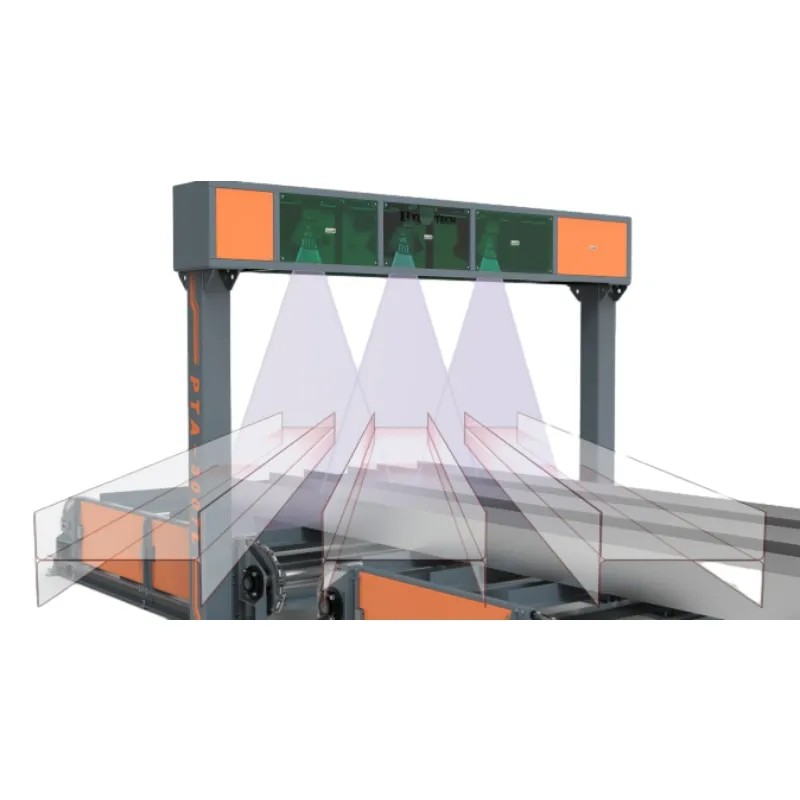
A leading manufacturer of large steel bridge components faced challenges with inconsistent coating thickness and high paint consumption using manual methods. We implemented a customized automatic paint spraying machine with gantry-mounted robotic arms and a smart object recognition system. The system was designed to handle beams up to 30 meters in length. Post-implementation, the client reported a 40% reduction in paint material usage, a 60% reduction in labor for painting operations, and a 99% first-pass yield for coating quality, significantly reducing rework. The project was delivered within 18 months, including design, manufacturing, installation, and commissioning.
Case Study 2: Marine Vessel Component Manufacturer
A shipyard specializing in marine vessel components required a robust automated painting process that could apply highly durable anti-corrosion coatings in a challenging environment. Our solution involved a fully enclosed, environmentally controlled spray booth equipped with an automatic paint dispenser designed for high-solids, heavy-duty marine paints. The system incorporated a curing oven for accelerated drying. The result was a 50% reduction in curing time, an increase in production capacity by 35%, and the ability to consistently meet stringent DNV GL (Det Norske Veritas Germanischer Lloyd) coating standards, enhancing the longevity of their marine structures.
Frequently Asked Questions (FAQ)
A: Lead times vary based on the complexity and customization level of the system. For a standard automatic paint spraying machine, it typically ranges from 12 to 18 weeks from contract signing to factory acceptance testing (FAT). Highly customized or large-scale integrated lines may require 20-24 weeks. We provide a detailed project timeline upon proposal acceptance.
A: We offer a comprehensive 12-month warranty on all mechanical and electrical components from the date of installation or 18 months from shipment, whichever comes first. Extended warranty options and service contracts are also available to ensure long-term operational peace of mind.
A: Our commitment extends beyond installation. We provide comprehensive after-sales support including:
- 24/7 remote technical assistance.
- On-site service by certified technicians for diagnostics and repairs.
- Scheduled preventative maintenance programs.
- Spare parts availability and expedited delivery.
- Operator training and refresher courses.
A: Yes, our systems are designed with versatility in mind. They can be configured to handle a wide range of industrial coatings, including epoxies, polyurethanes, alkyds, zinc-rich primers, and specialized anti-corrosion paints. Our automatic paint dispenser technology ensures precise application regardless of paint viscosity or chemical composition. During the design phase, we specify the exact paint compatibility required for your operations.
Citations
- ISO 12944: Corrosion Protection of Steel Structures by Protective Paint Systems. International Organization for Standardization.
- ANSI/RIA R15.06: Industrial Robots and Robot Systems - Safety Requirements. Robotic Industries Association.
- Journal of Coating Technology Research: Studies on High Transfer Efficiency Robotic Painting Systems.
- Environmental Protection Agency (EPA) Guidelines for VOC Emissions from Surface Coating Operations.
Latest News
-
Efficient automated hot air drying equipment for steel structure application
NewsApr.16,2026 -
Efficient hot air drying system for steel structure spraying line
NewsApr.09,2026 -
Optimizing Steel Structure Spraying with Hot Air Drying Technology Solutions
NewsApr.07,2026 -
HighEfficiency Hot Air Drying Painting Equipment for Superior Industrial Coatings
NewsApr.04,2026 -
Optimizing Industrial Processes with Hot Air Furnace Heating Spraying Systems
NewsMar.31,2026 -
Comprehensive Tailormade Steel Structure Spraying Solution for Enhanced Durability
NewsMar.28,2026 -
Optimizing Steel Structure Protection through Customization and Integration of Spraying System
NewsMar.26,2026
Automatic Paint Spraying Machine | Precision & Efficiency
The Evolution of Precision: Industry Trends in Automated Painting
The global manufacturing landscape is undergoing a significant transformation, driven by demands for higher efficiency, superior finish quality, and reduced environmental impact. Within this shift, the deployment of the automatic paint spraying machine is emerging as a critical component. Industry trends indicate a robust move towards full automation, integrating advanced robotics, artificial intelligence, and sophisticated sensor technologies to optimize painting processes across various sectors.
Key trends include the rise of intelligent systems that can adapt to varying component geometries, minimizing material waste and maximizing transfer efficiency. The push for sustainability is also paramount, leading to innovations in paint formulations (e.g., water-borne, high-solids, UV-curable coatings) and a reduction in volatile organic compound (VOC) emissions through precise application by an automatic paint spraying machine. Furthermore, the integration with Industry 4.0 paradigms, such as real-time data analytics and predictive maintenance, ensures optimal uptime and operational transparency.
The market is also seeing increased demand for customized solutions, where an automatic paint dispenser can be configured for specific production lines, accommodating diverse material handling requirements, object sizes, and coating types. This customization extends to software interfaces that allow for intuitive programming and remote monitoring, enhancing operational flexibility and reducing the need for constant human intervention. As labor costs rise and the demand for consistency intensifies, the adoption of an automatic spray painting system is no longer just an advantage but a necessity for competitive manufacturing.
Technical Specifications and Performance Metrics
A high-performance automatic paint spraying machine is characterized by a suite of technical parameters that define its capabilities and efficiency. These systems typically comprise robotic manipulators, precision spray guns, paint supply systems, and advanced control units. Understanding these specifications is crucial for industrial buyers to ensure the system meets their production demands and quality standards.
Key Specifications of a Steel Structure Automatic Painting Line
| Parameter | Typical Specification | Description / Benefit |
|---|---|---|
| Workpiece Dimensions (L×W×H) | Up to 25m × 3m × 2.5m | Accommodates large-scale steel components, ensuring versatility for various projects. |
| Paint Type Compatibility | Epoxy, Polyurethane, Alkyd, Zinc-rich primers, etc. | Versatility for diverse protective and decorative coatings. |
| Spray Gun Type | Airless, Air-assisted Airless, Electrostatic | Optimized for high transfer efficiency and superior finish, minimizing overspray. |
| Coating Thickness Control | ± 5 microns (typical) | Ensures uniform application and adherence to strict quality standards. |
| Robotic Axes | 6-axis or 7-axis robotic arms | Enables complex path planning and coverage of intricate geometries. |
| Transfer Efficiency | > 70% (Electrostatic) | Minimizes paint waste, reducing material costs and environmental impact. |
| Operating Temperature Range | 5°C to 45°C | Suitable for various industrial environments. |
| Control System | PLC with HMI, Robotic Control System | Intuitive programming, real-time monitoring, and diagnostic capabilities. |
These specifications underscore the precision and robustness required for industrial applications. Advanced control algorithms allow for dynamic adjustment of spray parameters, ensuring optimal coverage and film thickness even on complex or irregularly shaped components. The selection of materials for critical components, such as high-grade stainless steel for paint circulation systems, ensures corrosion resistance and a long service life, typically exceeding 15 years with proper maintenance.
Application Scenarios and Industry Impact
The versatility of an automatic paint spraying machine makes it indispensable across a multitude of heavy industries where protective and aesthetic coatings are vital. These systems provide consistent, high-quality finishes that meet stringent industry standards, often surpassing what can be achieved with manual application.
Key Application Industries:
- Petrochemical Industry: Application of specialized anti-corrosion and chemical-resistant coatings on pipelines, storage tanks, and structural components to withstand harsh operating environments. An automated painting process ensures maximum protective layer integrity.
- Metallurgy & Heavy Engineering: Coating of large steel structures, beams, frames, and machinery parts for protection against rust, abrasion, and environmental degradation. The sheer scale often necessitates an automated approach.
- Water Supply & Drainage Infrastructure: Internal and external coating of pipes, valves, and treatment plant components to prevent corrosion and ensure water quality compliance. Precision provided by an automatic paint spraying machine is crucial here.
- Wind Energy & Power Generation: Application of durable coatings to wind turbine components, transmission towers, and other critical infrastructure exposed to extreme weather conditions.
- Rail & Automotive: Coating chassis, frames, and larger components for corrosion protection and aesthetic finish, meeting strict industry standards for durability and appearance.
In typical application scenarios, such as coating large steel beams for a bridge project, an automated system can achieve a uniform coating thickness of 200 microns across a 20-meter beam in a fraction of the time compared to manual methods. This not only significantly reduces labor costs but also enhances the longevity of the structure by providing superior corrosion resistance. For example, a petrochemical client reported a 30% increase in coating lifespan and a 25% reduction in paint consumption after implementing our automated painting solution.
Technical Advantages and ROI
The strategic implementation of an automatic paint spraying machine yields profound technical and economic advantages for industrial operations. These benefits extend beyond simple automation, impacting product quality, operational costs, and environmental compliance.
Core Advantages:
- Enhanced Quality and Consistency: Robotic precision ensures uniform coating thickness, consistent finish quality, and minimal defects, which are paramount for meeting ISO 12944 (Corrosion Protection of Steel Structures by Protective Paint Systems) or similar standards.
- Significant Cost Reduction: An automatic paint dispenser optimizes paint usage through high transfer efficiency, reducing material consumption by 20-40% compared to manual methods. Furthermore, labor costs are drastically cut, and rework rates are minimized.
- Increased Production Throughput: Automated systems operate continuously with higher speed and efficiency, leading to faster cycle times and increased output, enabling manufacturers to meet tighter deadlines and higher demand.
- Improved Safety and Environmental Compliance: Removing human operators from hazardous painting environments reduces exposure to paint fumes and solvents. Reduced overspray and optimized material usage contribute to lower VOC emissions, aligning with environmental regulations.
- Flexibility and Adaptability: Modern systems can be quickly reprogrammed for different workpiece geometries and paint types, offering superior operational flexibility compared to fixed manual setups.
- Long-term Durability: The robust construction, often utilizing CNC machined components and high-grade alloys, ensures a service life of over 15 years, offering a compelling return on investment.
Investment in an automated painting process typically sees an ROI within 2-3 years, driven by savings in paint material, labor, and reduced scrap/rework. For instance, an analysis for a client fabricating heavy machinery showed that by reducing paint consumption by 35% and labor by 70%, their new automatic spray painting system paid for itself in 2.5 years, while simultaneously improving product aesthetics and durability.
Process Flow: Manufacturing an Automatic Paint Spraying Machine
The manufacturing of a high-quality automatic paint spraying machine is a multi-stage process, meticulously engineered to ensure precision, durability, and optimal performance. Our commitment to excellence is reflected in every step, from material selection to final assembly and rigorous testing.
Detailed Manufacturing Process:
- Design and Engineering: Initial conceptualization and detailed CAD/CAM design. This phase involves material selection, such as high-strength steel alloys for structural components and corrosion-resistant stainless steel for paint circulation parts. Finite Element Analysis (FEA) is performed to optimize structural integrity and performance under operational loads.
- Material Sourcing and Preparation: Procurement of certified raw materials. Steel plates and profiles undergo precise cutting (laser or plasma), bending, and forming processes to create the framework and enclosures. Key mechanical components, like gears and shafts, are often forged for superior strength.
- Precision Machining: Critical components, including robotic arm joints, nozzle bodies, and pump housings, are manufactured using advanced CNC machining centers. This ensures extremely tight tolerances, crucial for the precision and longevity of the automatic paint dispenser.
- Assembly of Sub-systems: Robotic arms, paint delivery systems (pumps, hoses, agitators), ventilation systems, and electrical control panels are assembled in dedicated workstations. Each sub-assembly undergoes initial functional testing.
- Integrated System Assembly: All sub-systems are integrated into the main framework. This includes mounting robotic manipulators, installing conveyor systems, spray booths, and curing ovens (if part of the line). Wiring, piping, and software integration are meticulously carried out.
- Calibration and Programming: Robotic paths are programmed and calibrated for precise movement and spray patterns. The automated painting process control software is configured and fine-tuned for optimal performance parameters specific to the customer's needs.
-
Quality Assurance and Testing: Each complete automatic spray painting system undergoes rigorous quality control and performance testing. This includes:
- Functional Testing: Verifying all mechanical, electrical, and software components operate as designed.
- Performance Testing: Simulating real-world painting scenarios with sample workpieces to evaluate transfer efficiency, coating uniformity, and cycle times against design specifications and client requirements.
- Safety Compliance: Adherence to international safety standards such as CE, OSHA, and local regulations.
- Durability Testing: Stress tests on critical components to ensure a projected service life of 15+ years under typical operating conditions.
- Packaging and Shipment: Once all tests are passed, the system is prepared for shipment, ensuring secure packaging for transit to the client site.
This detailed process ensures that every automatic paint spraying machine delivered is of the highest quality, ready to integrate seamlessly into industrial operations and provide reliable, long-term performance for target industries like petrochemicals, metallurgy, and water supply & drainage.
Vendor Comparison: Choosing the Right Automatic Paint Spraying System
Selecting the optimal automatic paint spraying machine requires a careful evaluation of various vendors based on their technical capabilities, industry experience, support infrastructure, and customization options. While many providers offer automated solutions, differentiation lies in precision, reliability, and long-term value.
Comparative Analysis of Automated Painting Systems:
| Feature | Leading Provider (e.g., Yeeeed) | Competitor A (Generalist) | Competitor B (Niche) |
|---|---|---|---|
| Industry Specialization | Heavy Steel Structures, Petrochemical, Marine | General Manufacturing, Automotive | Consumer Goods, Plastics |
| Robotic Technology | Proprietary 6-axis articulated robots, AI-powered path planning | Standard industrial robots (off-the-shelf) | Smaller 4-axis robots, limited reach |
| Paint Transfer Efficiency | Up to 90% (with electrostatic) | 60-75% | 50-65% |
| Customization Capability | Full line customization, modular design, bespoke software integration | Limited configuration options | Standardized models only |
| After-Sales Support | Global network, 24/7 remote monitoring, dedicated project managers | Regional support, business hours only | Limited, often third-party |
| Certifications & Standards | ISO 9001, CE, ATEX, specific industry compliance | Basic CE compliance | No specific industry certifications |
Our systems, designed specifically for heavy industrial applications like steel structures, offer unparalleled precision and durability. Our deep industry expertise, reflected in partnerships with global leaders in energy and infrastructure, ensures solutions that are not just technically superior but also robust against the most demanding operational conditions. Unlike generalist vendors, our focus allows for specialized innovations, such as advanced corrosion protection systems and large-format component handling, which are critical for our target markets. Our long-standing service, exceeding two decades, and compliance with authoritative references like ISO and EN standards, underpin our commitment to reliability and customer success.
Customized Solutions and Application Case Studies
Recognizing that no two industrial operations are identical, we specialize in providing bespoke automatic paint spraying machine solutions. Our engineering team works closely with clients to design systems that integrate seamlessly into existing production lines, optimizing for specific workpiece characteristics, throughput requirements, and environmental considerations.
Customization Capabilities:
- Dimension Adaptability: Systems tailored to handle objects ranging from small components to multi-ton, multi-meter steel structures.
- Paint System Integration: Compatibility with various paint types and supply systems (e.g., plural component systems, heated paints), and full integration with client-specific paint kitchens.
- Conveyor and Material Handling: Custom-designed conveyor systems (e.g., overhead, roller, skid-based) to ensure efficient and safe transport of workpieces through the painting process.
- Environmental Controls: Integration of advanced ventilation, air filtration, and VOC abatement systems to meet local environmental regulations and ensure worker safety.
- Software and HMI Development: Bespoke human-machine interfaces (HMIs) and software modules for specific process control, data logging, and integration with existing MES/ERP systems.
Application Case Studies:
Case Study 1: Large-Scale Bridge Structure Manufacturer
A leading manufacturer of large steel bridge components faced challenges with inconsistent coating thickness and high paint consumption using manual methods. We implemented a customized automatic paint spraying machine with gantry-mounted robotic arms and a smart object recognition system. The system was designed to handle beams up to 30 meters in length. Post-implementation, the client reported a 40% reduction in paint material usage, a 60% reduction in labor for painting operations, and a 99% first-pass yield for coating quality, significantly reducing rework. The project was delivered within 18 months, including design, manufacturing, installation, and commissioning.
Case Study 2: Marine Vessel Component Manufacturer
A shipyard specializing in marine vessel components required a robust automated painting process that could apply highly durable anti-corrosion coatings in a challenging environment. Our solution involved a fully enclosed, environmentally controlled spray booth equipped with an automatic paint dispenser designed for high-solids, heavy-duty marine paints. The system incorporated a curing oven for accelerated drying. The result was a 50% reduction in curing time, an increase in production capacity by 35%, and the ability to consistently meet stringent DNV GL (Det Norske Veritas Germanischer Lloyd) coating standards, enhancing the longevity of their marine structures.
Frequently Asked Questions (FAQ)
A: Lead times vary based on the complexity and customization level of the system. For a standard automatic paint spraying machine, it typically ranges from 12 to 18 weeks from contract signing to factory acceptance testing (FAT). Highly customized or large-scale integrated lines may require 20-24 weeks. We provide a detailed project timeline upon proposal acceptance.
A: We offer a comprehensive 12-month warranty on all mechanical and electrical components from the date of installation or 18 months from shipment, whichever comes first. Extended warranty options and service contracts are also available to ensure long-term operational peace of mind.
A: Our commitment extends beyond installation. We provide comprehensive after-sales support including:
- 24/7 remote technical assistance.
- On-site service by certified technicians for diagnostics and repairs.
- Scheduled preventative maintenance programs.
- Spare parts availability and expedited delivery.
- Operator training and refresher courses.
A: Yes, our systems are designed with versatility in mind. They can be configured to handle a wide range of industrial coatings, including epoxies, polyurethanes, alkyds, zinc-rich primers, and specialized anti-corrosion paints. Our automatic paint dispenser technology ensures precise application regardless of paint viscosity or chemical composition. During the design phase, we specify the exact paint compatibility required for your operations.
Citations
- ISO 12944: Corrosion Protection of Steel Structures by Protective Paint Systems. International Organization for Standardization.
- ANSI/RIA R15.06: Industrial Robots and Robot Systems - Safety Requirements. Robotic Industries Association.
- Journal of Coating Technology Research: Studies on High Transfer Efficiency Robotic Painting Systems.
- Environmental Protection Agency (EPA) Guidelines for VOC Emissions from Surface Coating Operations.
Latest News
-
Efficient automated hot air drying equipment for steel structure application
NewsApr.16,2026 -
Efficient hot air drying system for steel structure spraying line
NewsApr.09,2026 -
Optimizing Steel Structure Spraying with Hot Air Drying Technology Solutions
NewsApr.07,2026 -
HighEfficiency Hot Air Drying Painting Equipment for Superior Industrial Coatings
NewsApr.04,2026 -
Optimizing Industrial Processes with Hot Air Furnace Heating Spraying Systems
NewsMar.31,2026 -
Comprehensive Tailormade Steel Structure Spraying Solution for Enhanced Durability
NewsMar.28,2026 -
Optimizing Steel Structure Protection through Customization and Integration of Spraying System
NewsMar.26,2026


