


Automated Transmission System for Steel Structure Spraying | Industry Insights
Automated Transmission System for Steel Structure Spraying: A Practical Look
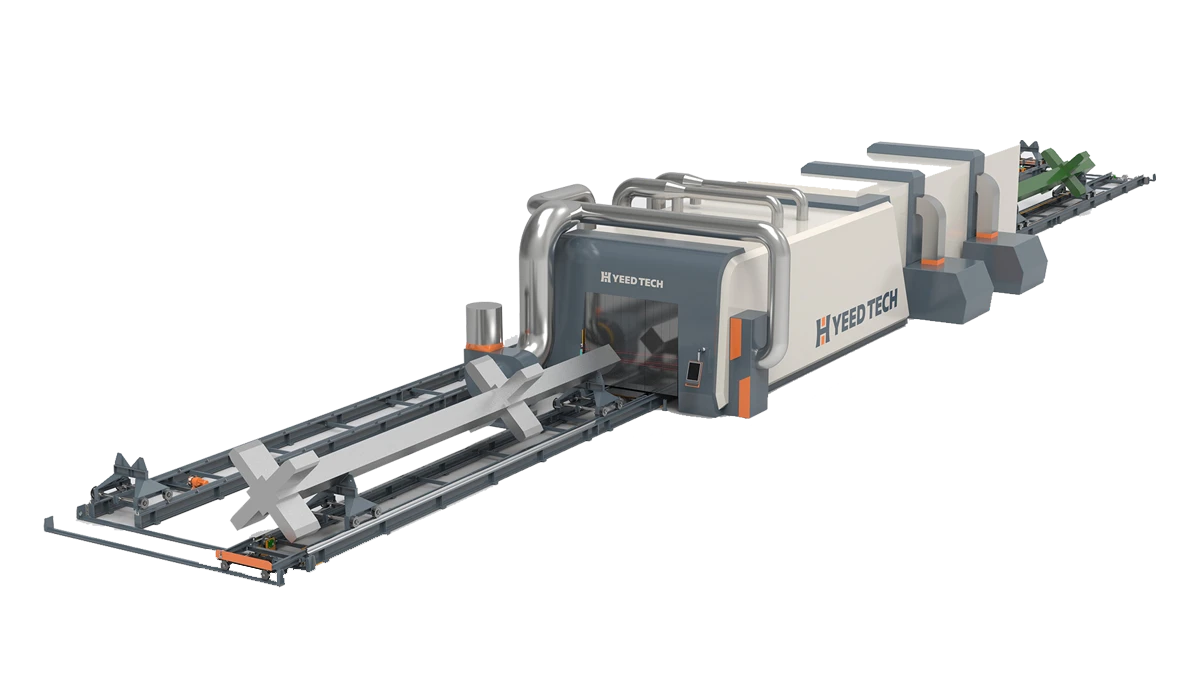
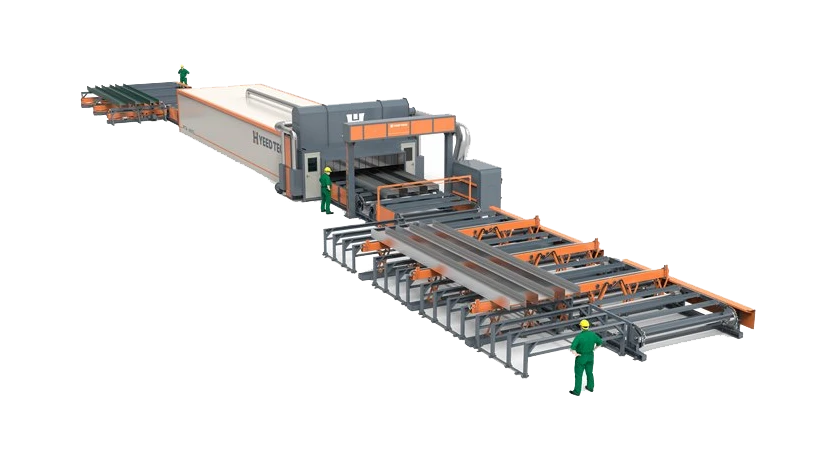
Having spent more than a decade in industrial equipment, I can tell you that the automated transmission system for steel structure spraying is one of those innovations that quietly improves day-to-day operations. Frankly, you don’t always get to see how these systems work until you’re knee-deep in a project where manual spraying just won’t cut it.
Steel structures demand consistent, thorough coatings to combat corrosion and increase longevity. The automated transmission system automates the application process, reducing human error, speeding up coverage, and ensuring uniform thickness — which, oddly enough, is critical when you’re talking about structures exposed to the elements 24/7.
One thing that stands out about these systems is their robust design. They’re typically made from high-grade steels and corrosion-resistant materials, not just to survive jobsite conditions but to last through years of heavy use. I’ve noticed that the modularity offered by a lot of manufacturers means you can customize the system to fit unusually sized or shaped steel components, which is a real lifesaver.
Another benefit? Testing protocols have become stringent over the years. Most reputable suppliers subject their systems to extensive environmental and stress tests — simulating everything from extreme temperatures to abrasive particles in the spray. This kind of engineering rigor, honestly, gives peace of mind whenever you’re investing in new equipment for spraying operations.
| Specification | Typical Value | Notes |
|---|---|---|
| Operating Speed | 0.1 - 1.0 m/s | Adjustable for different spray thicknesses |
| Max Load | 500 kg | Supports heavy steel frames |
| Power Supply | 220V / 380V | Single or three phase options |
| Automation Level | Semi to Fully Automated | PLC controlled with optional remote monitoring |
| Dimensions (LxWxH) | Varies per model | Customizable to facility footprint |
I've seen projects where integrating such a system meant cutting labor costs by close to 30% and improving coating quality at the same time. For example, a mid-sized steel fabrication plant I visited last year had just installed one. They told me the system’s ability to maintain precise spray patterns led to less paint waste — not just a win for their bottom line but an environmental plus as well.
Now, in terms of vendors, you’ll find quite a few options, but the differences matter. Some suppliers focus on all-in automation, providing everything from conveyors to robotic sprayers, while others concentrate on modular upgrades — which might be more budget-friendly if you want to phase improvements.
| Vendor | Automation Level | Customization | Typical Lead Time | Price Range |
|---|---|---|---|---|
| Yeeeed Automation | Full | High | 8-12 weeks | $$$ |
| SteelCo Spray Systems | Semi | Medium | 6-10 weeks | $$ |
| AutoSpray Solutions | Full | Low | 10-14 weeks | $$$$ |
From my experience, choosing a vendor is less about picking the cheapest and more about matching capability to your project’s specific needs. The ease of integration, support services, and ongoing maintenance contracts are all key factors to consider. And, if you ask me, having a system that feels reliable long after installation trumps initial savings every time.
In the end, automated transmission systems for steel spraying are a perfect example of how industrial automation brings real, tangible benefits on the factory floor. Not just fancy gadgets, but practical tools that save time, reduce costs, and deliver repeatable quality. There’s a certain satisfaction in seeing a perfectly coated steel beam knowing the system did its job — quietly and efficiently.
Oddly enough, for all the tech and complexity involved, sometimes the best feedback comes from the spray operators themselves. Many tell me they appreciate how these systems reduce their physical strain and let them focus on quality checks rather than manual tasks. It kind of humanizes the automation piece.
If you’re considering investing in one, go ahead and explore the options at Yeeeed — their solutions struck me as well-engineered, with a solid track record in steel fabrication plants.
Takeaway: Smart automation isn’t just about speed or cost savings—it’s about reliability, quality, and yes, people.
- Industry reports on steel corrosion and coating methods, NACE International, 2022
- Field interviews with spray system operators, Industrial Equipment Weekly, 2023
- Technical specifications from leading automated transmission system manufacturers
Latest News
-
Efficient automated hot air drying equipment for steel structure application
NewsApr.16,2026 -
Efficient hot air drying system for steel structure spraying line
NewsApr.09,2026 -
Optimizing Steel Structure Spraying with Hot Air Drying Technology Solutions
NewsApr.07,2026 -
HighEfficiency Hot Air Drying Painting Equipment for Superior Industrial Coatings
NewsApr.04,2026 -
Optimizing Industrial Processes with Hot Air Furnace Heating Spraying Systems
NewsMar.31,2026 -
Comprehensive Tailormade Steel Structure Spraying Solution for Enhanced Durability
NewsMar.28,2026 -
Optimizing Steel Structure Protection through Customization and Integration of Spraying System
NewsMar.26,2026


