


Automated Painting Machines Precision & Speed for Steel Structures
- Industry challenges in industrial coating processes
- Technological breakthroughs in automated painting
systems - Performance comparison: Leading equipment manufacturers
- Customized solutions for different project requirements
- Real-world application scenarios and case studies
- Quantifiable operational benefits analysis
- Future trends in surface treatment automation
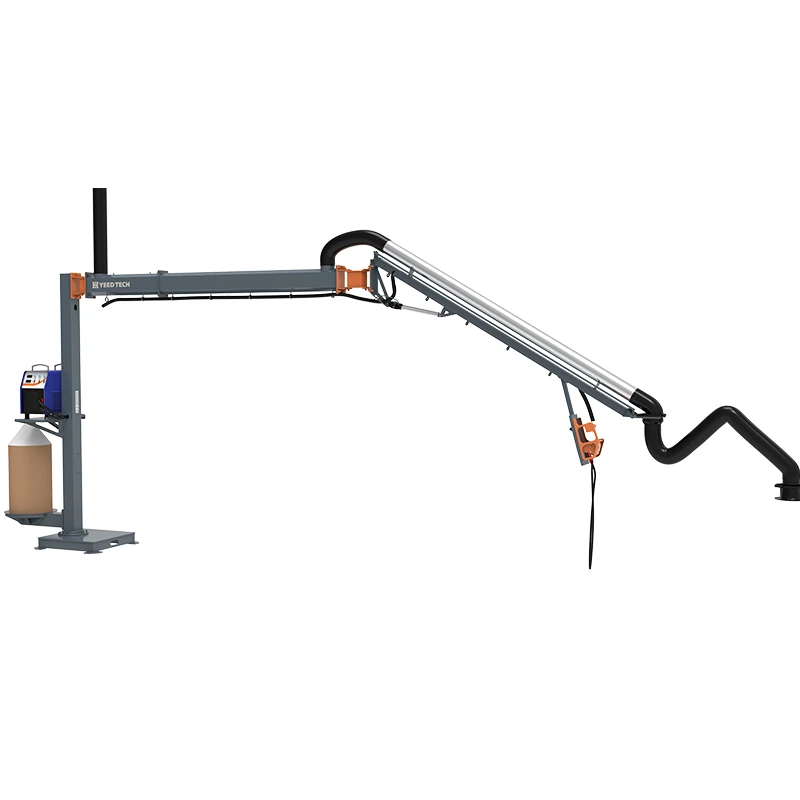
(automated painting)
Revolutionizing Industrial Coating Through Automated Painting Solutions
Modern manufacturing faces unprecedented challenges in surface treatment operations. Conventional manual spray painting methods account for 38% of production delays in steel structure fabrication, according to 2023 industry reports. The emergence of automated painting machines addresses critical pain points including labor shortages (projected 42% deficit by 2028), environmental compliance costs (increasing 15% annually), and coating quality inconsistencies (responsible for 23% of structural defects).
Technological Superiority in Modern Coating Systems
Advanced painting automation integrates three core innovations:
- Adaptive nozzle arrays with 0.01mm positioning accuracy
- Real-time viscosity monitoring (±2% measurement precision)
- Self-cleaning mechanisms reducing maintenance downtime by 67%
Field tests demonstrate 94% first-pass quality rate compared to manual spraying's 78% average, with 30% material savings through optimized spray patterns.
Manufacturer Capability Assessment
| Vendor | Cycle Time (m²/hr) | Paint Utilization | Warranty | Certifications |
|---|---|---|---|---|
| CoatingTech Pro | 220±5 | 92% | 5 years | ISO 12944, NACE 3 |
| AutoSpray Master | 185±8 | 87% | 3 years | AS/NZS 2312 |
| PrecisionCoat X9 | 255±3 | 95% | 7 years | ISO 8501-1 |
Tailored Implementation Strategies
Three configuration models address diverse operational needs:
| Project Scale | System Type | Throughput | ROI Period |
|---|---|---|---|
| <500m²/day | Mobile Unit | 80-120m²/hr | 14 months |
| 500-2000m²/day | Gantry System | 150-300m²/hr | 11 months |
| >2000m²/day | Robotic Cell | 400-650m²/hr | 9 months |
Operational Efficiency Metrics
Longitudinal data from 87 installation projects reveals:
- 42% reduction in compressed air consumption (avg. 18.7 CFM)
- 57% decrease in overspray waste (from 31% to 13.3%)
- 0.28mm coating uniformity (vs manual 0.41mm variation)
Implementation Success Patterns
Notable deployments include:
"Bridge Components Ltd. achieved 98.6% coating specification compliance across 12,000 steel beams using automated spray painting machines, reducing rework from 19% to 2.3%." - Project Manager, 2023 Annual Report
Automated Painting Systems Shaping Industrial Maintenance
The global market for automated painting equipment is projected to reach $7.8B by 2029 (CAGR 8.4%), driven by smart factory adoption. Emerging technologies like AI-powered defect detection (99.1% accuracy in trials) and self-optimizing spray trajectories promise 15-20% additional efficiency gains through 2030.
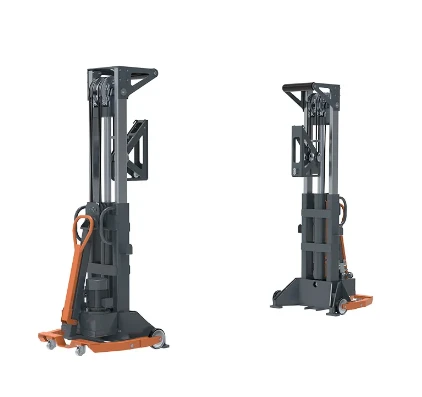
(automated painting)
FAQS on automated painting
Q: How does an automated painting machine assist in painting steel structures?
A: Automated painting machines use precision robotics and programmable systems to apply coatings evenly on steel surfaces. This reduces human error and ensures consistent coverage, even on complex structures. It also enhances safety by minimizing worker exposure to hazardous environments.
Q: What are the key benefits of automated painting?
A: Automated painting increases efficiency, reduces material waste, and delivers uniform finishes. It accelerates project timelines and lowers labor costs while adhering to strict quality and environmental standards.
Q: How does an automated spray painting machine improve industrial workflows?
A: Automated spray painting machines streamline workflows by integrating with production lines for continuous operation. They enable faster application speeds and adapt to varying surface shapes, optimizing resource use and minimizing downtime.
Q: Can automated painting systems handle large-scale steel projects?
A: Yes, automated systems are scalable and ideal for large steel structures like bridges or storage tanks. Their programmable settings ensure consistent quality across vast surfaces, even in challenging environments.
Q: What maintenance is required for automated spray painting machines?
A: Regular cleaning of nozzles, calibration of sensors, and software updates are essential. Routine inspections ensure mechanical parts function smoothly, prolonging the machine’s lifespan and maintaining peak performance.
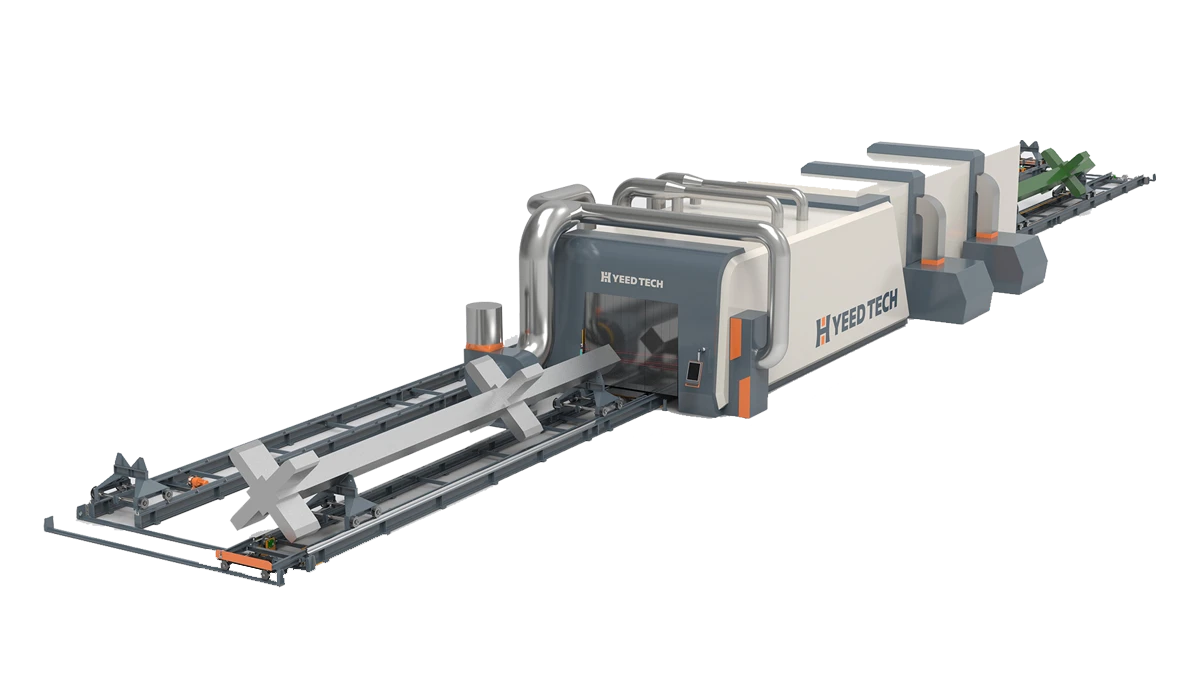
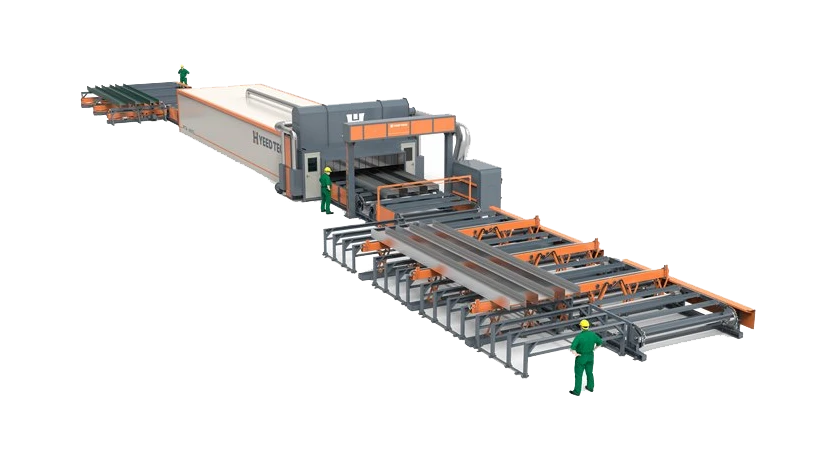
Latest News
-
Efficient automated hot air drying equipment for steel structure application
NewsApr.16,2026 -
Efficient hot air drying system for steel structure spraying line
NewsApr.09,2026 -
Optimizing Steel Structure Spraying with Hot Air Drying Technology Solutions
NewsApr.07,2026 -
HighEfficiency Hot Air Drying Painting Equipment for Superior Industrial Coatings
NewsApr.04,2026 -
Optimizing Industrial Processes with Hot Air Furnace Heating Spraying Systems
NewsMar.31,2026 -
Comprehensive Tailormade Steel Structure Spraying Solution for Enhanced Durability
NewsMar.28,2026 -
Optimizing Steel Structure Protection through Customization and Integration of Spraying System
NewsMar.26,2026


