


Advancing Steel Structure Painting with Automation of Alarm System
Automation of Alarm System of Automatic Painting of Steel Structure
In the realm of industrial efficiency and safety, the automation of alarm systems for automatic steel structure painting stands as a critical advancement. This technology enhances the precision, quality, and security of the painting process, reducing downtime and minimizing risks. This article will explore the benefits, components, and implementation strategies for such automated systems, focusing on how Yeeeed can provide tailored solutions for your needs. Investing in robust automation is essential for modern steel structure painting operations.
Understanding the Need for Automation
Traditional manual painting and monitoring processes are often prone to inconsistencies, human error, and delayed response times to potential issues. An automated alarm system integrated with the painting process mitigates these challenges. It provides real-time monitoring of critical parameters like paint flow, temperature, pressure, and environmental conditions. Early detection of anomalies through automated alarms allows for prompt corrective action, preventing defects and ensuring consistent paint quality. The ultimate goal is to optimize the painting process, minimize material waste, and uphold safety standards.
Key Benefits: Reduced downtime, Improved paint quality, Enhanced safety, Minimized material waste, Real-time monitoring.
Key Components of an Automated Alarm System
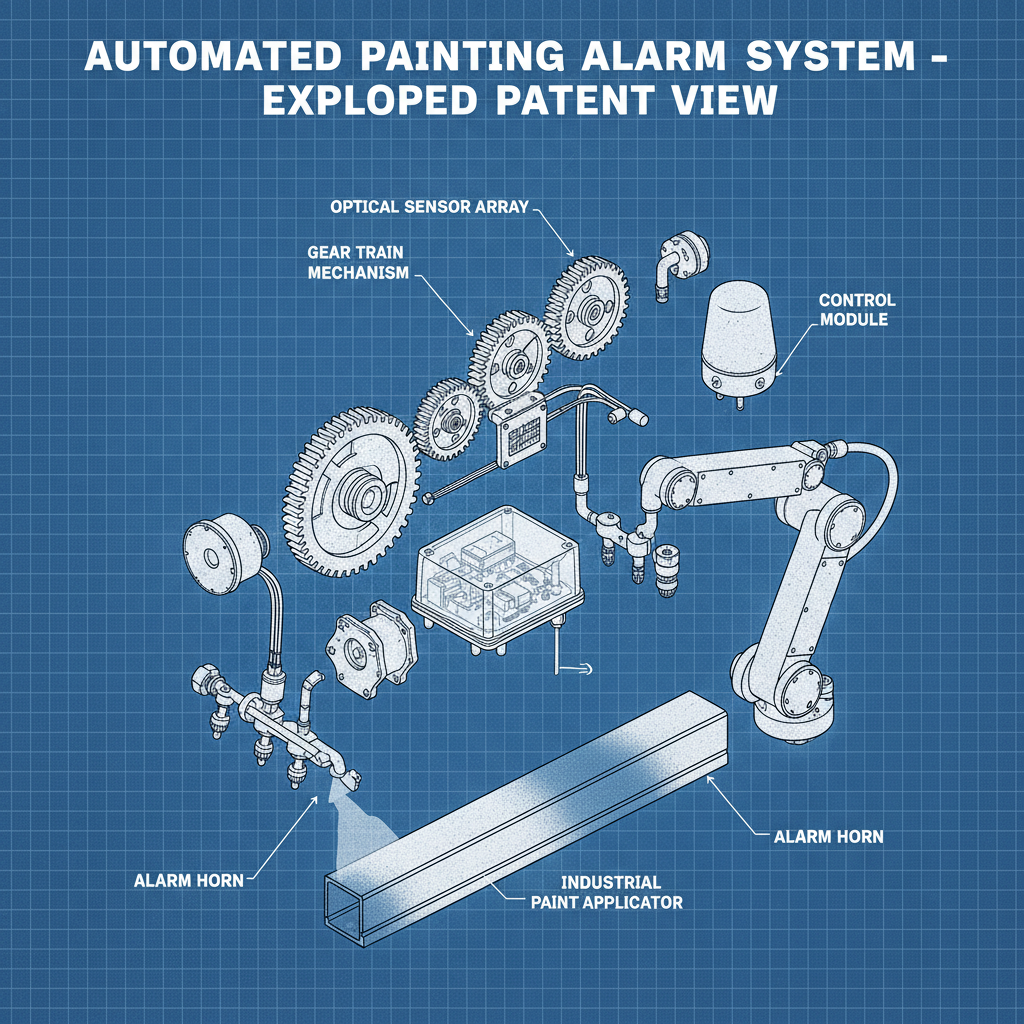
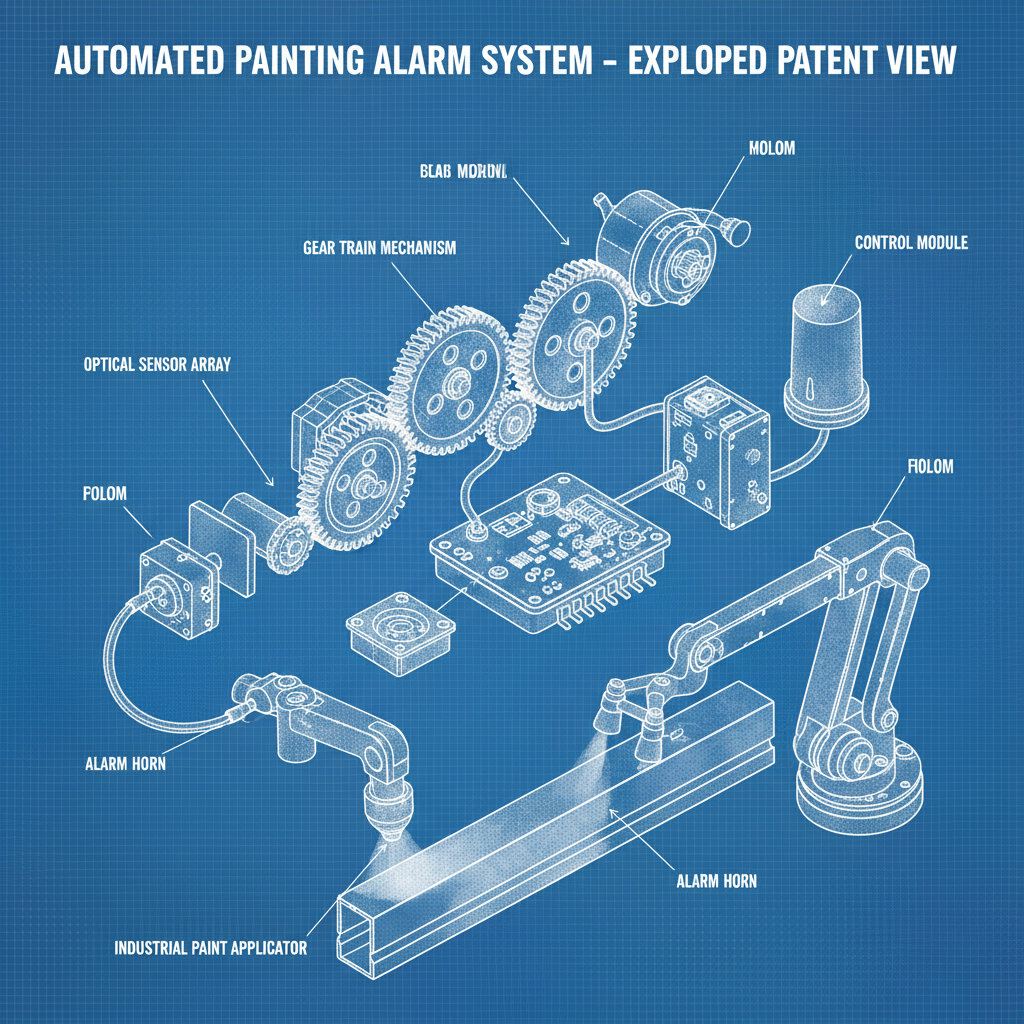
A complete automated alarm system typically comprises several key components. These include sensors (for monitoring temperature, pressure, flow rates, etc.), a programmable logic controller (PLC) for data processing and decision-making, alarm indicators (visual and audible), and a human-machine interface (HMI) for operator interaction. The system is often integrated with the existing control system of the automatic painting line. Yeeeed specializes in integrating these components seamlessly to create a robust and reliable solution.
Essential Components:
• Sensors: Monitor critical process parameters.
• PLC: Processes data and triggers alarms.
• Alarm Indicators: Provide visual and audible alerts.
• HMI: Allows operator interaction and monitoring.
Automation of Alarm System of Automatic Painting: A Comparative Analysis
Comparing manual monitoring with an automated alarm system clearly highlights the advantages of the latter. Manual monitoring relies heavily on operator vigilance and can be susceptible to fatigue or distractions. Automated systems provide continuous, objective monitoring with instant alerts, reducing the risk of overlooking critical issues. This results in increased efficiency, reduced defects, and improved overall process control. Yeeeed's solutions are designed to address the limitations of manual processes.
Implementation Strategies and Considerations
Implementing an automated alarm system requires careful planning and execution. A thorough assessment of the existing painting process is crucial to identify critical parameters that need monitoring. Proper sensor selection and placement are essential for accurate data collection. The system should be designed to integrate seamlessly with the existing control system, and operators should receive comprehensive training on how to interpret alarms and respond effectively. Yeeeed offers comprehensive support throughout the implementation process, from system design to installation and training.
Yeeeed: Your Partner in Automation
Yeeeed specializes in providing customized automation solutions for the steel structure painting industry. We offer a comprehensive range of products and services, including system design, component integration, installation, and ongoing support. Our team of experienced engineers will work closely with you to understand your specific needs and develop a solution that optimizes your painting process, enhances safety, and reduces costs. We are committed to delivering reliable, high-performance systems that exceed your expectations.
Conclusion
The automation of alarm systems for automatic steel structure painting is a vital investment for modern industrial operations. By embracing this technology, companies can significantly improve efficiency, quality, and safety. Yeeeed is dedicated to providing innovative solutions that empower your success.
Frequently Asked Questions (FAQs)
What are the typical parameters monitored by an automated alarm system?
Typical parameters include paint flow rate, paint temperature, paint pressure, air temperature, humidity, and solvent levels. The system can also monitor for equipment malfunctions, such as pump failures or blocked nozzles. Customization is possible to monitor other parameters specific to the painting process. Yeeeed can configure the system to track precisely the data most critical for your operation.
How easy is it to integrate an automated alarm system with existing equipment?
Integration complexity depends on the existing equipment and control system. Modern PLCs and HMIs often support standard communication protocols, facilitating seamless integration. Yeeeed specializes in integration and can assess your existing infrastructure to determine the best approach. We prioritize minimizing disruption to your ongoing operations during implementation.
What kind of training is required for operators to effectively use the system?
Operators require training on how to interpret alarm signals, understand the system's HMI interface, and follow established procedures for responding to alarms. Training should cover both normal operation and troubleshooting. Yeeeed provides comprehensive training programs tailored to your specific system and operational needs, ensuring your team is fully prepared to manage and utilize the technology effectively.
What are the long-term cost savings associated with an automated alarm system?
Long-term cost savings stem from reduced material waste, decreased rework due to defects, minimized downtime, and improved overall efficiency. By preventing issues before they escalate, the system helps avoid costly repairs and production losses. The initial investment is often offset by these savings within a relatively short timeframe.
Latest News
-
Efficient automated hot air drying equipment for steel structure application
NewsApr.16,2026 -
Efficient hot air drying system for steel structure spraying line
NewsApr.09,2026 -
Optimizing Steel Structure Spraying with Hot Air Drying Technology Solutions
NewsApr.07,2026 -
HighEfficiency Hot Air Drying Painting Equipment for Superior Industrial Coatings
NewsApr.04,2026 -
Optimizing Industrial Processes with Hot Air Furnace Heating Spraying Systems
NewsMar.31,2026 -
Comprehensive Tailormade Steel Structure Spraying Solution for Enhanced Durability
NewsMar.28,2026 -
Optimizing Steel Structure Protection through Customization and Integration of Spraying System
NewsMar.26,2026


