Look, I’ve spent the last fifteen years practically living on construction sites. I’ve seen everything from flimsy temporary structures that barely survive a good wind to permanent buildings that feel like they'll outlast civilization. Lately, the thing I keep seeing more and more of—and honestly, what’s getting a lot of attention from folks in the field—is the rise of the steel building with living quarters. It’s not just a fad; it’s a solution addressing real problems, whether it’s rapid deployment after a disaster, housing crews on remote jobs, or providing long-term, durable living spaces. It’s becoming increasingly clear that pre-engineered steel offers a compelling alternative to traditional construction, especially when you need both workspace and a place to live.
What’s driving this? Well, cost is a huge factor, and time, obviously. Traditional builds can take months, even years, and prices fluctuate wildly. With a steel building with living quarters, you're looking at a significantly shorter timeline and more predictable costs. But it’s not just about speed and price. The durability and flexibility of steel are critical. We're talking about structures that can withstand extreme weather, require minimal maintenance, and can be easily expanded or modified as needs change. I've seen firsthand how a well-designed steel structure can save a project time, money, and a whole lot of headaches.
Frankly, it's the kind of solution that makes a PM’s life a whole lot easier. You know you're getting quality, you know the timeline is realistic, and you can focus on the other moving parts of a project instead of constantly putting out fires related to building issues. It's a solid, reliable approach that's gaining traction for a reason.
The Global Rise of steel building with living quarters
You see the demand for rapid, reliable shelter and workspace growing globally, and it's not just in disaster relief. The UN estimates that over 68.8 million people are forcibly displaced worldwide (UNHCR data, 2023). That’s a massive need for temporary and semi-permanent housing. Beyond that, the increasing demand for remote infrastructure – think mining operations in Australia, oil and gas projects in Canada, or construction projects in developing nations – requires on-site accommodations for workers. This is where a steel building with living quarters really shines. It's about more than just putting a roof over someone's head; it’s about providing a safe, functional, and dignified living and working environment.
The cost of traditional building materials, particularly concrete and timber, is constantly fluctuating. Coupled with skilled labor shortages, traditional construction is facing significant headwinds. Steel, on the other hand, offers price stability and a faster build time, crucial in today’s volatile market. Organizations like the International Organization for Standardization (ISO) are increasingly incorporating pre-engineered steel building standards, recognizing the quality and reliability of these systems. The push for sustainable construction also favors steel due to its recyclability.
Defining steel building with living quarters
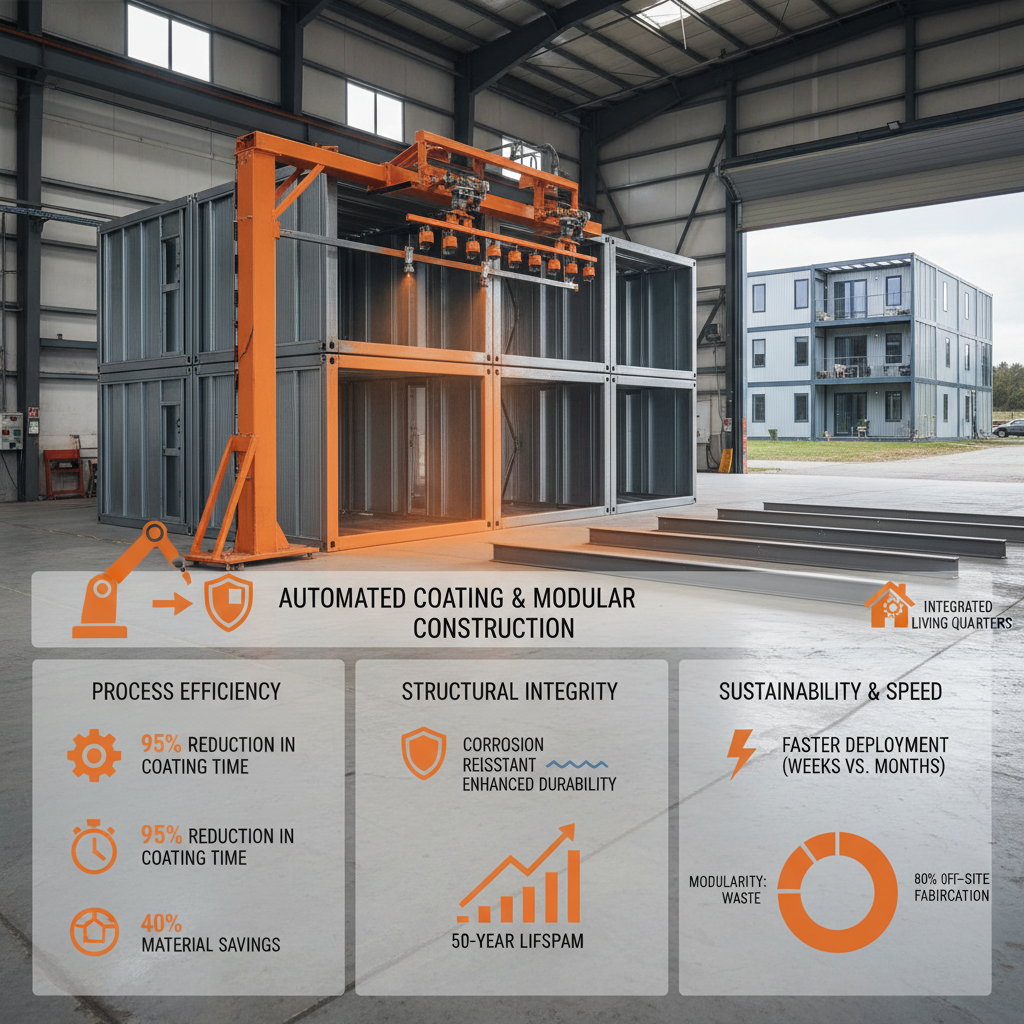
Alright, let’s get down to basics. A steel building with living quarters is exactly what it sounds like: a structure constructed primarily from pre-engineered steel components, incorporating dedicated living spaces within the same footprint as workspace or operational areas. It's not just slapping a cabin onto the side of a warehouse. It’s an integrated design where both living and working zones are thoughtfully planned and built using steel framing, roofing, and cladding. These buildings are typically prefabricated off-site and then assembled on location, drastically reducing construction time.
This concept bridges a gap between purely industrial structures and traditional housing. It's about efficiency and multi-functionality. You’ll find them used for everything from worker accommodations on remote construction sites and mining camps to disaster relief shelters and even permanent homes in areas where rapid construction is crucial. It’s fundamentally about streamlining operations and reducing logistical complexity.
Think of it like this: instead of building separate offices, workshops, and housing, you build one structure that serves all those purposes. It’s a smart approach to resource management and project execution.
Key Factors in steel building with living quarters Design
First off, Durability is paramount. Steel can withstand pretty much anything Mother Nature throws at it—high winds, heavy snow, earthquakes—and it requires minimal maintenance compared to wood or concrete. We're talking about buildings that can last for decades with proper care. I've seen steel structures standing strong after hurricanes that leveled everything around them. It’s a matter of inherent material strength and robust engineering.
Then there's Scalability. One of the biggest advantages of steel is that you can easily add onto it. Need more living space? Need a bigger workshop? You can expand the structure without major demolition or reconstruction. This is a huge benefit for growing operations or projects with evolving needs. Unlike concrete, you’re not pouring foundations for every addition.
Cost-Effectiveness is a big driver. Prefabrication minimizes labor costs and waste. Steel is often cheaper than traditional building materials, especially when you factor in long-term maintenance. Plus, the faster build time gets projects up and running sooner, which translates into faster ROI. I've personally seen projects come in significantly under budget using steel building solutions.
Global Applications and Use Cases
We're seeing steel building with living quarters deployed in a huge range of scenarios. In post-disaster relief operations, these structures provide immediate, safe shelter for displaced populations. I've worked with NGOs using them in Haiti and Nepal after major earthquakes. The speed of deployment is critical in those situations.
In remote industrial zones, like mining camps in Western Australia or oil fields in North Dakota, they provide comfortable, secure accommodations for workers who are often stationed far from towns or cities. It cuts down on commute times and improves worker morale. I spent six months on a project in the Canadian oil sands where these structures were absolutely essential.
They’re also becoming popular for agricultural applications – housing farm workers, providing storage for equipment, and even creating on-site processing facilities. Plus, you’re seeing a rise in their use for long-term housing in areas with affordable housing shortages.
steel building with living quarters Application Ratings
Advantages and Long-Term Value
Look, at the end of the day, it’s about delivering value. A steel building with living quarters isn’t just cheaper upfront; it’s cheaper to own and operate over the long term. Lower maintenance, longer lifespan, and reduced energy costs all add up. From a sustainability perspective, steel is highly recyclable, reducing the environmental impact. It's a win-win.
But it’s not just about the bottom line. These structures provide a safe, comfortable, and dignified living environment for people. That matters. Giving workers a decent place to live improves morale, productivity, and retention. It builds trust and demonstrates a commitment to their well-being. It is also about building confidence, knowing you have a building that can withstand the test of time.
Future Trends and Innovations
We’re starting to see some exciting innovations in this space. Integrating smart home technology into steel building with living quarters – things like automated climate control, energy monitoring, and security systems – is becoming increasingly common. Also, the development of more sustainable steel manufacturing processes is a major focus. "Green steel" – produced using renewable energy – will further reduce the environmental footprint of these structures.
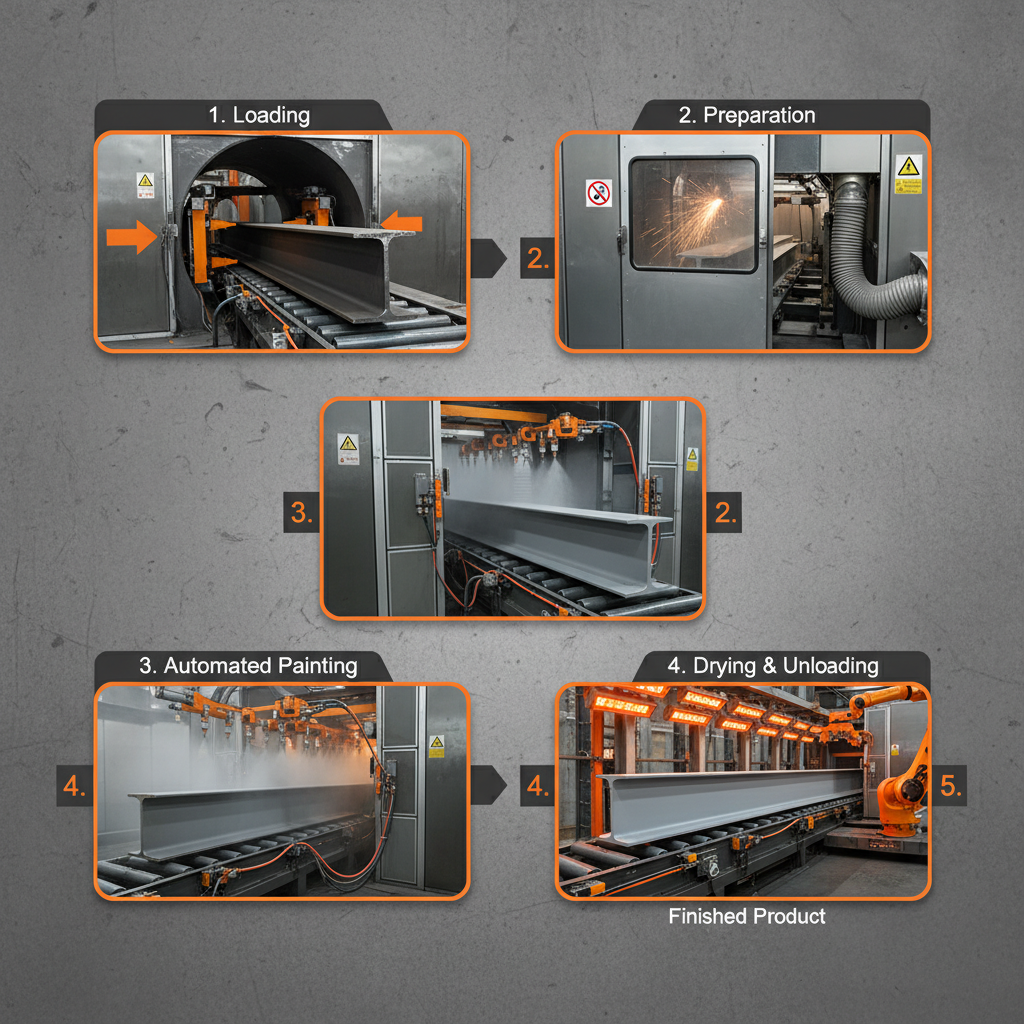
And, as automation and robotics become more prevalent in construction, we’ll see even faster and more efficient assembly processes. Digital twins – virtual replicas of the buildings – will allow for remote monitoring, predictive maintenance, and optimized energy usage. The future is about building smarter, more sustainable, and more resilient structures.
Challenges and Solutions
Now, it's not all sunshine and roses. One challenge is permitting and building codes. Some jurisdictions are still catching up to the benefits of pre-engineered steel and may have outdated regulations. This is improving as the industry matures and demonstrates its value.
Another challenge is transportation. While prefabricated components simplify assembly, transporting large steel sections can be logistically complex and expensive. Optimizing logistics and sourcing materials locally whenever possible are key solutions.
Finally, ensuring proper insulation and ventilation is crucial, especially in extreme climates. Investing in high-quality insulation materials and designing for optimal airflow will maximize comfort and energy efficiency. It's about paying attention to the details and ensuring the structure is well-suited to its environment.
Overview of Challenges and Solutions for steel building with living quarters
| Challenge |
Impact Level (1-10) |
Potential Solution |
Implementation Cost (1-10) |
| Outdated Building Codes |
7 |
Industry Advocacy & Education |
5 |
| Transportation Logistics |
8 |
Local Sourcing & Optimized Routing |
6 |
| Insulation & Ventilation |
6 |
High-Performance Materials & Design |
7 |
| Initial Cost Perception |
5 |
Life Cycle Cost Analysis |
3 |
| Skilled Labor Availability |
4 |
Training Programs & Prefabrication |
4 |
| Design Flexibility Concerns |
3 |
Advanced CAD/CAM Software & Customization |
6 |
FAQS
Lead times can vary depending on the size and complexity of the project, but generally, you're looking at 8-16 weeks from order to delivery of the steel components. This is significantly faster than traditional construction methods. However, site preparation and foundation work need to be completed concurrently. Factors like permitting and customization options can also impact the overall timeline, so planning is key.
Typically, a steel building with living quarters is more cost-effective than traditional construction, especially when considering long-term maintenance and durability. While the initial material cost may be similar, the reduced labor costs due to prefabrication, faster build time, and lower maintenance requirements often result in significant savings. It really comes down to doing a thorough life-cycle cost analysis.
Absolutely. With proper insulation and ventilation, steel buildings can be very energy efficient. Steel itself doesn't conduct heat well, and modern insulation materials can create a highly effective thermal barrier. We also work with clients to incorporate energy-efficient windows, doors, and HVAC systems to minimize energy consumption and lower operating costs. Proper sealing of all joints and potential air leaks is crucial.
Definitely. One of the biggest advantages of steel is its flexibility. We can customize the size, layout, and features of the building to meet your exact requirements. This includes everything from the number of bedrooms and bathrooms to the size of the workspace and the inclusion of specialized equipment or facilities. It’s all about tailoring the design to your specific operational needs.
Steel buildings require minimal maintenance compared to wood or concrete structures. Periodic inspections and painting to prevent rust are generally the main requirements. With proper coatings and regular maintenance, a steel building can last for decades with minimal issues. It's a durable, long-lasting investment that requires less ongoing care than other building types.
Steel is naturally resistant to termites and other wood-boring pests, eliminating a significant concern found with traditional construction. Proper ventilation and moisture control are essential to prevent mold growth, but steel itself does not support mold or mildew. This makes steel buildings a healthier and more sustainable option, particularly in humid climates.
Conclusion
In short, steel building with living quarters represent a smart, efficient, and durable solution for a wide range of applications. From disaster relief to remote industrial operations, they offer a compelling alternative to traditional construction, providing cost savings, faster build times, and long-term value. These buildings offer a balance of functionality and resilience that is becoming increasingly vital in today’s world.
As technology continues to advance and the demand for sustainable building practices grows, expect to see even more innovation in this space. Investing in a steel building with living quarters isn’t just about constructing a structure; it’s about investing in a future where buildings are built smarter, faster, and more sustainably. Ready to explore your options? Visit our website at steel building with living quarters.