Steel floor plate – it's not just a product, it’s the foundation of progress. I’ve spent years walking construction sites, watching projects rise from the ground, and let me tell you, the right flooring makes or breaks everything. It’s about safety, durability, and getting the job done right, on time, and within budget. From massive industrial facilities to intricate commercial builds, steel floor plate is the unsung hero holding it all together. It's more than just metal; it's reliability under pressure, quite literally.
You see a lot of shortcuts taken in this industry, but flooring isn't one area to skimp on. A solid, well-maintained steel floor plate system prevents accidents, supports heavy machinery, and ultimately protects the investment. I’ve witnessed firsthand the headaches caused by inadequate flooring – delays, safety violations, and costly repairs. It’s a pain point for contractors and engineers alike, and finding the right solution is crucial for a successful project.
And it’s not just about the big builds. Even smaller workshops and storage facilities rely on the strength and resilience of steel floor plate. The demand is global, fueled by infrastructure development in emerging economies and the constant need for upgrades and maintenance in established ones. The UN, World Bank, and ISO standards all reflect the critical role of durable flooring in modern construction and industrial operations.
The Importance of Steel Floor Plate in Construction
Look, when you’re talking about industrial or commercial construction, you need a flooring solution that can handle serious abuse. Steel floor plate delivers. It’s designed to withstand heavy loads, impacts, and constant traffic. I’ve seen it hold up in environments where other materials would crumble.
The initial cost might be a bit higher than some alternatives, but the long-term return on investment is significant. Reduced maintenance, fewer repairs, and increased safety all translate to cost savings down the line. And frankly, peace of mind knowing your floor isn't going to fail is worth something.
Defining Steel Floor Plate: A Practical Overview
Steel floor plate isn’t just a single thing; there are different types, each suited to specific applications. You’ve got your diamond plate, checkered plate, and various thicknesses and steel alloys. Essentially, it’s steel that’s been embossed with a raised pattern for increased traction and rigidity. It’s about creating a surface that’s both durable and safe.
It’s a direct response to the demands of modern industry. Before steel floor plate, factory floors and loading docks were often treacherous and inefficient. Now, we’ve got a product that dramatically improves worker safety and streamlines operations. It's about creating a functional and reliable work environment.
What really sets it apart is its ability to perform consistently, even in harsh conditions. I've seen it in everything from oil rigs to food processing plants, and it just keeps working. That’s a testament to its inherent strength and versatility.
Key Characteristics of High-Quality Steel Floor Plate
First off, durability is paramount. You want a steel floor plate that can handle heavy loads and resist wear and tear. The grade of steel matters – higher carbon content typically means greater strength.
Traction is crucial for safety. The raised pattern on the plate provides a non-slip surface, even when wet or oily. You don't want workers slipping and falling, and good steel floor plate minimizes that risk. This is especially important in areas with frequent foot traffic or moving machinery.
Corrosion resistance is another key factor. Depending on the environment, you might need a galvanized or stainless steel floor plate to prevent rust and degradation. Saltwater environments, chemical plants – these require specialized protection. Maintenance is easier when you start with a corrosion-resistant product.
Applications of Steel Floor Plate Across Industries
You’ll find steel floor plate everywhere. In manufacturing plants, it forms walkways, platforms, and machine guards. In warehouses, it’s used for loading docks and high-traffic areas. In the automotive industry, it’s used in truck beds and trailers. The list goes on and on.
I’ve seen it used extensively in the oil and gas industry, where it needs to withstand extreme conditions and heavy equipment. It’s also common in food processing facilities, where hygiene and durability are critical. Even in architectural applications, it can be used for decorative elements and exterior cladding.
Steel Floor Plate Usage by Industry
Long-Term Value and Benefits of Using Steel Floor Plate
It boils down to reliability and longevity. Steel floor plate, when properly installed and maintained, will last for decades. That reduces lifecycle costs significantly. You aren’t constantly replacing it like you would with some other materials.
And it's a sustainable choice. Steel is highly recyclable, minimizing environmental impact. Choosing durable materials like steel floor plate also reduces waste in the long run.
Future Trends and Innovations in Steel Floor Plate Technology
We're seeing advancements in alloy technology leading to even stronger and more corrosion-resistant steel floor plate options. There’s also research into new coating materials that provide enhanced protection and aesthetics.
I’m keeping an eye on developments in smart flooring, integrating sensors into the plate to monitor weight distribution, detect potential problems, and even improve energy efficiency. It's a bit futuristic, but the potential is there.
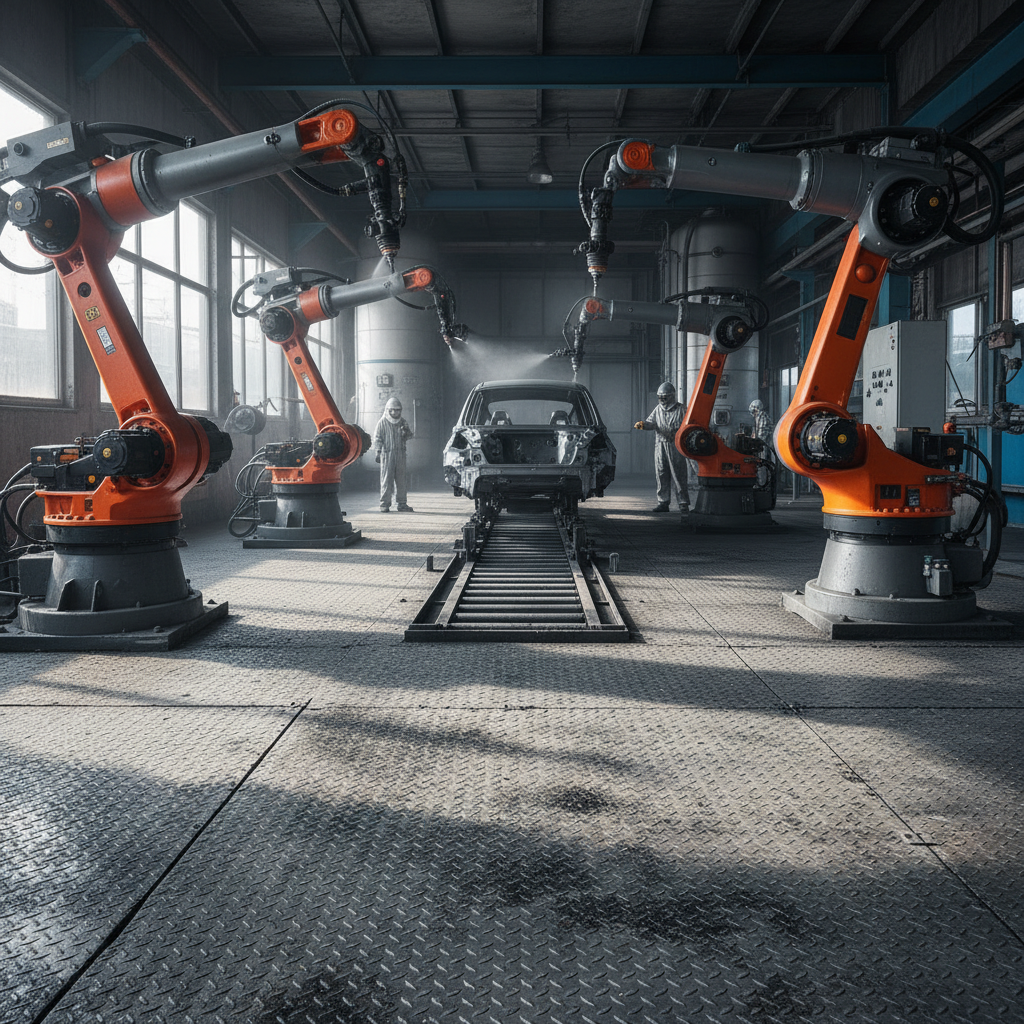
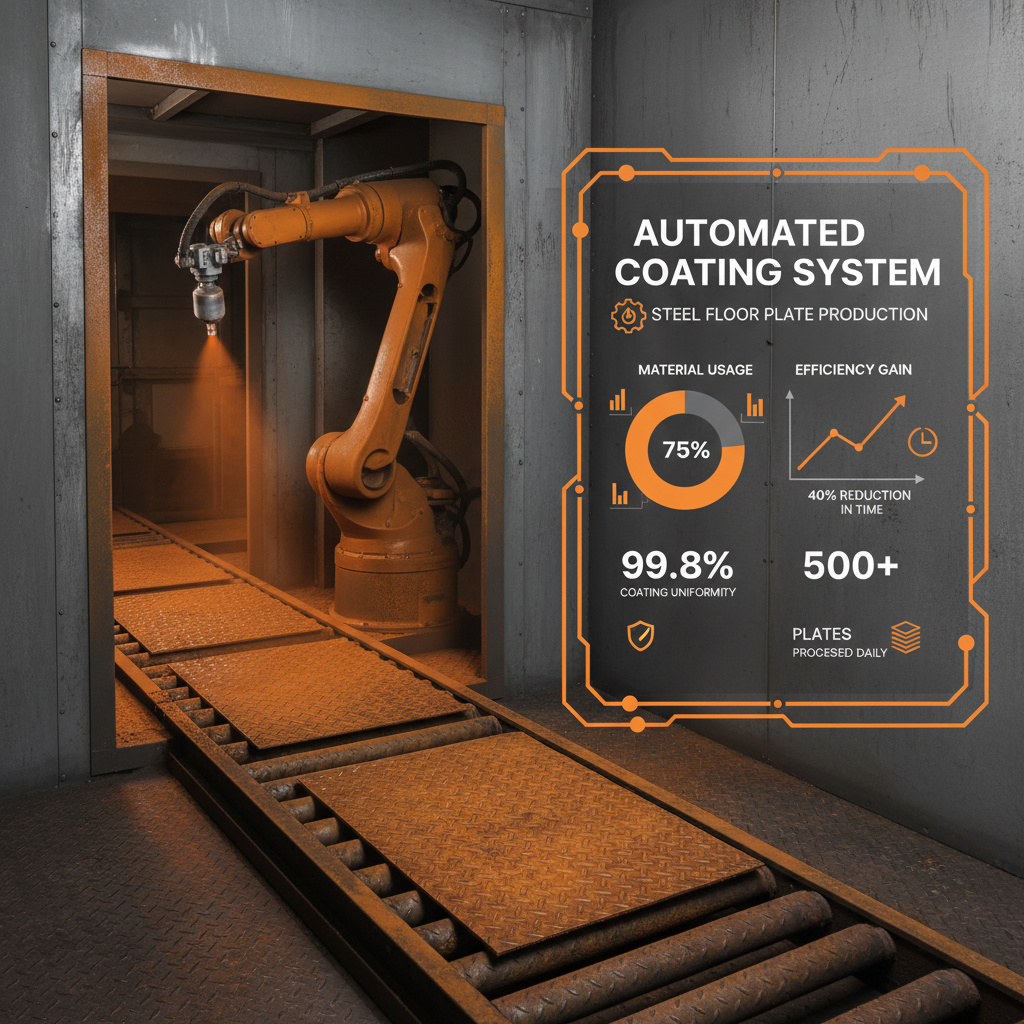
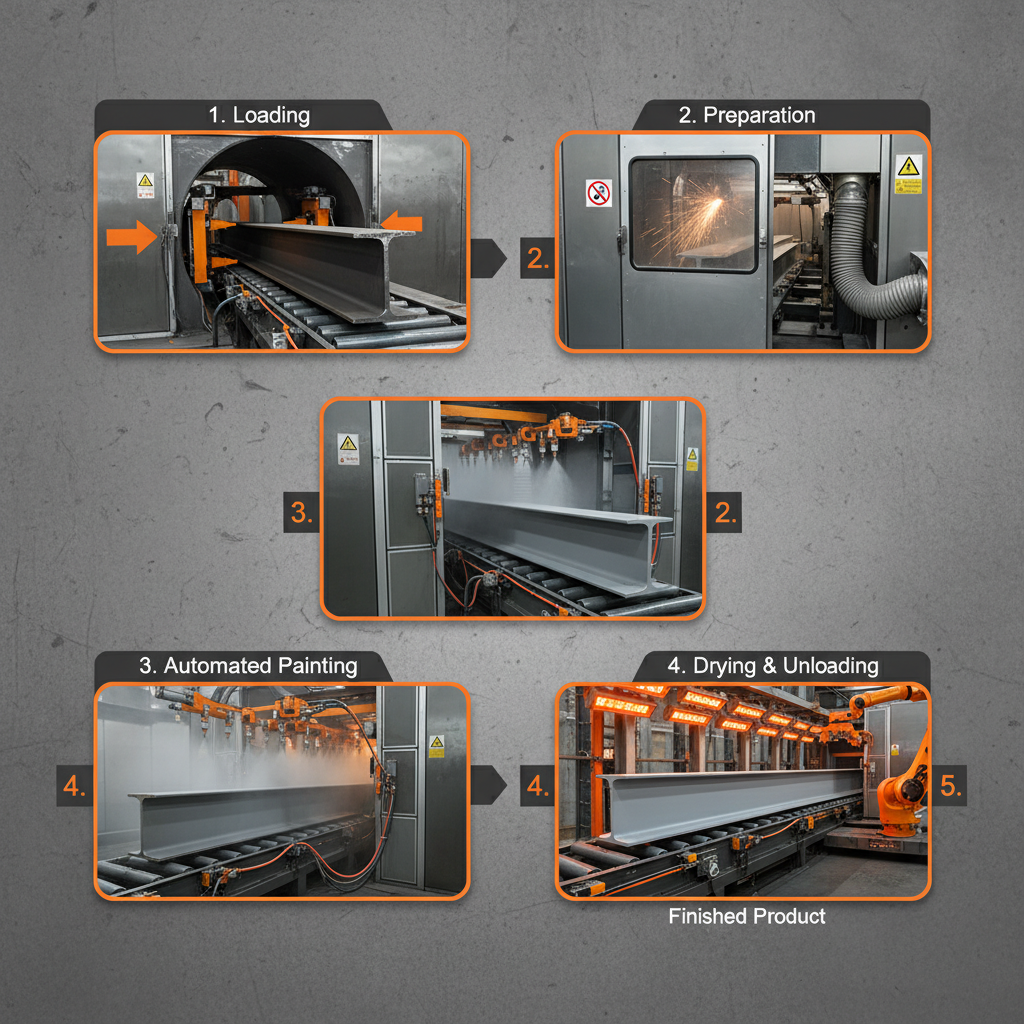
Automation is also playing a role in the manufacturing process, leading to more precise and consistent product quality.
Addressing Challenges in Steel Floor Plate Implementation
One of the biggest challenges is proper installation. If it’s not installed correctly, you’ll end up with problems down the line. It needs to be securely fastened and properly supported. I've seen too many jobs cut corners here, and it always leads to issues.
Weight can also be a factor, especially in older buildings. You need to make sure the structure can handle the additional load. And sourcing high-quality steel floor plate from a reliable supplier is crucial. You don't want to end up with substandard materials.
We’re seeing more pre-fabricated steel floor plate systems emerge, which can help address some of these installation challenges and reduce on-site labor costs.
Key Considerations for Successful Steel Floor Plate Implementation
| Application Environment |
Steel Grade Recommendation |
Installation Complexity |
Expected Lifespan (Years) |
| Dry Indoor Manufacturing |
A36 Carbon Steel |
Low |
25+ |
| Outdoor Loading Dock |
A572 Grade 50 |
Medium |
20+ |
| Chemical Processing Plant |
304 Stainless Steel |
Medium-High |
30+ |
| Coastal Marine Environment |
316 Stainless Steel |
High |
40+ |
| Heavy Machinery Workshop |
A572 Grade 65 |
Medium |
22+ |
| Food Processing Facility |
304L Stainless Steel |
Medium-High |
28+ |
FAQS
In a well-maintained warehouse, steel floor plate can easily last 20-30 years, and often longer. Factors like load weight, cleaning frequency, and the presence of corrosive materials all play a role. Regular inspections and recoating can extend its lifespan significantly. We've seen plates installed decades ago still providing reliable service.
Thickness depends heavily on the expected load. Light foot traffic requires a thinner plate (e.g., 1/8 inch), while heavy machinery demands something much thicker (1/2 inch or more). Consulting with a structural engineer is always recommended, especially for critical applications. They can calculate the necessary load-bearing capacity and recommend the appropriate thickness.
Galvanized steel has a zinc coating that provides corrosion resistance, but it's less durable than stainless steel. Stainless steel (304 or 316) contains chromium, which forms a passive layer that protects against corrosion even if the surface is scratched. Stainless steel is generally more expensive but offers superior long-term protection, especially in harsh environments.
The raised pattern on diamond or checkered plate provides some inherent slip resistance. However, for optimal safety, consider applying a non-slip coating or installing rubber mats in high-traffic areas. Regular cleaning to remove oil, grease, and debris is also essential. Proper drainage is crucial to prevent water buildup.
Carbon steel is susceptible to rust, especially in humid or corrosive environments. To prevent rust, use galvanized or stainless steel, apply a protective coating (paint, epoxy), and ensure proper ventilation. Regular inspections and prompt repairs of any damaged coatings are also critical. Avoid prolonged exposure to salt water.
Regular sweeping and mopping with a mild detergent are usually sufficient. Avoid abrasive cleaners that can scratch the surface. For stubborn stains or spills, use a specialized industrial cleaner. Inspect the plate regularly for damage and repair any scratches or corrosion promptly. Recoating may be necessary every few years, depending on the environment.
Conclusion
Steel floor plate is more than just a building material; it’s a fundamental component of safe, efficient, and durable infrastructure. Its strength, versatility, and long-term value make it an indispensable part of countless industries. From manufacturing plants to warehouses, its ability to withstand heavy loads and provide a secure working surface is unmatched.
Investing in high-quality steel floor plate isn't just about the upfront cost, it’s about future-proofing your projects, minimizing maintenance headaches, and ensuring the safety of your workforce. If you’re looking for a reliable, long-lasting flooring solution, steel floor plate is the clear choice. Learn more about our steel floor plate options today!