Gable steel buildings – they’re not just about steel and a triangular roof, folks. I’ve spent the last fifteen years on sites, knee-deep in concrete dust and blueprints, and I’ve seen these structures evolve. They've moved from being purely industrial solutions to viable options for everything from workshops and agricultural storage to even schools and community centers. What’s driving this? It’s the speed, the cost-effectiveness, and increasingly, the design flexibility. It's a game-changer when you’re looking at quick deployment and durable shelter.
Honestly, seeing the advancements in pre-engineered metal building (PEMB) systems is pretty exciting. It used to be you compromised on aesthetics to get the benefits of steel – quick erection, strength, long lifespan. Not anymore. Today’s gable steel buildings offer a surprising amount of customization, making them increasingly attractive for projects where appearance does matter. They solve a real problem: needing reliable, long-lasting structures fast, and within a budget.
And it's not just about the buildings themselves, it’s about the logistical improvements too. Supply chains are streamlining, installation crews are getting more skilled, and the software for design and fabrication is getting smarter. This means less wasted material, fewer delays, and a more predictable outcome. That’s what keeps project managers like me happy.
The Rise of Gable Steel Buildings
I've watched gable steel buildings gain traction over the years, starting with simple agricultural applications and branching out into diverse sectors. The demand comes from a need for robust, cost-effective buildings that can be erected quickly. Whether it's a farmer needing a new storage barn or a municipality needing a rapid-deployment emergency shelter, these structures offer a compelling solution. This isn't just about construction; it’s about providing infrastructure solutions.
The shift is noticeable. We’re seeing more architects and engineers embracing steel for projects they wouldn't have considered a decade ago. The ability to span large distances without internal supports, combined with the increasing availability of aesthetic cladding options, makes gable steel buildings a viable alternative to traditional construction methods in many scenarios. It's about finding smarter ways to build.
Defining Gable Steel Buildings
Simply put, a gable steel building is a structure constructed primarily with a steel framework and covered with metal panels. The ‘gable’ refers to the triangular shape of the roof – it's the classic pitched roof we all recognize. But it's the pre-engineered aspect that really sets them apart. The steel components are designed and fabricated off-site, then shipped to the construction location for assembly.
This isn't some newfangled invention, but the technology behind it has improved drastically. Modern gable steel buildings utilize sophisticated software for design and engineering, ensuring structural integrity and efficient material usage. They are frequently used when a quick build time is paramount or where a large, clear span is required.
The connection to modern needs is clear. In a world demanding faster, more sustainable, and more affordable building solutions, these structures deliver. They're especially valuable in disaster relief scenarios, providing quick and durable shelter where it's needed most.
Key Advantages of Steel Gable Structures
Let's get down to brass tacks. What makes these buildings so attractive to owners and contractors? First, there's the speed of construction. Because most of the work is done offsite, erection time is significantly reduced compared to traditional methods. This translates to lower labor costs and a faster return on investment. You're talking weeks, sometimes even days, for erection versus months for conventional builds.
Secondly, the strength and durability are unmatched. Steel is inherently strong and resistant to fire, pests, and extreme weather conditions. A well-maintained gable steel building can last for decades, minimizing lifecycle costs. I’ve seen buildings standing for 40+ years without major structural issues. That’s a testament to the material and the engineering.
Finally, there's the cost-effectiveness. Steel is a relatively affordable building material, and the pre-engineered nature of these structures minimizes waste and labor costs. While initial material costs may be comparable to wood, the long-term savings in maintenance and repairs often make steel the more economical choice.
Durability and Longevity in Gable Steel Buildings
I’ve seen a lot of buildings in my time, and one thing stands out about gable steel structures: they hold up. Steel is naturally resistant to rot, pests, and fire – problems that plague traditional wood-frame construction. That resistance translates directly into lower maintenance costs over the life of the building.
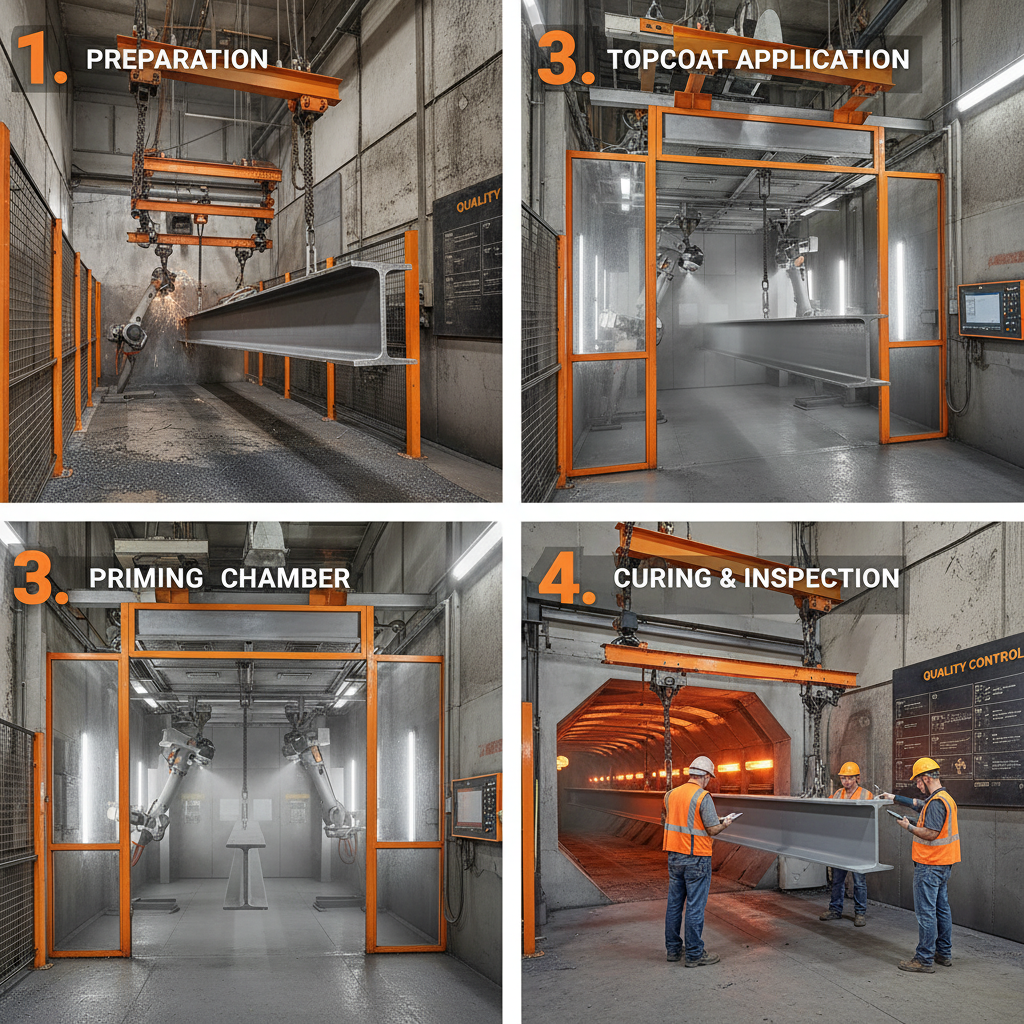
However, it's not foolproof. Corrosion is the biggest enemy. Proper coatings and regular inspections are crucial to preventing rust and ensuring long-term structural integrity. The quality of the steel itself also matters; you want to work with reputable suppliers who use high-grade materials.
Durability Factors in Gable Steel Buildings
Global Applications of Gable Steel Buildings
These buildings aren't limited to one type of application. They’re incredibly versatile. In the agricultural sector, you see them used for everything from livestock barns and equipment storage to processing facilities. In the industrial world, they’re ideal for warehouses, workshops, and manufacturing plants.
I've worked on projects ranging from simple storage sheds to complex distribution centers. In post-disaster relief operations, their rapid deployment capabilities make them invaluable for providing temporary shelter and medical facilities. You’ll find them in remote industrial zones where speed of construction and durability are critical. They're becoming increasingly popular for self-storage facilities too.
Long-Term Value and Benefits
The initial cost savings are attractive, no doubt, but the real value lies in the long-term benefits. Lower maintenance, increased durability, and the potential for future expansion all contribute to a higher return on investment. Plus, steel is a recyclable material, making these buildings a more sustainable choice.
Beyond the financial aspects, there’s a psychological benefit too. A sturdy, well-built structure provides a sense of security and confidence. It’s not just about having a roof over your head; it's about having a reliable space to work, live, or store valuable assets. It’s about peace of mind.
They also foster innovation – the flexibility of steel allows for easy integration of new technologies and modifications as needs change, ensuring a building remains relevant for years to come.
Future Trends and Innovations
We're seeing a push towards more sustainable building practices, and gable steel buildings are adapting. New, eco-friendly coating technologies are reducing the environmental impact of steel production and improving corrosion resistance. We’re also seeing increased use of pre-painted steel, reducing on-site painting and further minimizing waste.
Digital transformation is playing a huge role too. Building Information Modeling (BIM) is becoming standard practice, allowing for more accurate designs and streamlined construction processes. Automated fabrication and robotic installation are also on the horizon, promising even faster and more efficient builds.
The integration of smart building technologies – energy-efficient lighting, automated climate control, and remote monitoring systems – is also gaining traction, making these structures more comfortable, efficient, and sustainable.
Analysis of Future Trends in Gable Steel Buildings
| Trend Category |
Implementation Timeline |
Potential Impact on Cost |
Overall Benefit Score (1-10) |
| Sustainable Steel Production |
Short-Term (1-3 years) |
Moderate Increase |
8 |
| BIM Integration |
Currently Active |
Minor Decrease |
9 |
| Robotic Installation |
Medium-Term (3-5 years) |
Significant Decrease |
7 |
| Pre-Painted Steel |
Short-Term (1-2 years) |
Moderate Decrease |
6 |
| Smart Building Integration |
Medium-Term (2-4 years) |
Moderate Increase |
7 |
| Advanced Coating Technologies |
Ongoing |
Minor Increase |
8 |
FAQS
Gable steel buildings offer several key advantages. They’re faster to erect, requiring less on-site labor, and are significantly more durable, resisting pests, fire, and weather damage. They also offer larger clear spans, reducing the need for internal support columns. While the initial material cost might be similar, the lower maintenance and longer lifespan often result in lower overall lifecycle costs.
It’s absolutely critical. You want to ensure you're working with a supplier who provides high-grade steel that meets industry standards. The steel’s strength and corrosion resistance directly impact the building’s lifespan and structural integrity. Don’t cut corners on steel quality; it’s the foundation of the entire structure. Look for certifications and proper testing documentation.
Absolutely. While steel itself is a good conductor of heat, modern insulation techniques can effectively mitigate this. There are several insulation options available, including fiberglass, spray foam, and rigid foam panels, that can be applied to the walls and roof to create a thermally efficient building. Proper ventilation is also important for managing condensation.
Permitting and zoning regulations vary significantly depending on your location. It's crucial to check with your local building department to determine the specific requirements for steel buildings. Issues like foundation requirements, wind load calculations, and fire safety codes will likely be addressed. Planning ahead and ensuring compliance can prevent costly delays.
Corrosion is a primary concern. Galvanizing is a common and effective method of protecting steel from rust. Applying high-quality coatings, regularly inspecting the building for signs of corrosion, and addressing any issues promptly are also essential. In coastal areas or harsh environments, consider using specialized coatings designed for increased corrosion resistance.
A well-maintained gable steel building can easily last 40-60 years, and often longer. Regular inspections, timely repairs, and proper corrosion prevention are key to maximizing its lifespan. Unlike wood structures, steel doesn’t suffer from rot or pest damage, contributing to its longevity. It’s a durable investment that can provide decades of reliable service.
Conclusion
Gable steel buildings represent a compelling solution to a wide range of construction challenges. Their speed of erection, durability, cost-effectiveness, and increasingly customizable designs make them a viable option for projects ranging from agricultural storage to industrial warehouses and even community centers. The integration of sustainable practices and smart technologies is further enhancing their appeal and solidifying their position as a future-proof building solution.
Looking ahead, we'll see even more innovation in this space, with a focus on reducing environmental impact and improving building performance. If you’re considering a new building project, I encourage you to explore the potential of gable steel. It's a smart investment that can deliver long-term value and peace of mind.