Look, I’ve spent the last fifteen years breathing concrete dust and arguing with subcontractors, and I can tell you one thing: getting a solid, reliable structure up quickly and efficiently is everything. That's where steel structures for sale come in. It's not just about the metal; it's about streamlining the whole process, minimizing delays, and frankly, making everyone's lives easier on site. We’re talking about a faster build time, lower labor costs, and a final product that’s built to last. It's the backbone of modern construction, and the demand is only going up.
The world's changing. We're seeing more demand for rapid deployment solutions, whether it's disaster relief housing, temporary field hospitals, or expanding industrial facilities in remote locations. Traditional construction methods just can't keep pace with those needs. Steel structures offer a scalable, adaptable solution that can be prefabricated offsite and assembled quickly, reducing disruption and accelerating project timelines. The entire supply chain benefits, from the mill producing the steel to the crew bolting it together.
Honestly, it's a game changer for project managers like me. It allows us to deliver projects on time and within budget, which, let's be real, is half the battle. And with the growing emphasis on sustainable construction practices, the recyclability of steel is a huge win. We're talking about minimizing waste and reducing the environmental impact of our projects. It’s not just building faster; it’s building smarter.
The Relevance of Steel Structures for Sale
The global construction industry is a massive market, projected to reach over $17 trillion by 2030 (according to Statista). Steel structures are a critical component, representing a significant portion of that spending. Demand is driven by rapid urbanization, infrastructure development, and the increasing need for durable, sustainable buildings. The UN estimates that over half the world’s population will live in urban areas by 2050, placing enormous pressure on existing infrastructure and driving the need for efficient construction solutions.
We’re constantly battling supply chain issues, skilled labor shortages, and escalating material costs. Steel structures for sale offer a solution to many of these problems. Prefabrication reduces on-site labor needs, while the inherent strength and durability of steel minimize long-term maintenance costs. Plus, with the growing focus on green building practices (ISO 14001 certification is becoming increasingly common), the recyclability of steel makes it an environmentally responsible choice.
Defining Steel Structures for Sale
Simply put, "steel structures for sale" refers to prefabricated building frameworks constructed primarily from steel components. These aren’t your grandfather’s steel buildings; we’re talking about engineered systems designed for speed, efficiency, and adaptability. It encompasses everything from simple steel sheds and warehouses to complex multi-story buildings, bridges, and even modular homes. These structures are designed and fabricated in a controlled factory environment and then transported to the construction site for assembly.
The connection to modern industry is undeniable. Steel structures are the backbone of manufacturing facilities, distribution centers, and logistics hubs. They provide the robust framework needed to support heavy machinery, large storage areas, and complex operational processes. But it extends beyond industry. Think about emergency response – quickly deployable field hospitals, shelters for disaster victims, or temporary housing for displaced communities. That’s where steel structures really shine.
It’s also about minimizing waste. With traditional construction, you have a lot of on-site cutting, fitting, and waste material. Steel structures, being prefabricated, are designed to minimize waste and maximize material utilization. It’s a more efficient and sustainable approach.
Core Components of Steel Structures
The foundation of any good steel structure is, well, good steel. We’re talking about high-strength steel alloys – A36, A572, and others – chosen for their specific properties. Then you’ve got the primary framing members: beams, columns, and trusses. These are the load-bearing elements that provide the structural integrity of the building. The connections are crucial: bolted connections are now overwhelmingly preferred over welding, offering faster assembly and easier maintenance.
Then there's the cladding and roofing. These protect the structure from the elements and provide insulation. Options range from traditional metal roofing panels to insulated metal panels (IMPs) and even specialized coatings for corrosion resistance. The choice depends on the application and the climate. And don’t forget the foundation – a solid, well-engineered foundation is critical for ensuring the long-term stability of the entire structure. It's not sexy, but it's vital.
Finally, you have the secondary structural elements – purlins, girts, and bracing – that provide support for the cladding and roofing systems. These elements distribute loads and enhance the overall stability of the structure. It’s all about a systems approach. Each component works together to create a robust, durable, and efficient building.
Global Applications & Real-World Use Cases
You see steel structures everywhere, from the massive warehouses of Amazon to the local grocery store down the street. In North America, they're dominant in industrial and commercial construction. Europe utilizes them extensively for infrastructure projects like bridges and rail systems. In developing nations, particularly in Africa and Asia, steel structures are becoming increasingly popular for schools, hospitals, and affordable housing.
In post-disaster relief operations, rapidly deployable steel shelters are a lifeline for affected communities. Companies like ours are working with NGOs to provide these structures for emergency housing and medical facilities. In remote industrial zones – think oil fields in Siberia or mining operations in Australia – steel structures offer a cost-effective and efficient solution for building worker accommodations and processing facilities.
We're also seeing increased use in agricultural applications. Steel barns, storage facilities, and processing plants provide farmers with durable and reliable structures for protecting their crops and livestock. It's about adaptability – steel structures can be customized to meet the specific needs of a wide range of industries and applications.
Cost Comparison of Steel Structure Build Methods
Advantages and Long-Term Value Proposition
Let's be honest, cost is a big driver. Steel structures are often more cost-effective than traditional concrete construction, particularly when you factor in labor costs and construction time. But it's not just about the initial price tag. The durability of steel translates into lower maintenance costs over the lifespan of the building. You’re looking at fewer repairs and replacements, saving money in the long run.
Sustainability is another key advantage. Steel is one of the most recycled materials on the planet. Using recycled steel reduces the environmental impact of construction and conserves natural resources. From a social impact perspective, steel structures can provide safe, durable, and affordable housing and infrastructure for communities in need. There's a real sense of satisfaction knowing you’re building something that will last and make a positive difference.
Future Trends and Innovations in Steel Construction
We're seeing a huge push toward digital fabrication and automation. BIM (Building Information Modeling) is becoming standard practice, allowing for more precise design, fabrication, and assembly. Robotic welding and automated assembly lines are increasing efficiency and reducing labor costs. High-strength steel alloys are continually being developed, allowing for lighter, more efficient structures.
And then there's the integration of smart technologies. Sensors embedded within steel structures can monitor stress levels, detect corrosion, and provide real-time data on building performance. This data can be used to optimize maintenance schedules and extend the lifespan of the structure. It's about building smarter, not just bigger.
Challenges and Solutions in Steel Structure Implementation
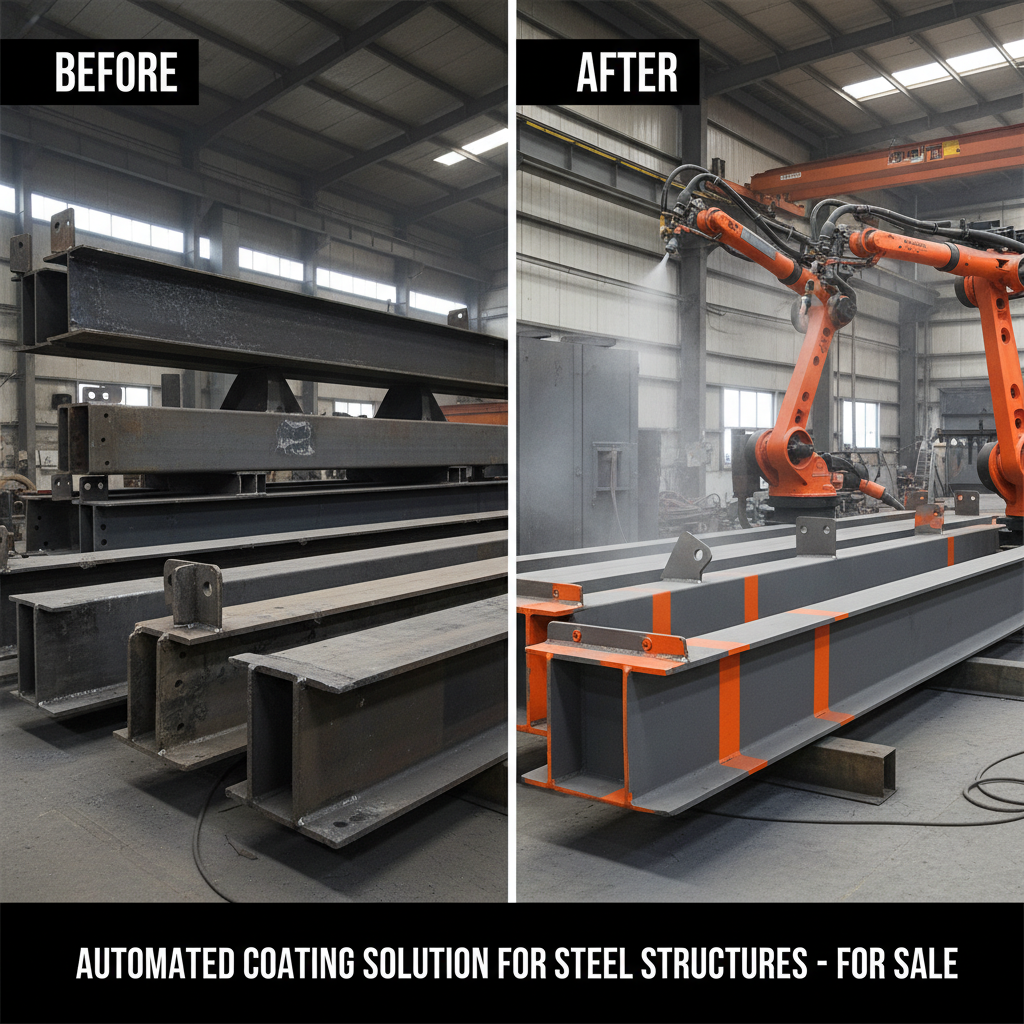
Corrosion is always a concern, especially in harsh environments. But advancements in protective coatings and corrosion-resistant steel alloys are mitigating that risk. Skilled labor shortages are another challenge. Investing in training and workforce development programs is crucial for ensuring we have a qualified workforce to design, fabricate, and erect steel structures.
Transportation can also be a logistical headache, especially for large or complex structures. Careful planning and coordination are essential for ensuring that materials arrive on site safely and on time. Supply chain disruptions, as we’ve seen recently, are always a threat. Diversifying suppliers and building strong relationships with key partners is vital for mitigating that risk.
Finally, ensuring proper fire protection is paramount. Applying fire-resistant coatings and incorporating fire suppression systems are essential for safeguarding steel structures and protecting occupants. It all comes down to planning, preparation, and a commitment to quality.
Challenges and Potential Solutions for Implementing Steel Structures
| Challenge |
Severity (1-10) |
Potential Solution |
Implementation Cost (Index 1-10) |
| Corrosion Resistance |
7 |
Advanced Protective Coatings |
5 |
| Skilled Labor Shortage |
9 |
Increased Training Programs |
6 |
| Supply Chain Vulnerability |
8 |
Diversified Supplier Network |
4 |
| Transportation Logistics |
6 |
Optimized Logistics Planning |
3 |
| Fire Protection Requirements |
7 |
Fire-Resistant Coatings & Systems |
5 |
| Initial Cost Investment |
5 |
Lifecycle Cost Analysis & Funding Options |
2 |
FAQS
Steel structures offer significantly faster construction times, reduced on-site labor costs, and greater design flexibility compared to concrete. Steel is also a highly recyclable material, making it a more sustainable choice. Its strength-to-weight ratio allows for larger spans and open floor plans. Plus, steel structures are easier to modify or expand in the future, offering long-term adaptability.
While the initial material cost of steel can sometimes be higher than concrete, the overall project cost is often lower due to faster construction timelines, reduced labor needs, and minimal site preparation. Prefabrication eliminates waste and improves efficiency. A lifecycle cost analysis often reveals that steel structures are a more cost-effective solution in the long run due to reduced maintenance and increased durability.
Lead times can vary depending on the complexity of the structure and the availability of materials. However, prefabricated steel structures generally have shorter lead times than traditionally constructed buildings. Procurement typically takes 4-8 weeks, and erection can be completed in as little as a few weeks, depending on the size and complexity of the project. Early planning and coordination are key to minimizing delays.
Yes, steel can corrode if exposed to the elements. However, modern protective coatings, such as galvanizing, epoxy coatings, and paint systems, effectively prevent corrosion. Utilizing corrosion-resistant steel alloys, proper design to minimize water accumulation, and regular maintenance inspections are also crucial for ensuring long-term durability.
Absolutely. One of the key advantages of steel structures is their adaptability. Bolted connections allow for relatively easy disassembly and reassembly, making it simpler to modify or expand the building in the future. Adding new bays or stories is often less disruptive and more cost-effective with steel compared to concrete.
Fire protection is a critical consideration. Steel loses strength at high temperatures. Therefore, fire-resistant coatings, such as intumescent paints, are typically applied to steel members to provide a thermal barrier. Sprinkler systems and other fire suppression measures are also essential components of a comprehensive fire protection strategy. Local building codes dictate specific fire protection requirements.
Conclusion
We’ve covered a lot of ground, but the bottom line is this: steel structures for sale are a cornerstone of modern construction. They offer a compelling combination of speed, efficiency, durability, and sustainability. From rapid deployment shelters to massive industrial facilities, steel structures are meeting the evolving needs of a changing world. The ability to prefabricate and adapt is incredibly valuable.
Looking ahead, the integration of digital technologies, the development of new high-strength alloys, and the growing emphasis on sustainable building practices will only further enhance the value proposition of steel structures. If you’re considering a construction project, I highly recommend exploring the possibilities of steel. Visit our website today to learn more about how we can help you build a stronger, more sustainable future.