Heavy Steel Painting Line and h beam price per kg Analysis
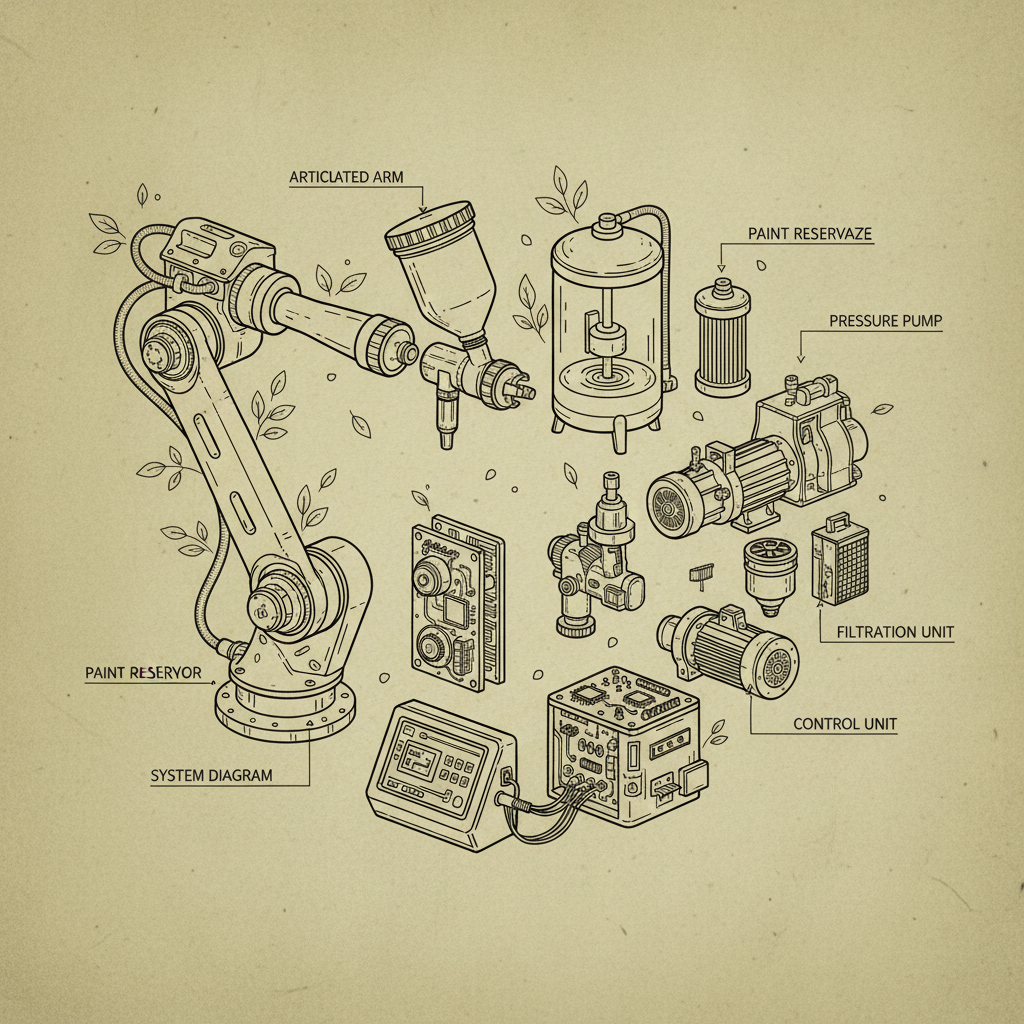
Industrial steel fabrication often faces a critical bottleneck during the finishing stage: the inconsistency and labor intensity of manual coating. For enterprises managing heavy-duty components, the total cost of ownership is influenced not just by the h beam price per kg, but by the efficiency of the processing line. The Heavy Steel Structure Painting Line is engineered to eliminate the instability of manual spraying, replacing high-labor processes with an intelligent, automated system. By integrating 3D scanning and precision transportation, this solution ensures a uniform coating thickness while drastically reducing paint waste and operational overhead. Whether processing massive structural supports or complex industrial frameworks, transitioning to an automated line allows manufacturers to balance high throughput with stringent quality standards, effectively lowering the per-unit processing cost of heavy steel components.

Intelligent 3D Scanning and Precision Coating Mechanisms
The core of the Heavy Steel Structure Painting Line lies in its ability to perceive complex geometries. Traditional spraying often leads to "blind spots" or excessive buildup on edges. To solve this, the system incorporates an automatic scanning system capable of identifying three-dimensional structures in all directions. This 3D scanning preparation ensures that the spraying arm follows the exact contour of the steel component, maintaining a consistent distance for optimal atomization.
This intelligence is paired with high-efficiency delivery systems. By automating the pathing, the system achieves a level of uniformity that is impossible for manual operators. The result is a professional finish that meets rigorous industrial specifications while eliminating the risk of human error. For businesses concerned with the h beam price per kg and overall material efficiency, the reduction in paint waste provides a direct boost to the bottom line.
- Multi-directional Identification: Intelligent 3D scanning for complex component shapes.
- Precision Application: Uniform coating across all surfaces to prevent corrosion.
- Waste Reduction: Optimized paint usage through precise volume control.

Heavy-Duty Transportation and Intelligent Material Handling
Handling heavy steel structures requires more than just a conveyor; it requires a robust, flexible logistics system. This painting line utilizes intelligent chain cars designed to transport massive structural components along a dedicated track. These cars can move components through the spraying and drying phases independently and return to their original positions automatically after unloading, creating a continuous, circular production loop.
Recognizing that steel components vary wildly in shape and weight, the system offers various styles of load-bearing brackets. These customizable brackets ensure that whether the piece is a wide-flange beam or a complex truss, it remains stable and correctly positioned for the 3D scanners and spray nozzles. This versatility allows a single production line to handle diverse project requirements without requiring extensive manual reconfiguration.
Advanced Filtration and Energy-Efficient Drying Solutions
Environmental compliance and curing quality are paramount in modern metal finishing. The system features a two-stage filtration design, utilizing a nine-grid spoiler and specialized glass fiber paint-blocking cotton. This material is specifically developed for paint mist purification, offering high capacity, flame retardancy, and low cost, ensuring that emitted gases meet environmental standards without compromising airflow efficiency.
To finalize the coating, the line employs a smart drying solution powered by a natural gas combustion furnace. Rather than a static heat setting, the system uses electric contact temperature sensors to automatically adjust the output power. This maintains the drying chamber within a precise range of 40-80 ℃. Depending on the specific coating properties and local climate, the temperature is tuned to ensure a perfect surface dry for a single coating thickness of approximately 80um, accelerating the turnaround time for heavy components.
Technical Comparison: Manual vs. Automated Steel Painting
| Evaluation Metric | Manual Spraying | Automated Painting Line | Impact on Production |
|---|---|---|---|
| Labor Intensity | Extremely High | Low (Supervisory) | Reduced Overhead |
| Coating Uniformity | Variable/Unstable | High Precision | Improved Quality |
| Paint Consumption | High Waste | Optimized/Low | Lower Material Cost |
| Processing Speed | Slow/Sequential | High/Parallel | Faster Turnaround |
| Environmental Control | Poor/Manual | Integrated Filtration | Regulatory Compliance |
Operational Impact on Steel Fabrication Costs
When analyzing the cost of a steel project, procurement managers often focus heavily on the raw steel cost. However, the processing phase—specifically painting and corrosion protection—can introduce significant hidden costs. Manual labor is not only expensive but prone to inconsistencies that lead to costly rework or premature failure in the field. By automating the painting process, companies shift from a variable cost model (based on man-hours) to a scalable operational model.
The integration of 3D scanning and automated transport reduces the "bottleneck" effect. In a traditional shop, the painting booth is often where work piles up. This system ensures a steady flow, allowing the fabrication team to maintain a consistent pace from cutting and welding to final delivery. This operational efficiency effectively lowers the total cost per kilogram of the finished product, making the enterprise more competitive in bidding for large-scale infrastructure projects.
Future-Proofing Steel Production with Intelligent Integration
The industry is moving toward "Smart Manufacturing," where every step of the process is data-driven. The Heavy Steel Structure Painting Line is a cornerstone of this transition. By replacing manual labor with automation, manufacturers can now achieve a balance between quality, quantity, and cost. The ability to precisely control coating thickness and drying temperatures means that the longevity of the steel structure is guaranteed, reducing long-term maintenance costs for the end-user.
As global standards for environmental emissions and worker safety tighten, integrated smoke control and advanced filtration become mandatory rather than optional. Yeed Tech continues to evolve these systems, focusing on the integration of software and hardware to create a seamless production ecosystem. For the modern fabricator, investing in such technology is not just about speed—it is about ensuring a consistent, high-quality output that meets the demands of 21st-century engineering.
Frequently Asked Questions About Automated Steel Painting
How does 3D scanning improve the painting quality of H-beams?
The 3D scanning system intelligently identifies the exact dimensions and structure of the component in all directions. This allows the spray system to adjust its path in real-time, ensuring that every surface—including corners and recessed areas—receives a uniform coat of paint without overlaps or gaps.
Can this system handle different sizes of steel components?
Yes. The system uses versatile chain cars with various load-bearing brackets. Different specifications of transportation cars can be selected based on the component type, making it suitable for a wide range of heavy steel structural members.
What is the typical drying temperature for these components?
The drying chamber is typically controlled between 40-80 ℃. The system uses electric contact temperature sensors and a natural gas combustion furnace to automatically adjust heat based on the climate and specific coating properties.
How does the filtration system handle paint mist?
The system utilizes a two-stage filtration design featuring a nine-grid spoiler and glass fiber paint-blocking cotton. This specialized material is designed for high-efficiency purification of paint mist, ensuring emissions meet environmental standards.
Will automation significantly reduce the cost of paint?
Yes. By eliminating the over-spraying common in manual processes and using precision paths identified by 3D scanning, the system significantly reduces paint waste, leading to lower material expenses per project.
Is the system suitable for very heavy industrial frameworks?
Absolutely. The line is specifically designed for "Heavy Steel Structures," with reinforced chain cars and robust transportation tracks engineered to move massive components through the painting and drying cycle safely.
Technical References and Industry Standards
- Structural Beam Engineering Standards
- ISO Standards for Industrial Coatings
- Environmental Regulations for Industrial Emissions
- American Welding Society - Finishing Guidelines
If you are looking to optimize your production line and reduce the operational costs associated with heavy steel finishing, our team is ready to provide a customized technical solution. Contact us today to learn how intelligent automation can transform your fabrication facility.
Related Articles